

Orchids have a reputation for being delicate, but many popular indoor orchids are far more practical than they look. For people who want flowering plants without heavy leaf drop, messy pollen, or constant replacement, orchids offer a rare mix of elegance and everyday usefulness. Their blooms can last for weeks or even months, their growth is compact, and their care routine rewards observation more than hard labor.
This guide takes a fresh look at orchid plant benefits and information through the angle of low-mess indoor beauty, smart home placement, simple routines, and realistic plant value. Instead of treating orchids as luxury objects or difficult collector plants, it explains how common orchids can support a calmer, cleaner, more intentional home environment when they are chosen and cared for well.
Why Orchids Are Practical Home Plants
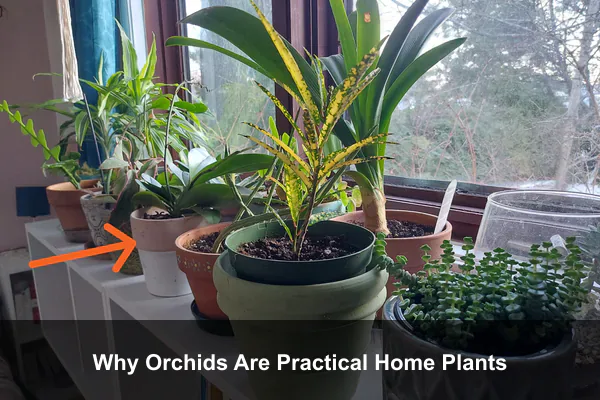
The biggest benefit of an orchid is not only its beauty. It is the way that beauty lasts. A healthy Phalaenopsis, often called the moth orchid, may hold flowers for a long period compared with many common bouquets. This makes it useful for people who want natural color on a table, shelf, reception desk, or windowsill without buying fresh cut flowers every week.
Long-Lasting Color With Less Waste
Many flowering arrangements look fresh for a few days and then become compost or trash. Orchids work differently because the flowers remain attached to a living plant. When the first bloom cycle ends, the leaves and roots continue growing, and the plant can produce future flowers under the right conditions. That makes orchids valuable for low-waste decorating, especially in apartments, offices, and homes where people prefer fewer disposable items.
Compact Beauty for Small Spaces
An orchid does not need to dominate a room. A single pot can bring height, color, and a sculptural shape to a narrow shelf, bedside table, kitchen counter, or bathroom ledge with suitable light. The plant grows upward rather than outward, so it fits well in small homes where wide foliage plants may feel crowded. This space efficiency is one reason orchids are popular as indoor ornamental plants.
A Plant That Encourages Observation
Orchids also teach slow attention. Their leaves, roots, buds, and flower spikes change gradually, and those changes help the owner understand light, moisture, and seasonal rhythm. This is a practical mental benefit rather than a medical claim. Caring for orchids can create a quiet routine: check the roots, notice the media, turn the pot, remove a dry bloom, and enjoy the plant without rushing.
Key Orchid Plant Benefits for Everyday Living
Orchid benefits are strongest when they are realistic. Orchids should not be promoted as miracle air purifiers, medicine, or guaranteed stress treatments. Their value comes from beauty, routine, space-saving design, and the way they connect indoor living with the natural world.
- Long bloom display: Many common orchids provide weeks of flowers from one plant.
- Low visual clutter: Upright stems and neat leaves create a clean look in modern or traditional interiors.
- Low-mess flowering: Orchids usually shed less loose pollen than many open-pollen flowers.
- Reusable decor: The plant can be kept after flowering instead of discarded like a bouquet.
- Gentle learning value: Roots, leaves, and flower spikes make orchids useful for learning plant observation.
- Gift value: Orchids feel thoughtful because they combine beauty with long-term care potential.
Wellness Value Without Exaggeration
Indoor plants can make a room feel more alive, and orchids are especially effective because their flowers are visible and expressive. However, it is better to frame the wellness value honestly. An orchid can support a pleasant environment, encourage mindful breaks, and make a work area feel less sterile. It cannot replace ventilation, medical treatment, or good indoor hygiene.
A Low-Pollen Choice for Many Homes
Orchid pollen is typically held in compact structures rather than released loosely like powder from some flowers. This is one reason many people consider orchids cleaner indoor bloomers. Still, sensitive people should pay attention to fragrance, potting media, and mold. A low-pollen plant can still cause discomfort if it is overwatered, kept in stale air, or grown in decaying media.
Essential Orchid Information for Beginners
Understanding what an orchid is makes care much easier. Most houseplant beginners treat every potted plant as if it should grow in ordinary soil. Many orchids do not. In nature, popular epiphytic orchids often attach to tree branches, where their roots receive air, filtered light, and quick-drying moisture. That is why indoor orchids are commonly grown in bark, moss, charcoal, or airy orchid mix rather than dense garden soil.
Common Indoor Orchid Types
The easiest orchid for many beginners is Phalaenopsis, the moth orchid. It has broad leaves, arching flower spikes, and blooms in many colors. Dendrobium orchids often have cane-like stems and may need brighter light. Oncidium orchids can produce sprays of smaller flowers, sometimes with a sweet scent. Cattleya orchids are famous for bold, showy blooms. Paphiopedilum, or slipper orchid, has distinctive pouch-shaped flowers and attractive leaves. Each type has its own rhythm, so plant labels matter.
Important Orchid Parts to Know
Orchid care becomes less confusing when you can identify the main parts. Leaves store energy and reveal light or water stress. Roots absorb water and cling to airy surfaces; healthy roots are often firm and green or silvery depending on moisture. Flower spikes carry buds and blooms. Some orchids have pseudobulbs, which are swollen stems that store water and nutrients. Knowing these parts helps you respond to the plant instead of guessing.
Why Orchids Are Not Grown Like Ordinary Houseplants
A common mistake is watering an orchid like a leafy tropical plant in dense soil. Epiphytic orchid roots need oxygen. If the potting mix stays wet for too long, roots may decline. If the media dries too harshly for too long, the plant may wrinkle or stall. The goal is balance: moisture followed by air, not constant wetness.
How to Place an Orchid for Beauty and Plant Health
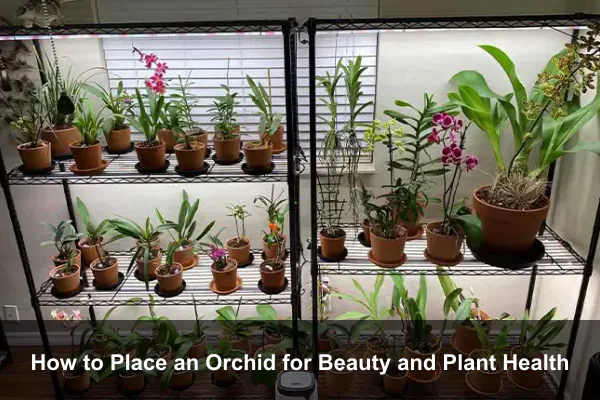
Placement affects both the decorative benefit and the plant’s long-term health. Orchids look polished in visible areas, but they still need suitable light, steady temperature, and airflow. A beautiful spot is only useful if the plant can live there.
Best Rooms for Indoor Orchids
A bright living room can be excellent if the orchid receives filtered light rather than harsh midday sun. A home office works well because orchids bring color without taking much desk space. Bedrooms can suit orchids when there is enough morning light and stable temperature. Bathrooms may be helpful if they are bright and well ventilated, but a dark bathroom is not a good orchid location just because it is humid.
Light That Supports Flowers
Most beginner-friendly orchids prefer bright, indirect light. Too little light often leads to healthy-looking leaves with few flowers. Too much direct sun can scorch leaves. A practical test is to look at the shadow near the plant: a soft, blurred shadow usually suggests filtered brightness, while a sharp shadow may mean intense light. Thin curtains, east-facing windows, or a position slightly back from a bright window can work well.
Temperature and Airflow
Many common orchids enjoy normal household temperatures, but they dislike sudden extremes. Avoid placing them directly beside heaters, air conditioners, drafty doors, or hot glass. Gentle airflow helps reduce stale moisture around leaves and media. Airflow does not mean strong wind; it simply means the plant is not trapped in a damp, closed corner.
A Simple Low-Mess Orchid Care Routine
The easiest orchid routine is based on checking, not guessing. A fixed calendar can help you remember the plant, but the plant’s potting media and roots should guide the actual decision. This approach keeps care simple and reduces problems such as root rot, shriveled leaves, and bud drop.
Water by Condition, Not Habit
When the orchid mix is nearly dry, water thoroughly and let excess water drain away. Never leave the pot standing in water unless the specific orchid type and setup are designed for that method. Clear nursery pots can be useful because they let you see root color and moisture. Green roots usually indicate recent moisture, while silvery roots often suggest dryness. The weight of the pot is another clue: a dry pot feels noticeably lighter.
Keep Blooms Clean and Supported
Orchid flowers usually do not need much grooming. Remove faded blooms gently when they release easily. Use clips or stakes only to support flower spikes, not to force the plant into an unnatural position. Wipe dust from leaves with a soft damp cloth so the plant can photosynthesize well and look fresh. Avoid spraying flowers heavily, because trapped moisture on petals can cause spotting in some conditions.
Feed Lightly During Active Growth
Orchids benefit from gentle feeding when they are actively growing leaves and roots. Use an orchid fertilizer at a diluted rate and avoid overfeeding. Too much fertilizer can leave mineral buildup and damage roots. A simple routine is to water normally most of the time and feed lightly during growth, then flush the pot with plain water occasionally to reduce salts.
Repot Only When There Is a Reason
Repotting is important, but it should not be done constantly. Repot when the media breaks down, roots are crowded or unhealthy, drainage becomes poor, or the plant has clearly outgrown its container. Fresh orchid mix restores airflow around roots. Dense, old, soggy media is one of the main reasons orchids decline indoors.
Safety, Sustainability, and Smart Buying
Orchid plant benefits are strongest when the plant is safe, responsibly sourced, and matched to the home. A beautiful orchid that arrives stressed, diseased, or unsuitable for the room may become frustrating instead of enjoyable.
Pet and Child Considerations
Many commonly sold moth orchids are regarded as low-risk houseplants, but it is still wise to keep all ornamental plants away from chewing pets and small children. Potting bark, moss, fertilizer, clips, and decorative stones are not food. If a pet eats part of a plant or potting material and shows symptoms, contact a veterinarian or poison control resource.
Fragrance and Sensitivity
Some orchids are unscented, while others can be strongly fragrant. Fragrance may be pleasant in a hallway or living room but overwhelming on a bedside table. If anyone in the household is sensitive to scents, choose lightly scented or unscented orchids and avoid overwatering, because damp organic media can create musty smells.
Buy Healthy and Avoid Wild-Collected Plants
Choose orchids with firm leaves, healthy roots, clean media, and no visible pests. Plants with some open flowers and some unopened buds can provide a longer display. Whenever possible, buy from reputable growers who propagate plants responsibly. Avoid wild-collected orchids unless there is clear legal and conservation documentation, because many orchid species are vulnerable in their native habitats.
Common Mistakes That Reduce Orchid Benefits
Most orchid problems come from a few repeated habits. The good news is that these mistakes are easy to correct once you understand the plant’s needs.
- Using ordinary garden soil: Many indoor orchids need an airy medium, not dense soil.
- Watering on autopilot: Check the roots and media before watering.
- Choosing a dark display spot: Orchids need enough light to maintain energy and future blooms.
- Leaving water in the crown: Water trapped between leaves can cause rot in some orchids.
- Ignoring pests: Scale, mealybugs, and mites are easier to manage when caught early.
- Throwing the plant away after flowering: A finished bloom spike does not mean the orchid is dead.
- Overdecorating the pot: Heavy moss layers, sealed containers, or stones that block airflow can harm roots.
How to Tell if an Orchid Is Adjusting Well
A well-adjusted orchid usually has firm leaves, stable roots, and no sour smell from the pot. It may not flower constantly, and that is normal. Orchids have growth phases and rest periods. The goal is not nonstop blooming; it is a healthy plant that can bloom again when its conditions are right.
Creative Ways to Use Orchids at Home
Because orchids are elegant but compact, they can be used in many parts of the home without creating clutter. The key is to match the display to the care needs.
Entryway Accent
An orchid near the entrance can create a welcoming first impression. Use this idea only if the entry has bright indirect light and stable temperature. Avoid cold drafts and hot afternoon sun through glass doors.
Dining Table or Sideboard
Orchids make excellent living centerpieces because they are upright and tidy. Unlike many floral arrangements, they do not usually drop petals quickly or release loose pollen across the table. Move the plant back to better light after special occasions if the dining area is dim.
Work Desk or Reading Corner
A small orchid can soften a focused workspace. Its benefit here is visual relief: a natural shape, a quiet color point, and a reason to pause. Choose a stable pot so the plant is not easily knocked over, and keep it away from laptop heat or direct air conditioning.
Frequently Asked Questions About Orchid Plant Benefits and Information
Are orchids good indoor plants for beginners?
Yes, especially moth orchids. They are widely available, compact, and forgiving when grown in bright indirect light with careful watering. Beginners should start with one healthy plant and learn its signals before collecting many types.
Do orchids clean the air?
Orchids, like other plants, participate in natural gas exchange, but a few houseplants should not be treated as a complete air-cleaning system. Ventilation, cleaning, and moisture control matter much more for indoor air quality.
How long do orchid flowers last?
Bloom duration depends on the orchid type, plant health, temperature, and care. Many common moth orchids can hold flowers for several weeks, and sometimes longer, when conditions are steady and the plant is not stressed.
Are orchids hard to care for?
They are different rather than hard. The main adjustment is learning that many orchids need airy roots, bright filtered light, and careful drainage. Once those basics are understood, routine care is simple.
Can orchids be used as meaningful gifts?
Yes. Orchids often symbolize beauty, respect, refinement, patience, and thoughtful care. For the most practical gift, include the plant label and basic care notes so the receiver knows what type of orchid they have.
Conclusion
Orchids offer more than decorative flowers. Their real value comes from long-lasting blooms, low-mess indoor color, compact growth, and a care routine that encourages attention without demanding constant work. When chosen responsibly and placed in the right light, an orchid can function as living decor, a gentle learning plant, and a lower-waste alternative to short-lived flower arrangements.
The best way to enjoy orchid plant benefits and information is to stay realistic. Give the plant bright indirect light, water only when the media is ready, keep the roots airy, and treat the orchid as a living plant rather than a temporary ornament. With that mindset, orchids become one of the most rewarding flowering houseplants for everyday homes.
