
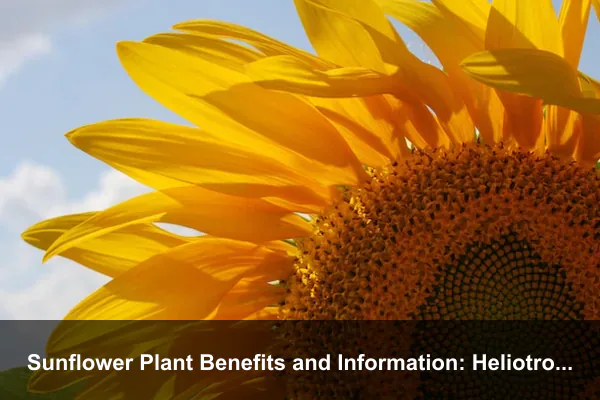
Sunflowers are often loved for their bright yellow petals, but their value goes far beyond a cheerful garden display. A single sunflower plant can teach botany, support seasonal garden planning, provide edible seeds, offer material for natural color projects, and create a strong visual anchor in outdoor spaces. This guide looks at sunflower plant benefits and information from a practical angle: how the plant works, what it gives, and how to use it responsibly at home.
Unlike many ornamental flowers that are grown mainly for appearance, the sunflower is useful at nearly every stage of its life cycle. Young plants show fascinating sun-tracking behavior, mature blooms create structured beauty, seed heads become food, and dried stems and petals can support low-waste garden routines. For anyone interested in Manfaat Tanaman, or the real-life benefits of plants, the sunflower is a clear example of beauty with purpose.
What Makes the Sunflower Plant Unique?
The common sunflower, known botanically as Helianthus annuus, is an annual flowering plant native to North America and now grown widely around the world. Its name comes from the Greek words for sun and flower, which fits both its appearance and its relationship with light. When people search for sunflower plant benefits and information, they often expect care tips, but understanding the plant’s structure makes its benefits easier to appreciate.
A sunflower is a flower head, not one single flower
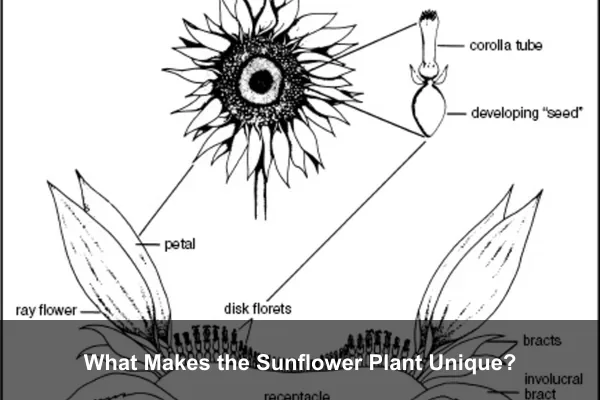
What looks like one large flower is actually a composite flower head. The outer yellow petals are called ray florets, while the central disk contains many tiny disk florets. These disk florets are the part that later develops into seeds when pollination is successful. This structure explains why one sunflower head can produce so many seeds and why the plant is so valuable in gardens, food systems, and wildlife-friendly spaces.
Heliotropism makes young sunflowers especially interesting
Young sunflower buds and leaves often move with the sun from east to west during the day and reorient overnight. This movement is called heliotropism. As the flower matures, many sunflower heads settle facing east, which can help warm the bloom earlier in the morning. This feature makes sunflowers useful as living examples of plant movement, growth hormones, light response, and seasonal rhythm.
Sunflowers come in more forms than the classic tall yellow type
Modern sunflower varieties include dwarf plants for containers, branching types for repeated flowers, giant varieties for dramatic seed heads, pollenless florist types, and dark red, bronze, orange, or pale lemon cultivars. Choosing the right type matters because each one supports a different purpose. A gardener who wants edible seeds should not choose only ornamental pollenless types, while someone growing cut flowers may prefer branching cultivars with strong stems and long vase life.
Main Sunflower Plant Benefits for Home and Garden
Sunflower plant benefits and information should be realistic. Sunflowers are not miracle plants, but they offer several dependable advantages when grown in the right place. Their strongest benefits come from their fast growth, strong visibility, edible seeds, wildlife value, and ability to make outdoor spaces feel more active and seasonal.
Practical garden benefits
- Fast seasonal impact: Many varieties grow quickly from seed, making them satisfying for gardeners who want visible progress.
- Vertical structure: Tall types add height without requiring permanent shrubs or trees.
- Food production: Seed varieties can produce edible kernels for snacks, baking, or bird feeding.
- Natural color: Petals and seed hulls can be explored for simple natural dye and craft projects.
- Wildlife support: Mature heads can feed birds when left in the garden after blooming.
- Learning value: Their large seeds, quick germination, and obvious flower structure make them easy to observe.
Wellness and design benefits
Sunflowers also have a strong emotional and visual presence. Their open faces, warm colors, and upright growth can make a garden feel brighter and more welcoming. This is not the same as claiming medical effects, but visual access to plants and seasonal gardening routines can support relaxation, attention, and outdoor engagement. In a home garden, sunflowers work especially well near vegetable beds, fences, pathways, and sunny sitting areas where their height and color can be enjoyed daily.
Edible and Household Uses: Seeds, Oil, Petals, and Dye
One reason sunflowers remain popular is that they connect ornamental gardening with practical household use. The plant produces large, visible seed heads, and many varieties can be grown for edible seeds or oil-rich kernels. For safe use, always grow sunflowers in clean soil and avoid using flowers treated with pesticides, roadside pollution, or unknown garden chemicals.
Sunflower seeds and kernels
Sunflower seeds are nutrient-dense and contain unsaturated fats, plant protein, vitamin E, magnesium, phosphorus, and selenium. They can be eaten roasted, added to granola, sprinkled over salads, blended into seed butter, or used in bread and crackers. Unsalted seeds are the best everyday choice because salted commercial seeds can add too much sodium. People with seed allergies should avoid them, and anyone with a medical diet should treat sunflower seeds as a calorie-dense food rather than an unlimited snack.
Sunflower oil
Sunflower oil is extracted from oilseed varieties and is widely used in cooking and food production. Home gardeners usually do not press oil unless they have special equipment, but understanding this use helps explain why sunflowers are important beyond ornamental gardens. High-oleic sunflower oil is valued for its monounsaturated fat profile, while other sunflower oils may be used for general cooking. The exact nutrition depends on the cultivar and processing method.
Petals and natural dye projects
Sunflower petals are sometimes used as edible decoration when grown without sprays, though their flavor is mild and slightly bitter. Their better household use may be as a natural color source for small craft projects. Petals can create soft yellow tones, while darker varieties may produce warmer bronze or muted shades. Natural dye results vary by flower color, fabric type, water chemistry, and mordant choice, so they are best approached as creative experiments rather than guaranteed color recipes.
How to Grow Sunflowers for Strong Stems and Healthy Heads
Good sunflower results begin with matching the variety to the space. Giant sunflowers need room, deep soil, and wind protection. Dwarf sunflowers are better for containers and small patios. Branching sunflowers need more horizontal space but reward gardeners with multiple blooms. Most sunflowers prefer direct sowing because their roots do not always enjoy disturbance, although seedlings can be transplanted carefully when young.
Light, soil, and spacing
Sunflowers need full sun, ideally at least six to eight hours of direct light each day. They grow best in well-drained soil with moderate fertility. Very rich nitrogen-heavy soil can create lush leaves and weak stems, while poor compacted soil can limit root growth. Spacing depends on the variety: dwarf types may need only 6 to 12 inches, medium branching types often need 18 to 24 inches, and giant seed-head varieties may need 24 to 36 inches or more.
Watering and feeding
Water young plants consistently while roots establish. Once established, sunflowers usually prefer deep watering rather than frequent shallow watering. This encourages stronger roots and helps the plant stand through warm weather. A balanced compost-rich soil is often enough for ordinary garden sunflowers. If growth is weak, use a moderate balanced fertilizer rather than overfeeding with nitrogen.
Support and wind protection
Tall sunflowers can become top-heavy as seed heads develop. Planting them near a fence, using sturdy stakes, or choosing a sheltered sunny site can prevent broken stems. Avoid tying stems too tightly; use soft ties that allow movement. Wind protection is especially important for giant varieties, because their large heads catch wind like sails when the seeds begin to fill.
Container growing notes
Dwarf sunflowers are the most practical choice for containers. Use a pot with drainage holes, a stable base, and enough depth for roots. A container that dries out too quickly can cause wilting, small blooms, or weak stems. For patios and balconies, choose compact varieties and place the pot where the plant receives strong sunlight without being constantly battered by wind.
Harvest Timing and Storage Without Wasting the Plant
Harvest timing depends on whether the goal is fresh flowers, edible seeds, wildlife feeding, or craft material. This is where sunflower plant benefits and information become especially practical: the same plant can serve different purposes depending on when and how it is harvested.
Harvesting seeds for eating
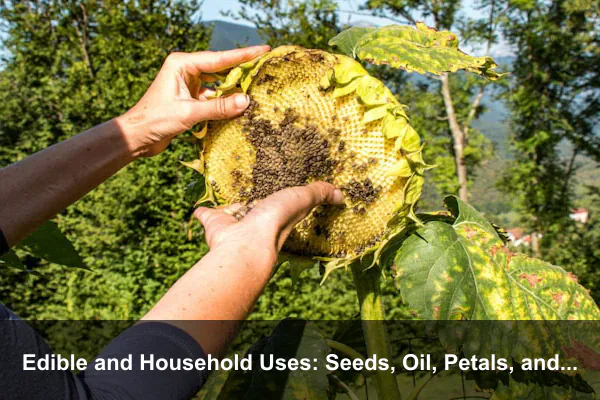
Seed heads are usually ready when the back of the flower head turns yellow to brown, the petals have faded, and the seeds look plump. Birds may begin harvesting before you do, so cover selected heads with breathable mesh or paper bags if you want to save seeds for the kitchen. Cut the head with several inches of stem attached and hang it in a dry, airy place until the seeds loosen easily.
- Choose mature heads with full, firm seeds.
- Cut on a dry day to reduce mold risk.
- Dry the heads in a protected, ventilated area.
- Rub seeds loose by hand once fully dry.
- Remove debris and store dry seeds in an airtight container.
Leaving seed heads for birds
If your main goal is wildlife value, leave some mature heads standing in the garden. Finches and other seed-eating birds often visit dried sunflower heads. This approach reduces waste and keeps the garden active after the main bloom season. If the area becomes messy, cut the heads and hang them from a fence or branch as a natural feeder.
Using petals, stalks, and dried material
Fresh petals can be collected before they brown for dye experiments or decorative use. Dried heads can be used in rustic arrangements, while sturdy stalks may be chopped and composted if they are disease-free. Thick stems break down slowly, so cutting them into smaller pieces helps the compost process. Avoid composting diseased material or plants grown in contaminated soil.
Choosing the Right Sunflower for Your Goal
Not every sunflower is ideal for every purpose. A good choice starts with the outcome you want. This prevents disappointment and helps the plant deliver the right benefit for your space.
Best types by purpose
- For edible seeds: Choose large-headed seed varieties bred for full kernels.
- For containers: Select dwarf or compact cultivars that stay stable in pots.
- For cut flowers: Use branching types or florist varieties with strong stems.
- For natural dye: Experiment with deep yellow, orange, bronze, or red-toned cultivars.
- For dramatic garden height: Grow giant varieties in open soil with support.
- For birds: Pick seed-heavy types and leave some heads to mature fully.
Pollenless versus pollen-producing varieties
Pollenless sunflowers are popular in floral arrangements because they do not drop yellow pollen on tables, clothing, or linens. However, they are not the best option if your main goal is supporting pollinating insects or saving seed from open pollination. Pollen-producing varieties are better for ecological value, while pollenless varieties are useful for clean indoor bouquets. This distinction matters because it helps gardeners match the plant to the intended benefit.
Safety, Allergies, and Realistic Expectations
Sunflowers are generally considered safe garden plants, but safe use still depends on context. Edible seeds should be clean, properly dried, and stored away from moisture. Moldy seeds should be discarded. People with allergies to sunflower seeds or related plants should avoid eating seeds or handling plant material without caution.
Pet and household considerations
Sunflowers are not commonly known as highly toxic ornamental plants, but pets should not be allowed to eat large quantities of seeds, leaves, or stems. Salted sunflower seeds are especially inappropriate for pets because of added sodium and flavorings. If a pet eats a large amount of plant material and shows unusual symptoms, contact a veterinarian.
Do not eat plants from contaminated soil
Sunflowers are sometimes discussed in relation to soil improvement or contaminant uptake. This does not mean a home gardener should eat seeds from plants grown in polluted soil. If sunflowers are used in questionable soil, treat them as non-edible ornamental or remediation plants and dispose of the biomass according to local guidance. Food plants should always be grown in clean, tested, food-safe soil.
Avoid exaggerated health claims
Sunflower seeds can be part of a balanced diet, and sunflower oil can be useful in cooking, but the plant should not be presented as a cure for disease. The most reliable benefits are nutritional, ornamental, educational, and ecological. Keeping claims realistic makes the information more trustworthy and helps readers use the plant wisely.
Simple Seasonal Plan for Growing Sunflowers
A seasonal plan helps gardeners get more value from sunflowers without making the process complicated. Because sunflowers are annuals, timing is important. They grow, bloom, set seed, and finish within one season, so each stage has a purpose.
Early season
After the danger of frost has passed and the soil has warmed, sow seeds directly in a sunny bed. Keep the soil lightly moist until germination. Protect seedlings from slugs, birds, or rough weather if needed. Thin crowded seedlings early so the strongest plants have enough space.
Midseason
Water deeply during dry spells, check for leaning stems, and add support before plants become heavy. Branching varieties may produce side blooms, while single-stem types focus energy into one large head. Watch for aphids or leaf chewing, but avoid unnecessary spraying, especially when flowers are open and beneficial insects are active.
Late season
Decide whether to harvest for seeds, leave heads for birds, or collect petals and dried material. Save a few healthy seeds from open-pollinated varieties if you want to experiment next year, but remember that hybrid varieties may not grow true from saved seed. Clean up diseased leaves and compost only healthy plant material.
Conclusion
Sunflowers are more than bright summer flowers. They are botanical teaching tools, edible seed producers, natural color sources, bird-feeding plants, and powerful seasonal markers in the garden. The most useful sunflower plant benefits and information come from understanding the plant as a complete life cycle, from seedling movement to mature seed head.
For the best results, choose the right variety for your goal, plant in full sun, give roots enough space, harvest at the correct stage, and use only clean, chemical-free plant material for food or crafts. With realistic expectations and thoughtful care, sunflowers can bring beauty, function, and meaningful plant benefits to gardens of many sizes.
