
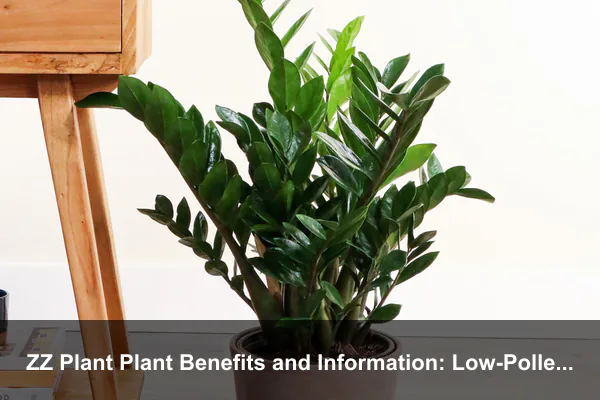
The ZZ Plant, botanically known as Zamioculcas zamiifolia, is often recommended as an easy houseplant, but its value goes beyond simple survival. For renters, shared households, compact apartments, and people who prefer fragrance-free greenery, this plant offers a practical way to enjoy indoor foliage without demanding daily attention.
This guide takes a fresh look at ZZ Plant plant benefits and information through a low-pollen, low-mess, renter-friendly lens. Instead of treating the ZZ Plant as a miracle air purifier or a decoration only, we will focus on realistic benefits, safe use, care habits, placement ideas, and small details that help the plant stay attractive for years.
Why the ZZ Plant Works for Low-Pollen, Low-Fuss Homes
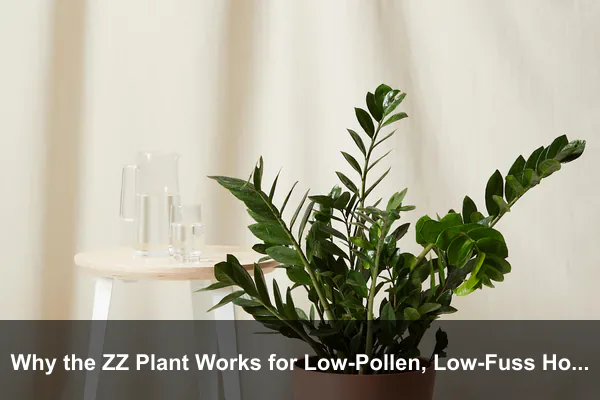
The ZZ Plant is a tropical aroid with thick underground rhizomes that store water. Its upright stems and glossy leaflets give it a polished appearance even when the care routine is simple. This makes it especially useful for indoor spaces where people want a clean, calm plant presence without flowers, loose petals, or frequent leaf drop.
A Quiet Choice for Sensitive Spaces
While no houseplant can be guaranteed allergy-safe for every person, the ZZ Plant is a sensible option for many low-pollen indoor setups. It is grown mainly for foliage, not scented flowers, and it rarely blooms indoors. That means it usually does not add strong fragrance or visible pollen to a room.
Leaves That Are Easy to Keep Clean
The waxy, smooth leaves are one of the plant’s most practical benefits. Dust is easy to see and remove with a damp microfiber cloth. Clean leaves look better, receive light more efficiently, and help the plant maintain its deep green shine. For homes where indoor dust builds up quickly, this easy-clean quality is a real advantage.
Key ZZ Plant Benefits in Everyday Rooms
The best ZZ Plant benefits are simple, realistic, and easy to notice in daily life. It will not replace ventilation, cleaning, sunlight, or medical care, but it can improve how a room feels and functions.
- Visual calm: The symmetrical stems and glossy leaves add order to desks, shelves, corners, and entryways.
- Low watering pressure: Its rhizomes store moisture, so it tolerates missed watering better than many leafy houseplants.
- Compact structure: It grows upright rather than sprawling across the floor, which is helpful in apartments and small rooms.
- Low fragrance: It is a foliage plant, making it useful where strong plant scents are unwanted.
- Long display value: With modest care, one plant can remain attractive for many years.
Where It Fits Best
A ZZ Plant works well beside a reading chair, near an office cabinet, in a bedroom corner with indirect light, or beside an entry console. It also suits rental homes because it does not need climbing supports, hanging hooks, grow lights in most cases, or constant pruning.
A Renter-Friendly ZZ Plant Setup
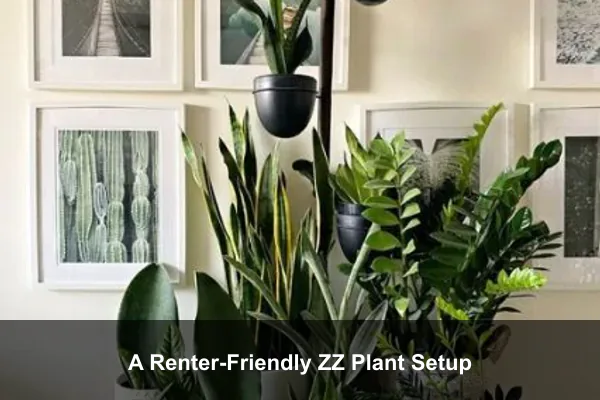
Renters often need plants that look good without damaging floors, walls, shelves, or window areas. The ZZ Plant is useful because it can sit in a decorative pot, tolerate ordinary indoor light, and stay fairly contained as it matures.
Pot and Floor Protection
Choose a nursery pot with drainage holes and place it inside a heavier cachepot or on a waterproof saucer. This protects furniture from water marks and makes it easier to remove the plant for watering. Avoid pots that trap water around the roots, because soggy soil is one of the few problems that can seriously damage a ZZ Plant.
Placement Without Renovation
You do not need a perfect south-facing window. Bright indirect light is ideal, but the plant can adapt to lower light if watering is reduced. Keep it away from heating vents, cold drafts, and high-traffic spots where stems may be bumped or bent.
- Place it within several feet of a window or in a bright room.
- Rotate the pot every few weeks so growth stays balanced.
- Use felt pads or a plant stand under heavy pots to protect floors.
- Keep leaves off walls to prevent dust marks and moisture transfer.
Essential ZZ Plant Care Information
ZZ Plant care is not complicated, but it does reward restraint. Most problems come from too much water, too little drainage, or placing the plant in a dark corner and watering as if it were in bright light.
Light Needs
The ZZ Plant grows best in bright, indirect light. It can tolerate low light, but growth will slow and new stems may be thinner. Avoid harsh direct sun through hot windows, which can scorch leaflets. If a room is very dim all day, move the plant closer to natural light or use it as a short-term display plant and rotate it with a brighter location.
Watering Routine
Let the top half of the potting mix dry before watering. In many indoor homes, that may mean watering every two to four weeks, but the exact timing depends on pot size, light, temperature, and season. Water thoroughly, allow excess to drain, and never let the pot sit in standing water.
Soil and Repotting
A free-draining houseplant mix works well. You can improve drainage by adding perlite, pumice, or orchid bark. Repot only when the plant is root-bound, the pot dries extremely fast, or rhizomes press tightly against the container. A slightly snug pot is usually better than an oversized one because excess soil can stay wet too long.
Feeding and Seasonal Growth
Feed lightly during active growth in spring or summer with a balanced houseplant fertilizer at reduced strength. Skip fertilizer in winter if growth has slowed. The ZZ Plant is not a heavy feeder, so more fertilizer will not force better growth and may stress the roots.
Safety and Realistic Wellness Expectations
ZZ Plant information should always include safety. The plant contains calcium oxalate crystals and should not be eaten by people, cats, dogs, or other pets. Chewing the plant may irritate the mouth, lips, tongue, or stomach. Place it out of reach of curious children and animals, and wash hands after pruning or dividing the plant.
Air Quality Claims in Perspective
The ZZ Plant is sometimes promoted as an air-cleaning plant. Like many houseplants, it can contribute to a more pleasant indoor environment, but a few pots will not replace ventilation, filtration, or regular cleaning. Its strongest wellness value is more practical: it adds visual softness, encourages small care routines, and brings greenery into rooms where delicate plants may fail.
Common Problems and Quick Fixes
The ZZ Plant is resilient, but it still gives signals when conditions are off. Reading those signals early keeps care simple.
- Yellow leaves: Often linked to overwatering or poor drainage. Let the soil dry and check the roots if the pot smells sour.
- Wrinkled stems: Usually a sign the plant has gone too dry for too long. Water thoroughly and adjust the schedule.
- Leaning growth: Rotate the plant and move it closer to brighter indirect light.
- Dusty leaves: Wipe gently with plain water. Avoid heavy leaf-shine products that can leave residue.
- Brown tips: Check for very dry air, inconsistent watering, fertilizer buildup, or contact damage.
How to Choose a ZZ Plant That Lasts
When buying a ZZ Plant, look for firm stems, glossy leaves, and a pot that feels stable rather than soggy. Avoid plants with mushy stems, blackened bases, or a strong wet-soil smell. A few older yellow leaves are not always serious, but widespread yellowing can signal root trouble.
Varieties to Consider
The classic green ZZ Plant is the easiest to find and usually the most affordable. Raven ZZ has dramatic dark foliage that begins green and matures nearly black. Zenzi is more compact, making it useful for shelves and desks. Variegated forms exist, but they may grow more slowly and need brighter indirect light to keep their markings.
Conclusion
The ZZ Plant is one of the most practical indoor plants for people who want long-lasting greenery with a clean look and a forgiving care routine. Its low-pollen presence, glossy easy-clean leaves, upright habit, and drought tolerance make it especially valuable for apartments, offices, bedrooms, and shared spaces.
For the best results, give it bright indirect light when possible, water only after the soil has dried significantly, use a draining potting mix, and keep it away from pets or children who may chew the leaves. With those basics in place, the ZZ Plant offers dependable beauty and everyday plant benefits without turning indoor gardening into another complicated chore.
