
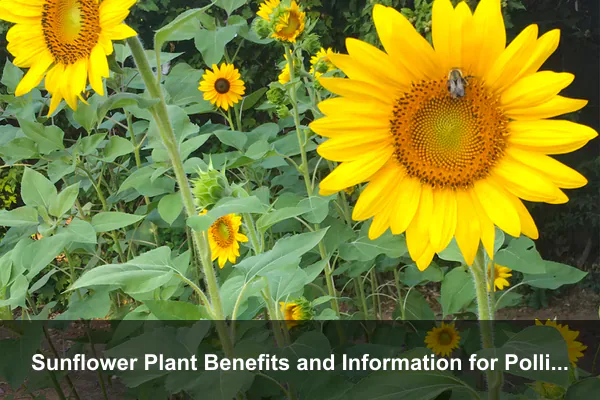
Sunflowers are often admired for their bright yellow petals and tall, cheerful stems, but their value goes far beyond decoration. This guide on Sunflower plant benefits and information takes a fresh angle by looking at sunflowers as practical plants for biodiversity, soil awareness, seasonal garden planning, and everyday outdoor wellness.
Unlike a basic growing guide focused only on seeds or planting steps, this article explores how sunflowers can become part of a healthier garden system. Whether you grow them in a backyard, community garden, school plot, or large container, sunflowers can support pollinators, create structure, attract beneficial wildlife, and teach gardeners how plants interact with light, soil, water, and insects.
Why Sunflowers Deserve a Place in Sustainable Gardens
The sunflower, known botanically as Helianthus annuus, is an annual flowering plant native to North America. Its name comes from the sun-like appearance of its flower head and its strong preference for bright sunlight. Young sunflower buds may turn toward the sun during the day, a movement called heliotropism, while mature flower heads usually settle facing east.
From a practical manfaat tanaman perspective, sunflowers offer several layers of value. They are ornamental, edible in some parts, wildlife-supporting, educational, and useful for seasonal garden design. Their tall stems make them visible markers in the landscape, while their large flower heads provide nectar, pollen, and later seeds for birds and other wildlife.
A Plant With Multiple Garden Roles
Sunflowers can function as more than stand-alone flowers. In a thoughtful garden, they can act as:
- Pollinator stations for bees, butterflies, and other beneficial insects.
- Seasonal screens that add height and temporary privacy.
- Living supports for some lightweight climbing plants when stems are strong enough.
- Wildlife food sources after blooms mature and seeds develop.
- Teaching plants for children learning about plant growth, light, and seed cycles.
Sunflower Benefits for Pollinators and Garden Biodiversity
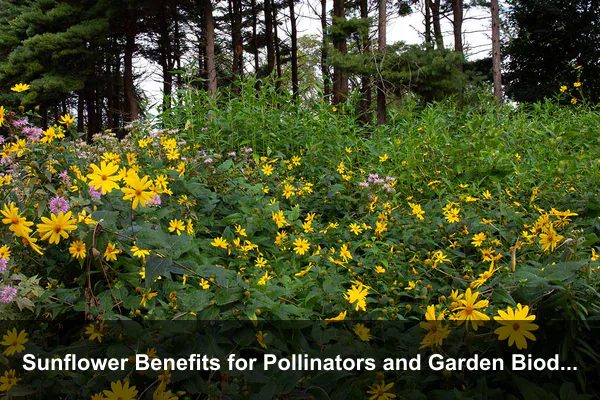
One of the strongest reasons to grow sunflowers is their contribution to pollinator-friendly landscapes. The large central disk of a sunflower is actually made up of many tiny flowers called florets. These florets can provide nectar and pollen, making sunflowers attractive to bees and other insects that help gardens remain productive.
Supporting Bees and Beneficial Insects
Sunflowers can attract native bees, honeybees, hoverflies, and other pollinating insects. In a vegetable or fruit garden, this is valuable because many crops depend on insect movement between flowers. While sunflowers are not a magic solution for pollination, they can help create a more inviting environment for pollinators when planted alongside herbs, vegetables, and flowering companion plants.
For best biodiversity value, avoid using broad-spectrum pesticides near blooming sunflowers. If pest control is needed, choose targeted, low-impact methods and apply them only when pollinators are not active. A healthy sunflower patch should feel alive, with insects moving across the flower heads during warm daylight hours.
Feeding Birds After Flowering
After flowering, mature sunflower heads can become natural bird feeders. Finches, sparrows, and other seed-eating birds may visit the plants when seeds ripen. Some gardeners harvest the heads, while others leave a portion standing so wildlife can feed directly from the garden.
This makes sunflowers useful in gardens designed for ecological balance. Instead of removing every spent flower immediately, leaving some seed heads in place supports a small but meaningful food chain. It also adds rustic seasonal texture to the garden.
Soil, Sunlight, and Microclimate Lessons From Sunflowers
Sunflowers are excellent plants for observing how growing conditions affect plant health. They prefer full sun, decent drainage, and soil that is not constantly waterlogged. Because they grow quickly, they often show signs of stress clearly, making them useful indicators for gardeners learning to read plant signals.
What Sunflowers Reveal About Light
A sunflower grown in weak light may become stretched, thin, and less stable. A sunflower grown with strong, direct sunlight usually forms a sturdier stem and better flowering potential. This makes the plant a practical reminder that flowering plants need enough energy to produce blooms.
In small gardens, sunflowers can also help you understand shadow patterns. Their height may shade shorter plants, which can be helpful or harmful depending on placement. Use taller varieties on the north side of beds in the Northern Hemisphere so they do not block sun from smaller crops.
Soil Awareness and Root Structure
Sunflowers produce strong root systems that help them stand upright and reach for moisture. While they should not be treated as a complete soil repair tool, they can help gardeners notice compaction, drainage issues, and fertility differences. Plants that remain short, yellow, or weak may be responding to poor soil, limited nutrients, or inconsistent watering.
After the growing season, healthy sunflower stems and leaves can be composted if they are free from disease. This returns organic matter to the garden and supports a low-waste growing cycle.
How to Grow Sunflowers for Maximum Practical Benefit
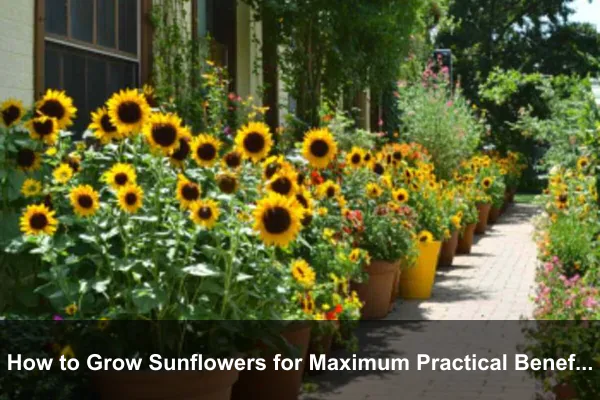
To get the most from sunflowers, grow them with purpose. Instead of placing them randomly, decide whether your main goal is pollinator support, visual impact, wildlife feeding, children’s gardening, or seasonal privacy. That goal will shape variety choice, spacing, and harvest decisions.
Choosing the Right Sunflower Type
Sunflowers come in many forms. Some are tall and dramatic, while others are compact and suitable for containers. Branching varieties may produce many smaller blooms over a longer period, while single-stem varieties often produce one large flower head.
- Dwarf sunflowers are better for patios, balconies, and small spaces.
- Tall sunflowers create strong vertical structure in open beds.
- Branching sunflowers are useful when you want more blooms for pollinators.
- Pollen-rich varieties are better for wildlife gardens than pollenless cut-flower types.
Simple Growing Conditions
Sunflowers grow best with generous sunlight, moderate watering, and enough space for air circulation. Sow seeds in warm soil after frost risk has passed, or start them in biodegradable pots if your season is short. Water young seedlings consistently, then adjust as roots develop.
For containers, choose a deep pot with drainage holes and use a stable location, especially for taller types. Sunflowers can become top-heavy, so wind exposure matters. A simple stake can protect tall plants from bending or snapping during storms.
Smart Ways to Use Sunflowers in Garden Design
Sunflowers bring instant height and a strong seasonal mood to outdoor spaces. Their bold form works well in naturalistic gardens, vegetable beds, cottage gardens, and educational plots. Because they are annuals, they let you experiment without making a permanent landscape commitment.
Creating Living Borders and Seasonal Screens
A row of sunflowers can soften fences, define garden edges, or create a temporary summer screen. This is especially useful where permanent hedges are not practical. Choose consistent spacing and similar varieties if you want a neat visual line, or mix heights for a more relaxed wildlife-garden effect.
Companion Planting With Purpose
Sunflowers can be paired with plants that enjoy nearby pollinator activity. They may look beautiful beside zinnias, cosmos, marigolds, basil, beans, cucumbers, and squash. However, give nearby plants enough room because sunflowers can compete for sunlight, water, and nutrients.
Some gardeners avoid placing sunflowers too close to delicate crops because sunflower residues may affect germination of certain plants. This natural plant interaction is called allelopathy. It does not mean sunflowers are harmful, but it does mean thoughtful spacing and crop rotation are wise.
Everyday Benefits Beyond the Garden Bed
Sunflowers also offer emotional and educational value. Their fast growth makes them satisfying for beginners, while their bold flowers can make outdoor spaces feel brighter and more welcoming. For families, they are excellent plants for teaching patience, observation, and respect for living systems.
Learning Through the Sunflower Life Cycle
Few plants demonstrate the full seed-to-seed cycle as clearly as sunflowers. A gardener can plant a large seed, watch the seedling emerge, observe stem and leaf growth, see the flower open, and later collect or share the mature seeds. This visible life cycle makes sunflowers especially useful in school gardens and beginner gardening projects.
Wellness and Outdoor Connection
Gardening with sunflowers can encourage more time outdoors, gentle movement, and mindful observation. While a sunflower is not a medical treatment, tending plants may support relaxation and a stronger connection with nature. The visual brightness of sunflower blooms also contributes to a positive atmosphere in home landscapes.
Safety, Pets, and Responsible Use
Sunflowers are generally considered non-toxic to humans, dogs, and cats, which makes them a friendly choice for many home gardens. Still, responsible gardening matters. Pets should not be encouraged to chew stems or leaves, and people with seed allergies should be cautious around edible sunflower products.
If you plan to eat sunflower seeds, grow plants without unsafe chemical sprays and harvest only from clean, healthy flower heads. Dry seeds properly before storage to reduce mold risk. For ornamental varieties, check whether the type was bred mainly for flowers, seeds, or wildlife value.
Common Sunflower Problems and Practical Fixes
Sunflowers are beginner-friendly, but they are not problem-free. The most common issues are weak stems, insect damage, fungal spots, birds eating seeds early, and poor flowering. Most problems can be reduced with good spacing, strong sunlight, clean soil practices, and steady watering.
Quick Troubleshooting Guide
- Leggy growth: Move plants to stronger sunlight or avoid planting too densely.
- Drooping leaves: Check soil moisture, heat stress, and root disturbance.
- Broken stems: Stake tall varieties and protect them from strong wind.
- Leaf spots: Improve airflow and avoid wetting leaves late in the day.
- Few pollinator visits: Grow pollen-rich varieties and add more flowering plants nearby.
Conclusion
Sunflowers are much more than bright summer flowers. A complete look at Sunflower plant benefits and information shows that they can support pollinators, feed birds, improve garden structure, teach plant life cycles, and bring seasonal beauty to outdoor spaces. Their benefits are strongest when gardeners grow them with intention rather than treating them as simple decoration.
For a unique and sustainable approach, use sunflowers as part of a larger garden system. Choose the right variety, place plants where they receive full sun, allow some blooms to mature for wildlife, and compost healthy plant material at the end of the season. With thoughtful care, sunflowers become a practical, beautiful, and meaningful plant for healthier home gardens.
