
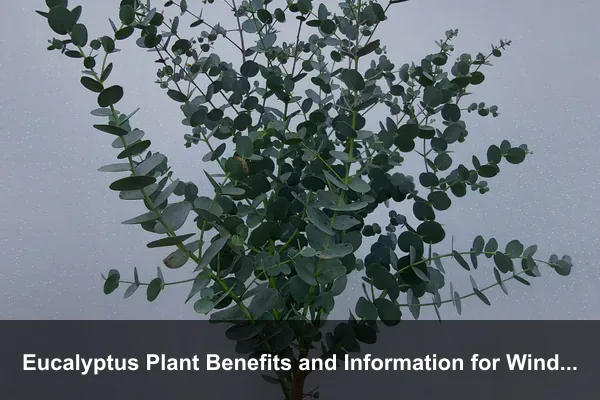
Eucalyptus plant benefits and information are often discussed through fragrance, essential oil, or decorative stems, but this fast-growing evergreen has another practical role: shaping more comfortable outdoor spaces. In the right climate and location, eucalyptus can filter wind, cast light shade, add year-round structure, and bring aromatic foliage into a garden without needing constant pampering.
This guide takes a distinct, landscape-focused angle. Instead of treating eucalyptus mainly as a cut-foliage plant or home aroma source, it explains how to use it responsibly as part of outdoor comfort planning. You will learn what eucalyptus can do well, where it can become a problem, how to choose a suitable type, and how to care for it so the plant remains useful, healthy, and proportionate to your space.
Why Eucalyptus Works for Outdoor Comfort
Eucalyptus is valued in many gardens because it combines speed, height, evergreen leaves, and a strong visual presence. Many species grow upright with narrow, hanging, or rounded foliage that moves easily in the wind. This makes eucalyptus useful where a garden needs a living screen, a soft wind filter, or a vertical accent that does not disappear in winter.
Evergreen Structure Through the Year
Unlike deciduous shade trees that lose their leaves for part of the year, most eucalyptus species keep foliage year-round. This makes them helpful along exposed boundaries, open patios, farm edges, or large residential gardens where seasonal gaps reduce comfort. A well-placed eucalyptus can make an outdoor area feel more settled without relying only on fences, walls, or built structures.
Aromatic Foliage Without Overusing Scent
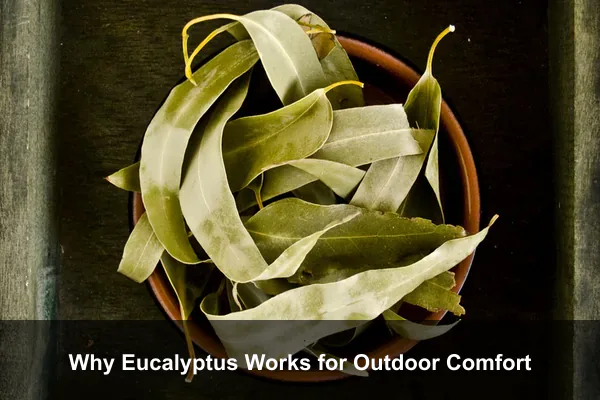
The leaves contain aromatic compounds, but the scent is usually most noticeable when foliage is brushed, warmed by the sun, or lightly crushed. For outdoor spaces, this means eucalyptus can add a clean sensory layer without overwhelming the whole garden. The benefit is best understood as atmosphere and plant character, not as a medical treatment.
Main Eucalyptus Benefits for Garden Planning
When people search for eucalyptus plant benefits and information, they often want clear, practical uses. In landscape design, the most useful benefits are physical: shelter, shade, texture, privacy, and habitat value. These benefits depend heavily on species choice and planting location.
Wind Filtering
A row of eucalyptus can slow strong wind when planted with enough spacing for air to move through the foliage. The goal is not to create a solid wall, which can cause turbulence, but to soften wind before it reaches seating areas, vegetable beds, or young ornamental plants.
Light Shade and Heat Relief
Eucalyptus can provide dappled shade that helps make patios, paths, and garden edges more pleasant in hot weather. Because many types have open canopies, they may reduce glare and heat while still allowing filtered light below.
Useful Design Benefits
- Vertical interest: Upright trunks and tall foliage add height quickly.
- Privacy: Evergreen leaves can reduce views from roads or neighboring areas.
- Texture contrast: Blue-green, silver, or narrow leaves pair well with grasses, herbs, and shrubs.
- Low-flower landscaping: Eucalyptus offers beauty through foliage rather than heavy seasonal blooming.
- Outdoor atmosphere: Moving leaves and clean scent can make a garden feel calmer and more intentional.
Choosing the Right Eucalyptus for Your Space
The biggest mistake with eucalyptus is choosing a plant only because the juvenile leaves look attractive in a nursery pot. Many eucalyptus trees become very large. A variety that looks delicate at first can outgrow a small yard, lift nearby paving, or compete with other plants if it is not suited to the site.
Match Mature Size to the Garden
Before buying, check the mature height and spread for the exact species or cultivar. Some eucalyptus types are better for large landscapes, shelterbelts, and open rural properties. Others can be managed as smaller garden trees through pruning, coppicing, or container culture, although this still requires consistent attention.
Consider Climate and Local Rules
Eucalyptus grows best in mild to warm climates with good sun and free-draining soil. In colder areas, frost tolerance matters. In dry or fire-prone regions, local guidance matters even more. Some regions also monitor eucalyptus because certain species may spread beyond gardens or change local plant communities. Responsible gardeners should choose non-invasive options recommended for their area.
Placement Matters More Than Popularity
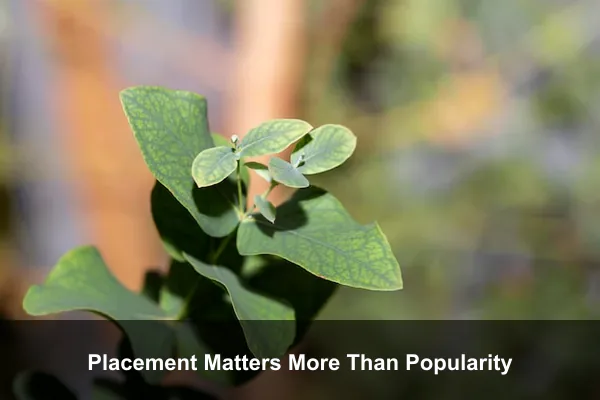
Good placement is the difference between a useful eucalyptus and a future problem. Because eucalyptus can grow quickly and develop strong root systems, it should not be squeezed into narrow foundation beds, tiny courtyards, or spaces beside pipes and paving unless the chosen form is genuinely appropriate.
Give Roots and Canopy Enough Room
Plant eucalyptus away from building foundations, septic lines, drains, walls, and overhead wires. The exact distance depends on the species and expected mature size, but the principle is simple: large trees need large space. If the available area is small, choose a compact form, grow in a large container, or select a different plant.
Think About Neighboring Plants
Eucalyptus can compete for water and nutrients, especially once established. Underplanting may be easier with tough, drought-tolerant species rather than delicate annuals. Mulched open soil around the base is often more realistic than trying to force a lush, thirsty planting scheme beneath a mature tree.
Care Guide for Strong, Manageable Growth
Once established, eucalyptus is often tougher than many ornamental plants, but young trees still need good early care. The first two years are especially important because watering, staking, and pruning decisions influence the long-term shape and stability of the plant.
Watering and Soil
Young eucalyptus plants need regular watering while roots establish. After that, many species prefer deep, occasional watering rather than constantly wet soil. Good drainage is essential. Heavy, waterlogged soil can stress roots, slow growth, and increase disease risk.
Pruning for Size and Shape
Prune lightly and regularly if you want a manageable form. Removing awkward, crossing, or damaged growth early is better than waiting until the tree becomes too large. Some gardeners coppice selected eucalyptus species to maintain juvenile foliage and smaller size, but this should be done only with species that respond well to the method.
Basic Care Checklist
- Plant in full sun where the tree has room to mature.
- Water deeply during establishment, then reduce frequency as appropriate.
- Use mulch to protect soil moisture, keeping it away from the trunk.
- Prune young trees for structure before major problems develop.
- Remove dry debris where fire safety or tidiness is a concern.
Wildlife and Pollinator Value
Eucalyptus can support wildlife in some regions, especially when it flowers and produces nectar. Bees, birds, and other nectar-feeding animals may visit the blossoms. The bark and canopy can also create perching or shelter opportunities in larger landscapes.
However, the wildlife value of eucalyptus depends on location. In its native range, it connects with many specialized species. Outside that range, it may still feed pollinators, but it should not replace diverse local planting. For the healthiest garden ecosystem, use eucalyptus as one part of a mixed planting plan that includes native trees, shrubs, grasses, and flowering plants.
Safe, Practical Uses of Eucalyptus Leaves
Eucalyptus leaves are useful for low-risk household and garden purposes when handled sensibly. Fresh or dried foliage can be used in wreaths, garden arrangements, outdoor bundles, and seasonal displays. Leaves can also bring texture to floral work because many types dry attractively.
Safety is important. Eucalyptus essential oil is highly concentrated and should not be swallowed, used undiluted on skin, or treated as a casual remedy. Keep oils and large amounts of fresh foliage away from children and pets. If you use eucalyptus for scent, keep it simple and decorative, and avoid making health claims that go beyond reliable guidance.
When Eucalyptus Is Not the Best Choice
Eucalyptus is not suitable for every garden. It may be the wrong plant if your space is very small, shaded, poorly drained, close to underground utilities, or located in an area where eucalyptus is invasive or discouraged. It can also be a concern where dry leaf litter, peeling bark, and strong winds create fire-management challenges.
In those cases, the better decision is not to force the plant into the wrong role. Consider smaller evergreen shrubs, native windbreak species, bay laurel, tea tree, pittosporum, wax myrtle, or other regionally appropriate plants. A good garden choice is not just beautiful; it fits the site for many years.
Conclusion
Eucalyptus plant benefits and information become more useful when viewed through the lens of responsible outdoor design. The plant can offer wind filtering, light shade, evergreen structure, aromatic foliage, privacy, and pollinator interest, but only when the species, climate, and placement are right.
For gardeners who have enough space and suitable conditions, eucalyptus can be a striking and practical landscape plant. Choose carefully, plant with future size in mind, manage early growth, and use the leaves responsibly. With that approach, eucalyptus becomes more than a trendy fragrant plant; it becomes a functional part of a comfortable, living garden.
