
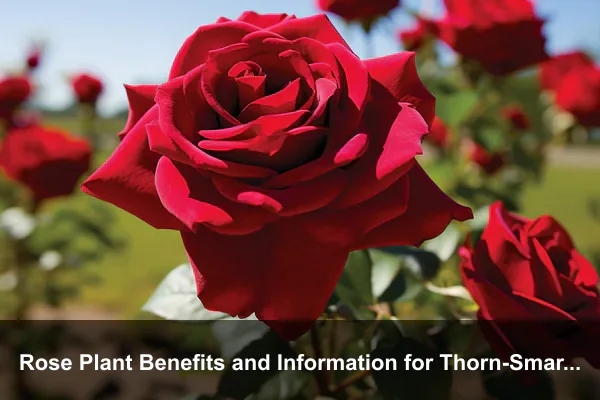
Rose plant benefits and information often focus on beauty, fragrance, and romantic symbolism, but roses also deserve attention as practical garden plants that can shape safer, more organized, and more usable outdoor spaces. With the right placement, pruning rhythm, and variety choice, a rose plant can add color, seasonal interest, pollinator value, and structure without turning the garden into a difficult or scratchy place to maintain.
This guide takes a distinct, thorn-smart angle. Instead of treating roses only as cut flowers, edible petals, privacy shrubs, or heritage collectibles, it explains how to use rose plants in accessible home gardens, family yards, pathways, patios, and shared outdoor areas. The goal is to enjoy the benefits of roses while reducing common problems such as thorn contact, tight walkways, overgrown canes, poor air movement, and awkward maintenance.
What Makes the Rose Plant Useful in a Home Garden?
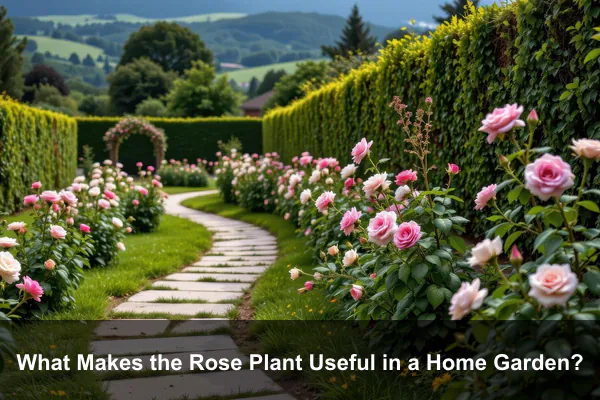
The rose plant belongs mainly to the genus Rosa, a large group of flowering shrubs, climbers, ramblers, and compact landscape plants. Roses are valued because they combine ornamental beauty with real garden function. They can soften hard edges, mark transitions between outdoor zones, attract beneficial insects, and create a sense of care and permanence in a landscape.
From a plant benefits perspective, roses offer several advantages when they are managed thoughtfully:
- Visual beauty: flowers bring strong seasonal color and can make small gardens feel more intentional.
- Outdoor routine: regular checks for watering, pruning, and spent blooms help gardeners build steady observation habits.
- Pollinator support: simple or semi-double rose flowers can provide easier access to pollen than very full blooms.
- Garden structure: shrub and groundcover roses can define edges without needing heavy construction.
- Emotional value: roses often carry personal meaning, making them useful in memory gardens, family yards, and welcoming entrances.
Why Thorn Awareness Matters
Many rose plants have prickles, commonly called thorns. These can protect the plant, but they can also catch clothing, scratch skin, or make narrow paths uncomfortable. Thorn-smart design does not mean avoiding roses completely. It means choosing the right type, giving each plant enough space, and placing roses where people can admire them without brushing against the stems.
Best Rose Types for Accessible and Low-Stress Spaces
Not every rose fits every garden. A climbing rose on a narrow arch, for example, may look beautiful at first but become difficult to prune if it grows over a walkway. For accessible garden design, choose roses based on mature size, cane stiffness, disease resistance, and maintenance height.
Compact Landscape Roses
Compact landscape roses are often a practical choice for front beds, patio edges, and small yards. They usually stay lower than large shrub roses and can be easier to prune from a standing position. Their repeated blooming also gives long-term color without requiring complex care.
Shrub Roses with Open Growth
Shrub roses with an open, balanced form are easier to inspect for pests, dead wood, and airflow problems. They are useful when you want a rose plant that feels natural rather than formal. Leave enough room around the plant so canes do not lean into paths or seating areas.
Nearly Thornless Roses
Some rose varieties are marketed as thornless or nearly thornless. These are not always completely smooth, but they can be better near gates, children’s garden areas, and high-traffic paths. Always check the mature habit before buying, because a low-thorn rose that grows too large can still become inconvenient.
Where to Place Rose Plants for Safety and Comfort
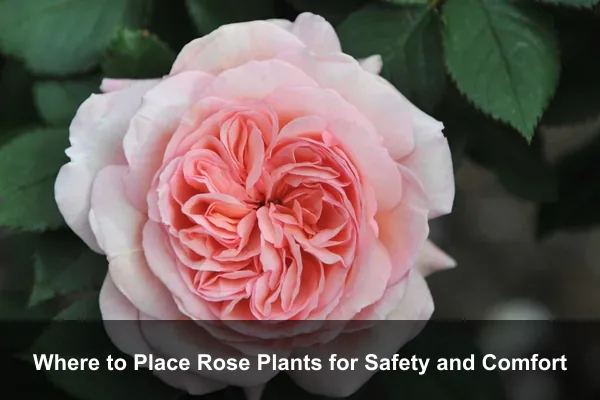
Good placement is one of the most overlooked parts of rose plant care. Roses need sun, airflow, and access for maintenance. They should also be located where people can move comfortably around them.
Use these placement principles:
- Keep roses away from tight corners. Corners trap canes and make pruning awkward.
- Leave walking clearance. Allow extra space beside paths so stems do not reach into the route.
- Avoid planting prickly roses beside seating. Use them as visual anchors rather than arm-level barriers.
- Place fragrant roses where people pause. A bench nearby can work, but keep the plant far enough away to prevent contact.
- Group roses by care needs. Similar watering and pruning needs make maintenance simpler.
Pathways and Entrances
At entrances, roses can create a welcoming impression, but they should not crowd steps, handles, ramps, or narrow walkways. Choose compact roses and prune outward-growing canes before they become a problem. For ramps or mobility-friendly paths, low-growing companion plants may be safer directly beside the walkway, with roses set farther back.
Patios and Outdoor Rooms
On patios, roses work best as background color or as a defined border beyond the main movement zone. If containers are used, choose stable pots with enough width to resist tipping. Avoid placing thorny stems where people carry food, tools, or laundry baskets.
Rose Plant Care Information for Easier Maintenance
Healthy roses are easier to manage than stressed roses. A weak plant often produces messy growth, fewer blooms, and more disease problems. Basic care should focus on light, soil, water, pruning, and airflow.
Light Needs
Most roses prefer at least six hours of direct sun per day. Morning sun is especially useful because it helps dry leaves, reducing the conditions that encourage fungal issues. In very hot climates, light afternoon shade can protect blooms from scorching.
Soil and Water
Rose plants grow best in well-drained soil enriched with organic matter. The soil should hold moisture without staying soggy. Water deeply at the base of the plant instead of spraying leaves. This supports stronger roots and helps keep foliage drier.
Pruning for Access
Pruning is not only about bloom production. It is also about keeping the garden usable. Remove dead, crossing, or inward-growing canes. Shorten stems that point into paths, gates, or work areas. Wear thick gloves and use sharp pruners so each cut is clean and controlled.
Benefits of Roses Beyond Decoration
Roses are ornamental plants, but their benefits go beyond appearance. A well-placed rose plant can improve how a garden feels, functions, and teaches.
- Wayfinding: a rose bed can mark an entrance, corner, or transition between garden zones.
- Seasonal awareness: bud formation, flowering, leaf drop, and pruning time help gardeners notice seasonal change.
- Skill building: roses teach observation, careful pruning, soil improvement, and pest monitoring.
- Low-waste beauty: living flowers reduce the need for frequent purchased floral decor.
- Community appeal: roses can make shared yards, school gardens, and neighborhood beds feel cared for.
Pollinator-Friendly Rose Choices
For pollinators, choose roses with visible centers instead of only very dense, many-petaled flowers. Bees and other insects can access simpler blooms more easily. Avoid routine pesticide use, especially when plants are flowering. If pest control is needed, start with hand removal, pruning, water sprays, or targeted low-impact methods.
Common Mistakes to Avoid With Rose Plants
Many rose problems come from planting first and planning later. Before buying a rose plant, imagine its mature width, height, and care access. A rose that looks small at the nursery may need much more room after two or three growing seasons.
Avoid these common mistakes:
- Planting large roses beside narrow paths.
- Choosing highly thorny climbers for areas that need frequent access.
- Watering leaves late in the day.
- Planting roses too close together, which reduces airflow.
- Ignoring the mature size listed on the plant label.
- Letting old canes build up until pruning becomes difficult.
How to Build a Thorn-Smart Rose Routine
A simple care routine keeps rose plants attractive and manageable. Once a week during active growth, walk around the plant and look for canes reaching into paths, yellowing leaves, dry soil, damaged stems, or spent blooms. Small corrections are easier than major rescue pruning.
Use a seasonal rhythm: feed and mulch in the growing season, prune according to rose type and local climate, water deeply during dry periods, and clean fallen diseased leaves from the ground. In colder regions, winter protection may be needed. In warm climates, roses may need more attention to heat stress and irrigation.
Tools That Make Rose Care Safer
Good tools reduce frustration. Use long-cuff gloves, bypass pruners, a small pruning saw for old canes, and a sturdy bucket for thorny cuttings. Keep paths clear while pruning so removed canes do not become a tripping or scratching hazard.
Conclusion
Rose plant benefits and information should include more than flower color, fragrance, and bloom count. Roses can be practical, meaningful, and garden-enhancing plants when they are selected and placed with real human movement in mind. A thorn-smart rose garden protects comfort while still offering beauty, seasonal interest, pollinator value, and daily connection with living plants.
For the best results, choose roses that match your space, avoid crowding walkways, maintain airflow, prune for both health and access, and consider nearly thornless or compact varieties where people pass frequently. With thoughtful design, the rose plant becomes not just a beautiful flowering plant, but a useful part of a safer and more enjoyable garden.
