
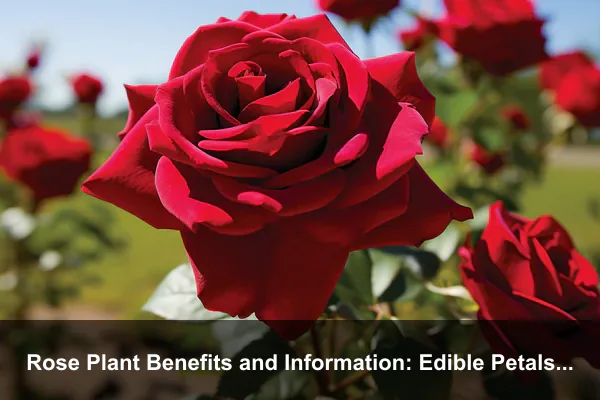
Rose plant benefits and information often begin with beauty, fragrance, and romantic symbolism, but the rose is also a practical plant for people who want a more useful garden. Beyond the famous blooms, many roses offer edible petals, vitamin-rich hips, pollinator interest, natural craft materials, and daily sensory value. When grown with clean methods, roses can become part of a thoughtful home routine instead of being treated only as decorative flowers.
This guide takes a unique angle by focusing on the rose as a low-waste, harvest-friendly plant. You will learn how rose petals and rose hips can be used safely, which parts of the plant matter most, how to grow roses for cleaner harvests, and what mistakes to avoid. The goal is not to turn roses into a miracle cure, but to show their realistic benefits as ornamental, edible, ecological, and household plants.
Why Roses Are More Than Ornamental Flowers
Roses belong mainly to the Rosa genus, a large group of flowering shrubs that includes wild species, old garden roses, modern hybrids, climbers, ramblers, and compact patio roses. Their value comes from the combination of attractive flowers, layered fragrance, resilient woody growth, and harvestable plant parts. This makes the rose plant useful in home gardens, edible landscapes, cottage-style borders, family learning gardens, and small outdoor spaces.
One reason roses remain popular is their ability to serve several purposes at once. A single healthy shrub can bring seasonal color, support beneficial insects when flowers are accessible, provide petals for kitchen or craft use, and later produce hips if the flowers are not deadheaded. This gives roses a place in the broader idea of Manfaat Tanaman, or plant benefits, where a plant is valued not only for appearance but also for comfort, learning, household usefulness, and environmental contribution.
For SEO readers searching for rose plant benefits and information, it is important to separate realistic benefits from exaggerated claims. Roses can improve garden enjoyment, encourage outdoor routines, add fragrance, provide safe edible parts when properly grown, and contribute to biodiversity in suitable planting designs. However, roses should not be promoted as a substitute for medical treatment, and not every rose from a shop or bouquet is safe to eat.
Key Benefits at a Glance
- Visual beauty: Roses provide strong seasonal color and classic garden structure.
- Fragrance value: Many varieties produce scents ranging from citrus and spice to tea and honey.
- Edible potential: Clean, pesticide-free petals and hips can be used in food and drinks.
- Pollinator interest: Simple and semi-double flowers can offer easier access to pollen.
- Low-waste use: Petals, hips, prunings, and spent blooms can be managed thoughtfully.
- Learning value: Roses teach observation skills through buds, thorns, leaves, flowers, hips, and seasonal cycles.
Edible Rose Petals: Benefits, Flavor, and Safe Harvesting
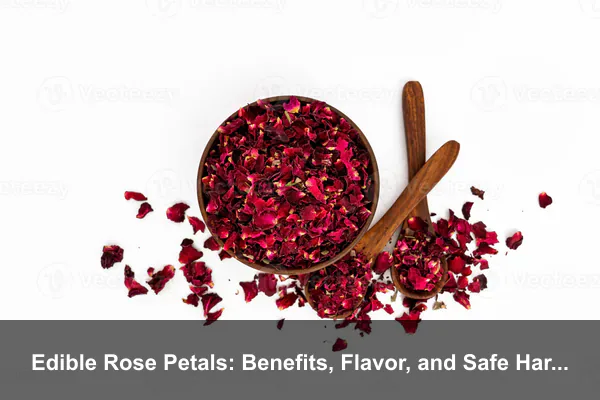
Rose petals are one of the most overlooked useful parts of the plant. Their flavor can be delicate, floral, fruity, spicy, or lightly sweet depending on variety, growing conditions, and harvest time. Some roses have beautiful blooms but little flavor, while others have smaller flowers with stronger aroma. If your purpose is edible petals, fragrance is often a useful clue because scent and flavor are closely connected.
The most important rule is simple: only eat rose petals from plants you know have been grown without unsafe pesticides, fungicides, roadside pollution, or florist chemicals. Roses sold as cut flowers are usually not grown for food use. Homegrown petals are safer when you control the growing method, avoid systemic chemicals, and wash them gently before use.
What Rose Petals Offer
Rose petals are valued for their aroma, color, and culinary elegance rather than for large amounts of nutrition. They contain natural plant compounds such as flavonoids, anthocyanins in darker petals, and aromatic oils. These compounds help create the sensory experience people associate with roses. In practical terms, petals can make simple food feel special without adding heavy sweetness, salt, or artificial fragrance.
In a home setting, edible rose petals can be used to support mindful eating, natural decoration, and low-waste flower use. For example, petals from a fading but still clean bloom can be dried for tea blends, infused into syrup, folded into sugar, or scattered over salads. This helps gardeners appreciate the full life of the flower instead of discarding blooms as soon as they pass their peak display.
How to Harvest Petals Properly
- Harvest in the morning after dew has dried but before harsh afternoon heat.
- Choose freshly opened flowers with strong scent and clean petals.
- Avoid petals with mildew, insect damage, chemical residue, or dust.
- Remove the pale or white base of each petal if it tastes bitter.
- Rinse lightly in cool water and dry on a clean towel.
- Use immediately or dry in a shaded, airy place for later use.
Do not strip every flower from the plant if you also want rose hips. Petals are harvested from open flowers, while hips form after pollination when the flower is allowed to mature. A balanced approach is to harvest some blooms for petals, leave some blooms for pollinators, and allow selected flowers to develop hips later in the season.
Rose Hips: Small Fruits With Practical Garden Value
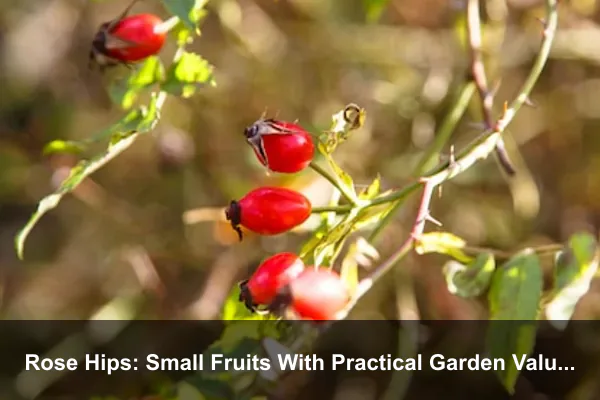
Rose hips are the small fruit-like structures that form after a rose flower is pollinated. They may be red, orange, purple, or dark brown depending on species and variety. Many gardeners remove spent flowers to encourage repeat blooming, but if you leave some flowers on the plant, the rose may produce hips that add autumn color and practical value.
Rose hips are one of the strongest reasons to grow roses with a useful-plant mindset. They are commonly known for vitamin C content, although the amount varies greatly by rose species, ripeness, weather, and preparation method. Heat and long storage can reduce some nutrients, so rose hips should be appreciated as a seasonal botanical ingredient rather than treated as a guaranteed supplement.
Best Uses for Rose Hips
- Herbal tea: Dried rose hips can add tartness and color to caffeine-free blends.
- Syrup: Cooked rose hip syrup can be used in small amounts for flavor.
- Jam or jelly: Rose hips naturally suit preserves because of their tangy taste.
- Garden color: Bright hips add visual interest after flowering ends.
- Wildlife value: In some gardens, hips can provide seasonal food for birds and other wildlife.
When preparing rose hips, remove the seeds and fine irritating hairs inside before eating. These hairs can be unpleasant to the mouth and digestive tract. For tea, many people dry the cleaned outer shells, then steep them. If you are new to rose hip preparation, start with small batches and learn the texture before processing a large harvest.
Which Roses Produce Good Hips?
Not all roses are equally useful for hips. Some modern roses are bred mainly for repeat flowers and may produce few hips, especially if the blooms are heavily double or sterile. Species roses and many old-fashioned shrub roses tend to form hips more reliably. Rosa rugosa is especially well known for large hips, but it can be invasive in some regions, so gardeners should check local guidance before planting it.
For a home garden, choose roses that match your climate, available space, and maintenance style. If you want both flowers and hips, look for varieties described as good for hips, wildlife gardens, edible landscapes, or naturalistic planting. If your area has high disease pressure, disease-resistant varieties can reduce the need for chemical sprays and make edible use more practical.
How to Grow Roses for Clean, Useful Harvests
Growing roses for edible petals and hips is different from growing roses only for flawless display. A harvest-focused rose garden should prioritize plant health, airflow, clean soil, safe pest management, and variety selection. The fewer harsh inputs you need, the more confidently you can use petals and hips at home.
Choose the Right Location
Most roses grow best with at least six hours of direct sun per day. Morning sun is especially helpful because it dries moisture from leaves and reduces fungal problems. Good airflow matters, but roses should not be placed in a harsh wind tunnel where stems dry out and flowers bruise quickly. In hot climates, some afternoon shade can protect petals from scorching.
Avoid planting edible roses directly beside busy roads, treated lawns, contaminated soil, or areas exposed to chemical drift. Roses grown for petals and hips should be placed where you can control watering, mulching, and pest management. If your soil quality is uncertain, use raised beds or large containers filled with safe, high-quality growing medium.
Build Healthy Soil
Roses prefer fertile, well-drained soil with steady moisture and organic matter. Heavy clay can cause drainage issues, while very sandy soil may dry too quickly. Compost, leaf mold, and aged organic matter can improve structure over time. A mulch layer helps conserve moisture, reduce weeds, and prevent soil from splashing onto leaves during rain.
For low-waste gardening, use homemade compost only if it is fully matured and free from herbicide-contaminated materials. Grass clippings from chemically treated lawns should not be used around edible roses. Clean mulch, balanced feeding, and regular observation are often more useful than frequent heavy fertilizing.
Water With Purpose
Consistent watering helps roses produce better flowers and healthier hips. Water deeply at the base of the plant rather than spraying leaves from above. Wet foliage can encourage fungal disease, especially in humid climates. The goal is steady soil moisture without waterlogging the roots.
Container roses need closer attention because pots dry faster than garden beds. Use containers with drainage holes, avoid saucers filled with standing water, and refresh potting mix when it becomes compacted. If the rose is grown for edible use, choose food-safe containers and avoid materials that may leach questionable substances into the soil.
Practical Ways to Use Roses at Home
The most valuable rose plant benefits often come from small, repeatable uses. Instead of saving roses only for special occasions, you can incorporate clean petals, dried blooms, and hips into everyday routines. This approach respects the plant as both ornamental and useful.
Kitchen Uses for Clean Rose Petals
- Add a few fresh petals to fruit salads for color and aroma.
- Dry petals for mild floral tea blends.
- Blend dried petals with sugar for baking and drink rims.
- Infuse petals into honey or syrup for desserts and beverages.
- Use petals as natural decoration on cakes, puddings, or cold drinks.
Use rose flavor lightly. Too many petals can taste soapy or perfumed, especially if the variety is intensely scented. Pair rose with lemon, berries, vanilla, cardamom, mint, or black tea for balanced flavor. Always introduce edible flowers gradually, particularly when serving guests who may have allergies or sensitivities.
Home and Craft Uses
Dried rose petals can be used in sachets, handmade paper, natural potpourri, bath soaks, and decorative jars. These uses are especially helpful when flowers are no longer perfect for display but still clean and fragrant. A low-waste rose routine may include fresh display first, petal drying second, and composting the remaining plant material last.
Rose prunings can also become useful in the garden. Small disease-free stems can be chipped or composted carefully, though thorny material should be handled with gloves. Diseased leaves should usually be removed from the garden rather than composted in a cool home pile, because some pathogens can survive and reinfect plants.
Simple Rose Water Note
Rose water is traditionally made by distilling or gently infusing fragrant petals. Home infusions can be pleasant for scent and culinary use, but they spoil quickly unless properly preserved. Store homemade rose infusions in the refrigerator and use them promptly. Do not use homemade rose preparations in the eyes, on wounds, or as medical products.
Safety, Sustainability, and Common Mistakes
Roses are useful, but responsible use matters. The same flower that looks beautiful in a vase may not be safe for food. The same fragrant petal that works in tea may irritate a sensitive person. A realistic guide to rose plant benefits and information should include safety limits as clearly as benefits.
Do Not Eat Florist Roses
Florist roses and many supermarket bouquets are grown for appearance, shipping strength, and vase life, not edible use. They may have been treated with chemicals that are not suitable for food. Even if the petals look clean, they should be considered decorative only unless they are clearly labeled as food-safe.
Be Careful With Allergies and Sensitivities
Some people react to floral ingredients, pollen, fragrances, or plant compounds. If using rose petals or hips for the first time, start with a small amount. Pregnant people, young children, people with medical conditions, and anyone taking medications should be cautious with concentrated herbal preparations and seek professional guidance when needed.
Avoid Overharvesting
A plant cannot support every possible benefit at once if it is stripped too heavily. If you remove all petals, pollinators lose access. If you deadhead every flower, hips will not form. If you leave every spent bloom, repeat-flowering roses may bloom less. The best strategy is selective harvesting based on your goal for each part of the season.
Use Low-Chemical Care
For edible use, prevention is better than rescue spraying. Choose disease-resistant roses, provide sun and airflow, water at soil level, remove diseased leaves, and keep the area clean. If a pest problem appears, identify it before treating. Many insects on roses are temporary or can be managed with hand removal, water sprays, pruning, or targeted low-impact methods.
Quick Rose Plant Information for Gardeners
Understanding basic rose plant information helps gardeners make better decisions. Roses are not all the same. Some are compact and suitable for containers, while others become large shrubs or climbers. Some bloom once with remarkable fragrance, while others repeat through the season with less scent. Some are bred for exhibition flowers, while others are better for hips, wildlife, or edible landscapes.
Basic Rose Facts
- Botanical group: Mainly plants in the Rosa genus.
- Plant type: Woody flowering shrub, climber, or groundcover depending on variety.
- Light needs: Usually full sun, with some climate-based flexibility.
- Soil needs: Fertile, well-drained soil with organic matter.
- Useful parts: Petals, hips, fragrance, flowers, leaves for observation, and prunings for compost when healthy.
- Main caution: Edible use requires clean, pesticide-free, correctly handled plant material.
Good Rose Types for a Useful Garden
For edible petals, choose fragrant varieties grown without unsafe sprays. For hips, consider species roses or shrub roses known for fruit production. For small gardens, compact shrub roses or patio roses may be easier to manage. For naturalistic gardens, simple-flowered roses can be better for pollinator access than densely packed double blooms.
Before buying, read local nursery notes and regional growing advice. A rose that thrives in a dry, mild climate may struggle in a humid area with high disease pressure. A rose that produces impressive hips may grow too large for a narrow path. Good plant selection reduces maintenance and makes the benefits easier to enjoy.
How Roses Support a Low-Waste Garden Routine
A low-waste rose routine starts with intention. Instead of buying cut roses that last a few days and then disappear into the trash, a living rose plant can produce value across seasons. Buds become flowers, flowers become petals or pollinator resources, selected blooms become hips, healthy trimmings return to the soil system, and the gardener gains repeated observation skills.
This does not mean every garden must become perfectly self-sufficient. It means roses can help people pay attention to cycles. You can dry petals during peak bloom, leave later flowers for hips, collect fallen petals before they rot on paving, and compost healthy plant waste. These small habits turn ornamental gardening into a more resource-conscious practice.
Seasonal Rose Routine
- Spring: Feed lightly, mulch, prune as needed, and monitor new growth.
- Early bloom: Harvest clean petals from fragrant flowers for fresh use or drying.
- Midseason: Deadhead some blooms for repeat flowering and leave others for insects.
- Late season: Allow selected flowers to form hips.
- Autumn: Harvest ripe hips where appropriate or leave some for wildlife and winter color.
- Winter: Review plant health, sharpen tools, and plan variety changes if needed.
Conclusion
Rose plant benefits and information become much richer when roses are seen as useful living plants, not just beautiful flowers. A well-grown rose can provide fragrance, edible petals, colorful hips, garden learning, craft materials, and seasonal joy. The most valuable benefits come from clean growing, careful harvesting, and realistic expectations.
If you want roses for home use, start with one healthy, well-suited variety and learn its rhythm. Notice when it smells strongest, how its petals taste, whether it forms hips, and how it responds to your climate. With thoughtful care, roses can become part of a low-waste garden that is beautiful, practical, and deeply connected to everyday life.
