

Snake plant is one of the most reliable houseplants for people who want greenery without a complicated care routine. Known botanically as Dracaena trifasciata and still commonly called Sansevieria, this upright plant has firm, sword-shaped leaves that store water, tolerate missed care, and bring strong architectural form to indoor spaces.
This guide takes a fresh seasonal angle on Snake Plant plant benefits and information. Instead of repeating only the usual claims about air quality or easy care, it explains how snake plant responds to changing indoor light, temperature, watering habits, and room conditions throughout the year. Understanding those seasonal patterns helps you keep the plant attractive, healthy, and useful as a low-maintenance part of your home.
What Makes Snake Plant Different From Many Houseplants?
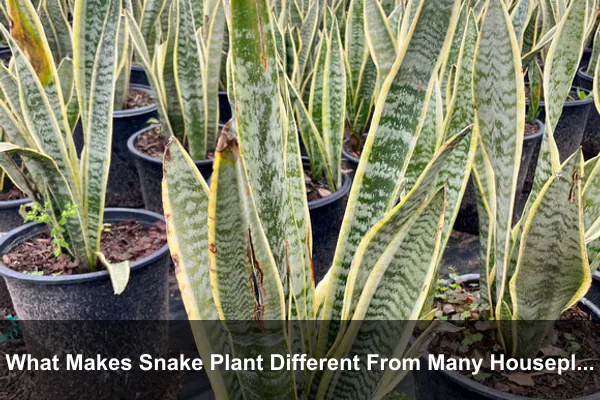
Snake plant has a different growth strategy from many soft-leaved tropical houseplants. Its leaves are thick, upright, and slightly waxy, which helps the plant conserve moisture. This is why snake plant can survive in drier rooms, withstand irregular watering, and stay tidy in places where fussier plants may decline.
Native to parts of West Africa, snake plant evolved to handle periods of dryness. Indoors, that natural resilience becomes one of its biggest practical benefits. It does not need constant misting, daily attention, or a perfectly humid room. For busy homes, offices, rentals, and smaller apartments, that makes it a dependable choice.
Botanical identity and common names
Snake plant has had several names in plant shops and gardening guides. You may see it sold as mother-in-law’s tongue, viper’s bowstring hemp, Sansevieria trifasciata, or Dracaena trifasciata. The newer botanical classification places many former Sansevieria plants under Dracaena, but both names are still widely recognized by growers and buyers.
Why the leaves matter
The leaves are the plant’s storage system. They hold water, support slow steady growth, and provide the bold vertical look that makes snake plant valuable in interior design. Because the leaves are slow to replace, leaf care matters. Preventing damage is easier than waiting for new growth to hide a scar, split, or mushy section.
Key Snake Plant Benefits for Everyday Homes
Snake plant benefits are best understood in practical terms. It is not a miracle cure for indoor air, sleep, stress, or health problems, but it can improve how a room feels, looks, and functions. Its value comes from durability, structure, low pollen, simple care, and its ability to fit into many indoor routines.
Low-maintenance greenery
The biggest benefit of snake plant is consistency. It remains attractive even when growth is slow. It does not drop many leaves, vine across furniture, or demand frequent pruning. For beginners, this gives room to learn plant care without constant visible failure.
- Watering is infrequent: most indoor plants need watering only when the soil is fully dry.
- Light needs are flexible: bright indirect light is best, but snake plant can tolerate lower light.
- Growth is controlled: it stays upright and does not quickly outgrow its space.
- Cleaning is simple: broad leaves can be wiped with a soft damp cloth.
Visual structure without visual clutter
Snake plant works well in interiors because it grows upward instead of outward. A narrow pot can hold a strong vertical plant, making it useful near desks, shelves, console tables, doorways, and empty corners. The green, silver, and yellow patterns also add contrast without needing flowers.
Low-pollen indoor presence
Snake plant rarely flowers indoors, and when it does, flowering is not its main display feature. For many households, this makes it easier to place than strongly scented or pollen-heavy plants. It still should be cleaned occasionally because dust can settle on leaves, but it is generally a tidy foliage plant.
A realistic note on air quality
Snake plant is often promoted as an air-purifying plant. Laboratory studies have shown that some plants can absorb certain volatile compounds under controlled conditions, but a normal home is much larger and better served by ventilation, source control, and regular cleaning. Snake plant can be part of a healthier-feeling room, but it should not replace an air purifier, proper airflow, or medical advice for allergies and respiratory conditions.
Seasonal Snake Plant Care: How Needs Change Through the Year

Snake plant care becomes easier when you stop treating every month the same. Indoor conditions shift with seasons: windows get hotter or colder, daylight changes, air conditioners and heaters dry the room, and soil may stay wet longer. A seasonal approach prevents the two most common mistakes: watering too much in slow seasons and giving too little light during active growth.
Spring: refresh and inspect
Spring is the best time to check the plant closely. As daylight increases, snake plant may begin more active growth. This is a good season to remove dust, inspect the base of the leaves, check the pot, and decide whether repotting is needed.
Repot only when necessary. Snake plant tolerates being slightly snug in its container. If roots are circling tightly, soil dries too fast, or the plant is pushing against the pot, move it into a container only one size larger. A pot that is too large can hold excess moisture around the roots.
Summer: support growth but avoid heat stress
In summer, snake plant may use water faster, especially in bright rooms. Even so, it should not sit in damp soil. Check the pot by touch or with a moisture meter, and water only when the mix is dry down through the root zone.
Bright indirect light is ideal. Direct afternoon sun through glass can scorch leaves, especially on variegated varieties. If leaves look faded, bleached, or develop dry tan patches, move the plant slightly away from the window or add a sheer curtain.
Autumn: slow the routine
As daylight decreases, snake plant growth slows. This is the season to reduce watering frequency. Many problems that appear in winter begin with autumn overwatering, when the owner keeps a summer schedule even though the plant is using less water.
Autumn is also a good time to rotate the pot. Upright leaves may lean toward the strongest light source. Turning the plant every few weeks helps keep the shape balanced without forcing the leaves to bend sharply.
Winter: protect from cold and wet soil
Winter is the risk season for snake plant. The plant can tolerate low light better than many houseplants, but it does not like cold drafts or wet roots. Keep it away from exterior doors, freezing windows, and heating vents that blast hot dry air onto one side of the plant.
Water sparingly in winter. In many homes, a snake plant may need water only every few weeks, and sometimes less often. The exact timing depends on pot size, soil, light, and room temperature. The rule is simple: dry soil first, water second.
Watering and Soil: The Root of Snake Plant Success
Most snake plant failures come from the root zone. The leaves look tough, so many people assume the plant can handle anything. In reality, the roots need oxygen. When soil stays wet too long, oxygen drops, roots weaken, and the base of the leaves may become soft.
How to water correctly
When the soil is dry, water thoroughly until excess water drains from the bottom of the pot. Then empty the saucer. Light splashes of water on the surface can leave lower roots dry while keeping the top layer damp, which is not ideal. A full soak followed by a full drying period is healthier.
- Check the soil with your finger, a wooden skewer, or a moisture meter.
- Water only when the mix is dry through most of the pot.
- Use room-temperature water when possible.
- Let water drain fully.
- Do not let the pot sit in standing water.
Best soil mix
Snake plant prefers a fast-draining potting mix. A cactus or succulent mix can work well, especially when improved with pumice, perlite, coarse sand, or fine bark. The goal is a mix that holds enough moisture for roots to drink but dries before rot develops.
A useful homemade blend can include regular indoor potting mix, perlite or pumice, and a small amount of orchid bark. Avoid heavy garden soil in indoor pots because it compacts easily and may drain poorly.
Pot choice and drainage
A drainage hole is strongly recommended. Decorative cachepots are fine if the grow pot inside can be removed for watering. Terracotta dries faster and can help people who tend to overwater. Plastic or glazed ceramic holds moisture longer and may suit hot, bright rooms where soil dries quickly.
Light, Placement, and Room Fit
Snake plant is famous for surviving low light, but survival is not the same as strong growth. For the healthiest leaves, best color, and firm upright form, give it bright indirect light. Low light is acceptable for display, but watering must be reduced because the plant uses water more slowly.
Best indoor locations
Good placement depends on the balance between light and safety. A bright room with filtered light is ideal. Near an east-facing window, several feet from a south or west window, or in a bright office with steady ambient light can all work well.
- Living rooms: use tall varieties to add vertical form beside furniture.
- Home offices: place compact varieties near shelves or desks where they do not block work surfaces.
- Bedrooms: choose stable pots and avoid placing sharp leaves where people walk at night.
- Bathrooms: use only if there is enough light and the soil still dries properly.
- Entry areas: avoid cold drafts and frequent bumps from bags or shoes.
Signs of too little light
A snake plant in too little light may stop producing new leaves, lean strongly, lose contrast in variegation, or stay wet too long after watering. It may look alive for months but slowly become weaker. Moving it to brighter indirect light often improves long-term health.
Signs of too much direct sun
Too much harsh sun can cause pale patches, crispy brown areas, or a washed-out look. This is more likely when a plant that lived in low light is suddenly moved into direct sun. If you want to increase light, do it gradually over one to two weeks.
Leaf Health: Reading Problems Before They Spread
Snake plant leaves are slow-growing, so every leaf is worth protecting. The plant communicates through leaf firmness, color, posture, and texture. Learning these signals helps you correct problems before they become severe.
Soft or mushy leaves
Soft leaves often point to overwatering, poor drainage, cold damage, or rot at the base. Check the soil first. If it is wet and smells sour, remove the plant from the pot and inspect the roots. Healthy roots are firm. Rotten roots are dark, soft, and may break apart easily.
Wrinkled or curling leaves
Wrinkled leaves can mean the plant is using stored water. This may happen after long dryness, root loss, or intense heat. Water if the soil is dry, but do not panic-water repeatedly. If the roots are damaged, wet soil will not fix the problem and may make it worse.
Brown tips and edges
Brown tips may come from inconsistent watering, low humidity combined with heat, mineral buildup, old damage, or physical knocks. Trim only the dry dead section with clean scissors if appearance bothers you. Do not cut into healthy green tissue unless the leaf is badly damaged.
Leaning leaves
Leaning can be caused by low light, loose soil, root crowding, or a top-heavy plant in a light pot. Rotate the plant, increase light, and check whether the base is stable. If needed, repot into a heavier container with fresh well-draining mix.
Safe Use Around People and Pets
Snake plant is decorative, not edible. It contains compounds that can cause stomach upset, drooling, nausea, or irritation if chewed by cats, dogs, or children. This does not mean the plant cannot be kept at home, but placement should be thoughtful.
Place snake plant out of reach of pets that chew foliage. Tall plant stands, closed rooms, or heavier pots can help. If a pet or child eats part of the plant and symptoms appear, contact a veterinarian, pediatrician, or poison control resource for guidance.
Handling and cleaning
Most people can handle snake plant without issue, but wearing gloves is sensible when dividing, repotting, or cutting damaged leaves. Wash hands after handling soil or sap. Clean leaves with a soft cloth rather than commercial leaf shine, which can leave residue and block the natural surface of the leaf.
Choosing the Right Snake Plant Variety
Choosing the right type helps you match the plant to your space. Some varieties grow tall and dramatic, while others stay compact. The best choice depends on room size, light, pot style, and how much visual impact you want.
Tall upright types
Classic snake plants with long green and yellow-edged leaves are excellent for floor pots and vertical accents. They can make a room feel more structured without taking up much floor area. Choose these for empty corners, beside cabinets, or near large furniture.
Compact varieties
Bird’s nest types stay shorter and form rosettes. These are better for desks, shelves, windowsills, and small apartments. They offer the same tough character in a smaller footprint.
Cylindrical types
Cylindrical snake plants have round spear-like leaves. They look modern and sculptural but can be more vulnerable to physical damage if placed in busy areas. They are best where they can be seen but not bumped often.
Propagation, Repotting, and Long-Term Value
Snake plant is a long-term houseplant. With good care, it can live for years and be divided into new plants. That makes it valuable for low-waste indoor gardening because one healthy plant can eventually supply replacements, gifts, or extra pots for other rooms.
Division is the most reliable method
Division keeps the new plant true to type, especially with variegated varieties. Remove the plant from its pot, separate a section with roots and leaves, and replant it in a small container with fresh draining mix. Water lightly after repotting, then let the soil dry before watering again.
Leaf cuttings are possible
Leaf cuttings can root in water or soil, but they are slower and may not preserve yellow leaf margins in some varieties. Cut a healthy leaf into sections, remember which end was closest to the root, and place the bottom end into soil or water. Patience is essential because rooting can take weeks or months.
When to repot
Repot when roots crowd the container, the plant dries too quickly, the pot cracks, or the plant becomes unstable. Spring and early summer are usually best. Avoid repotting during cold, dark months unless the plant has a serious root problem that must be corrected.
Common Myths About Snake Plant
Because snake plant is popular, it attracts exaggerated claims. A balanced view helps readers enjoy the plant without expecting unrealistic results.
Myth: snake plant needs no light
Snake plant can tolerate lower light, but it still needs light to photosynthesize. In very dark rooms, it slowly declines. If a room is too dark to read comfortably during the day without artificial light, it is probably too dark for long-term plant health.
Myth: snake plant should be watered on a fixed schedule
A calendar can remind you to check the plant, but it should not decide watering. Soil dryness, pot size, light, and season matter more than the number of days since the last watering.
Myth: yellow leaves always mean underwatering
Yellowing can come from overwatering, root rot, natural aging, pests, or stress. Check the soil and roots before deciding what to do. Adding more water to a plant with wet soil is one of the fastest ways to make the problem worse.
Simple Monthly Care Checklist
A simple checklist keeps snake plant care consistent without turning it into a complicated hobby. This routine works for most indoor homes, but adjust it for your climate, pot, and light level.
- Check soil dryness: water only after the soil has dried properly.
- Wipe leaves: remove dust so leaves can receive light efficiently.
- Rotate the pot: keep growth balanced and upright.
- Inspect the base: look for soft leaves, pests, or trapped moisture.
- Review placement: move away from cold drafts, heat vents, or harsh sun if needed.
- Check pot stability: tall leaves need a container that will not tip easily.
Conclusion
Snake plant remains popular because it offers a rare combination of beauty, resilience, and practical indoor value. It gives structure to a room, tolerates imperfect care, grows slowly enough for small homes, and fits well into low-maintenance plant routines. The key is to understand what the plant is built for: dry periods, bright filtered light, stable warmth, and soil that drains quickly.
For anyone researching Snake Plant plant benefits and information, the most useful takeaway is seasonal awareness. Water less when growth slows, protect the plant from cold and soggy soil, give it better light when possible, and read the leaves before problems spread. With that approach, snake plant becomes more than an easy houseplant; it becomes a long-lasting, low-waste, and visually strong part of everyday indoor living.
