
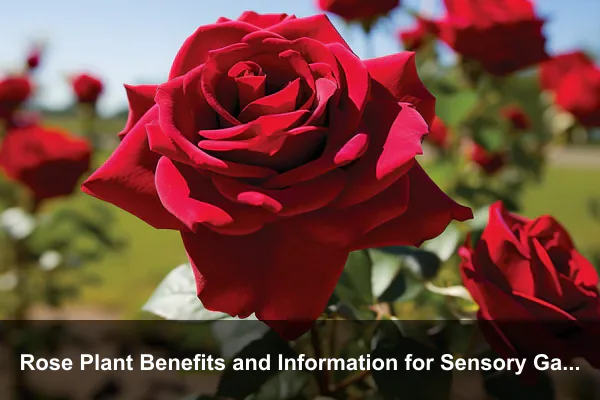
Roses are often treated as romantic flowers, but their value reaches far beyond bouquets and special occasions. A well-placed rose plant can become part of a daily outdoor routine, offering color, scent, seasonal change, gentle gardening tasks, and a reason to slow down in the garden. This guide takes a fresh angle on Rose plant benefits and information by focusing on sensory garden design, mindful outdoor living, safe handling, and practical rose care for real homes.
Unlike a rose article that only lists meanings, cut flower tips, or edible uses, this guide looks at how roses support a more useful garden experience. The goal is not to make exaggerated health claims. Instead, it explains how roses can help create a calmer, more engaging, and more beautiful outdoor space when they are selected, planted, and maintained with care.
Why Roses Still Matter in a Practical Garden
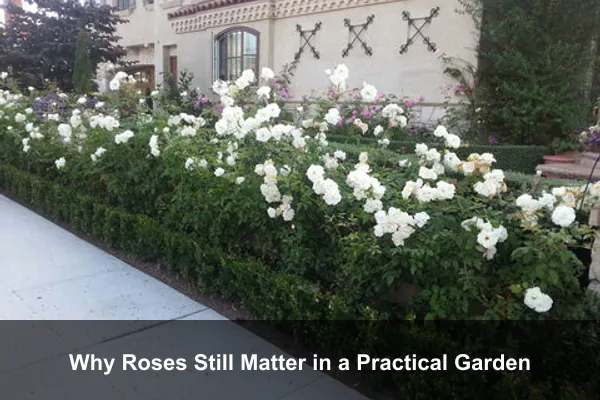
Roses remain popular because they combine beauty with function. Their flowers bring strong visual interest, their growth habit can define a planting area, and many varieties offer fragrance that makes a garden feel more alive. For people interested in plant benefits, roses are especially valuable because they appeal to more than one sense at the same time.
A rose plant can mark the seasons clearly. New shoots appear in spring, buds develop, flowers open, petals fall, and the plant prepares for rest in cooler months. This cycle gives gardeners an easy way to observe nature closely. For families, beginners, or anyone building a small wellness-focused garden, roses offer a living calendar that changes week by week.
A Plant With Emotional and Visual Value
The emotional value of roses comes partly from their long cultural history, but also from simple daily experience. Seeing a rose open after weeks of care creates a sense of reward. A flowering rose near a path, seating area, balcony edge, or front entrance can make an ordinary place feel more cared for.
Color also matters. Soft pink roses can create a gentle mood, yellow roses feel bright and welcoming, red roses add drama, and white roses bring a clean, quiet look. These color choices influence the feeling of a garden without needing expensive hardscape or complicated design.
Useful Without Being Complicated
Modern rose varieties can be much easier to grow than many people expect. While some old garden roses need specific pruning and disease attention, many shrub roses, landscape roses, and compact patio roses are bred for repeat flowering and better resilience. Choosing the right type for the space is often more important than using advanced techniques.
Main Rose Plant Benefits for Everyday Outdoor Spaces
The most useful rose plant benefits are practical, sensory, and environmental. Roses can improve how a space looks, how it feels, and how often people spend time outdoors. They are not magic plants, but they can make a garden more inviting and meaningful.
- Color and beauty: Roses provide strong seasonal color and can become a focal point in beds, containers, or borders.
- Fragrance: Many varieties add a natural scent that makes patios, paths, and seating areas more enjoyable.
- Mindful gardening: Watering, pruning, checking buds, and removing faded blooms can become calming routines.
- Seasonal learning: Roses show clear changes in growth, flowering, dormancy, and renewal.
- Pollinator support: Simple, open-flowered roses may attract bees and other beneficial insects when grown without harsh chemicals.
- Design structure: Shrub roses can soften fences, frame walkways, and add height to mixed plantings.
These benefits are strongest when roses are grown in a healthy, low-stress way. A rose that is forced into poor light, heavy wet soil, or a cramped corner may struggle and become a source of frustration. Good placement is part of the benefit.
Benefits for Mindful Routines
Gardening tasks around roses can support a slower pace. Looking for new buds, checking leaves for stress, and cutting away spent flowers all require attention. This kind of observation helps people shift away from screens and notice small changes outdoors. The benefit is not that roses treat stress, but that caring for plants can encourage more present, steady habits.
Benefits for Garden Identity
Roses give a garden character. A single climbing rose near an arch creates a different mood from a row of compact patio roses in containers. A mixed border with roses, herbs, grasses, and perennials feels layered and personal. This identity matters because people are more likely to care for outdoor spaces that feel meaningful.
Basic Rose Plant Information for Better Decisions
Roses belong to the genus Rosa, a large group of flowering shrubs that includes wild species, old garden roses, hybrid teas, floribundas, climbers, miniatures, shrub roses, and modern landscape roses. Because the group is so diverse, one rose can behave very differently from another.
Before buying a rose plant, it helps to understand the main forms. Hybrid tea roses often produce large individual blooms and are popular for classic flower shape. Floribunda roses usually bloom in clusters and give a fuller display. Shrub roses are often more relaxed in shape and useful in mixed beds. Climbing roses need support and training. Miniature and patio roses fit containers and small spaces.
Repeat Blooming Versus Once Blooming
Some roses bloom heavily once each year, while others repeat through the growing season. For a sensory garden or daily-use space, repeat-blooming roses often provide more consistent value. Once-blooming roses can still be excellent, especially if they have strong fragrance or historical charm, but they should be balanced with other plants that carry interest after the main flush ends.
Fragrance Levels Vary
Not every rose is strongly scented. Some modern roses prioritize disease resistance, flower form, or long bloom life over fragrance. If scent is important, read variety descriptions carefully and, when possible, smell the plant in bloom before buying. Fragrance can also change with temperature, time of day, and flower age.
Designing a Rose Area for Comfort and Daily Use
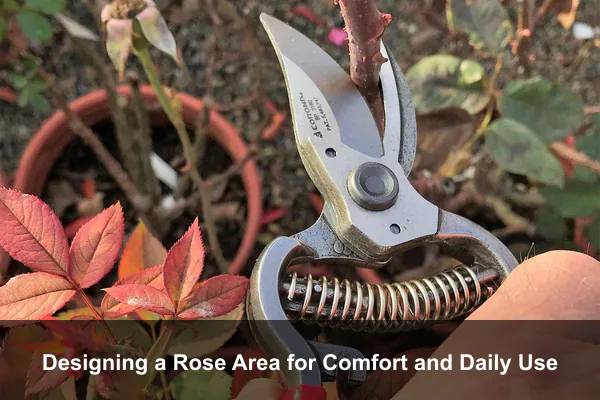
A rose plant is most beneficial when it fits the way people actually move through a space. Instead of planting roses only where they look pretty from a distance, think about where you walk, sit, water plants, or drink morning coffee. A rose near these daily routes becomes part of life rather than just decoration.
For a small garden, one healthy rose in the right place is better than several crowded plants. Leave enough room for airflow, pruning, and safe access. Roses with thorns should not lean into narrow paths, children’s play areas, or tight entrances. In family gardens, thornier varieties are better placed toward the back of beds or behind softer plants.
Good Places for Roses
- Near a sunny seating area where fragrance can be enjoyed without blocking movement.
- Along a wider path where flowers can be seen up close but thorns will not catch clothing.
- In a mixed border with lavender, salvia, catmint, ornamental grasses, or low herbs.
- In containers on sunny patios, especially compact rose varieties bred for pots.
- Beside a simple support, trellis, or arch for climbing roses with enough room to train canes.
Accessibility and Safety
For an accessible garden, choose roses that can be reached without bending too deeply or stepping into wet soil. Raised beds, large containers, and wide paths make rose care easier. Use sturdy gloves and long sleeves during pruning. If the garden is used by children, older adults, or pets, keep sharp canes trimmed away from edges and avoid planting thorny roses where people naturally brush past them.
Rose Care Essentials for Stronger Benefits
Healthy roses produce better flowers, stronger fragrance, and more reliable seasonal interest. The care routine does not need to be complicated, but it should be consistent. The most important rose care factors are sunlight, soil, watering, airflow, feeding, and pruning.
Light Requirements
Most roses need at least six hours of direct sun each day. Morning sun is especially helpful because it dries dew from leaves and may reduce disease pressure. In very hot climates, a little afternoon shade can protect blooms from scorching. Too much shade usually leads to weak stems, fewer flowers, and more leaf problems.
Soil and Drainage
Roses prefer fertile, well-drained soil with organic matter. Heavy clay can be improved with compost, but it should not stay waterlogged. Sandy soil may need more organic matter to hold moisture. In containers, use a high-quality potting mix and a pot with drainage holes. Garden soil packed into a pot often becomes too dense.
Watering
Deep watering is better than frequent shallow splashing. Water at the base of the plant so moisture reaches the roots while leaves stay drier. New roses need more careful watering while they establish. Mature roses can tolerate short dry periods better, but consistent moisture supports flowering.
Feeding and Mulching
Roses are moderate to heavy feeders, especially repeat bloomers. Compost, well-rotted organic matter, or balanced rose fertilizer can support growth. Mulch helps protect soil moisture, reduce weeds, and keep soil temperatures steadier. Keep mulch slightly away from the crown or main stems to avoid excess dampness around the plant base.
Choosing the Right Rose for a Sensory Garden
A sensory garden should feel good to use, not just good to photograph. When choosing roses for this purpose, look for fragrance, repeat bloom, disease resistance, manageable size, and a growth habit that suits the planting location. A rose that constantly needs rescue will not support a peaceful routine.
For beginners, shrub roses and landscape roses are often the most forgiving. For balconies and patios, compact roses can work well if they receive enough sun and regular watering. For strong vertical impact, climbing roses are beautiful, but they require training and support. They are not true vines, so they need tying and guiding.
Traits to Look For
- Disease resistance: Choose varieties known to handle common rose problems in your climate.
- Appropriate mature size: Check height and spread before planting.
- Fragrance: Select scented varieties if aroma is one of your main goals.
- Repeat flowering: Choose repeat bloomers for longer seasonal enjoyment.
- Thorn level: Consider smoother-stemmed or less thorny roses for high-traffic areas.
Color Planning Without Overdoing It
For a calm garden, limit rose colors to two or three tones that work with surrounding plants. Soft pink, cream, and lavender can feel gentle. Coral, yellow, and apricot feel warmer and brighter. Deep red or purple roses create drama but can dominate a small space. The best color is not always the boldest one; it is the one that fits the mood you want to create.
Safe Handling, Pets, and Household Awareness
Roses are generally not considered highly toxic as ornamental plants, but they still require common-sense handling. The biggest everyday risk is physical injury from thorns. Scratches can become irritated, especially when soil is involved, so gloves are a practical tool rather than an optional accessory.
If petals or hips are used for culinary purposes, they must come from plants grown without unsafe pesticides and correctly identified. Do not use florist roses or unknown treated roses for food or tea. Because this article focuses on sensory garden value rather than edible rose uses, the safest advice is simple: grow roses as ornamental plants unless you intentionally choose and manage them for edible use.
Pets and Children
Curious pets and children may chew petals, dig near roots, or touch thorny stems. Place roses where supervision is easy. Avoid chemical sprays in areas used by children and animals. If a pet eats a large amount of plant material or shows unusual symptoms, contact a veterinarian for guidance.
Fragrance Sensitivity
Strong fragrance is a benefit for many people, but not for everyone. Some individuals are sensitive to scent or prefer low-fragrance gardens. If the rose will grow near windows, seating areas, or shared spaces, consider the people who will use the area most often. A lightly scented rose may be more comfortable than an intensely perfumed one.
Low-Chemical Rose Growing for Healthier Garden Habits
A rose garden does not have to depend on harsh chemical routines. Good plant selection and prevention reduce many problems before they become serious. Start with disease-resistant varieties, plant them with enough spacing, water at the base, remove diseased leaves, and keep the area around the plant tidy.
Common rose issues include black spot, powdery mildew, aphids, and Japanese beetles in some regions. The response should match the severity. A few aphids can often be washed away with water or managed by natural predators. A few spotted leaves do not always require aggressive treatment. Regular observation helps gardeners respond early and avoid unnecessary spraying.
Simple Prevention Steps
- Plant roses where air can move freely around the leaves.
- Avoid overhead watering late in the day.
- Clean up fallen diseased leaves instead of composting them in a small home pile.
- Use mulch to reduce soil splash during rain.
- Prune crowded stems to open the center of the plant.
- Choose locally recommended varieties when possible.
Seasonal Rose Routine for Beginners
A seasonal routine keeps rose care manageable. Instead of reacting to problems randomly, divide tasks across the year. This makes the plant easier to understand and helps you enjoy the benefits without feeling overwhelmed.
Spring
Spring is the time to inspect the plant, remove dead or damaged stems, refresh mulch, and begin feeding when growth starts. Watch for new shoots and early pest activity. If you are planting a new rose, spring is often a good time in many climates because roots can establish before extreme heat.
Summer
Summer care focuses on watering, deadheading, and monitoring heat stress. Remove faded flowers if the variety benefits from deadheading. Water deeply during dry periods. In very hot areas, protect container roses from overheating and check pots more often because they dry faster than garden beds.
Autumn
Autumn is a good time to reduce heavy feeding and allow the plant to slow down. Clean fallen leaves, check mulch, and avoid encouraging too much soft new growth late in the season. In mild climates, roses may keep blooming into autumn, but the care routine should begin shifting toward rest.
Winter
Winter care depends on climate. Cold regions may require protection around the base of the plant, while mild regions may only need cleanup and light pruning at the right time. Avoid major pruning too early if it may stimulate growth before cold weather passes.
Using Roses in Small Spaces and Containers
Roses are not only for large gardens. Compact varieties can grow well in containers, small courtyards, sunny balconies, and narrow beds. The key is choosing a rose that stays in scale with the space. A vigorous climber in a tiny pot will become stressful, while a compact patio rose in a large container can be rewarding.
Container roses need more attention to watering and feeding because roots have limited access to soil resources. Use a deep pot, drainage holes, and a quality potting mix. Place the container where it receives enough sun but is not trapped in reflected heat all day. Rotate the pot occasionally if one side receives much more light.
Small-Space Design Tips
- Use one rose as a focal point instead of crowding several varieties.
- Choose compact companion plants that do not compete heavily with rose roots.
- Keep containers near water access so care stays convenient.
- Use plant supports early rather than after stems become tangled.
- Prune for shape and airflow, not just size control.
Common Mistakes That Reduce Rose Benefits
Many rose problems begin with avoidable decisions. Planting in too much shade, choosing a variety too large for the space, watering leaves every evening, or ignoring airflow can make roses harder than they need to be. The plant then becomes associated with disease and chores instead of beauty and calm.
Another common mistake is chasing perfect blooms at all costs. A sensory garden does not need exhibition-quality roses. It needs healthy plants, comfortable access, pleasing color, and a routine that fits your life. A few imperfect leaves are normal in a living garden.
Mistakes to Avoid
- Buying a rose only for flower color without checking size, scent, and disease resistance.
- Planting roses too close to walls, fences, or other shrubs without airflow.
- Using small decorative pots that dry out quickly and restrict roots.
- Overfeeding with high-nitrogen fertilizer that encourages leafy growth over balanced flowering.
- Pruning randomly without understanding the rose type.
Conclusion: A Rose Plant Can Make the Garden More Meaningful
Rose plant benefits and information are most useful when they connect to real garden life. Roses bring beauty, fragrance, seasonal rhythm, and gentle routines that can make an outdoor space feel more personal. They can support mindful observation, improve the mood of a path or patio, and give beginners a rewarding plant to learn from.
The best rose is not always the most famous or the most dramatic. It is the rose that fits your sunlight, soil, space, comfort level, and daily habits. Choose carefully, plant with room to grow, handle thorns safely, and care for the plant with steady attention. With the right approach, roses become more than ornamental flowers. They become part of a healthier, more engaging, and more enjoyable garden routine.
