
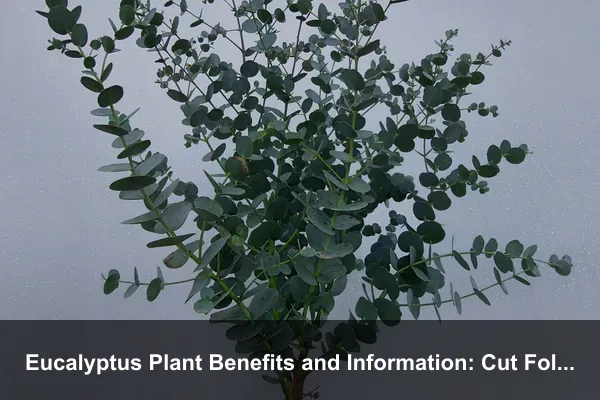
Eucalyptus plant benefits and information are often discussed through the lens of essential oil, but the living plant has a much broader and more practical story. Eucalyptus can be a striking garden tree, a managed shrub for fresh stems, a source of silvery foliage for arrangements, and a sensory plant that adds clean herbal fragrance without needing artificial room sprays. For gardeners who want useful plants that also look refined, eucalyptus offers a rare combination of structure, scent, texture, and year-round greenery.
This guide takes a distinct angle: how to understand eucalyptus as a foliage plant for gardens, containers, drying, floral styling, and safer everyday use. Instead of treating eucalyptus as a cure-all, it focuses on realistic benefits, smart species selection, responsible pruning, and the difference between fresh leaves and concentrated oil. That makes it useful whether you are planning a small patio container, a cut-foliage corner, or a low-maintenance ornamental feature in a sunny landscape.
What Makes Eucalyptus Different from Other Beneficial Plants
Eucalyptus belongs to the myrtle family, Myrtaceae, and the genus includes hundreds of species that range from compact mallee shrubs to enormous forest trees. Botanical references such as Kew Plants of the World Online place the native range of the genus mainly from the Philippines to Australia, with Australia being the best-known center of eucalyptus diversity. This matters for home growers because there is no single eucalyptus personality. Some species are huge landscape trees, while others are better candidates for coppicing, containers, or repeated stem harvests.
Evergreen foliage with two visual stages
One of the most useful pieces of eucalyptus plant information is that many species show a difference between juvenile and adult foliage. Juvenile leaves may be rounded, blue-gray, opposite on the stem, and highly valued for floral work. Adult leaves are often longer, narrower, greener, and more lance-shaped. This is why growers often prune eucalyptus to encourage fresh juvenile growth. The young foliage is usually the form people imagine when they think of silver dollar eucalyptus in bouquets, wreaths, shower bundles, and dried arrangements.
Aromatic leaves without heavy flowers
Eucalyptus is not grown mainly for showy petals in the way roses, hibiscus, or orchids are. Its beauty is quieter: matte leaves, strong vertical stems, peeling bark on mature trunks, and small fluffy flowers on established trees. The scent comes from volatile compounds stored in the leaves. When the foliage is brushed, cut, or warmed, the plant releases a crisp, camphor-like aroma. This makes eucalyptus especially valuable in gardens designed around texture and scent rather than constant blooms.
A plant with scale, not just style
The main caution with eucalyptus is size. Many species grow fast once established and can become much larger than a casual plant buyer expects. A small nursery pot can eventually become a tree that needs structural space, sun, and careful placement away from foundations, overhead wires, tight paths, and fragile paving. The most successful home use starts with the right question: do you want a full tree, a managed shrub for cut stems, or a temporary container plant?
Key Eucalyptus Plant Benefits for Home and Garden Use
The best eucalyptus benefits are practical, sensory, and design-focused. It can support a more useful home garden without needing exaggerated claims. Think of eucalyptus as a plant that brings foliage value, fragrance, structure, and seasonal material for crafts and arrangements.
1. Long-lasting cut foliage
Fresh eucalyptus stems are prized because they can last well in vases compared with many softer herbs. The leaves hold their shape, the color pairs easily with flowers, and the scent remains noticeable without being sugary. In arrangements, eucalyptus works as a supporting foliage that makes flowers look more intentional. It can soften bright blooms, add a cool-toned contrast, or create a minimal arrangement with only a few stems in a ceramic vase.
2. Natural scent for rooms and entryways
A small eucalyptus bundle near an entry table, work area, or bathroom shelf can make a space feel cleaner and calmer. This is a sensory benefit, not a medical treatment. The leaves provide fragrance in a slower, less concentrated way than essential oils. For many households, that difference is important because the plant material is easier to control: you can remove the stems, use fewer branches, or keep them in a well-ventilated area.
3. Year-round texture in sunny gardens
Eucalyptus is evergreen in suitable climates, so it can provide visual interest when many perennials are resting. The foliage brings movement, light, and color contrast. Blue-gray leaves look especially good beside deep green shrubs, ornamental grasses, white flowers, terracotta pots, gravel paths, and dark fences. In a mixed garden, eucalyptus can act as a vertical anchor without feeling heavy.
4. Material for drying, wreaths, and low-waste decor
If you enjoy practical plants, eucalyptus is useful because pruned stems do not need to go straight to the compost pile. Healthy stems can be dried for wreaths, tied into bundles, placed in simple wall hangings, or used as filler in seasonal arrangements. This low-waste value is a major reason eucalyptus fits the plant-benefit niche: the plant is not only ornamental while growing, but also useful after pruning.
5. Nectar value when grown as a mature outdoor tree
In suitable outdoor locations, mature eucalyptus flowers can attract bees and other pollinators. The Royal Horticultural Society notes that eucalyptus flowers can be rich in nectar. Not every home-grown plant will flower quickly, especially if coppiced regularly for juvenile foliage, but mature specimens can add ecological value where eucalyptus is appropriate, non-invasive, and responsibly placed.
Best Eucalyptus Types for Cut Foliage and Home Use
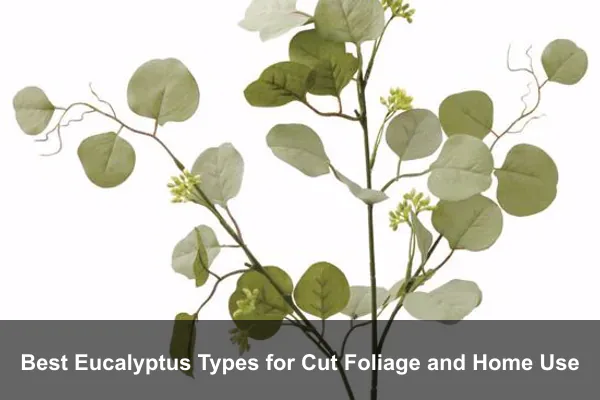
Choosing the right type is the difference between a rewarding eucalyptus plant and a future removal problem. The plant sold as eucalyptus may be labeled by common name, botanical name, or a florist trade name, so always check the mature size, cold tolerance, and growth habit before planting.
Silver dollar eucalyptus
Silver dollar eucalyptus, often associated with Eucalyptus cinerea, is popular for rounded, silvery juvenile leaves. It is one of the best-known cut-foliage types because the stems look polished even in simple arrangements. It can become a small to medium tree in the right climate, so home gardeners often keep it pruned or grow it in a large container while it is young. Its greatest value is the balance of color, scent, and strong stem form.
Cider gum
Cider gum, commonly Eucalyptus gunnii, is another favorite for cool-toned foliage. Young growth can be rounded and blue-green, making it attractive for fresh or dried stems. It is often discussed in relation to pruning because regular cutting can help maintain juvenile foliage. Like many eucalyptus plants, it can grow large if left alone, so it suits gardeners who are willing to manage shape and size over time.
Baby blue and florist eucalyptus
Florist eucalyptus names can be confusing because trade names may refer to selected forms or related species. Baby blue types are valued for dense clusters of blue-gray leaves along sturdy stems. They are especially useful in bouquets because they create a fuller, more compact look than long, sparse branches. When buying, ask whether the plant is intended for landscape use, cut-foliage production, or temporary container enjoyment.
When to avoid planting eucalyptus
Skip eucalyptus if your site is shaded, waterlogged, cramped, extremely windy, or close to structures that could be affected by future trunk and root growth. Also avoid planting it in regions where particular eucalyptus species are invasive, discouraged, or fire-risk sensitive. A responsible plant choice is part of the benefit. A beautiful tree in the wrong site can become expensive, unsafe, or ecologically unsuitable.
How to Grow Eucalyptus for Healthy, Harvestable Foliage
Good eucalyptus care starts with full sun, drainage, and realistic space planning. The RHS growing guide describes eucalyptus as generally preferring sun and well-drained soil, with pruning used to keep vigorous plants more manageable. Home growers should treat those points as the foundation before thinking about harvesting stems.
Light and placement
Eucalyptus needs bright light to produce dense, attractive growth. Full sun is best for strong stems and good leaf color. In too much shade, plants may stretch, lean, drop lower foliage, or develop weak growth that is less useful for cutting. Place outdoor plants where they receive open light and good air movement, but avoid tight wind tunnels that can damage young trees before their roots are established.
Soil and drainage
Free-draining soil is important. Eucalyptus does not like sitting in constantly wet ground, especially during cool weather. If your soil is heavy clay, improve the planting area with thoughtful grading, organic matter at the surface, and drainage-aware planting rather than simply digging a small hole and filling it with rich compost. A sudden pocket of soft, wet soil can encourage roots to circle instead of spreading into the surrounding ground.
Watering young plants
Newly planted eucalyptus needs consistent moisture while roots establish. Water deeply, then allow the top layer of soil to begin drying before watering again. Once established, many eucalyptus species become more drought tolerant, but container plants dry out faster and need closer attention. The goal is steady growth, not lush, weak growth forced by constant watering and heavy feeding.
Fertilizer and growth control
Use fertilizer carefully. Eucalyptus is often vigorous without much feeding, and too much nitrogen can produce soft growth that bends, breaks, or looks untidy. If growth is pale and weak despite good light, consider a balanced, slow-release fertilizer at a modest rate. In many gardens, mulch, proper watering, and sun exposure are more important than frequent feeding.
Container growing
Eucalyptus can be grown in large containers, especially when young, but it should not be treated like a permanent small houseplant. Use a pot with drainage holes, a sturdy shape that resists tipping, and a free-draining potting mix. Place it outdoors in strong light whenever climate allows. Indoors, eucalyptus often struggles because light is too low and air is too still. If used inside for styling, fresh cut stems are usually more reliable than trying to keep a living eucalyptus plant as a long-term indoor specimen.
Pruning Eucalyptus for Better Shape and More Useful Stems
Pruning is one of the most important eucalyptus skills. It can keep a plant more compact, encourage juvenile foliage, and produce the straight stems used in floral work. However, pruning should be planned, not random. Severe cuts on the wrong plant, at the wrong time, or after years of neglect can create weak regrowth or structural problems.
Coppicing for juvenile foliage
Coppicing means cutting a plant back low so it sends up new shoots from near the base. The technique can encourage young, rounded leaves on suitable eucalyptus species. The RHS notes in its coppicing advice that coppicing is often done in late winter or early spring before active growth. This method is best for plants chosen and grown with coppicing in mind, not for every mature eucalyptus tree.
Pollarding for managed height
Pollarding keeps the main framework higher than coppicing, with repeated cuts made back to a maintained head or branch structure. It can be useful where a gardener wants foliage above ground level but still needs to control size. Pollarding must be repeated consistently. If you pollard once and then abandon the plant, heavy regrowth can become crowded, top-heavy, and difficult to manage.
Light harvesting cuts
For home arrangements, you do not always need formal coppicing or pollarding. Light harvesting can be enough. Cut stems back to a healthy side shoot or bud, use clean pruners, and avoid stripping one side of the plant. Take material evenly so the plant keeps a balanced shape. Never remove so much foliage that the plant loses its ability to recover strongly.
When to call an arborist
If your eucalyptus is already a large tree, pruning becomes a tree-safety issue rather than a simple gardening chore. Large limbs, leaning trunks, storm damage, and cuts near buildings should be handled by a qualified arborist. Eucalyptus can respond strongly to cutting, and poor pruning may create future hazards. A professional can assess structure, root stability, and whether reduction pruning is realistic.
How to Harvest, Dry, and Display Eucalyptus Leaves
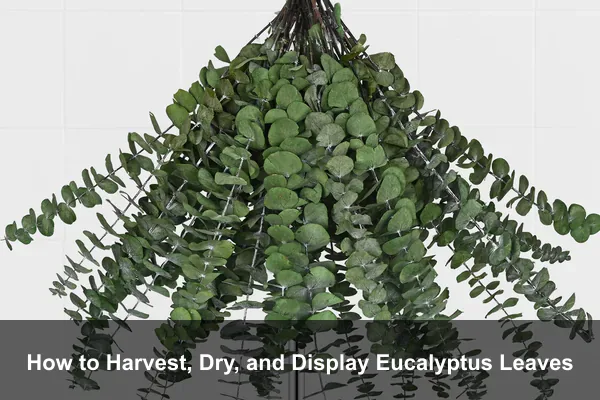
Harvesting is where eucalyptus becomes especially rewarding. A single plant can provide stems for fresh arrangements, dried decor, handmade gifts, and seasonal displays. The best results come from cutting at the right stage and handling stems gently.
Harvesting fresh stems
Choose stems with firm leaves, clean color, and no signs of pest damage or disease. Morning is often a good time to cut because stems are hydrated but not stressed by afternoon heat. Place cut stems in water soon after harvesting. Remove any leaves that would sit below the waterline in a vase, because submerged leaves decay and shorten vase life.
Drying eucalyptus naturally
To dry eucalyptus, gather small bundles and tie the stems loosely. Hang them upside down in a dry, shaded, well-ventilated area. Direct sun can fade the leaves, while damp air can encourage mold. Drying may take one to several weeks depending on stem thickness, humidity, and room airflow. Once dry, the leaves should feel leathery or papery rather than limp.
Using eucalyptus in vases and wreaths
Fresh eucalyptus works well with roses, tulips, hydrangeas, sunflowers, orchids, and simple wildflower arrangements. Dried eucalyptus is better for wreaths, shelves, entryway displays, and minimal vases where water is not needed. Keep dried material away from flames, heaters, and cooking areas. Dry leaves are plant material and should be treated with basic fire awareness.
Shower bundles and scent safety
Eucalyptus shower bundles are popular, but they should be used thoughtfully. Hang stems where steam can release scent gently, not where hot water beats directly on the leaves and creates slippery debris. Keep bathrooms ventilated, avoid strong bundles in small enclosed rooms, and do not use eucalyptus steam as a substitute for medical care. People with asthma, scent sensitivity, migraines, pregnancy concerns, or young children in the home should be especially cautious and seek professional guidance when needed.
Safety: Leaves, Essential Oil, Pets, and Realistic Wellness Claims
No eucalyptus plant benefits and information guide is complete without safety. Eucalyptus is useful, but it is not automatically safe in every form. The living plant, dried leaves, infused products, and essential oil are different levels of concentration. Most problems happen when people treat essential oils like gentle herbs.
Fresh leaves are not the same as essential oil
Fresh or dried eucalyptus leaves release aroma slowly. Eucalyptus essential oil is a concentrated extract and must be handled with much more caution. Poison Control warns that eucalyptus oil should not be swallowed and can cause serious poisoning, especially in children. This article is about plant benefits, not a recommendation to ingest eucalyptus oil, add it to drinks, apply it undiluted to skin, or use it as a home remedy without qualified advice.
Pet safety matters
Households with pets should be careful. The ASPCA lists eucalyptus as toxic to dogs, cats, and horses. Keep fresh bundles, dried stems, fallen leaves, and oil products away from pets that chew or investigate plants. If a pet eats eucalyptus or shows symptoms after exposure, contact a veterinarian or animal poison control promptly.
Children and storage
Dried stems may look harmless, but plant material can still be chewed, scattered, or misused by children. Keep eucalyptus oils locked away and keep decorative bundles out of reach of young children. If you use eucalyptus in crafts, label stored material clearly so it is not mistaken for edible herbs.
Allergy and scent sensitivity
Some people enjoy the scent of eucalyptus; others find it irritating. Strong aromas can bother sensitive noses, trigger headaches, or feel overwhelming in small spaces. Start with a few stems rather than a large bundle. If anyone in the household reacts poorly, remove the plant material and ventilate the room.
Common Mistakes to Avoid with Eucalyptus Plants
Eucalyptus is not difficult when the site is right, but several mistakes can turn an easy plant into a frustrating one. Avoiding these problems will help you get more value from the plant with fewer surprises.
- Buying by leaf shape alone: A beautiful juvenile plant may mature into a large tree. Always check mature size and growth habit.
- Planting too close to structures: Give outdoor eucalyptus enough room for trunk, canopy, root spread, and future maintenance access.
- Treating it as a low-light indoor plant: Eucalyptus needs strong light. Use cut stems indoors instead of forcing a living plant to survive in dim rooms.
- Overwatering containers: Wet roots can lead to decline. Use drainage holes and let the mix begin to dry between deep waterings.
- Overharvesting: Cutting too much at once weakens the plant and reduces future stem quality.
- Using essential oil casually: Concentrated oil is not the same as leaves. Do not ingest it, do not use it undiluted, and keep it away from children and pets.
- Ignoring local suitability: In some climates, eucalyptus may be invasive, too cold-sensitive, or risky in fire-prone landscapes. Follow local guidance.
A Simple Care and Harvest Routine
If you want eucalyptus mainly for foliage, create a simple yearly rhythm. In early spring, inspect the plant for winter damage and decide whether it needs light shaping, coppicing, or no major pruning. During the growing season, water young or potted plants deeply when needed and harvest stems moderately. In late summer or early autumn, dry extra stems for indoor use. Before winter, reduce feeding, check containers for drainage, and make sure outdoor plants are stable before storms.
- Choose the right plant: Select a species or cultivar known for foliage quality and suitable size.
- Give it sun: Strong light creates better color, stronger stems, and denser growth.
- Keep roots healthy: Use well-drained soil and avoid constant sogginess.
- Prune with purpose: Cut for shape, juvenile foliage, or harvest; do not hack randomly.
- Use stems wisely: Enjoy fresh, dried, and decorative uses while keeping safety in mind.
Conclusion
Eucalyptus earns its place in a useful garden because it offers more than one benefit. It can be ornamental, aromatic, practical for cut foliage, valuable for dried arrangements, and striking in sunny landscapes. The key is to understand the plant honestly: eucalyptus can grow large, needs bright light and drainage, and requires caution around essential oil, pets, and children.
When grown with the right expectations, eucalyptus becomes a beautiful example of plant benefits in everyday life. It is not just a trend or a bottle of oil. It is a living foliage plant with texture, scent, structure, and lasting usefulness for gardeners who choose carefully, prune thoughtfully, and use its leaves safely.
