
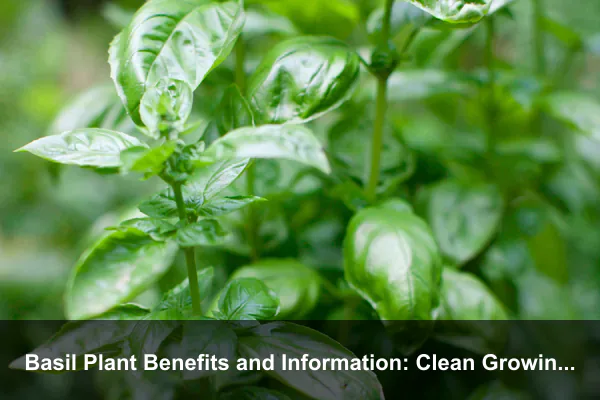
Basil is one of the most useful herbs a home gardener can grow, but its real value is not only in its fragrance, flavor, or traditional reputation. The best basil plant benefits and information come from understanding how to grow, harvest, wash, store, and use the leaves in a clean, practical way. A healthy basil plant can turn simple meals into fresher food, add living greenery to a kitchen or balcony, and support a more mindful daily cooking routine.
This guide takes a different angle from a basic basil growing article. Instead of only listing common uses or care tips, it focuses on food-safe basil habits: clean containers, low-splash watering, smart harvesting, safe storage, and everyday kitchen use. Basil is a generous plant, but because its leaves are often eaten raw, the way you handle it matters as much as how well you grow it.
Why Basil Deserves a Clean-Use Approach
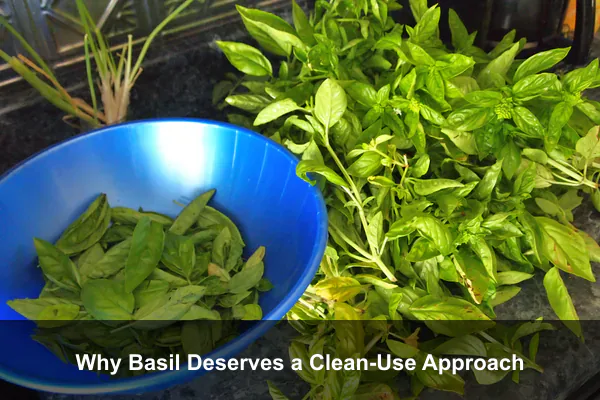
Basil, commonly associated with Ocimum basilicum, is a tender herbal plant valued for its aromatic leaves. It is often used fresh in salads, sauces, soups, sandwiches, teas, garnishes, and herb blends. In the context of plant benefits, basil is attractive because it offers several types of value at once: culinary flavor, sensory pleasure, small-space productivity, and a simple connection between growing and eating.
A clean-use approach is especially important because basil is frequently used without long cooking. Fresh leaves may be torn over pasta, blended into pesto, folded into salads, or added to drinks. That means dust, soil splash, pests, spoiled leaves, or unsafe storage practices can affect the quality of the food. A clean basil routine helps preserve the plant’s benefits while reducing avoidable problems.
What Makes Basil Different From Many Houseplants
Many indoor plants are grown mainly for appearance, but basil is both decorative and edible. This changes the standard of care. A basil pot on a sunny windowsill should not be treated like a purely ornamental plant. The potting mix, water source, pest control method, pruning tools, and nearby surfaces all matter because the leaves may end up on a plate.
The Best Basil Benefit Is Freshness You Control
Store-bought herbs are convenient, but homegrown basil gives you control over timing. You can harvest only what you need, use leaves at peak aroma, and avoid wasting a large bunch. Freshly cut basil often has a brighter scent because its aromatic oils are still lively. This freshness is one of the most realistic benefits of basil for everyday homes.
Basil Plant Benefits Beyond Flavor
Basil is famous for its sweet, peppery, slightly clove-like flavor, but its benefits go beyond taste. It can improve meals without relying on heavy sauces, excessive salt, or artificial flavorings. A handful of chopped basil can make tomatoes, eggs, grains, soups, grilled vegetables, and beans feel more complete.
Aromatic Compounds and Everyday Enjoyment
Basil contains natural aromatic compounds that create its distinctive scent. These compounds vary by variety, growing conditions, maturity, and harvest time. Sweet basil may smell soft and peppery, Thai basil can lean toward anise, lemon basil has citrus notes, and holy basil has a more complex herbal aroma. For home cooks, this means basil can be used as a natural flavor tool rather than just a garnish.
Nutrition in a Realistic Serving Size
Basil leaves can contribute small amounts of vitamins, minerals, and plant compounds, but it is best to be realistic. Most people eat basil in modest portions, so it should not be treated as a complete nutrition solution. Its stronger value is that it encourages fresher food choices. When basil makes vegetables, soups, and simple meals more appealing, it indirectly supports better eating habits.
Home Routine and Sensory Benefits
A basil plant also benefits the home environment through routine. Watering, pinching, smelling the leaves, and adding them to meals creates a small daily rhythm. For people who want to start gardening without a large yard, basil is approachable, fast-growing, and rewarding. It offers visible progress within weeks, which makes it useful for beginner gardeners and families learning how herbs grow.
Food-Safe Growing Basics for Home Basil
Clean basil starts before the first harvest. The growing setup should make it easy to keep leaves healthy and reduce contamination from soil, dirty water, unsafe sprays, or crowded conditions. This does not require a complicated system. It simply means making careful choices from the start.
Choose a Clean Container
Use a pot with drainage holes and wash reused containers before planting. Old soil residue can hold pests, disease spores, or decaying roots. If the container previously held non-edible ornamentals treated with strong pesticides, choose a different pot for basil. Food herbs deserve containers that are easy to clean and safe for edible planting.
Use Potting Mix Meant for Edible Plants
A light, well-draining potting mix helps basil roots breathe. Avoid garden soil in small pots because it can compact, drain poorly, and splash onto leaves. For edible herbs, choose a quality potting mix and add compost only if it is fully finished and safe for food gardening. Unfinished compost or fresh manure should not be used around basil leaves that may be eaten raw.
Give Basil Bright Light and Airflow
Basil prefers warm conditions and strong light. Outdoors, it grows well in a sunny spot with protection from harsh wind. Indoors, place it near the brightest window available, or use a grow light if natural light is weak. Good airflow helps leaves dry after watering and reduces the chance of fungal issues. Crowded, damp basil is more likely to develop poor leaf quality.
Watering Habits That Keep Basil Cleaner
Watering sounds simple, but it strongly affects leaf cleanliness. The goal is to keep roots evenly moist without splashing potting mix onto the edible parts of the plant. Soil splash can carry grit and microbes onto low leaves, especially in small containers.
Water at the Soil Line
Direct water to the base of the plant instead of showering the leaves. A narrow-spout watering can makes this easier. If basil is outdoors, mulch with clean straw, leaf mold, or a food-garden-safe mulch to reduce splash during rain. In containers, leave a little space between the soil surface and pot rim so water does not overflow.
Avoid Constant Wetness
Basil dislikes drying out completely, but soggy soil is also harmful. Wet roots can lead to yellowing leaves and weak growth. A practical rule is to water when the top layer of mix begins to feel dry, then let excess water drain away. Do not leave the pot sitting in dirty standing water.
Keep Lower Leaves Off the Soil
As the basil grows, remove the lowest leaves if they touch the potting mix. These leaves are more likely to collect splash, wilt, or decay. Clearing the lower stem also improves airflow around the plant. This small habit makes the whole plant easier to keep clean.
Harvesting Basil for the Cleanest Leaves
Harvesting is where basil care becomes kitchen practice. A clean harvest protects flavor, plant health, and food quality. It also encourages branching, which means the plant produces more usable leaves over time.
Use Clean Hands and Tools
Before cutting basil, wash your hands and use clean scissors or herb snips. Dirty blades can transfer disease between plants or contaminate leaves. If you cut other garden plants first, wipe the tool before using it on basil. This is especially important when harvesting leaves for raw dishes.
Pick the Right Leaves
Choose vibrant, unblemished leaves. Skip leaves that are slimy, moldy, badly spotted, heavily chewed, or touching old soil. Minor cosmetic damage is not always dangerous, but poor texture and unpleasant smell are signs to discard the leaf. Healthy basil should smell fresh and herbal, not sour or rotten.
A Simple Clean Harvest Method
- Check the plant for pests, damaged leaves, and wet soil splash.
- Wash your hands and prepare a clean bowl or towel.
- Cut stems just above a pair of leaves to encourage branching.
- Harvest from the top and outer growth rather than stripping one side bare.
- Bring the leaves indoors promptly and handle them like fresh produce.
Try not to remove more than one third of the plant at once unless you are doing a major end-of-season harvest. Regular light cutting keeps basil productive and reduces the need to store large amounts of fragile leaves.
Washing, Drying, and Storing Fresh Basil
Basil leaves bruise easily, so cleaning should be gentle. The aim is to remove dust, insects, and soil without crushing the leaves or leaving them wet for too long. Wet basil deteriorates quickly, especially when packed tightly in a container.
Should You Wash Basil Before Storing?
If basil is visibly clean and you plan to store it briefly, it may last longer unwashed until just before use. If it has dust, insects, or soil splash, rinse it gently in cool running water or swish it in a clean bowl of water. After washing, dry it thoroughly with a salad spinner or clean towel. The leaves should be dry before refrigeration or chopping.
Short-Term Storage Options
- Countertop stems: Place cut basil stems in a glass with a small amount of clean water, like flowers. Keep leaves above the water line and away from harsh sun.
- Loose refrigerator storage: Wrap dry leaves lightly in a paper towel and place them in a container with some air space. Basil can darken in cold temperatures, so check it often.
- Freezing: Chop clean, dry basil and freeze it in small portions with water or a small amount of oil. Frozen basil is best for cooked dishes, sauces, and soups.
Be Careful With Basil in Oil
Basil mixed with oil should be handled carefully. Fresh herbs in oil create a low-oxygen environment, so do not leave homemade basil oil or pesto sitting at room temperature for long periods. Refrigerate it promptly and use it within a reasonable time, or freeze portions for later. When in doubt, discard mixtures that smell off, look moldy, or have been stored carelessly.
Using Basil Safely in Everyday Meals
Basil can be used raw or cooked, but each method changes the flavor. Raw basil tastes bright and fragrant. Cooked basil becomes softer and less sharp. For the strongest aroma, add fresh basil near the end of cooking or just before serving. For slow-cooked sauces, use some basil during cooking and add a little fresh basil at the end.
Everyday Meal Ideas
- Add torn basil to tomato salad with olive oil and a pinch of salt.
- Blend basil with nuts, garlic, cheese, and oil for a quick pesto-style sauce.
- Stir chopped basil into rice, noodles, scrambled eggs, or lentils after cooking.
- Use basil leaves in sandwiches, wraps, and grain bowls for fresh aroma.
- Add a small amount to fruit salads with melon, berries, or citrus for contrast.
Who Should Be More Cautious?
Normal culinary amounts of basil are suitable for many people, but concentrated extracts, essential oils, and medicinal doses are different from food use. People who are pregnant, taking medication, managing a medical condition, or preparing food for infants or medically vulnerable family members should be cautious with concentrated herbal products. This article focuses on basil as a culinary herb, not as a treatment or cure.
Common Basil Problems That Affect Leaf Quality
Healthy basil is easier to use safely. Many leaf problems begin with stress: low light, poor drainage, crowded stems, inconsistent watering, or damp leaves. Learning to read the plant helps you decide whether leaves are worth harvesting.
Yellow Leaves
Yellowing can come from overwatering, poor drainage, lack of nutrients, old lower leaves, or root stress. Remove yellow leaves and check the soil before adding more water. If the pot smells sour or drains slowly, repotting into fresh mix may be better than adding fertilizer.
Black Spots or Slimy Areas
Dark spots may be caused by cold damage, disease, bruising, or decay. A few dry blemishes can be trimmed away, but slimy or moldy leaves should be discarded. Avoid eating basil that has an unpleasant odor or wet, collapsing tissue.
Pests on Edible Leaves
Aphids, whiteflies, and caterpillars may appear on basil. For edible herbs, avoid harsh pesticide routines unless the product is specifically appropriate for food crops and used exactly as directed. Often, pests can be reduced by rinsing, pruning affected stems, improving airflow, and separating the plant from other infested greenery.
Buying Basil Plants With Clean Kitchen Use in Mind
If you buy a basil plant from a nursery or grocery store, inspect it before bringing it into your kitchen. Choose plants with upright stems, fresh scent, no slimy soil surface, and no obvious pest clusters. Avoid pots with dense, weak, tangled seedlings that are already collapsing. Many supermarket basil pots contain several crowded plants, so they may need thinning or repotting to grow well.
First Steps After Bringing Basil Home
- Keep the new plant separate from other herbs for a few days and inspect for pests.
- Remove yellow, damaged, or soil-touching leaves.
- Check whether the pot drains well and whether roots are overcrowded.
- Move it gradually into brighter light if it came from a shaded store shelf.
- Harvest lightly at first so the plant can recover from transport stress.
This careful start helps the basil transition from a store product into a reliable kitchen herb. It also reduces the chance of bringing pests into an indoor herb area.
Quick Clean Basil Routine Checklist
A simple routine makes basil easier to manage. You do not need to overthink every leaf. Just repeat a few habits consistently.
- Grow basil in a clean, draining pot with food-safe potting mix.
- Water at the soil line to reduce splash on edible leaves.
- Keep the plant in bright light with enough airflow.
- Remove lower leaves that touch soil or look weak.
- Harvest with clean hands and clean scissors.
- Choose fresh, firm leaves and discard slimy or moldy growth.
- Rinse leaves gently when needed and dry them well.
- Store basil loosely, not crushed into a wet mass.
- Refrigerate or freeze basil oil mixtures and pesto promptly.
- Use culinary basil as food, not as a substitute for medical care.
Conclusion
Basil is a practical, fragrant, and rewarding herbal plant, but its best benefits come from thoughtful handling. When you grow it in a clean container, water without splashing soil, harvest with clean tools, wash gently, dry thoroughly, and store it properly, basil becomes more than a flavorful garnish. It becomes a dependable part of a healthier kitchen routine.
The most useful basil plant benefits and information are rooted in everyday habits. A clean basil plant can improve meals, reduce herb waste, support beginner gardening, and bring fresh plant value into small homes, balconies, and kitchens. Treat it as both a living plant and fresh produce, and basil will give you better flavor, safer leaves, and more confidence every time you harvest.
