
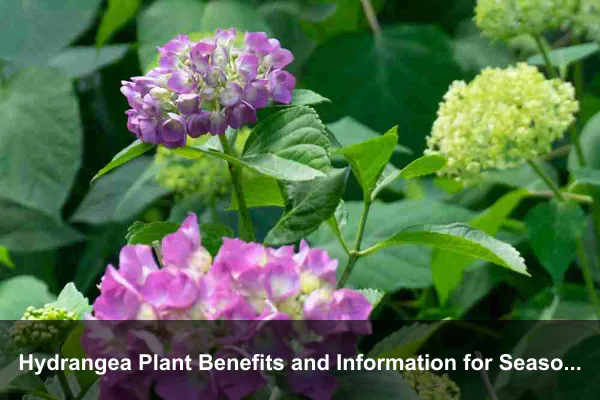
Hydrangea plant benefits and information are often discussed through bloom color, but this flowering shrub offers much more than a pretty summer display. Hydrangeas can soften shaded corners, create seasonal structure, support thoughtful landscape design, provide long-lasting cut flowers, and help gardeners build a calmer, more intentional outdoor space.
This guide takes a distinct, practical angle: how to use hydrangeas as multi-season garden plants rather than treating them only as color-changing ornamentals. You will learn where hydrangeas fit best, which types suit different garden goals, how to harvest blooms responsibly, and what safety details matter for homes with children or pets.
Why Hydrangeas Deserve a Place in Seasonal Gardens
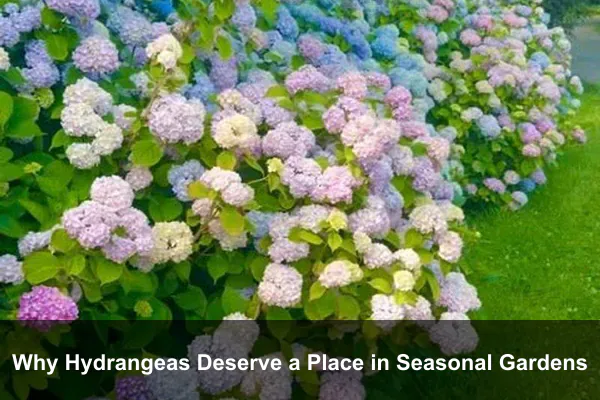
Hydrangeas are valuable because they bridge the gap between ornamental beauty and practical garden function. A mature hydrangea shrub can act as a soft focal point, a flowering screen, a foundation plant, or a transition between trees, paths, and sitting areas.
Unlike many short-lived bedding flowers, hydrangeas return year after year when planted in the right conditions. Their large leaves give visual fullness before flowers open, while the bloom clusters often remain attractive as they fade, dry, or shift into antique tones later in the season.
Key Hydrangea Benefits
- Long seasonal presence: Hydrangeas contribute foliage, flowers, fading blooms, autumn texture, and winter silhouettes.
- Shade garden value: Many types perform well with morning sun and afternoon shade, making them useful where full-sun flowers struggle.
- Landscape softness: Their rounded form balances fences, walls, pathways, patios, and formal garden edges.
- Cut flower potential: Mature blooms can be used fresh or dried for indoor arrangements.
- Beginner-friendly choices: Panicle and smooth hydrangeas are often forgiving when matched to the right climate and site.
Hydrangea Types and Their Best Uses
Choosing the right hydrangea is the most important step. The word hydrangea covers several shrubs and vines with different habits, pruning needs, sun tolerance, and landscape roles.
Bigleaf Hydrangea
Bigleaf hydrangea, or Hydrangea macrophylla, is famous for mophead and lacecap blooms. It works beautifully near patios, shaded entries, and cottage-style borders. In colder areas, flower buds can be damaged by winter cold, so gardeners should choose hardy or reblooming varieties when reliable flowers are a priority.
Panicle Hydrangea
Panicle hydrangea, or Hydrangea paniculata, is one of the most adaptable choices for sunny garden spaces. Its cone-shaped blooms age gracefully from cream or white into pink, tan, or muted rose tones. It is excellent for mixed borders, privacy planting, and beginner landscapes because it blooms on new wood.
Smooth Hydrangea
Smooth hydrangea, or Hydrangea arborescens, is valued for rounded flower clusters and dependable blooming. It is especially useful in naturalistic gardens, woodland edges, and partially shaded spaces. Some varieties produce very large flower heads, so support from nearby plants can help keep stems upright after rain.
Oakleaf Hydrangea
Oakleaf hydrangea, or Hydrangea quercifolia, offers more than flowers. Its deeply lobed leaves, warm autumn color, peeling bark, and architectural shape make it a strong four-season shrub. It is a smart choice for gardeners who want hydrangea beauty with extra texture.
Climbing Hydrangea
Climbing hydrangea, or Hydrangea anomala subsp. petiolaris, grows as a woody vine. It can cover shaded walls, sturdy fences, or mature trees, but it needs patience because establishment is slow. Once mature, it can become a dramatic vertical feature.
Design Benefits: How Hydrangeas Improve Outdoor Spaces
The best hydrangea plant benefits come from thoughtful placement. Hydrangeas are not just plants to fill empty soil; they can shape how a garden feels and functions.
Creating Gentle Privacy
Hydrangeas can soften sight lines around patios, porches, and garden seating areas. They do not create the dense year-round screening of evergreen shrubs, but they provide comfortable seasonal privacy during the months when people spend the most time outside.
Adding Structure to Shady Corners
Many gardens have corners that feel dim, flat, or unfinished. Hydrangeas can bring volume to these spaces without requiring harsh direct sun. Pairing them with ferns, hostas, hellebores, heuchera, astilbe, or shade-tolerant sedges creates a layered planting that looks intentional.
Improving Curb Appeal
Hydrangeas near entrances can make a home feel more welcoming. For foundation planting, leave enough space between the shrub and the wall so air can circulate and the plant can reach its natural size. Crowding hydrangeas against buildings usually leads to weak shape, mildew risk, and repeated pruning stress.
Supporting Low-Waste Decorating
Because hydrangea flowers can be dried, they offer a low-waste decorative benefit. Instead of buying short-lived floral arrangements, gardeners can harvest a few mature flower heads and use them for simple indoor displays.
Cut Flower and Dried Bloom Benefits
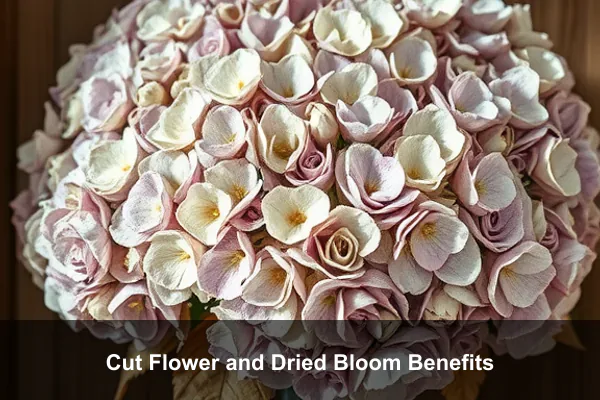
Hydrangeas are among the most useful garden shrubs for cut flowers. Their large flower heads fill arrangements quickly, and many varieties look attractive even after the fresh bloom stage has passed.
When to Cut Hydrangea Flowers
For fresh arrangements, cut stems early in the morning when temperatures are cooler. Choose blooms that are mostly open but not wilted. For dried hydrangeas, wait until the flowers feel slightly papery and the color has begun to soften. Blooms cut too early often shrivel instead of drying well.
Simple Harvesting Steps
- Use clean, sharp pruners to avoid crushing the stem.
- Cut above a healthy pair of leaves or buds.
- Remove leaves that would sit below the water line.
- Place stems in clean water immediately after cutting.
- For drying, display stems in a vase with a small amount of water and let it evaporate naturally.
This approach preserves flower shape while reducing the risk of floppy stems. It also keeps pruning moderate, which matters for hydrangeas that bloom on old wood.
Hydrangea Care Principles for Reliable Results
Hydrangea care becomes easier when gardeners focus on the basics: light, moisture, soil, mulch, and pruning timing. Most problems come from planting the wrong type in the wrong place or pruning at the wrong time.
Light Requirements
Many hydrangeas prefer morning sun and afternoon shade, especially in hot climates. Panicle hydrangeas can handle more sun than bigleaf types, while oakleaf and smooth hydrangeas often perform well in partial shade. Too much harsh afternoon sun can scorch leaves and stress blooms.
Watering Needs
Hydrangeas like consistent moisture, but they do not want soggy soil. Deep watering encourages stronger roots than frequent shallow sprinkling. In dry weather, check soil moisture near the root zone rather than judging only by leaf droop, because hydrangeas may wilt temporarily during heat and recover in the evening.
Soil and Mulch
Well-drained soil with organic matter is ideal. A 2 to 3 inch layer of mulch helps hold moisture, moderate soil temperature, and reduce weeds. Keep mulch slightly away from the stems so the crown does not stay wet.
Pruning Without Losing Flowers
Pruning depends on the hydrangea type. Bigleaf and oakleaf hydrangeas often bloom on old wood, so heavy pruning in late winter can remove flower buds. Panicle and smooth hydrangeas bloom on new wood, so they can usually be pruned in late winter or early spring.
- Old wood bloomers: Bigleaf, oakleaf, and many mountain hydrangeas.
- New wood bloomers: Panicle and smooth hydrangeas.
- Best habit: Identify the plant before pruning, then remove dead, weak, or crossing stems first.
Safety and Wellness Information
Hydrangeas contribute to wellness mainly through beauty, gardening activity, outdoor time, and a more pleasant home environment. They should not be promoted as edible or medicinal plants for casual use.
Are Hydrangeas Toxic?
Hydrangeas are considered toxic if eaten by people, cats, dogs, or horses. Leaves, buds, and flowers may cause stomach upset and other symptoms when ingested. For family gardens, plant hydrangeas where young children and pets are less likely to chew them, and clean up pruned material promptly.
Can Hydrangeas Be Used as Herbal Remedies?
Some traditional practices have discussed hydrangea root, but home use is not recommended without professional guidance. The safest way to enjoy hydrangea benefits is ornamental: garden design, cut flowers, seasonal beauty, and mindful plant care.
Allergy and Handling Notes
Hydrangeas are not usually grown as high-fragrance plants, which can be helpful for people who prefer gentle, low-scent gardens. Sensitive gardeners may still want to wear gloves while pruning or handling stems, especially if they react easily to plant sap or rough leaves.
Pollinator and Ecology Considerations
Hydrangeas can play a role in a more thoughtful garden, but their ecological value depends on the type. Some mophead hydrangeas have many showy sterile flowers and offer limited nectar or pollen. Lacecap types, oakleaf hydrangeas, and some native or fertile-flowered selections may be more useful to pollinators.
For a balanced garden, combine hydrangeas with nectar-rich perennials, native grasses, herbs, and flowering shrubs that bloom at different times. This creates a longer food season for beneficial insects while keeping hydrangeas as the visual anchor.
Good Companion Plants
- For shade: Ferns, hostas, astilbe, hellebores, heuchera, and woodland sedges.
- For sun near panicle hydrangeas: Coneflowers, salvia, ornamental grasses, nepeta, and yarrow.
- For structure: Boxwood alternatives, small evergreens, dogwood, Japanese maple, and viburnum.
Common Mistakes to Avoid
Hydrangeas are not difficult, but they are sensitive to poor placement and unnecessary intervention. Avoiding a few common mistakes can make the plant healthier and more rewarding.
- Planting too close to walls: Give shrubs enough mature space for airflow and natural shape.
- Pruning at the wrong time: Know whether your hydrangea blooms on old wood or new wood.
- Over-fertilizing: Too much nitrogen can encourage leaves at the expense of flowers.
- Ignoring water stress: Consistent moisture is important during establishment and bloom development.
- Expecting every variety to behave the same: Hydrangea types differ in size, sun tolerance, cold hardiness, and bloom habit.
How to Choose the Right Hydrangea for Your Garden Goal
The best hydrangea is not always the most dramatic one at the nursery. Choose based on your site, climate, and purpose.
For Beginners
Panicle hydrangeas and smooth hydrangeas are often easier because they bloom on new wood and tolerate practical pruning. Dwarf varieties are especially useful for smaller yards and container gardens.
For Shaded Patios
Bigleaf, mountain, or oakleaf hydrangeas can work well where they receive gentle morning light and protection from intense afternoon sun. Use them near seating areas where their flowers can be enjoyed up close.
For Four-Season Interest
Oakleaf hydrangea is one of the strongest options. It offers summer flowers, bold leaves, fall color, and winter bark texture.
For Cut Flowers
Choose varieties known for sturdy stems and large mature blooms. Panicle hydrangeas are especially popular for fresh and dried arrangements because their flowers age beautifully.
Conclusion
Hydrangeas offer more than seasonal beauty. When chosen carefully, they provide structure, softness, cut flowers, shade garden value, and a calming outdoor presence. The most useful Hydrangea plant benefits and information come from understanding the plant as part of a larger garden system: the right variety, the right location, safe handling, and thoughtful companion planting.
For gardeners who want a flowering shrub with lasting visual impact, hydrangea is a strong choice. Treat it as a long-term landscape plant rather than a short-term bloom machine, and it can reward you with years of texture, color, and practical garden value.
