
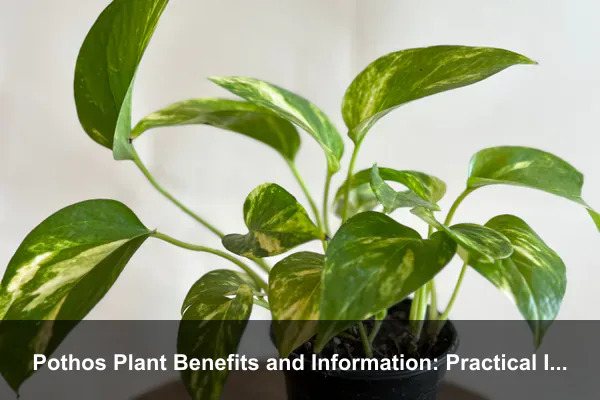
Pothos is one of the most dependable houseplants for people who want greenery that looks fresh without demanding a complicated care routine. Known botanically as Epipremnum aureum, this trailing tropical plant is admired for its heart-shaped leaves, flexible growth habit, and ability to adapt to many indoor conditions. When people search for Pothos plant benefits and information, they are often looking for more than basic care tips. They want to know why this plant fits so well into modern homes, how to use it wisely, and what makes it valuable beyond decoration.
This guide takes a practical indoor living angle: how pothos can help improve the look, feel, and function of everyday spaces while staying manageable for beginners, busy households, apartment dwellers, and plant lovers who want a reliable green companion. It also explains realistic benefits, safety limits, placement ideas, maintenance routines, and common mistakes so you can enjoy pothos in a healthier and more sustainable way.
What Makes Pothos a Useful Everyday Houseplant?
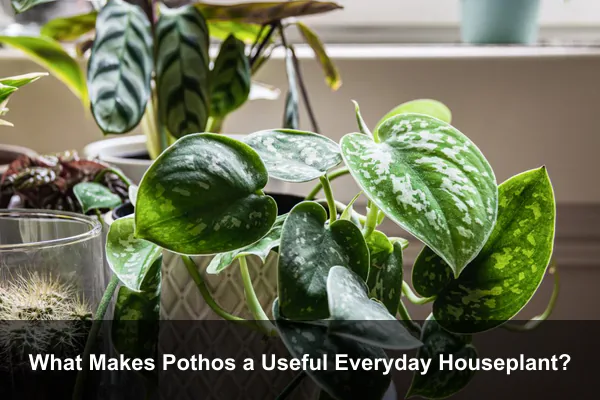
Pothos has earned its reputation because it combines beauty, resilience, and flexibility. Unlike some indoor plants that need precise humidity, filtered light, or frequent attention, pothos can tolerate a wider range of household conditions. This makes it useful in real homes where lighting changes with the season, watering schedules are imperfect, and space may be limited.
The plant naturally grows as a climbing or trailing vine. Indoors, that means it can spill from shelves, soften cabinet edges, climb a moss pole, frame a window, or hang from a basket. Its leaves may be solid green, golden-variegated, marble-patterned, neon yellow-green, or speckled depending on the variety. This visual flexibility is one reason pothos fits many interior styles, from minimal apartments to warm family rooms.
From a practical standpoint, pothos is also easy to renew. If stems get too long, sparse, or uneven, they can be trimmed. Healthy cuttings often root in water or soil, allowing owners to refresh the original plant or grow new ones. This gives pothos a low-waste advantage compared with plants that decline quickly when conditions are not perfect.
Key Pothos Plant Benefits for Indoor Spaces
Pothos benefits are often discussed in broad terms, but it is important to separate realistic everyday value from exaggerated claims. Pothos will not replace ventilation, cleaning, or proper home maintenance, but it can contribute meaningfully to comfort, design, and plant-care habits.
1. Adds Greenery Without Taking Up Much Floor Space
One of the strongest benefits of pothos is its ability to create a lush effect without requiring a large planter on the floor. Because it trails or climbs, it works well in vertical and overhead areas that are often unused. A pothos plant can brighten a bookcase, kitchen shelf, bathroom ledge, desk corner, or wall-mounted planter.
This makes it especially helpful for small homes, dorm rooms, studios, and apartments. Instead of filling limited floor space with bulky pots, you can train pothos upward or let it cascade downward. It gives a room movement and softness while staying compact at the root zone.
2. Supports a Calmer, More Natural Indoor Atmosphere
Many people experience indoor plants as calming because they introduce natural shapes, colors, and textures into built environments. Pothos has soft, trailing lines that can make hard surfaces feel less severe. Its green foliage can also reduce the sterile feeling of work areas, rental rooms, or spaces dominated by electronics.
This benefit is not medical treatment, and it should not be described as a cure for stress or anxiety. However, as part of a thoughtful home environment, pothos can support a more grounded atmosphere. The simple routine of checking leaves, watering, pruning, and watching new growth can also create a small moment of attention in a busy day.
3. Helps Beginners Build Plant Care Confidence
Pothos is forgiving, which makes it valuable for people who are learning how plants respond to light, water, pruning, and placement. It often gives visible feedback before serious damage happens. Drooping leaves may indicate thirst. Yellowing leaves may suggest overwatering, low light, aging foliage, or root stress. Long gaps between leaves can signal that the plant wants brighter indirect light.
Because pothos usually recovers well from minor mistakes, it teaches useful plant-care habits without being discouraging. Beginners can learn to check soil moisture, rotate the pot, trim vines, and notice seasonal growth patterns. These lessons transfer well to other indoor plants.
4. Offers Flexible Decorative Options
Pothos can be styled in many ways. A single plant can look casual and wild in a hanging basket, neat and sculptural on a pole, or compact when pruned regularly. This flexibility means it can adapt as your home changes. If a shelf becomes crowded, the plant can move to a wall hook. If trailing vines become too long, they can be trimmed and rooted. If you want a fuller pot, rooted cuttings can be replanted into the same container.
For interior design, pothos works especially well in areas where a soft visual line is useful. It can break up straight shelves, soften office equipment, or connect separate decor elements through trailing greenery.
5. Encourages Low-Waste Plant Ownership
A healthy pothos can last for years with basic care. Instead of buying replacement plants often, owners can maintain, prune, propagate, and refresh the same plant. Cuttings can be shared with friends, used to fill bare spots, or grown in small jars before potting.
This makes pothos a good choice for people interested in more sustainable indoor gardening. The plant does not require frequent repurchasing, complex supplies, or expensive equipment. A suitable pot, drainage, moderate light, and careful watering are usually enough.
Important Pothos Information: Origin, Growth Habit, and Appearance
Pothos belongs to the aroid family, which includes many popular foliage houseplants. In warm tropical environments, it can grow vigorously and climb trees or surfaces using aerial roots. Indoors, growth is more controlled, but the same natural habits remain visible in the way the plant sends out long vines and produces leaves along nodes.
The plant is valued mostly for foliage rather than flowers. Indoor pothos rarely blooms, and its appeal comes from leaf color, shape, and growth pattern. Leaves are usually heart-shaped when young, though mature outdoor plants can develop much larger and more complex leaves in tropical conditions.
Common Pothos Varieties
There are several popular pothos types, each with a slightly different look. Choosing the right one depends on your light conditions and design preference.
- Golden pothos: Green leaves with yellow or golden variegation. It is one of the most adaptable and widely available types.
- Marble queen pothos: Cream and green marbling. It often needs brighter indirect light to maintain strong variegation.
- Neon pothos: Bright chartreuse leaves that add a fresh, modern color accent indoors.
- Jade pothos: Solid green leaves, often more tolerant of lower-light corners than heavily variegated types.
- N’Joy or Pearls and Jade pothos: Smaller leaves with white, cream, and green patterns, suitable for compact displays.
How Fast Does Pothos Grow?
Pothos growth depends on light, temperature, watering, nutrients, and root space. In bright indirect light during warm months, it may produce new leaves frequently. In low light or cooler seasons, growth slows. This is normal and does not always mean something is wrong.
If you want fuller growth, pruning is often more effective than simply waiting. Cutting long vines encourages branching, and rooted cuttings can be added back into the pot to create a denser look.
Best Indoor Placement for Pothos
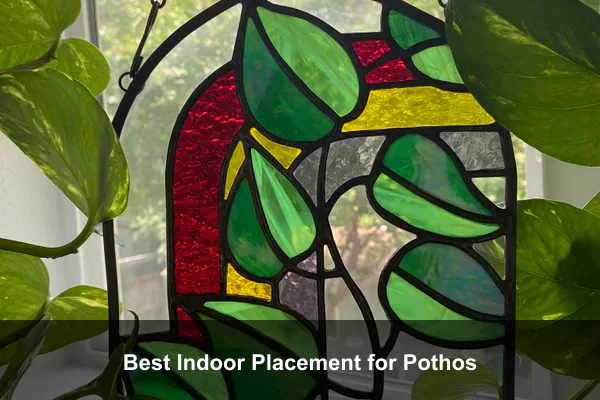
Pothos can grow in many locations, but placement affects leaf size, color, fullness, and long-term health. The ideal spot has bright, indirect light, steady room temperatures, and enough airflow to prevent stale, damp conditions around the soil.
Light Requirements
Pothos prefers bright indirect light, such as light near an east-facing window, a few feet from a bright south or west window, or in a room with filtered daylight. It can tolerate lower light, but growth may slow and variegated leaves may become greener.
Direct harsh sun can scorch leaves, especially through hot window glass. If leaves develop dry brown patches on the side facing the window, the plant may be receiving too much direct sun. Moving it slightly back or using a sheer curtain can help.
Room-by-Room Placement Ideas
Because pothos is flexible, it can serve different purposes in different rooms. The key is to match the plant’s growth habit to the space.
- Living room: Place it on a shelf, media unit, or plant stand where vines can trail without being stepped on.
- Home office: Use a compact pot or climbing support to add greenery without cluttering the desk.
- Kitchen: Put it on top of cabinets or open shelving if the area receives enough indirect light and is not exposed to heat from appliances.
- Bathroom: Pothos may enjoy the extra humidity if there is natural light. Avoid windowless bathrooms unless you use a grow light.
- Bedroom: Keep it on a dresser, shelf, or hanging planter away from pets and children.
Using Pothos in Small Spaces
For small spaces, pothos is most useful when grown vertically. A wall-mounted planter, narrow shelf, hanging basket, or slim trellis can create greenery without sacrificing usable surfaces. You can also keep vines pruned short for a tidy look.
If your room is very small, choose a smaller-leaf variety or maintain one pot with regular trimming. This prevents the plant from becoming visually messy or physically inconvenient.
Simple Pothos Care Guide for Long-Term Health
Pothos care is straightforward, but long-term success depends on consistency. Most problems come from poor drainage, overwatering, extremely low light, or ignoring root health for too long.
Watering Pothos Correctly
Water pothos when the top layer of soil feels dry. In many homes, this may be about once every one to two weeks, but timing changes with pot size, temperature, season, and light. A plant in bright light may dry faster than one in a shaded corner.
Instead of following a strict calendar, check the soil. Insert a finger into the top inch or two. If it feels dry, water thoroughly until excess drains from the bottom. Empty saucers so the roots do not sit in standing water.
Soil and Potting Needs
Pothos grows best in a well-draining potting mix. A standard indoor plant mix can work, especially if improved with perlite, orchid bark, or another aerating material. The goal is a mix that holds some moisture but does not stay soggy for days.
Always use a pot with drainage holes when possible. Decorative cachepots are fine if the nursery pot inside can drain properly. Without drainage, water accumulates at the bottom and increases the risk of root rot.
Feeding and Fertilizer
Pothos does not need heavy feeding. During active growth, a balanced houseplant fertilizer at a diluted strength can support new leaves. Overfertilizing may cause salt buildup, brown tips, or stressed roots. If the plant is growing slowly in winter, reduce or pause feeding.
Pruning for Shape and Fullness
Pruning keeps pothos attractive and manageable. Cut just above a node, which is the point where a leaf and aerial root emerge. This encourages new growth and gives you cuttings that may be propagated.
Regular trimming can prevent long bare vines. If the plant looks thin at the top, root some cuttings and place them back into the pot. This is one of the easiest ways to create a fuller plant without buying another one.
Pothos Propagation and Renewal
Propagation is one of the most enjoyable parts of growing pothos. The plant roots readily from stem cuttings when each cutting includes at least one node. This makes it easy to multiply plants, replace leggy growth, or share cuttings.
Water Propagation Steps
- Choose a healthy vine with several leaves.
- Cut a section below a node using clean scissors or pruners.
- Remove the lowest leaf if it would sit under water.
- Place the node in a jar of clean water.
- Keep the jar in bright indirect light.
- Change the water regularly to keep it fresh.
- Pot the cutting once roots are several centimeters long.
Soil Propagation Steps
You can also place cuttings directly into moist potting mix. This avoids the transition from water roots to soil roots, but it requires more careful moisture control. Keep the soil lightly moist, not soggy, until the cutting establishes.
Soil propagation works well when you want to fill the parent pot. Insert several cuttings around the base of the plant to create a fuller appearance over time.
Safety: Is Pothos Toxic to Pets or Children?
Pothos is not considered edible and should be kept away from pets and small children. Like many aroid plants, it contains insoluble calcium oxalate crystals. If chewed or swallowed, it can irritate the mouth, lips, tongue, and digestive tract.
For households with cats, dogs, toddlers, or curious children, place pothos out of reach. Hanging baskets, high shelves, and wall planters can reduce access, but trailing vines should also be managed. Trim long stems before they become reachable.
If a pet or child chews pothos and shows symptoms such as drooling, mouth irritation, vomiting, or distress, contact a veterinarian, pediatrician, or poison control service for guidance. Do not rely on online plant articles for emergency treatment.
Common Pothos Problems and What They Mean
Pothos is resilient, but it still responds to stress. Reading its signs helps you correct problems early.
Yellow Leaves
Yellow leaves can have several causes. Older leaves naturally yellow and drop over time, especially near the base of the plant. However, many yellow leaves at once may indicate overwatering, poor drainage, cold stress, or root problems.
Check the soil before taking action. If it is wet and heavy, let it dry more before watering again and make sure the pot drains. If the soil smells sour or roots are mushy, repotting may be needed.
Brown Tips or Edges
Brown tips may come from inconsistent watering, low humidity, fertilizer buildup, or mineral-heavy water. Trim damaged edges if desired, but focus on improving the cause. Water thoroughly when needed, avoid excessive fertilizer, and occasionally flush the soil with clean water if salts may have built up.
Leggy Vines
Long spaces between leaves usually mean the plant is stretching for light or has been allowed to trail without pruning. Move it to brighter indirect light and trim vines to encourage denser growth.
Wilting Leaves
Wilting can mean underwatering, but it can also happen when roots are damaged by overwatering. If the soil is dry, water deeply. If the soil is wet and the plant is wilting, inspect drainage and roots.
How to Use Pothos for Better Home Design
Pothos is more than a plant to place randomly on a shelf. Used intentionally, it can improve visual balance in a room. Its vines guide the eye, soften corners, and add organic texture where interiors feel flat.
Create Vertical Green Lines
Train pothos up a moss pole, bamboo support, or wall-friendly trellis to draw the eye upward. This is useful in rooms with low furniture or blank walls. Climbing growth also keeps vines controlled and can produce a more structured look.
Soften Storage Areas
Bookshelves, open cabinets, and floating shelves can look rigid. A trailing pothos adds movement and makes storage feel more relaxed. Keep the vines trimmed so they do not cover items you use often.
Build a Low-Maintenance Plant Corner
Pothos pairs well with other easy houseplants, especially those with different shapes. Combine it with upright plants, compact foliage plants, or textured leaves for contrast. Avoid overcrowding; each plant still needs light and airflow.
Realistic Air Quality Expectations
Pothos is often mentioned in discussions about indoor air quality because plants can interact with their environment in interesting ways. However, it is important to keep expectations realistic. A few houseplants will not clean indoor air at the same level as ventilation, filtration, source control, and regular cleaning.
The practical benefit of pothos is better understood as part of a healthier indoor routine. Caring for plants can make people more aware of light, dust, humidity, airflow, and room conditions. Wiping leaves removes dust from the plant surface and helps foliage function well. Opening windows when outdoor conditions are suitable, reducing indoor pollutants, and maintaining HVAC systems remain far more important for air quality.
Buying a Healthy Pothos Plant
When buying pothos, look beyond the longest vines. A healthy plant should have firm leaves, visible new growth, and no sour smell from the soil. Check the undersides of leaves for pests, inspect stems for damage, and avoid plants sitting in waterlogged soil.
A slightly smaller but healthy pothos is often a better purchase than a large stressed plant. Variegated types may need stronger light to keep their color, so choose according to your home conditions rather than appearance alone.
Quick Buying Checklist
- Leaves are firm, not limp or mushy.
- Soil is slightly moist or dry, not swampy.
- No visible pests, webbing, or sticky residue.
- Stems have several healthy nodes.
- The pot has drainage or can be placed into one that does.
- The variety matches your available light level.
Conclusion
Pothos is popular for good reason. It is attractive, adaptable, easy to renew, and useful in many indoor spaces. Its trailing or climbing growth makes it especially valuable for small homes, shelves, work areas, and rooms that need a softer natural touch. For anyone researching Pothos plant benefits and information, the most important takeaway is that this plant offers practical everyday value when its strengths and limits are understood clearly.
Give pothos bright indirect light when possible, water only after the soil begins to dry, use a draining pot, prune regularly, and keep it away from pets and children. With these simple habits, pothos can become a long-lasting part of your indoor environment, bringing greenery, flexibility, and quiet beauty into daily life.
