

Sunflowers are often introduced as cheerful garden flowers, but their real value reaches far beyond bright yellow petals and tall summer stems. For anyone looking for Sunflower plant benefits and information, this plant offers one of the easiest ways to connect beauty, botany, outdoor wellness, and hands-on learning in a single growing season.
This guide takes a unique angle: the sunflower as a learning garden plant. Instead of focusing only on seeds, cut flowers, or general garden decoration, it explains how sunflowers can help beginners, families, students, and curious gardeners observe plant growth, understand natural cycles, build simple outdoor routines, and enjoy practical plant benefits with very little complexity.
Why Sunflowers Are Ideal for a Learning Garden
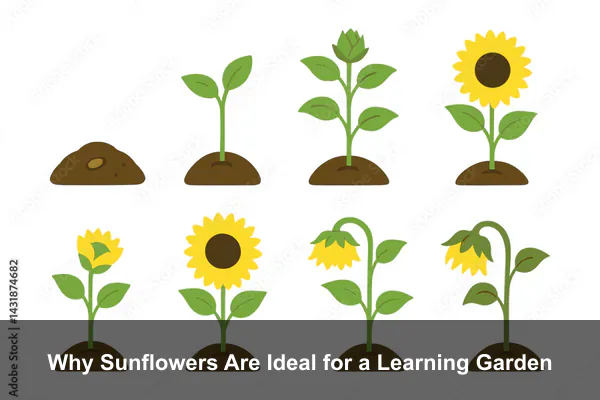
A learning garden is any growing space designed to make nature easier to observe. It may be a school bed, a backyard corner, a container on a sunny patio, or a row beside a fence. Sunflowers fit this role especially well because they grow quickly, change visibly, and have large plant parts that are easy to notice without special tools.
The sunflower plant, known botanically as Helianthus annuus for the common annual species, gives beginners a clear view of how a seed becomes a seedling, how leaves support growth, how buds form, and how flowers mature. This makes it valuable for plant education, garden confidence, and everyday appreciation of natural systems.
Visible Growth Builds Confidence
Many new gardeners lose interest when plants grow slowly or give unclear signals. Sunflowers are different. Under good conditions, seedlings usually appear quickly, stems become taller week by week, and the flower head forms in a way that is easy to follow. This visible progress helps beginners feel that gardening is understandable rather than mysterious.
A Plant That Invites Observation
Sunflowers are large enough for children and adults to study comfortably. Their leaves show texture and veins, their stems show strength and height, and their flower heads reveal patterns that can be used for simple lessons in nature, counting, symmetry, and seasonal change.
Key learning benefits include:
- Fast feedback: Gardeners can see progress across days and weeks.
- Clear plant parts: Roots, stems, leaves, buds, flowers, and seeds are easy to explain.
- Seasonal awareness: Sunflowers show how plants respond to warmth, sunlight, and maturity.
- Low entry barrier: Most varieties can be grown from seed with basic care.
- Emotional value: Their bold flowers make the growing process feel rewarding.
Sunflower Plant Information Beginners Should Know
Before planting, it helps to understand what makes sunflowers different from many other garden flowers. A sunflower may look like one large bloom, but the central disk is actually made up of many tiny flowers called florets. These florets later develop into seeds when pollination is successful.
Annual Life Cycle
Most garden sunflowers are annuals. This means they complete their life cycle in one growing season: seed, seedling, leafy plant, bud, bloom, seed production, and decline. This complete cycle is one reason they are so useful for observation projects. A gardener can follow the entire story of the plant without waiting years.
Sunlight and Heliotropism
Young sunflower plants are famous for turning toward the sun as they grow. This movement is called heliotropism. As the plant matures and the flower head develops, the movement usually slows, and mature flower heads often face east. This behavior gives gardeners a natural way to discuss sunlight, plant hormones, and the relationship between plants and their environment.
Common Sunflower Types
There are many sunflower varieties, and choosing the right one depends on space and purpose. Tall varieties can become dramatic garden landmarks, while dwarf types are better for containers, children’s gardens, and small urban spaces. Branching varieties produce multiple blooms, while single-stem types often produce one large flower head.
For learning gardens, choose based on the experience you want:
- Dwarf sunflowers: Best for pots, patios, and close-up observation.
- Tall sunflowers: Best for measuring height and watching dramatic growth.
- Branching sunflowers: Best for observing multiple buds and a longer bloom display.
- Pollen-rich varieties: Best when the goal is to support garden wildlife observation.
- Pollenless varieties: Useful for cleaner indoor flower arrangements, though less valuable for wildlife study.
Sunflower Benefits for Mindful Outdoor Routines
One overlooked sunflower benefit is the way it encourages people to step outside regularly. Gardening does not need to be complicated to support a healthier rhythm. A sunflower patch gives people a simple reason to check the weather, notice soil moisture, observe insects, and pause for a few minutes in natural light.
A Gentle Habit for Busy People
Sunflowers are not demanding houseplants that need constant adjustment, and they are not fragile ornamentals that fail from one small mistake. Their care routine is simple enough to become a calm daily or weekly habit. Checking whether the soil is dry, watching new leaves expand, or measuring stem height can become a grounding activity.
Outdoor Learning Without Screens
For families and classrooms, sunflowers offer a practical way to move learning outdoors. Children can draw the seedling, compare leaf sizes, count petals, record the date of the first bud, or observe how the plant changes after rain. These activities support curiosity without needing expensive equipment.
Emotional and Visual Benefits
The visual impact of sunflowers is part of their benefit. Their upright posture, warm color, and large blooms can make a garden feel more welcoming. In plant-benefit traditions, bright flowering plants are often valued for the cheerful atmosphere they create. While sunflowers are not a medical treatment, their presence can support a more pleasant outdoor environment.
How to Grow Sunflowers as a Simple Observation Project
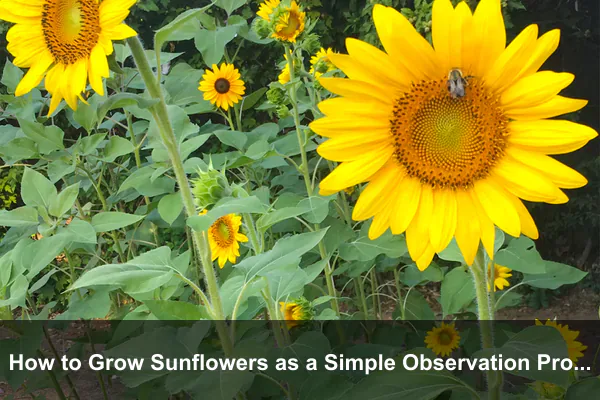
Growing sunflowers for learning is slightly different from growing them only for maximum yield or perfect display. The goal is to create a plant that can be watched, measured, touched gently, and understood through each stage of growth.
Choose the Right Location
Sunflowers need strong light. A site with full sun is best, ideally receiving at least six hours of direct sunlight per day. More sunlight usually means stronger stems, better flowering, and healthier growth. If the plant receives too much shade, it may lean, stretch, or produce weaker blooms.
Prepare Loose, Well-Drained Soil
Sunflowers are adaptable, but they perform best in soil that drains well and allows roots to grow deeply. Heavy, compacted soil can slow root development. Before planting, loosen the soil and mix in mature compost if available. This improves structure without making the project overly complicated.
Plant Seeds at a Practical Depth
Most sunflower seeds are planted directly into the soil after the weather is warm and the danger of frost has passed. A common method is to plant seeds about 1 inch deep, then water gently. Keep the soil lightly moist while germination begins, but avoid soaking the area until it becomes muddy.
Spacing for Observation
Spacing depends on the variety, but learning gardens should leave enough room for people to walk, measure, and observe without damaging plants. Dwarf varieties can be spaced closer together, while tall varieties need more room for roots and airflow. When in doubt, follow the seed packet instructions and give each plant a little extra space.
A simple observation plan can look like this:
- Week 1: Plant seeds and record the planting date.
- Week 2: Watch for seedlings and draw the first leaves.
- Weeks 3 to 5: Measure height once or twice a week.
- Weeks 6 to 8: Look for thicker stems, larger leaves, and early buds.
- Bloom stage: Observe flower direction, disk patterns, and visiting insects.
- Seed stage: Study how the flower head changes as it matures.
Practical Sunflower Uses in a Learning-Focused Garden
Sunflowers are useful because nearly every stage of the plant can teach something. The goal is not to overharvest or treat the plant as a disposable project, but to use it respectfully as a seasonal source of beauty, information, and practical material.
Seeds for Observation and Food Awareness
Sunflower seeds are among the plant’s best-known features. In a learning garden, they can be used to teach where food comes from, how seeds form, and why pollination matters. If the seeds are intended for eating, plants should be grown without unsafe chemical sprays, harvested at the right maturity, and prepared properly.
It is also useful to separate edible seed use from observation use. Some seeds can be saved for replanting, some can be left for birds, and some can be cleaned and roasted if the variety is suitable. This teaches balance instead of waste.
Petals, Leaves, and Stems as Teaching Tools
Sunflower petals can be used for color study, pressed-flower crafts, or simple botanical comparison. Leaves can help learners understand texture, surface area, and how plants capture light. Stems can demonstrate support, fiber, and the way plants move water from roots to leaves.
These uses should be handled with care. Do not encourage children to taste random plant parts, and do not use petals or leaves from plants treated with pesticides. If edible use is planned, confirm the variety and growing conditions first.
Seed Saving and Responsibility
Saving seeds from sunflowers can be a powerful way to teach continuity. A single flower head may produce many seeds, and each seed carries the possibility of another plant. However, hybrid varieties may not grow true to the parent plant, so seed saving is best treated as an experiment rather than a guarantee.
Common Sunflower Problems and What They Teach
Even problems can become useful information. In a learning garden, a leaning stem, chewed leaf, or delayed bloom is not only a frustration. It is evidence that the plant is responding to its environment.
Leggy or Weak Seedlings
If seedlings stretch and become thin, they may not be receiving enough sunlight. This teaches the importance of light quality and placement. Moving containers to a brighter spot or thinning crowded seedlings can help improve growth.
Chewed Leaves
Sunflower leaves may attract insects, slugs, or other garden visitors. A few holes are usually not a disaster. Instead of reacting immediately with sprays, observe the damage. Is it new or old? Are the plants still growing? Are beneficial insects present? This approach helps gardeners learn patience and ecological thinking.
Drooping Plants
Drooping can happen from underwatering, heat stress, transplant shock, or root disturbance. Checking soil moisture before watering is important. If the soil is dry several inches down, watering may be needed. If the soil is wet and the plant still droops, drainage or root stress may be the issue.
Heavy Flower Heads
Tall sunflowers may bend when flower heads become heavy, especially after rain or wind. This shows how plant structure and weather interact. Stakes, soft ties, or planting near a supportive fence can help, particularly in exposed gardens.
Designing a Small Sunflower Learning Corner
You do not need a large yard to benefit from sunflowers. A small learning corner can be built around one container, three dwarf plants, or a narrow strip of sunny soil. The most important design principle is access. People should be able to see the plant clearly and approach it without stepping on roots.
For Backyards
In a backyard, plant sunflowers along the north side of a bed if you are in the Northern Hemisphere so they do not shade smaller plants. Leave a path or stepping area nearby for observation. Add a simple measuring stake if the goal is to track height.
For Containers
Dwarf sunflowers are best for containers. Choose a pot with drainage holes and enough depth for roots. Use quality potting mix rather than dense garden soil. Containers dry faster than ground beds, so check moisture often during hot weather.
For Schools and Community Spaces
In shared gardens, label the planting date and variety. Encourage learners to record what they see rather than only what they expect. A sunflower bed can support lessons in science, art, writing, weather, food systems, and environmental responsibility.
Helpful additions include:
- A small ruler or measuring stick for height tracking.
- A weatherproof plant label with the variety name.
- A notebook for bloom dates and insect sightings.
- A mulch layer to reduce soil drying.
- A simple boundary to prevent accidental trampling.
Safety and Responsible Sunflower Care
Sunflowers are generally considered friendly garden plants, but responsible care still matters. Any plant grown around children, pets, or food areas should be handled thoughtfully. The safest approach is to teach observation first and consumption only when the plant’s identity, treatment history, and preparation method are clear.
Avoid Unsafe Chemical Use
If you want to eat seeds, use the flowers for crafts, or allow children to handle plant parts often, avoid harsh chemical sprays. Choose preventive care first: good spacing, healthy soil, strong sunlight, and regular observation. If pest control is needed, use the least disruptive method suitable for the situation.
Watch for Allergies and Irritation
Some people may be sensitive to pollen, plant hairs, or seed products. Anyone with known seed allergies should be cautious around edible sunflower seeds. After handling plants, washing hands is a simple habit that reduces irritation and keeps gardening clean.
Leave Some Value for Wildlife
A learning garden becomes richer when not every flower head is removed immediately. Leaving some mature heads outdoors can provide food for birds and a chance to observe natural seed use. This also teaches that plant benefits are not only human benefits; they can support wider garden life too.
Conclusion: Sunflowers Make Plant Benefits Easy to See
Sunflowers are more than tall yellow flowers. They are living examples of growth, sunlight response, seasonal change, food awareness, and outdoor curiosity. For gardeners searching for Sunflower plant benefits and information, one of the most valuable angles is their role as a simple, beautiful, and highly visible learning plant.
By planting even a few sunflowers, you can create a space that supports observation, beginner gardening confidence, family activities, and a stronger connection with nature. Their benefits are practical and emotional at the same time: they brighten the garden, invite daily attention, teach patience, and turn one seed into a full season of discovery.
