
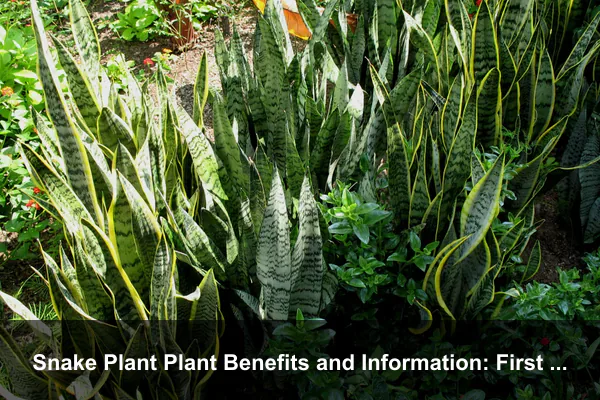
Snake Plant plant benefits and information often focus on how tough this houseplant is, but the most useful angle for new owners is what happens during the first month. A Snake Plant may look almost indestructible, yet many problems begin quietly in the first 30 days after purchase: a pot with no drainage, soggy nursery soil, poor placement, or overenthusiastic watering.
This guide takes a practical first-month approach. Instead of repeating the usual basic care checklist, it explains how to choose a healthy Snake Plant, help it adjust to your home, and build a simple routine that supports long-term benefits. For anyone interested in manfaat tanaman, the Snake Plant offers more than decoration: it can make a room feel calmer, greener, easier to maintain, and more intentional without demanding daily attention.
Why the First Month Matters for Snake Plant Success
The Snake Plant, also known as Dracaena trifasciata, is popular because it stores moisture in firm, upright leaves. That natural resilience is the reason it works well in apartments, offices, rented rooms, and homes with busy schedules. However, resilience is not the same as immunity. The plant still needs time to adjust after being moved from a nursery or shop into a different indoor environment.
Acclimation Is More Important Than Immediate Styling
Many people buy a Snake Plant and immediately repot it, move it into a decorative corner, water it, and rotate it several times in one week. That creates multiple changes at once. A better approach is to let the plant settle first. During the first two weeks, focus on observation: check leaf firmness, soil moisture, pot drainage, and light exposure before making major changes.
A Slow Start Prevents Root Problems
Snake Plants are more likely to suffer from too much water than too little. If the plant arrives in damp soil, adding more water can create the conditions for root rot. The first-month goal is not fast growth. The goal is stability.
Key Snake Plant Benefits in a New Home Setup

The best Snake Plant benefits are practical and easy to notice in daily life. Its vertical leaves add structure to a room, the plant tolerates missed watering, and it fits into narrow spaces where wider plants may not work.
- Low-maintenance greenery: It suits beginners, frequent travelers, and people who prefer simple plant routines.
- Space-saving shape: Upright leaves make it useful beside desks, entryways, shelves, and narrow corners.
- Calmer indoor atmosphere: Green plants can make a room feel softer, fresher, and more lived-in.
- Long-lasting decor value: A healthy Snake Plant can stay attractive for years with limited inputs.
- Flexible light tolerance: It can handle bright indirect light and many moderate indoor light conditions.
Some articles overstate Snake Plant air-purifying claims. While houseplants can contribute to a pleasant indoor environment, a single plant should not be treated as a substitute for ventilation, cleaning, or air filtration. Its real value is the combination of beauty, durability, and easy care.
How to Choose a Healthy Snake Plant Before You Buy
A successful first month begins before the plant enters your home. Choosing a strong specimen reduces the risk of hidden stress.
Check the Leaves
Look for upright, firm leaves with consistent color. Minor cosmetic scars are normal, but avoid plants with mushy bases, wet black spots, collapsing leaves, or a sour smell near the soil. These can indicate rot or long-term overwatering.
Inspect the Pot and Soil
If possible, choose a plant in a pot with drainage holes. The soil should not feel swampy. A little dryness is usually safer for Snake Plants than heavy wetness. If the nursery pot is placed inside a cachepot, lift it out and check whether water is trapped underneath.
Pick a Size That Matches Your Space
A tall Snake Plant can anchor a plain corner, while a compact variety is better for desks and shelves. Avoid buying an oversized plant if the only available spot is dark, cramped, or difficult to inspect.
The 30-Day Acclimation Plan
A structured first-month routine helps you avoid the two most common mistakes: watering too soon and repotting too aggressively.
Days 1-7: Quarantine and Observe
Keep the plant slightly separate from other houseplants for the first week. This makes it easier to spot pests, damaged leaves, or soil issues. Place it in bright indirect light or a stable moderate-light area. Do not fertilize. Water only if the soil is dry deep into the pot.
Days 8-14: Choose the Permanent Spot
After the plant has rested, decide where it will live. A Snake Plant near an east-facing window, a bright living room wall, or an office corner with steady ambient light usually performs better than one hidden in a windowless area. It may survive low light, but growth will slow.
Days 15-30: Adjust Only What Needs Adjusting
If the soil remains wet for too long, consider repotting into a better-draining mix. If the plant is stable and healthy, leave it alone. Snake Plants do not need constant attention to prove they are being cared for.
Pot, Soil, and Water Decisions That Prevent Early Failure
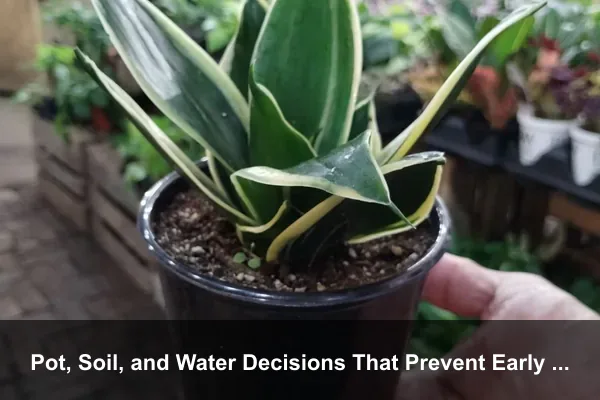
The foundation of Snake Plant care is simple: roots need air as much as they need water. Dense soil and sealed pots remove that balance.
Best Pot Choice
Use a pot with at least one drainage hole. Terracotta can help soil dry faster, while plastic or glazed ceramic retains moisture longer. Both can work if watering is controlled, but beginners often do better with a breathable pot and a removable saucer.
Soil Mix Basics
A well-draining mix is ideal. You can use a cactus or succulent mix, or improve regular potting soil with mineral material such as perlite, pumice, or coarse sand. The goal is a mix that holds some moisture but does not stay heavy and wet for many days.
Watering Rule for the First Month
Do not water by calendar alone. Check the soil first. For most indoor homes, it is safer to wait until the potting mix is dry well below the surface. When you water, soak the soil evenly and let extra water drain away completely.
Placement Ideas by Room and Lifestyle
Snake Plants are adaptable, but placement should match how you use the room.
For Busy Homes
Place the plant where you can see it often but will not bump into it. Entryways, living room corners, and home offices are good choices. Visibility helps you notice changes without creating a complicated routine.
For Small Apartments
Use narrow floor space beside a cabinet, sofa, or desk. A slim Snake Plant adds height without spreading across walkways. Choose a stable pot if the plant is tall, because upright leaves can make a lightweight container top-heavy.
For Bedrooms
A Snake Plant can be a clean, quiet visual element in a bedroom. Keep expectations realistic: it is not a sleep treatment, but it can support a calmer, less cluttered atmosphere when paired with good airflow, clean bedding, and soft lighting.
Common First-Month Problems and Quick Fixes
Most early Snake Plant problems can be corrected if caught quickly.
- Soft leaf base: Stop watering and check whether the soil is wet. If rot is present, remove damaged sections and repot into dry, draining soil.
- Wrinkled leaves: The plant may be very dry, especially if the pot is light and soil pulls from the edges. Water thoroughly, then drain well.
- Leaning leaves: Improve light exposure, rotate the pot occasionally, and check whether the plant is loose in the soil.
- Brown tips: Review watering habits, low humidity stress, physical damage, or mineral buildup from hard water.
- No visible growth: This is normal during acclimation. Snake Plants often grow slowly indoors, especially outside the warm growing season.
Safety, Sustainability, and Long-Term Value
Snake Plants are not edible and should be kept away from pets and small children who may chew leaves. If your household includes curious cats, dogs, or toddlers, place the plant on a stable stand, behind a barrier, or in a room with supervision.
For a more sustainable routine, avoid overbuying products. Most owners need only a draining pot, suitable soil, careful watering, and occasional cleaning of dusty leaves. Fertilizer can be used lightly during active growth, but it is not necessary during the first month.
Conclusion
Snake Plant plant benefits and information are most useful when they help you make better early decisions. The first 30 days should be about observation, stable placement, drainage, and restraint. A healthy Snake Plant does not need constant watering, frequent repotting, or complicated care products.
By choosing a strong plant, letting it acclimate, and building a simple routine, you get the real benefits of this indoor favorite: dependable greenery, architectural beauty, low-maintenance care, and a calmer home environment that fits modern living.
