
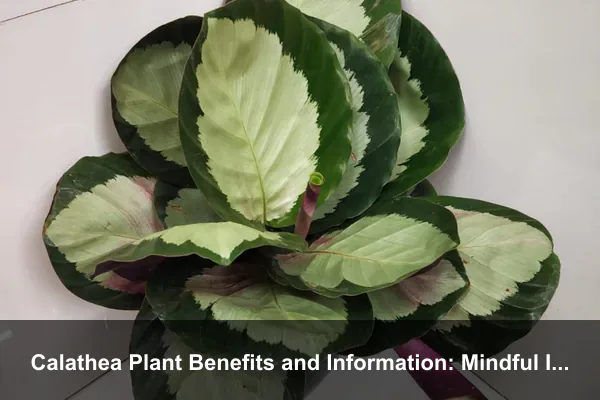
Calathea plant benefits and information often focus on its striking patterned leaves, but this tropical houseplant offers more than a decorative splash of green. A healthy Calathea can help soften a room visually, support a calmer indoor routine, and encourage better awareness of light, humidity, and watering habits. For people who enjoy ornamental plants with personality, Calathea is one of the most expressive choices for a home, apartment, studio, or quiet workspace.
Unlike many tough houseplants that tolerate neglect, Calathea invites a more mindful relationship with plant care. Its leaves respond quickly to dry air, harsh sunlight, mineral-heavy water, and inconsistent moisture. That sensitivity is not a weakness when understood correctly. It makes the plant a useful living indicator for indoor comfort, especially in homes where air conditioning, low humidity, or bright windows affect both plants and people.
Why Calathea Belongs in Mindful Indoor Spaces
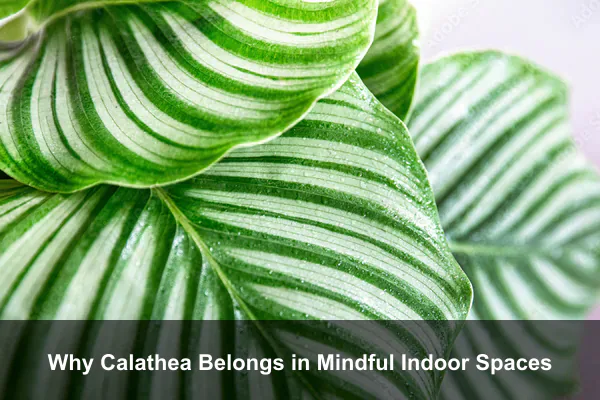
Calathea is valued as a foliage plant because it brings detail, contrast, and movement into interiors without needing flowers. The leaves may show stripes, brushstroke-like markings, deep green tones, silver patterns, burgundy undersides, or rounded medallion shapes depending on the type. This makes it especially useful in rooms that need texture rather than bold color.
One of the main benefits of Calathea is its ability to create a softer, more natural atmosphere. In interior design, plants with patterned leaves can break up plain surfaces such as white walls, wooden shelves, minimalist desks, and neutral furniture. A Calathea adds visual rhythm without making the room feel crowded.
For wellness-focused spaces, Calathea works well because it encourages slow observation. Watching new leaves unfurl, noticing changes in leaf posture, and adjusting care based on leaf condition can become a small daily routine. This is one reason many plant lovers consider Calathea a good plant for mindful living, even though it requires more attention than ultra-low-maintenance plants.
Key Calathea Benefits for the Home
Calathea is not a medicinal plant, and it should not be treated as an edible or herbal remedy. Its value is mainly ornamental, environmental, and emotional. When grown well, it can support a more pleasant indoor setting in several practical ways.
Visual Calm and Natural Texture
The patterned foliage of Calathea creates a natural focal point without relying on artificial decoration. Its leaves can make a reading corner, bedside table, office shelf, or plant stand feel more alive. Because the patterns are detailed but organic, they often feel calmer than busy printed decor.
Humidity Awareness
Calathea prefers moderate to high humidity. If the leaf edges become crispy, curled, or dull, the room may be too dry. This makes the plant a useful reminder to improve the microclimate with grouped plants, a pebble tray, better watering habits, or a humidifier. While a single Calathea will not dramatically change room humidity, caring for it can help you notice when indoor air feels dry.
Pet-Friendly Appeal
Many Calathea varieties are widely regarded as non-toxic to cats and dogs, which makes them attractive for pet households. Still, pet-safe does not mean pet-proof. Chewing can damage the plant and may still upset a pet’s stomach, so it is best to place the plant where curious animals cannot tear the leaves.
A Better Routine for Plant Beginners Who Want to Learn
Calathea is not the easiest beginner plant, but it is a good learning plant for someone willing to observe carefully. It teaches the difference between bright indirect light and harsh sun, moist soil and soggy soil, humidity and overwatering, and clean water versus mineral-heavy tap water.
Essential Calathea Plant Information
Calathea belongs to a group of tropical foliage plants related to prayer plants. Many plants sold as Calathea may also be labeled under related names such as Goeppertia. In everyday houseplant language, most people still use the name Calathea for these patterned indoor plants.
These plants come from warm, humid forest environments where they grow under filtered light. That background explains most of their indoor care needs. They dislike direct sun, cold drafts, dry air, and soil that stays either bone dry or waterlogged for too long.
- Plant type: Tropical ornamental foliage houseplant
- Best light: Bright indirect light or gentle filtered light
- Watering style: Keep soil lightly moist, not soggy
- Humidity preference: Moderate to high humidity
- Soil: Loose, well-draining, moisture-retentive potting mix
- Main appeal: Patterned leaves, indoor styling, calming plant care routine
How Calathea Supports Better Indoor Design
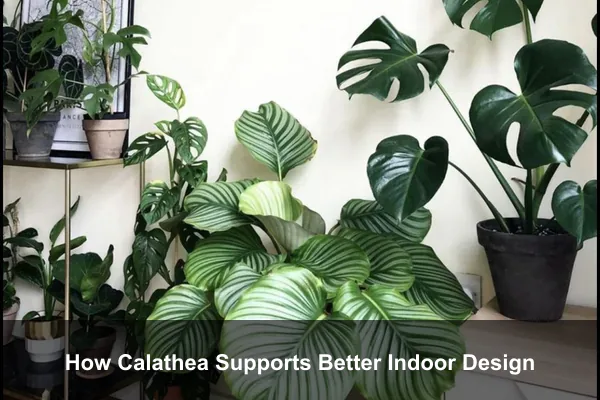
Calathea is especially effective when used with intention. Because the leaves already have strong patterns, it usually looks best in simple pots, clean shelves, and uncluttered corners. A matte ceramic pot, woven basket, or plain neutral planter allows the foliage to stand out.
Best Rooms for Calathea
Calathea can grow well in living rooms, bedrooms, bathrooms with natural light, home offices, and shaded balconies protected from direct sun. Bathrooms can be excellent if they are warm and bright enough, because regular moisture in the air supports healthy leaves.
Styling Ideas That Feel Natural
Use Calathea as a medium-height accent plant rather than hiding it among many larger plants. It pairs well with simple green foliage, ferns, pothos, and upright plants with plain leaves. This contrast helps the Calathea’s patterns look intentional rather than visually noisy.
For small spaces, choose one healthy Calathea on a side table or plant stand. In larger rooms, group it with plants of different heights, but avoid placing it where it will be brushed often. The leaves are beautiful but can become damaged if squeezed into narrow walkways.
Calathea Care for Long-Term Leaf Health
Good Calathea care is about consistency. The plant usually struggles when conditions swing too sharply, such as dry soil followed by heavy watering, cool drafts followed by hot sun, or low humidity combined with air conditioning.
Light
Place Calathea in bright indirect light. Direct afternoon sun can fade patterns or scorch the leaves. Too little light may slow growth and reduce leaf color. A spot near an east-facing window, a few feet from a bright window, or behind a sheer curtain is often ideal.
Water
Water when the top layer of soil begins to feel slightly dry, while the lower soil still has gentle moisture. Avoid letting the whole pot dry completely. Calathea can also react to minerals in tap water, so filtered water, rainwater, or water left to sit overnight may help in sensitive cases.
Soil and Pot
Use a mix that holds some moisture but drains well. A practical blend may include quality indoor potting mix with added perlite, orchid bark, or coco coir. The pot must have drainage holes. Without drainage, roots may sit in stale water and develop rot.
Humidity
If leaf tips turn brown despite proper watering, humidity may be too low. Grouping plants together, using a humidifier, or placing the plant in a naturally humid room can help. Misting gives only temporary moisture and should not replace stable humidity.
Common Calathea Problems and What They Mean
Calathea leaves communicate problems quickly. Instead of guessing, look at the pattern of symptoms and connect them with recent changes in care or room conditions.
- Crispy brown edges: Often linked to dry air, inconsistent watering, or mineral-heavy water.
- Yellow leaves: May suggest overwatering, poor drainage, or natural aging of older leaves.
- Curled leaves: Usually caused by underwatering, low humidity, cold drafts, or intense light.
- Faded patterns: Can happen when the plant receives too much direct sun.
- Drooping stems: May indicate thirsty soil, root stress, or sudden temperature changes.
Check the soil before reacting. Many Calathea problems look similar from above, so the potting mix gives important clues. Wet, heavy soil points toward drainage trouble. Dry, shrinking soil suggests underwatering or a potting mix that no longer absorbs moisture evenly.
Sustainable Calathea Care Tips
A unique benefit of growing Calathea is that it encourages thoughtful, low-waste plant care. Instead of replacing struggling plants, you can improve the growing environment and extend the life of the plant.
- Choose the right plant first. Buy a Calathea with firm stems, clean leaves, and no visible pests.
- Use durable pots. A quality pot with drainage can be reused for years.
- Water carefully. Avoid overwatering and dumping unused water from decorative cachepots.
- Prune only damaged leaves. Do not remove healthy foliage just for appearance.
- Repot only when needed. Moving Calathea too often can stress the roots.
For a more sustainable setup, collect rainwater when possible, reuse nursery pots for propagation or soil mixing, and refresh potting mix instead of discarding the whole plant at the first sign of stress.
Is Calathea the Right Plant for You?
Calathea is a good choice if you enjoy detailed foliage, indoor styling, and attentive plant care. It is especially suitable for people who can provide filtered light, steady warmth, and moderate humidity. It is less suitable for very dry rooms, dark corners, or owners who prefer plants that can be ignored for weeks.
If you travel often or forget to water, a ZZ plant, snake plant, or pothos may be easier. But if you want a plant that rewards careful observation with beautiful leaf patterns and graceful growth, Calathea can be deeply satisfying.
Conclusion
Calathea plant benefits and information go beyond simple decoration. This tropical foliage plant brings patterned beauty, visual calm, pet-friendly appeal, and a more mindful approach to indoor gardening. Its sensitivity to light, water, and humidity helps plant owners better understand the conditions inside their homes.
With bright indirect light, consistent moisture, gentle humidity, and a well-draining potting mix, Calathea can become a long-lasting part of a healthier and more beautiful indoor space. It is not the easiest houseplant, but for the right owner, it offers a rewarding balance of elegance, routine, and natural indoor comfort.
