
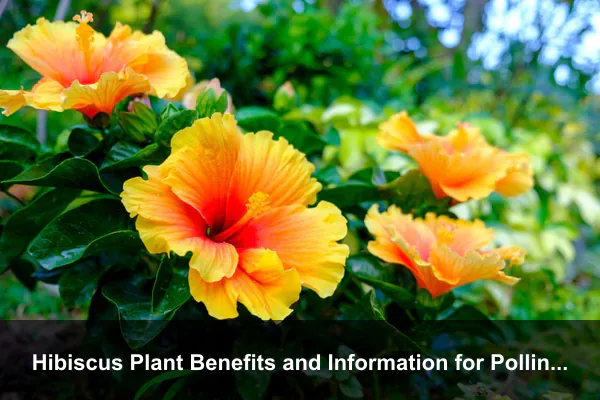
Hibiscus is one of the most recognizable flowering plants in warm gardens, patios, and tropical-style landscapes. Its large, dramatic blooms can make a small yard feel more alive, while its dense green foliage can soften fences, frame pathways, and create seasonal color without relying only on annual bedding plants. When people search for Hibiscus plant benefits and information, they often want more than a pretty flower. They want to know what hibiscus can do for a home garden, how it supports outdoor spaces, and how to use it wisely without turning plant care into a complicated routine.
This guide takes a different angle from a basic flower, tea, or safety article. Here, hibiscus is explored as a landscape plant: a living color feature, pollinator resource, privacy helper, container focal point, and climate-responsive garden choice. Whether you grow tropical hibiscus in a pot, hardy hibiscus in a perennial border, or a hedge-forming variety in a sunny yard, understanding its habits will help you get better blooms, healthier growth, and more practical value from the plant.
What Makes Hibiscus Valuable in a Home Landscape?
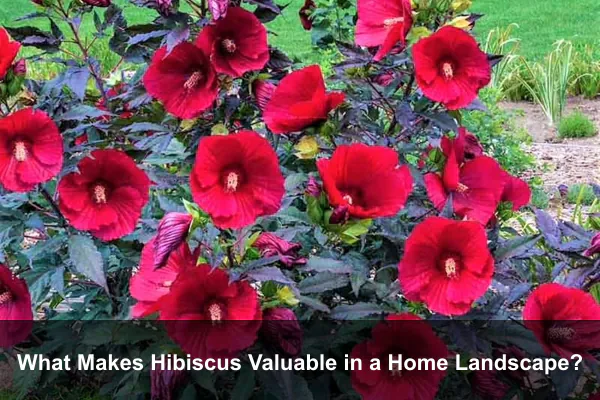
Hibiscus offers several benefits at once: ornamental beauty, ecological support, flexible placement, and strong seasonal impact. In the broader context of plant benefits, or manfaat tanaman, hibiscus is useful because it improves the visual, functional, and sensory quality of a garden. It is not just a decorative flower placed in the corner. With the right variety and position, it can become part of a thoughtful outdoor design.
The plant is especially valuable in gardens that need bold color without a highly formal style. Hibiscus blooms are naturally eye-catching, so one healthy plant can become a focal point. In warm climates, tropical hibiscus may flower for much of the year. In cooler regions, hardy hibiscus often produces huge late-season flowers when many spring and early-summer plants have already faded.
Key Landscape Benefits
- Strong visual impact: Large flowers create instant color and help define garden zones.
- Pollinator interest: Open blooms can attract bees, butterflies, and other nectar-seeking insects.
- Flexible use: Hibiscus can work in containers, hedges, mixed borders, patios, and sunny entryways.
- Seasonal structure: Shrubby forms add greenery even when the plant is between bloom cycles.
- Tropical atmosphere: The flowers and foliage create a lush, vacation-like feeling in outdoor spaces.
For homeowners who want a garden that looks generous but does not feel overly formal, hibiscus is a practical choice. It pairs well with many other flowering and foliage plants, and it can be used in both relaxed cottage-style beds and clean modern landscapes.
Choosing the Right Hibiscus Type for Your Space
One of the most important pieces of hibiscus plant information is that not all hibiscus plants behave the same way. The word “hibiscus” covers many species, hybrids, and cultivars. Some are tropical shrubs that dislike cold weather. Others are hardy perennials that die back in winter and return from the roots in spring. Choosing the right type will save time, reduce plant stress, and improve flowering performance.
Tropical Hibiscus
Tropical hibiscus is commonly grown for glossy leaves and vivid flowers in red, pink, orange, yellow, peach, or multicolored forms. It thrives in warm weather, bright light, and evenly moist soil. In areas with cold winters, it is often grown in containers so it can be moved indoors or protected during chilly months.
This type is ideal for patios, poolside areas, balconies, and sunny courtyards. It works best where gardeners can provide regular watering and occasional feeding during active growth. Tropical hibiscus is especially useful when you want a long-blooming ornamental plant that feels lush and vibrant.
Hardy Hibiscus
Hardy hibiscus is different. It can survive colder winters in many regions and often produces enormous dinner-plate-sized flowers in summer or late summer. The stems may die back after frost, but the plant can return from the base when temperatures warm again.
Hardy hibiscus is better for perennial borders, rain garden edges, sunny beds, and landscapes where a tropical look is desired without treating the plant as a temporary seasonal decoration. It usually needs space because mature plants can become broad and full.
Rose of Sharon
Rose of Sharon, botanically known as Hibiscus syriacus, is a woody hibiscus often used as a shrub or small flowering screen. It blooms later in the season and can handle more temperate conditions than tropical hibiscus. It is useful for vertical structure, informal hedges, and mixed shrub borders.
Because it can self-seed in some regions, gardeners should choose sterile or low-seed cultivars when available, especially in areas where unwanted seedlings may become a maintenance issue.
Design Benefits: How Hibiscus Improves Garden Layout
Hibiscus can solve several design problems in the garden. It can add height where a bed looks flat, provide color near a seating area, soften hard edges around walls or fences, and create a seasonal anchor for mixed plantings. Its value is strongest when it is placed intentionally rather than treated as a random flowering shrub.
Use Hibiscus as a Focal Point
A single hibiscus in a large container can act as a focal point near a doorway, terrace, or garden bench. Because the flowers are bold, the container does not need excessive decoration. A simple pot in terracotta, charcoal, white, or natural stone color often works better than a busy patterned container.
For best effect, place the plant where it can be viewed often. Hibiscus flowers may last only a short time individually, but a healthy plant continues producing buds, so the display changes naturally from day to day.
Create a Living Screen
Shrubby hibiscus varieties can help create privacy in warm climates or during the growing season. They are not always dense enough to replace a solid fence, but they can soften sightlines and make outdoor rooms feel more enclosed. A row of hibiscus along a sunny boundary can provide color while reducing the harsh look of bare fencing.
For screening, spacing matters. Plants placed too far apart will never form a unified effect, while plants placed too close may compete for airflow, light, and nutrients. Check the mature width of the variety before planting.
Build a Tropical-Style Border
Hibiscus combines well with plants that have contrasting leaf shapes. Pair it with ornamental grasses, canna, croton in warm climates, elephant ear, dwarf palms, coleus, or flowering perennials with smaller blooms. The goal is contrast: large hibiscus flowers look even better when surrounded by fine textures, upright leaves, or deep green foliage.
In more temperate gardens, hardy hibiscus can be paired with coneflower, black-eyed Susan, switchgrass, sedum, bee balm, and salvia. This creates a late-summer border that is colorful, pollinator-friendly, and seasonally balanced.
Pollinator Benefits of Hibiscus
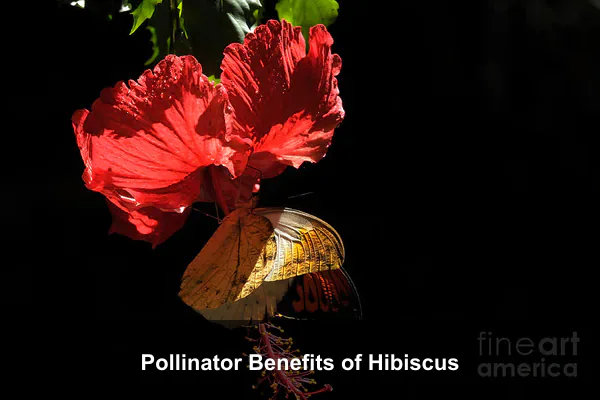
One of the most practical hibiscus plant benefits is its ability to support garden wildlife. Hibiscus flowers can attract pollinators, especially when they are grown without heavy pesticide use. Bees, butterflies, and nectar-feeding insects may visit the blooms, adding movement and ecological value to the garden.
For a pollinator-friendly garden, hibiscus should not stand alone. It works best as part of a layered planting plan that includes flowers with different bloom times, flower shapes, and nectar sources. This keeps the garden useful for insects across more of the season.
How to Make Hibiscus More Pollinator-Friendly
- Choose open-flowered varieties: Simple or semi-open blooms are easier for pollinators to access than heavily doubled flowers.
- Avoid routine pesticide spraying: Treat pest problems only when necessary and use the least harmful method first.
- Plant in groups: A visible cluster of flowering plants is easier for pollinators to locate.
- Add companion flowers: Include salvia, lantana, zinnia, pentas, bee balm, or native flowering plants suited to your region.
- Provide water and shelter: Shallow water sources, mulch, and layered plantings make the garden more supportive.
Pollinator value also depends on local climate and plant type. Some ornamental cultivars are bred mainly for appearance, so their nectar or pollen value may vary. Even so, hibiscus can still contribute to a more active garden when combined with diverse flowering plants.
Climate-Smart Growing: Light, Water, and Heat
Hibiscus performs best when its growing conditions match its natural preferences. A stressed hibiscus may drop buds, develop yellow leaves, or produce fewer flowers. The plant is not difficult when its basic needs are met, but it is sensitive to extremes such as dry soil, sudden cold, poor drainage, and insufficient light.
Sunlight Requirements
Most hibiscus plants bloom best with strong light. In many regions, full sun is ideal. However, in very hot climates, some afternoon shade can reduce leaf scorch and water stress. Container-grown hibiscus may need more careful placement because pots heat up faster than garden soil.
A helpful rule is to observe the plant during the hottest part of the day. If leaves wilt severely even when the soil is moist, the location may be too intense. If the plant grows leafy but produces few flowers, it may need more light.
Watering for Healthy Blooms
Hibiscus likes consistent moisture but dislikes soggy roots. The soil should be damp enough to support active growth, yet well-drained enough to prevent root rot. In containers, drainage holes are essential. In garden beds, heavy clay soil may need compost or raised planting areas to improve structure.
During hot weather, potted hibiscus may need water daily or every few days, depending on pot size, wind, and sun exposure. Garden-grown plants usually need deeper, less frequent watering once established. Mulch helps conserve moisture and keeps roots cooler.
Heat and Wind Protection
Although hibiscus enjoys warmth, extreme heat and drying wind can cause bud drop. A plant placed against a reflective wall, concrete surface, or hot metal fence may experience more stress than one planted in a slightly buffered location. If your garden has intense afternoon heat, place hibiscus where it receives morning sun and gentle late-day protection.
Wind can also damage large flowers. If blooms tear quickly or buds dry before opening, consider moving container plants or adding nearby shrubs and grasses as a wind filter.
Soil, Feeding, and Container Strategy
Hibiscus responds well to fertile, well-drained soil. It is a strong grower during active seasons, so nutrients matter, especially for container plants. However, overfeeding can create soft growth, salt buildup, or fewer flowers if the nutrient balance is wrong.
Best Soil Conditions
The ideal soil is rich but not compacted. Compost can improve moisture retention in sandy soil and improve structure in heavier soil. For pots, use a quality potting mix rather than dense garden soil. Garden soil in containers often drains poorly and may become hard over time.
A slightly acidic to neutral soil range is generally suitable for many hibiscus types. If leaves show unusual yellowing with green veins, nutrient availability or soil pH may be involved, but watering problems should be checked first because overwatering and poor drainage often cause similar symptoms.
Feeding Without Overdoing It
For flowering, hibiscus benefits from balanced nutrition. Many gardeners use a fertilizer formulated for flowering shrubs or tropical plants during the growing season. Follow label directions because more fertilizer does not automatically mean more flowers.
Container hibiscus may need more frequent feeding than plants in the ground because nutrients wash out through drainage. Still, it is better to feed lightly and consistently than to apply heavy doses irregularly.
Container Size and Placement
A pot that is too small dries quickly and restricts roots. A pot that is too large can hold excess moisture around the roots if the plant is not actively using the water. Choose a container that gives the roots room while still allowing the potting mix to dry slightly between waterings.
For patios and balconies, use a stable container that will not tip in wind. Hibiscus can become top-heavy when full of foliage and flowers. If the pot is dark-colored and placed in direct sun, monitor soil temperature and watering closely.
Pruning Hibiscus for Shape, Airflow, and More Flowers
Pruning is not only about reducing size. It helps shape the plant, improve airflow, remove weak stems, and encourage branching. A well-pruned hibiscus often looks fuller and flowers more evenly because light reaches more parts of the plant.
When to Prune
The best pruning time depends on the hibiscus type and climate. Tropical hibiscus is often pruned lightly during active growth or before a new growth flush. Hardy hibiscus is usually cut back after frost or in early spring before new shoots emerge. Rose of Sharon is commonly pruned in late winter or early spring before new growth begins.
Avoid severe pruning right before the plant is expected to bloom unless size control is more important than immediate flowers. Removing many growing tips can delay blooming because flowers form on new growth.
What to Remove
- Dead, damaged, or diseased stems
- Crossing branches that rub against each other
- Weak interior growth that blocks airflow
- Overly long stems that disrupt the plant’s shape
- Suckers or unwanted seedlings around shrub forms
Always use clean, sharp pruning tools. Rough cuts can stress the plant and create entry points for disease. For large shrubs, step back between cuts to check the overall shape rather than pruning one side too heavily.
Common Hibiscus Problems and Practical Solutions
Even healthy hibiscus plants can experience pests, yellow leaves, or bud drop. The key is to diagnose the likely cause before reacting. Many hibiscus problems come from environmental stress, not a mysterious disease.
Bud Drop
Bud drop is one of the most common frustrations. It can happen because of inconsistent watering, sudden temperature changes, low light, pest pressure, or transplant shock. If a newly purchased hibiscus drops buds after being moved, it may simply be adjusting to a new environment.
Keep conditions steady. Avoid moving the plant repeatedly, water consistently, and check buds and leaf undersides for pests. Once the plant stabilizes, it often resumes flowering.
Yellow Leaves
Yellow leaves may indicate overwatering, underwatering, nutrient deficiency, root stress, or seasonal adjustment. Before fertilizing, check soil moisture and drainage. If the soil stays wet for too long, roots may not be getting enough oxygen.
A few older yellow leaves are normal. A sudden wave of yellowing, however, means the plant is under stress and needs closer inspection.
Pests
Hibiscus can attract aphids, whiteflies, spider mites, mealybugs, and scale insects. Early detection makes control easier. Inspect new growth, flower buds, and leaf undersides regularly.
Start with gentle options such as rinsing pests off with water, pruning heavily infested tips, or using insecticidal soap according to label directions. Avoid broad pesticide use when pollinators are active, especially on open flowers.
How to Use Hibiscus in Small Gardens and Patios
Hibiscus does not require a large estate-style garden. With the right approach, it can work beautifully in small spaces. The main challenge is scale. Choose a variety and container size that match the available area.
Balcony Growing
For balconies, tropical hibiscus in a container is often the easiest option. Place it where it gets strong light and protection from strong wind. Use a saucer carefully; do not let the pot sit in standing water for long periods.
Compact varieties are better for balconies because they are easier to rotate, prune, water, and protect during storms. A single hibiscus can provide enough color to make the space feel planted without crowding it.
Courtyard and Entryway Use
At an entryway, hibiscus creates a welcoming effect. Two matching containers can frame a door, while one larger plant can soften a corner. For a cleaner design, keep surrounding plants simple so the hibiscus flowers remain the main feature.
In courtyards, hibiscus can be combined with herbs, low grasses, or evergreen foliage plants. This gives the space year-round structure even when hibiscus bloom cycles slow down.
Seasonal Hibiscus Care Calendar
A simple seasonal rhythm makes hibiscus easier to manage. Exact timing depends on climate, but the following calendar gives a useful framework for most gardeners.
Spring
- Check for winter damage and prune as needed.
- Refresh mulch around garden plants.
- Repot container hibiscus if roots are crowded.
- Begin feeding when active growth starts.
- Move overwintered tropical hibiscus back outdoors gradually after cold risk passes.
Summer
- Water consistently, especially during heat waves.
- Monitor for pests on new growth and buds.
- Deadhead if desired to keep the plant tidy.
- Feed container plants according to product directions.
- Provide afternoon shade if heat stress becomes severe.
Autumn
- Reduce feeding as growth slows.
- Prepare tropical hibiscus for indoor protection in cold climates.
- Collect fallen leaves and spent flowers to reduce pest shelter.
- Mark hardy hibiscus locations before stems die back.
Winter
- Protect tropical hibiscus from frost and cold drafts.
- Water indoor plants carefully, allowing slight drying between waterings.
- Cut back hardy hibiscus after dormancy if appropriate for your climate.
- Plan new placements, companion plants, or pruning adjustments for the next growing season.
Hibiscus Safety and Responsible Use
Because hibiscus is associated with herbal traditions in many cultures, it is important to separate landscape use from health claims. Some hibiscus species are used for food or beverages, but not every ornamental hibiscus should be treated as edible. Plant identity matters, and plants grown with ornamental pesticides or unknown chemicals should not be consumed.
If you are growing hibiscus mainly as a garden plant, focus on its ornamental, ecological, and design benefits. If you want to use a hibiscus plant for culinary or herbal purposes, confirm the species, use clean growing practices, and seek professional advice when health conditions, pregnancy, medication use, or allergies are involved.
For pets and children, place plants thoughtfully and avoid allowing chewing on unknown ornamental varieties. Even plants considered relatively low-risk can cause stomach upset if eaten in quantity or if treated with chemicals.
Best Companion Plants for Hibiscus
Companion planting with hibiscus is mostly about design harmony, soil compatibility, and pollinator support. Choose plants that enjoy similar light and moisture conditions while adding contrast in height, texture, or bloom time.
For Tropical Gardens
- Canna for upright leaves and bold seasonal color
- Coleus for foliage contrast in warm conditions
- Lantana for pollinator activity and heat tolerance
- Pentas for clusters of small flowers that contrast with large hibiscus blooms
- Dwarf palms or cordyline for structure and tropical texture
For Temperate Perennial Borders
- Salvia for vertical flower spikes and pollinator appeal
- Ornamental grasses for movement and late-season texture
- Bee balm for pollinator support and bright color
- Black-eyed Susan for sunny, informal planting schemes
- Sedum for late-season flowers and sturdy form
Good companion plants make hibiscus look more intentional. They also extend the garden’s season of interest, so the space remains attractive before and after hibiscus reaches peak bloom.
Conclusion: Why Hibiscus Deserves a Thoughtful Place in the Garden
Hibiscus is more than a bright flowering plant. It can be a focal point, privacy helper, pollinator resource, patio feature, and seasonal design anchor. The best results come from choosing the right hibiscus type for your climate and space, then giving it enough light, steady moisture, good drainage, and occasional pruning.
For gardeners exploring Hibiscus plant benefits and information, the most useful perspective is practical: match the plant to the role you want it to play. Use tropical hibiscus for lush containers and warm patios, hardy hibiscus for bold perennial borders, and Rose of Sharon for shrub structure and late-season bloom. With thoughtful placement, hibiscus can bring long-lasting beauty and real garden value without feeling difficult or fussy.
