
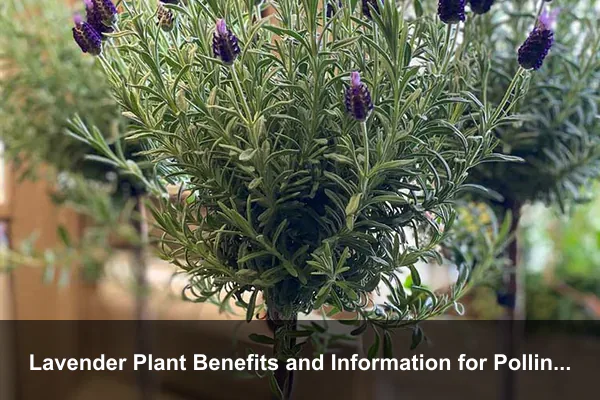
Lavender is often introduced as a fragrant herb, but its most useful role in a home landscape is broader than scent alone. This flowering plant connects beauty, pollinator support, low-water design, and calming outdoor routines in one compact package. For readers searching for lavender plant benefits and information, the most valuable angle is not only what lavender can do after harvest, but how the living plant improves a garden while it is still growing.
Unlike many ornamental flowers that perform for only a short season, lavender can become a structural part of a balcony, courtyard, border, or sunny pathway. Its silver-green foliage, upright flower spikes, and clean herbal fragrance make it practical for people who want a plant that looks refined without needing constant attention. This guide focuses on lavender as a sensory and ecological plant, especially for gardeners who want beauty, fragrance, pollinators, and easier maintenance in the same space.
What Makes Lavender Different From Ordinary Garden Flowers
Lavender belongs to the genus Lavandula, a group of aromatic plants native to Mediterranean regions. Its natural background explains much of its personality: it prefers sun, open air, mineral soil, and drainage. Instead of large soft leaves, lavender has narrow foliage that helps it tolerate dry conditions. Instead of relying only on bright petals, it offers texture, scent, and nectar-rich blooms.
A Plant Built Around Aroma
The familiar lavender fragrance comes from essential oils stored in the leaves and flowers. In the garden, that aroma is released when the plant is brushed by hands, wind, clothing, or passing footsteps. This makes lavender especially useful near walkways, gates, seating areas, and patio edges where people naturally move close to the plant.
Beauty That Works in Structured Spaces
Lavender has a tidy, architectural habit compared with many loose-growing herbs. When planted in groups, it can create a soft hedge, a border line, or a repeated rhythm along a path. The plant gives a garden a finished look without requiring the formality of boxwood or the heavy watering needs of many bedding flowers.
Lavender Plant Benefits for Pollinators and Biodiversity
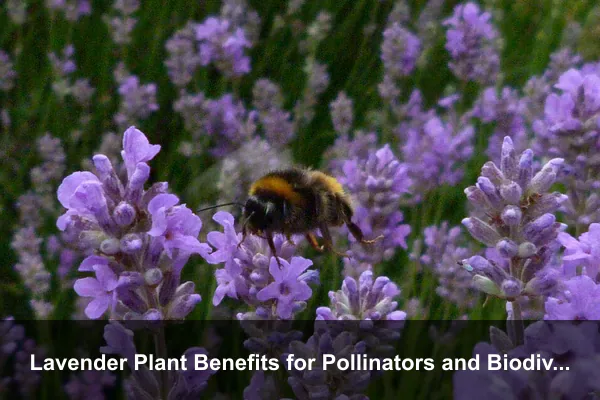
One of the most important lavender plant benefits is its ability to support beneficial insects. When lavender is in bloom, bees, butterflies, hoverflies, and other pollinators are often drawn to its flowers. This makes it useful not only as a decorative plant, but also as part of a more balanced garden ecosystem.
Why Pollinators Like Lavender
Lavender flowers are rich in nectar and appear in clusters that make feeding efficient for visiting insects. A single mature plant can produce many flower spikes, creating repeated landing points in a small area. This is especially helpful in urban gardens where pollinator-friendly food sources may be scattered or limited.
How Lavender Helps Nearby Plants
By attracting pollinators, lavender can indirectly support fruiting vegetables, herbs, and flowering plants grown nearby. It is not a magic solution for every garden problem, but it can improve activity in a sunny growing area. For best results, place lavender near plants that bloom at different times, so pollinators find food across more of the season.
- Near vegetable beds: Lavender can help draw attention to sunny kitchen garden areas.
- Near fruiting plants: It can add pollinator interest around strawberries, tomatoes, peppers, and small fruit spaces.
- Near ornamental borders: It adds movement, scent, and natural activity to flower beds.
- Near patios: It lets people enjoy pollinator activity from a comfortable distance.
Lavender Plant Benefits for Mood, Focus, and Sensory Design
Lavender is often associated with relaxation, but it is best to describe this benefit in practical, everyday terms. The living plant can make a space feel calmer because it engages the senses gently: a cool-toned flower color, a clean fragrance, fine foliage, and the quiet movement of pollinators. It should not be treated as a medical cure, but it can support a more peaceful daily routine.
Using Lavender for Sensory Gardens
A sensory garden is designed around sight, scent, touch, sound, and seasonal change. Lavender fits this concept very well because it does not need to dominate the landscape to be noticed. A small row beside a bench, a pot near a sunny door, or a border beside a path can create a memorable sensory experience.
Where the Fragrance Works Best
Lavender fragrance is strongest when the plant receives warmth and sun. Place it where afternoon light can heat the leaves slightly, but avoid cramped corners with stagnant air. Good airflow keeps the plant healthier and helps the scent move naturally through the space.
- Plant lavender beside a walkway so the foliage is brushed lightly.
- Use it near outdoor seating where the scent can be enjoyed without cutting the flowers.
- Place containers near sunny entrances for a welcoming aromatic detail.
- Combine it with plants that have different textures, such as ornamental grasses or small-leaved herbs.
Choosing the Right Lavender for Your Climate and Space
Good lavender results begin with choosing the right type. Many beginners fail with lavender because they treat all varieties the same. In reality, different lavenders vary in cold tolerance, humidity tolerance, flower shape, and mature size.
English Lavender
English lavender, often labeled Lavandula angustifolia, is one of the most popular choices for classic fragrance and compact garden planting. It is commonly used in borders, cottage-style gardens, and herb gardens. In cooler climates, it is often more dependable than more tender types.
Spanish and French Lavender
Spanish lavender and French lavender are often recognized by showier flower heads or decorative top bracts. They can be excellent in warm climates and containers, especially where winters are mild. However, they may not tolerate cold winters as well as English lavender, so local climate matters.
Compact Varieties for Small Spaces
For balconies, narrow beds, and small patios, compact varieties are usually better than large spreading plants. A smaller lavender in a well-drained pot is easier to manage, easier to move, and less likely to become woody too quickly. This makes lavender useful even when the garden is only a sunny corner.
Planting Lavender as a Low-Water Landscape Feature
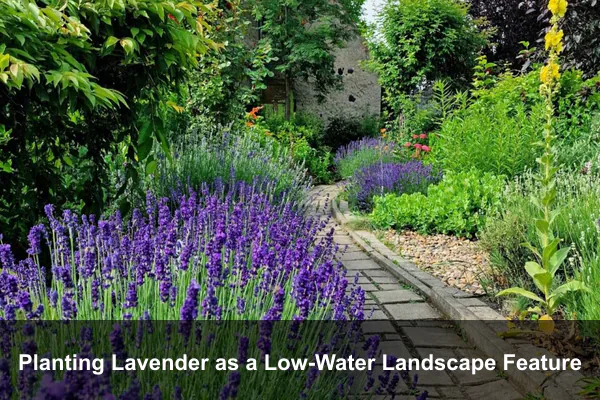
Another major benefit of lavender is its suitability for lower-water garden design once established. It is not a plant for soggy soil or heavy shade. Instead, it rewards gardeners who provide sunlight, drainage, and restraint with watering.
Soil and Drainage Matter More Than Richness
Lavender usually performs better in lean, gritty soil than in rich, constantly moist soil. Too much fertility can produce soft growth that is less fragrant and more vulnerable to disease. If your soil is heavy clay, raised beds, slopes, gravelly amendments, or containers can make a meaningful difference.
Watering With Restraint
New lavender plants need consistent moisture while roots establish, but mature plants generally prefer the soil to dry between watering. The goal is not neglect; the goal is balance. Water deeply when needed, then let the root zone breathe. This habit supports stronger roots and reduces the risk of crown rot.
- Choose a pot with drainage holes, never a sealed decorative container.
- Use a loose potting mix improved with mineral material if the mix stays wet too long.
- Place the plant where it receives at least six hours of direct sun when possible.
- Avoid crowding lavender between thirsty plants that need frequent watering.
Smart Placement Ideas for Homes, Patios, and Garden Borders
Lavender is most effective when placed with intention. Because its benefits are tied to scent, sunlight, and visibility, placement can make the difference between a plant that merely survives and one that becomes a highlight of the home garden.
For Front Paths and Entrances
Lavender near an entrance creates a strong first impression without looking overly formal. A pair of containers beside a sunny doorway or a short row along a path can make the entry feel cared for and welcoming.
For Balconies and Small Patios
In small spaces, lavender should be treated as a sun-loving feature plant rather than a filler. Give it the brightest position, use a breathable container if possible, and avoid surrounding it with plants that block airflow. A single healthy lavender can be more attractive than several crowded herbs struggling together.
For Mixed Borders
Lavender pairs well with rosemary, sage, thyme, yarrow, ornamental grasses, and other plants that enjoy sun and drainage. The key is matching water needs. Avoid planting lavender beside moisture-loving plants that require frequent irrigation, because the maintenance needs will conflict.
Common Mistakes That Reduce Lavender Benefits
Lavender is often described as easy, but it is easy only when its natural preferences are respected. Most problems come from trying to grow it like a tropical foliage plant or a thirsty bedding flower.
- Too much shade: Weak light leads to stretched growth, fewer flowers, and weaker fragrance.
- Wet soil: Constant moisture can damage roots and shorten the plant’s life.
- Overfeeding: Heavy fertilizer encourages soft growth instead of compact, aromatic stems.
- Poor airflow: Crowded planting can invite fungal problems, especially in humid regions.
- Wrong variety: A lavender suited to dry summers may struggle in humid or cold locations.
If you garden in a humid climate, focus on spacing, raised planting, and morning sun. If you garden in a cold climate, choose hardier varieties and avoid low spots where winter moisture collects. These adjustments are more useful than forcing a one-size-fits-all lavender routine.
Conclusion
Lavender plant benefits and information become more meaningful when the plant is understood as part of a living space, not just as a harvested herb. It offers fragrance, structure, pollinator value, seasonal color, and low-water potential in a way few compact flowering plants can match.
For the best results, choose a lavender type suited to your climate, give it strong sunlight and excellent drainage, and place it where people and pollinators can both enjoy it. Whether grown beside a path, in a balcony pot, or as a repeating border in a sunny garden, lavender can turn a simple planting area into a calm, useful, and ecologically richer corner of the home.
