
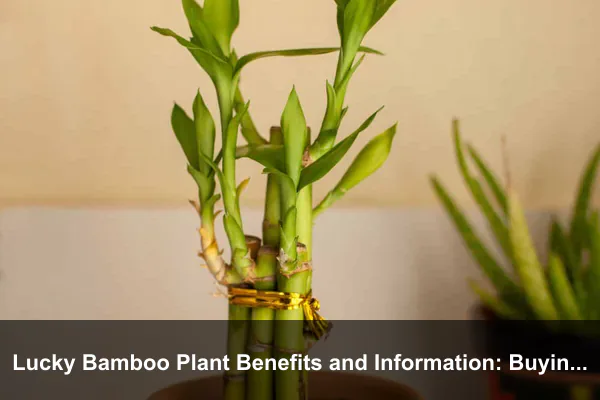
Lucky bamboo has a rare mix of qualities: it looks sculptural, grows neatly in water, and fits easily into homes that do not have garden space. For many plant owners, it becomes a first indoor plant because a clean glass vase, a few stones, and bright indirect light can create a calm green accent without soil mess or complicated tools.
This guide approaches lucky bamboo plant benefits and information from a practical and less repeated angle: how to choose a healthy plant, how to give it as a thoughtful living gift, how to prevent common problems, and how to keep the arrangement fresh over time. In the context of manfaat tanaman, lucky bamboo is useful not because it promises miracles, but because it brings simple greenery, visual order, and a manageable plant-care habit into everyday rooms.
What Lucky Bamboo Really Is
Lucky bamboo is commonly sold as bamboo, but botanically it is not a true bamboo at all. Its scientific name is Dracaena sanderiana, a member of the Dracaena group of ornamental plants. True bamboo is a fast-growing grass with hollow culms, while lucky bamboo is a cane-form houseplant with leafy shoots that grow from nodes along the stem.
This distinction matters because lucky bamboo does not want the same conditions as outdoor bamboo. It prefers warm indoor temperatures, gentle light, clean water, and stable care. When people treat it like an aquatic plant or a sun-loving bamboo, the result is often yellow leaves, soft stems, or cloudy water.
Botanical identity in simple terms
- Common name: Lucky bamboo
- Botanical name: Dracaena sanderiana
- Plant type: Tropical ornamental houseplant
- Usual indoor form: Cut canes rooted in water or planted in potting mix
- Main appeal: Upright green stalks, compact size, and easy display
Why it grows well in water
Lucky bamboo can live in water because its stems root easily from the lower nodes. However, it is better described as a water-adapted houseplant than a true aquatic plant. The roots still need oxygen, the container still needs cleaning, and the plant still depends on bright indirect light for energy.
A healthy water-grown lucky bamboo usually has firm green stems, fresh leaves, and pale, cream, orange, or reddish roots. A light root tint is normal, especially in established plants. What you do not want is a sour smell, black mush, or a stem that feels soft when gently pressed.
Benefits That Make Lucky Bamboo Worth Growing
The most realistic lucky bamboo benefits are practical, visual, and emotional. It is not a cure-all plant, and it should not be described as an edible or medicinal herb. Its strength is that it gives people an easy way to bring living greenery into a room while keeping the care routine simple.
Compact greenery for limited spaces
Lucky bamboo is useful for apartments, shelves, entry tables, bedside corners, reception counters, and small kitchens because it grows vertically instead of spreading widely. A three-stalk arrangement can fit where a large potted plant would be inconvenient. This makes it especially helpful for renters, students, and busy households that want indoor plants but do not want heavy pots or constant pruning.
A low-mess alternative to soil-grown plants
Many people like plants but dislike spilled soil, fungus gnats, or heavy planters. Water-grown lucky bamboo offers a cleaner option. With a stable vase and washed pebbles, the plant can be moved, cleaned, and refreshed with little effort. This is one of the clearest benefits for people who want a decorative plant on a desk, counter, or narrow shelf.
A gentle plant-care habit
Lucky bamboo encourages a simple routine: check the water, notice leaf color, rinse the container, and adjust the light if needed. That small rhythm can make plant care feel approachable instead of intimidating. For beginners, success with lucky bamboo can build confidence before moving on to more demanding houseplants.
Decorative structure without visual clutter
The straight canes and soft leaves create a clean vertical line. This is why lucky bamboo often works in minimalist, modern, tropical, and natural home styles. It can soften hard surfaces such as glass, tile, metal, and concrete without making the room feel crowded.
A thoughtful living gift
Lucky bamboo is easy to transport, easy to display, and widely associated with good wishes. That makes it a popular gift for housewarmings, work milestones, new businesses, graduations, and simple thank-you gestures. The best gift value comes from choosing a healthy plant and pairing it with clear care instructions, not from relying only on symbolism.
How to Choose a Healthy Lucky Bamboo Plant
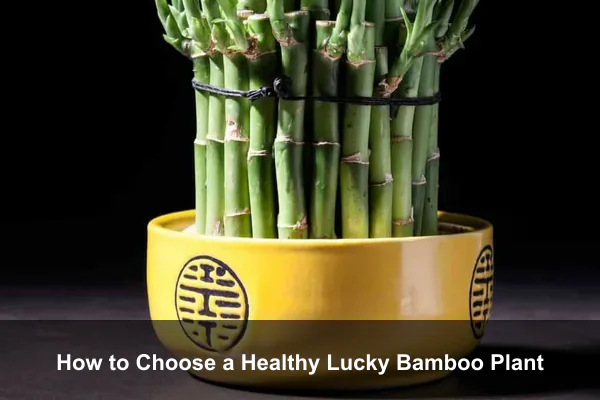
The best lucky bamboo care begins before the plant comes home. A weak plant may decline even if the owner does everything right, while a healthy plant is much more forgiving. When shopping, look beyond the shape of the arrangement and inspect the stems, roots, leaves, and container.
Check the stems first
The stems should be firm, evenly green, and free from dark soft patches. A small dry cut at the top of a cane is normal because many lucky bamboo stalks are sold as cut stems. What matters is that the living tissue below looks healthy. Avoid plants with yellow canes, wrinkled stems, or a base that feels mushy.
Read the roots and water
Healthy roots may look white, cream, light orange, or reddish. Avoid plants sitting in foul-smelling water or containers with slimy black roots. A little green algae on glass is common in bright locations, but heavy algae can signal that the plant has been sitting too long without proper cleaning.
Look at the leaves without expecting perfection
Fresh leaves should be green and upright. A few dry brown tips can happen from water quality or dry air, but large yellow sections, crispy scorched patches, or drooping new growth are warning signs. Choose the plant with the strongest leaves, not only the prettiest vase.
Choose a practical size
A tall spiral arrangement can be beautiful, but it may tip over in a lightweight container. For everyday homes, a shorter arrangement in a heavy glass or ceramic vessel is often easier to maintain. If the plant is a gift, choose a size that the recipient can place immediately without needing a new stand, shelf, or pot.
Turning Lucky Bamboo into a Thoughtful Gift
Lucky bamboo is often purchased quickly as a decorative gift, but a little planning makes it more meaningful and easier for the recipient to keep alive. The goal is to give a plant that suits the person, the room, and the amount of attention they can realistically provide.
Match the arrangement to the recipient
- For a new apartment: Choose a compact three-stalk or five-stalk arrangement in a stable vase.
- For a desk or reception area: Choose a low, balanced container that will not spill easily.
- For a beginner plant owner: Choose straight stalks instead of complex shapes because they are easier to clean around.
- For a family home: Choose a container that can sit high on a shelf if pets or children are present.
- For a plant collector: Choose a clean, healthy specimen with visible roots and room for future growth.
Add a short care note
A small care note can be more useful than an elaborate container. It should be direct and simple. For example, mention that the plant needs bright indirect light, clean water, and a rinse every week or two. Also note that it should be kept away from curious pets.
- Place in bright indirect light, not harsh afternoon sun.
- Keep the roots covered with clean water.
- Change the water when it turns cloudy or about once a week.
- Use filtered water if leaf tips turn brown or yellow.
- Keep away from cats and dogs that may chew the leaves.
Use meaning respectfully
Lucky bamboo is widely associated with good fortune, resilience, harmony, and positive energy. These meanings can make the gift feel warm and intentional. Still, it is best to present them as cultural and decorative associations rather than guaranteed outcomes. A good message might be: May this plant bring freshness, focus, and good wishes to your new space.
Arrangement Ideas That Stay Fresh and Easy
Lucky bamboo arrangements can be simple or elaborate, but the easiest displays are the ones that remain stable, clean, and easy to rinse. Before choosing a dramatic shape, consider how the plant will be cleaned and where it will stand.
Straight stalk arrangements
Straight stalks are the most practical choice for everyday care. They are easy to lift, inspect, and rinse. They also suit narrow vases and small surfaces. If you want a clean, modern look, straight stalks with smooth dark stones or clear pebbles are usually enough.
Spiral and trained stalks
Spiral lucky bamboo is made by training the plant toward light over time. It looks artistic, but the curved stems can be more delicate and harder to clean around. Choose spiral forms when the plant will be displayed in a protected location where it will not be bumped often.
Pebbles, stones, and anchors
Pebbles help hold the canes upright, but they should not trap decaying debris. Smooth stones are easier to rinse than porous materials. Avoid containers where stones are glued permanently over the root area, because that makes cleaning difficult and can hide root problems.
Vase height and balance
The container should support at least the lower third of the stalks. Tall plants in shallow containers are prone to tipping. A heavier base is especially important if the arrangement is placed near a doorway, on a shared counter, or in a home with children.
A Simple Care System That Prevents Most Problems
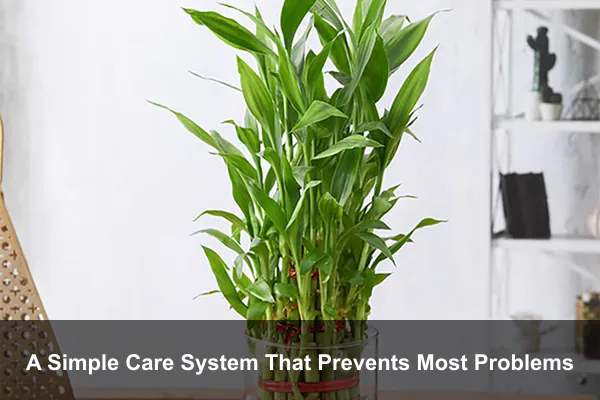
Lucky bamboo care becomes easy when it is treated as a simple system: gentle light, clean water, occasional feeding, and regular inspection. Most problems come from too much sun, poor water quality, over-fertilizing, or letting the container become dirty.
Light
Place lucky bamboo in bright indirect light. Near a window with filtered light is usually ideal. Direct afternoon sun can scorch leaves and heat the water, while very dark corners can cause weak growth and pale leaves. If the plant leans strongly toward one side, rotate the container every week so the growth stays balanced.
Water
Keep the roots covered, but do not drown the whole stem. One to three inches of water is often enough for a small arrangement, depending on root length and container shape. Change the water about once a week or whenever it becomes cloudy. If your tap water is heavily treated, filtered or distilled water may reduce brown tips and yellowing.
Container cleaning
Rinse the vase and stones regularly. A clear glass container makes root inspection easy, but it can encourage algae if it receives too much light. If algae becomes persistent, move the plant slightly farther from the window or use an opaque container.
Fertilizer
Lucky bamboo needs very little fertilizer. Too much feeding is a common reason for yellow leaves and weak stems. If growth is pale but the light and water are good, use a very diluted liquid houseplant fertilizer only occasionally during active growth. A little is enough.
Temperature and placement
Keep the plant away from cold drafts, hot vents, air conditioner blasts, and outdoor heat. It prefers stable indoor warmth. Sudden temperature stress can cause leaf damage even when the water and light seem correct.
Troubleshooting Common Lucky Bamboo Problems
Lucky bamboo gives visible signals when something is wrong. The key is to respond early. A yellow leaf is usually manageable; a yellow, soft stem can be more serious. Inspect the plant from top to bottom before deciding what to change.
Yellow leaves
Yellow leaves may be caused by harsh light, poor water quality, too much fertilizer, or natural aging of older leaves. Move the plant away from direct sun, refresh the water, and pause fertilizer. If only one old leaf yellows while new growth remains green, remove the old leaf and continue observing.
Yellow or soft stalks
A yellow stalk is more concerning than a yellow leaf. If the stalk is firm and only slightly discolored near the top, the plant may recover after care adjustments. If the stalk is soft, smells bad, or turns yellow from the base upward, it may be rotting. Remove damaged stalks from the arrangement so the problem does not spread through dirty water.
Brown leaf tips
Brown tips often point to mineral buildup, dry air, or inconsistent water changes. Switch to filtered water, trim only the dry brown edge if desired, and keep the container cleaner. Do not cut into healthy green tissue more than necessary.
Cloudy water
Cloudy water usually means the container needs cleaning, plant debris is decomposing, or the water is too warm and bright. Remove the stalks, rinse the roots gently, wash the vase, rinse the stones, and refill with fresh water. Avoid soap residue because it can damage roots.
Algae growth
Algae is common in clear containers exposed to strong light. It is not always fatal, but heavy algae competes for oxygen and makes the display look neglected. Reduce light on the water area, clean more often, or switch to an opaque vase.
Slow growth
Lucky bamboo is naturally slow indoors. If the plant is green and firm, slow growth is not a problem. If growth is pale or stretched, improve indirect light. If the plant has been in the same water for too long, refresh the container and consider a very diluted feeding during the growing season.
Safety and Responsible Use at Home
Lucky bamboo is ornamental, not edible. This point is important because the word bamboo can make people assume it is safe like edible bamboo shoots. Dracaena sanderiana should not be used for tea, food, herbal remedies, or children’s plant experiments involving tasting.
Pet safety
Lucky bamboo can be toxic to cats and dogs if chewed. Possible reactions may include drooling, vomiting, appetite changes, or weakness. If you have pets that bite leaves, place the plant on a high shelf, inside a protected display area, or choose a different pet-safe plant. If a pet eats part of the plant and shows symptoms, contact a veterinarian.
Child safety
For homes with small children, use a heavy container that cannot tip easily. Avoid small decorative stones if they could become a choking risk. Keep plant water clean, and do not let children treat the vase like a toy.
Cleaner and more sustainable choices
A responsible lucky bamboo setup does not need plastic wraps, dyed stones, glitter, or disposable novelty containers. A durable glass or ceramic vase, natural pebbles, and clean water will look better over time. If the plant grows too tall, healthy leafy shoots can sometimes be propagated, which reduces waste and creates new plants from an existing one.
Useful Information for Long-Term Planning
Before buying lucky bamboo, it helps to know what the plant will and will not do. The canes do not become large outdoor bamboo poles. They usually remain close to their purchased height, while leafy shoots may grow longer from the nodes. This makes the plant predictable for shelves and counters.
Water-grown versus soil-grown
Water-grown lucky bamboo is clean and decorative, but soil-grown plants may develop a stronger root system over time. If you move lucky bamboo into soil, use a well-draining potting mix and keep it lightly moist while it adapts. Do not bury the cane too deeply, and avoid soggy soil.
Expected lifespan
With clean water, suitable light, and stable indoor temperatures, lucky bamboo can last for years. Decline usually happens because of neglected water, mineral stress, rot, or repeated exposure to direct sun. The plant is forgiving, but it is not maintenance-free.
Pruning and shaping
If a leafy shoot becomes too long, it can be trimmed with clean scissors. Pruning helps keep the display balanced. New shoots may emerge near nodes below the cut. Avoid cutting the main cane unless you understand propagation, because damaged canes may not recover attractively.
Weekly and Monthly Care Routine
A routine is more reliable than guessing. Lucky bamboo does not need daily attention, but it benefits from regular small checks. The following schedule keeps care simple for beginners and busy plant owners.
Weekly routine
- Check that the roots are still covered with water.
- Look for yellow leaves, soft stems, or unusual smells.
- Rotate the vase if the plant is leaning toward the light.
- Remove fallen leaves from the water.
- Refresh the water if it looks cloudy.
Monthly routine
- Remove the plant and rinse the roots gently.
- Wash the vase and stones thoroughly.
- Inspect the base of every stalk for softness.
- Trim dry leaf tips if they bother the display.
- Review placement if leaves are fading, burning, or stretching.
Seasonal routine
During warmer months, the plant may grow more actively and may need slightly more frequent water checks. During cooler months, growth may slow. Keep it away from cold windows and heating vents. Fertilizer, if used at all, should be light and occasional rather than automatic.
Frequently Asked Questions About Lucky Bamboo Plant Benefits and Information
Does lucky bamboo clean indoor air?
Lucky bamboo may contribute to a fresher feeling room by adding greenery and visual softness, but it should not be treated as a replacement for ventilation, cleaning, or air filtration. Its most dependable benefits are decorative, psychological, and practical.
Can lucky bamboo live only in water?
Yes, lucky bamboo can live in water for a long time if the roots are covered, the container is cleaned, and the plant receives bright indirect light. It can also grow in soil, but switching from water to soil should be done carefully.
Why is my lucky bamboo turning yellow?
Common causes include direct sun, poor water quality, too much fertilizer, dirty water, or stem rot. Yellow leaves are often easier to fix than yellow stalks. If the stalk itself becomes soft, remove it from the arrangement and clean the container.
How many stalks should I buy?
Choose the number based on space, stability, and the purpose of the plant. A small three-stalk arrangement is easy for beginners. Larger arrangements can look impressive but need a heavier container and more careful cleaning.
Is lucky bamboo good for bedrooms?
It can work well in a bedroom if there is enough indirect light and the plant is kept away from pets. Use a stable container, keep the water clean, and avoid placing it where it can be knocked over at night.
Is lucky bamboo safe for pets?
No, it is not considered pet-safe. Because it belongs to the Dracaena group, it can cause problems if cats or dogs chew it. Pet owners should keep it out of reach or choose a confirmed pet-safe houseplant instead.
Conclusion
Lucky bamboo plant benefits and information are best understood through a practical lens. This plant is attractive, compact, beginner-friendly, and easy to present as a meaningful gift, but it still needs clean water, indirect light, and responsible placement. Its value is strongest when expectations are realistic: it is an ornamental houseplant that brings order, greenery, and a simple care ritual into the home.
If you choose firm green stalks, inspect the roots, use a stable container, and respond quickly to yellowing or cloudy water, lucky bamboo can stay fresh for years. Whether it is bought for yourself or given to someone else, the best arrangement is not the most elaborate one. It is the one that remains healthy, easy to clean, and suited to the life of the person caring for it.
