
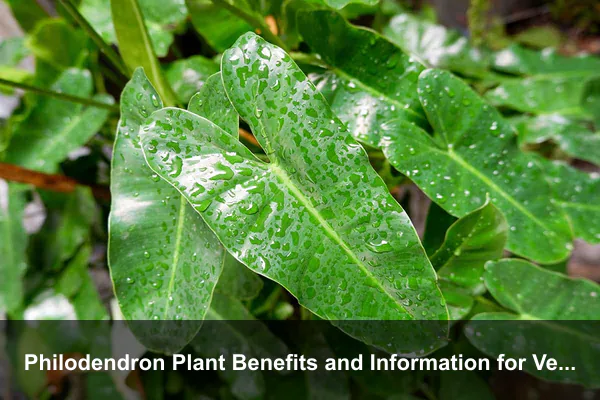
Philodendron plant benefits and information often focus on the plant’s beauty, but its real value goes deeper than attractive leaves. A philodendron can turn an empty wall, shelf, desk corner, or indoor trellis into a living green feature while staying approachable for everyday plant owners. It is one of the most adaptable houseplants because many varieties respond well to pruning, training, propagation, and gradual changes in indoor conditions.
This guide takes a different angle from a basic care list. Instead of only naming popular types or repeating general houseplant advice, it explains how philodendrons work as practical indoor greenery: climbing upward, trailing downward, teaching plant observation, supporting small-space design, and giving owners an easy way to grow more plants from cuttings. If you want a plant that is useful, decorative, educational, and manageable, the philodendron deserves a serious place in your indoor plant plan.
Why Philodendron Is More Than a Decorative Houseplant
Philodendrons belong to the aroid family, a group of plants known for bold foliage, aerial roots, and strong adaptation to shaded tropical environments. In the home, these traits translate into a plant that can handle indoor light better than many sun-loving ornamentals. The leaves may be heart-shaped, velvety, glossy, deeply lobed, striped, or upright depending on the variety, but the shared appeal is the same: lush growth without needing an outdoor garden.
The most helpful philodendron plant benefits and information begin with its growth behavior. Some philodendrons are vining plants that trail from shelves or climb supports. Some are self-heading plants that form a compact upright shape. Others crawl horizontally along the soil surface. This variety gives homeowners more design flexibility than many single-form houseplants.
For people interested in Manfaat Tanaman, or plant benefits, philodendron offers a blend of visual, practical, and emotional value. It softens hard indoor lines, makes rooms feel calmer, creates a sense of freshness, and gives plant owners a rewarding routine. While no houseplant should be marketed as a miracle air purifier, philodendrons can still contribute to a healthier-feeling indoor space by encouraging better humidity awareness, cleaner surfaces, and more mindful home care.
Key Benefits at a Glance
- Flexible indoor display: Philodendrons can climb, trail, or grow upright depending on the variety.
- Beginner-friendly learning: Leaves quickly show signals about light, water, and growth conditions.
- Easy propagation: Many vining philodendrons root well from node cuttings.
- Small-space value: Vertical growth makes them useful in apartments, offices, and narrow rooms.
- Long-term plant ownership: Regular pruning can refresh the plant and create new cuttings.
How Philodendron Supports Vertical Indoor Greenery
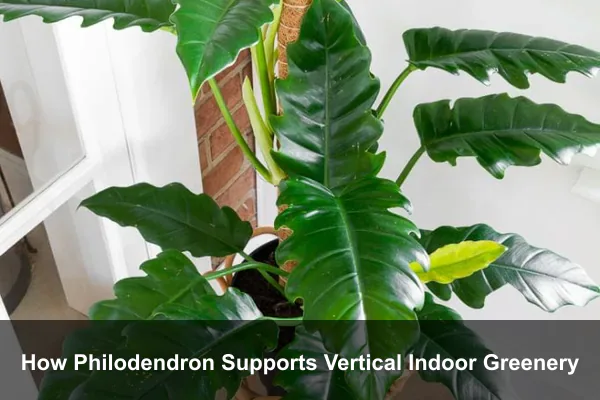
One of the most distinctive benefits of philodendron is its ability to grow vertically when given a proper support. In nature, many philodendrons climb trees using aerial roots. Indoors, a moss pole, coco pole, wooden plank, wall trellis, or simple plant stake can guide the same instinct in a controlled way. This makes philodendron especially useful for homes where floor space is limited but wall height is available.
A climbing philodendron can create a strong green column beside a bookshelf, brighten a corner near a window, or fill a bare vertical space without requiring a large pot. Compared with adding more furniture or decorative objects, a trained philodendron adds movement, texture, and natural variation. Leaves may become larger as the plant matures on a support, especially when humidity, light, and root contact improve.
Best Places to Use Vertical Philodendrons
- Beside a bright window with filtered light.
- Near a work desk where greenery can soften the view.
- On a plant stand with a moss pole for height.
- In a narrow hallway corner that receives indirect light.
- Against a plain wall where foliage can act as living texture.
Vertical growth also makes maintenance easier. Instead of long vines tangling across shelves, the plant can be guided upward and pruned regularly. This helps airflow around the leaves and reduces the messy appearance that sometimes happens when trailing plants are left unmanaged.
Climbing Versus Trailing Displays
A trailing philodendron looks relaxed and casual. It works well on shelves, bookcases, hanging planters, and cabinet tops. A climbing philodendron looks more intentional and architectural. It suits corners, statement planters, and vertical plant groupings. Neither choice is better in every home; the best option depends on your space, light direction, and how much pruning you want to do.
If you want a fuller, tidier plant, climb it. If you want soft vines that spill naturally, trail it. If you want both, start with a trailing plant and later select the strongest vines to attach to a pole while trimming weaker growth for propagation.
Propagation as a Practical Philodendron Benefit

Propagation is one of the most useful philodendron benefits because it turns plant care into a renewable process. Many vining philodendrons can grow roots from nodes, the small points on the stem where leaves and aerial roots emerge. When a cutting includes at least one healthy node, it has the potential to become a new plant under the right conditions.
This makes philodendron a smart choice for people who want to build an indoor plant collection without constantly buying new plants. It also supports a more sustainable approach to houseplant ownership. Instead of discarding leggy vines after pruning, you can root them in water, sphagnum moss, perlite, or a light potting mix.
Simple Propagation Method
- Choose a healthy vine with several leaves and visible nodes.
- Cut below a node using clean scissors or pruning shears.
- Remove any lower leaf that would sit in water or soil.
- Place the cutting in water or moist propagation medium.
- Keep it in bright indirect light, away from harsh direct sun.
- Move it to potting mix once roots are several centimeters long and branching.
Water propagation is popular because it lets you see the roots develop. However, cuttings rooted in water need a gentle transition to soil. Soil roots and water roots are not identical, so a newly potted cutting should be kept evenly moist at first, then slowly shifted into a normal watering rhythm.
Why Propagation Teaches Better Plant Care
Propagation helps owners understand the plant’s structure. You start noticing nodes, internodes, aerial roots, leaf direction, and stem strength. This knowledge improves pruning decisions and helps prevent random cutting that weakens the parent plant. It also makes philodendron less intimidating because you see how resilient the plant can be when handled correctly.
For families, students, and beginner gardeners, philodendron propagation can become a simple plant science project. It shows how roots form, how leaves respond to light, and how a single vine can become several living plants over time. That educational value is a benefit often missed in basic houseplant articles.
Reading Philodendron Leaves Like Plant Signals
Philodendron leaves are not only decorative; they are communication tools. A healthy plant usually produces firm leaves with consistent color, steady new growth, and stems that match the plant’s natural habit. When something changes, the leaves often show it before the whole plant declines.
Learning to read these signals is one of the most practical pieces of philodendron plant benefits and information. It helps you fix small problems early instead of guessing after the plant is already stressed.
Common Leaf Signals and What They Mean
- Yellow lower leaves: Often linked to overwatering, old age, poor drainage, or sudden environmental change.
- Long gaps between leaves: Usually a sign that the plant wants brighter indirect light.
- Brown crispy edges: May indicate low humidity, inconsistent watering, fertilizer buildup, or too much direct sun.
- Drooping leaves: Can happen from underwatering, overwatering, root stress, or recent repotting.
- Small new leaves: Often linked to low light, lack of support, weak roots, or low nutrients.
The key is to look at patterns, not one leaf in isolation. One yellow old leaf is usually normal. Several yellow leaves at once suggest a care issue. A single brown tip is not a crisis. Widespread browning deserves closer inspection of watering, humidity, roots, and light exposure.
Internodes Tell You About Light
The space between leaves is called the internode. On many vining philodendrons, long internodes mean the plant is stretching toward light. This is often called legginess. Moving the plant closer to a bright window with filtered light can encourage more compact growth. Avoid moving it suddenly into direct afternoon sun, which can burn leaves that are adapted to shade.
If your goal is a full plant, combine better light with pruning. Cut back long bare stems above a node. New growth may branch from nearby points, and the removed vine can become propagation material.
Everyday Indoor Care Without Overcomplication
Philodendrons are popular because they do not require perfection. Still, they perform best when care is consistent. The goal is not to follow a rigid calendar but to understand the plant’s rhythm. Indoor conditions change with seasons, air conditioning, heating, window direction, pot size, and soil type.
Light Needs
Most philodendrons prefer bright indirect light. They can tolerate lower light, but growth may slow, leaves may become smaller, and variegated varieties may lose contrast. Direct morning light can be acceptable for some plants, but strong afternoon sun may scorch foliage. A sheer curtain, a position near but not pressed against the window, or a spot with reflected daylight usually works well.
Watering Rhythm
Water when the top part of the potting mix feels dry, then water thoroughly until excess drains out. Do not let the pot sit in standing water. Overwatering is not simply giving too much water at once; it usually means watering too often, using a heavy mix, or keeping roots without enough oxygen.
A helpful habit is to check the soil before watering. Use your finger, a wooden stick, or the weight of the pot. If the mix still feels damp below the surface, wait. If the plant is drooping and the pot feels very light, it likely needs water.
Soil and Potting Mix
Philodendrons usually prefer an airy potting mix that holds some moisture but drains well. A practical mix may include indoor potting soil, orchid bark, perlite, coco chips, or pumice. The exact recipe can vary, but the goal is the same: moisture plus oxygen. A dense, muddy mix increases the risk of root rot.
Feeding
During active growth, a balanced diluted fertilizer can support stronger leaves and steadier development. Overfeeding can burn roots or cause salt buildup, so more is not always better. Feed lightly during growing periods and reduce or pause fertilizer when growth slows.
Choosing a Philodendron by Purpose, Not Just Appearance
Many people choose philodendrons based only on leaf color or social media popularity. A better method is to choose by purpose. Ask what the plant needs to do in your space. Should it climb, trail, stay compact, fill a corner, soften a shelf, or become a propagation project?
For Shelves and Hanging Planters
Heartleaf philodendron, Philodendron Brasil, and Philodendron Micans are often useful for trailing displays. Their vines can soften storage furniture, bookcases, and high plant stands. They are also good candidates for propagation because their nodes are easy to identify.
For Upright Floor Displays
Self-heading philodendrons, such as Imperial Green, Imperial Red, or similar upright cultivars, are better when you want a fuller plant that does not trail across the room. These are useful near seating areas, entry corners, or office spaces where a tidy shape is important.
For Plant Collectors Who Like Observation
Some philodendrons are valued for texture, venation, or mature leaf changes. These plants may need more attention to humidity, support, and potting medium. They can be rewarding, but they are not always the best first philodendron. Start with a resilient variety before buying expensive or rare plants.
Choosing by purpose reduces disappointment. A plant with dramatic leaves may not suit a dark corner. A fast vine may not suit a tiny desk. A compact upright variety may not create the trailing look you imagined. Good plant selection is part of good plant care.
Home Wellness Benefits Without Exaggerated Claims
Philodendron is often associated with indoor wellness, but it is important to keep claims realistic. Houseplants can make a room feel fresher, calmer, and more inviting. They can encourage routines, improve attention to indoor conditions, and add natural texture to spaces dominated by screens and hard surfaces. However, a philodendron is not a replacement for ventilation, cleaning, humidity control, or proper air filtration.
The real wellness benefit comes from the relationship between person, plant, and environment. When you care for a philodendron, you notice light, airflow, moisture, dust, and seasonal changes. You may open curtains more often, clean leaves, adjust room humidity, and create a more comfortable living area. These small behaviors can improve how a room functions.
Dust and Leaf Cleaning
Large philodendron leaves can collect dust. Wiping them with a soft damp cloth helps the plant receive light more efficiently and keeps the foliage attractive. Avoid heavy leaf shine products, especially on delicate or velvety leaves. Clean leaves look better and help the plant photosynthesize more effectively.
Mindful Routine
Plant care can become a calming weekly routine. Checking soil, turning the pot, tying a vine, or trimming a cutting gives the owner a short break from screens. This is a simple benefit, but it is one reason philodendrons remain popular in bedrooms, offices, apartments, and shared homes.
Safety Information for Homes With Pets and Children
Philodendron plants contain calcium oxalate crystals. If chewed or swallowed, they can irritate the mouth, throat, and digestive system of people and pets. This does not mean you cannot own philodendrons, but it does mean placement matters.
Keep philodendrons away from curious cats, dogs, and young children. Use high shelves, hanging planters, plant stands in restricted rooms, or vertical supports that keep leaves out of reach. Wear gloves if you have sensitive skin, and wash your hands after pruning or propagation.
Safe Placement Tips
- Place trailing vines where pets cannot tug or chew them.
- Trim long stems before they reach the floor.
- Use stable pots that cannot be easily knocked over.
- Keep fresh cuttings and pruning waste out of reach.
- Teach children not to touch or taste houseplants.
Safety is part of responsible plant ownership. A beautiful indoor plant should fit the people and animals who share the home.
Common Mistakes That Limit Philodendron Benefits
Philodendrons are forgiving, but repeated mistakes can reduce their beauty and lifespan. Most problems come from misunderstanding light, water, support, and potting conditions.
Using a Pot Without Drainage
A decorative pot without drainage can trap water at the bottom and suffocate roots. If you like decorative containers, use a nursery pot inside a cachepot and remove excess water after watering.
Ignoring Support for Climbing Types
Some philodendrons grow larger, stronger leaves when they climb. Letting them trail may still look attractive, but it can limit mature growth. If you want bigger leaves and a more structured display, offer a pole or plank early rather than after the plant has become tangled.
Overreacting to One Damaged Leaf
Leaves age, tear, yellow, or develop small blemishes. Do not change every part of your care routine because of one imperfect leaf. Look for repeated symptoms and review the basics before making major changes.
Buying Rare Plants Too Soon
Rare philodendrons can be expensive and sometimes more demanding. Beginners usually learn faster and lose less money by starting with reliable varieties. Once you understand watering, light, propagation, and pest checks, special varieties become easier to manage.
A Practical Philodendron Routine for Long-Term Growth
A simple routine keeps philodendron care sustainable. The plant does not need daily attention, but it benefits from regular observation.
Weekly Routine
- Check soil moisture before watering.
- Look under leaves for pests.
- Rotate the pot slightly for balanced growth.
- Guide loose vines onto supports.
- Remove yellow or damaged leaves.
Monthly Routine
- Wipe dust from leaves.
- Inspect roots if growth has slowed and watering feels unusual.
- Prune leggy vines and root healthy cuttings.
- Check whether ties on moss poles are too tight.
- Review whether the plant needs brighter light.
This routine is easy to adapt. In warm, bright months, the plant may need more water and occasional feeding. In cooler or darker months, it may grow more slowly and need less water. The best growers adjust to conditions instead of following a fixed schedule all year.
Conclusion: Why Philodendron Is a Smart Indoor Plant Choice
Philodendron plant benefits and information become most useful when you see the plant as more than decoration. It is a flexible indoor companion that can climb, trail, propagate, teach observation, and improve the feeling of a room without demanding expert-level care. Its leaves bring softness and structure, while its growth habits make it valuable for small spaces, vertical displays, and long-term indoor gardening.
The best way to enjoy a philodendron is to match the plant to your purpose. Choose a trailing type for shelves, a climbing type for vertical greenery, or an upright type for a tidy floor display. Give it bright indirect light, an airy potting mix, thoughtful watering, and safe placement. With those basics in place, a philodendron can become one of the most rewarding houseplants in your home.
