
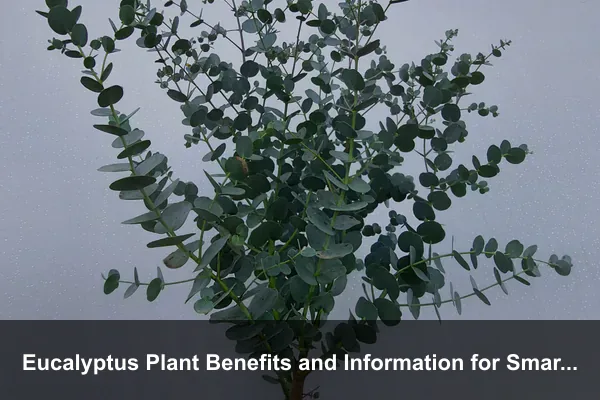
Eucalyptus is one of those plants people recognize before they truly understand it. Its blue-green leaves appear in bouquets, shower bundles, chest rubs, essential oil bottles, spa products, garden centers, and home decor displays. Because it is so common, many people assume every eucalyptus product offers the same value. In reality, the benefits depend on the species, the plant form, the source, the concentration, and how responsibly it is used.
This guide takes a practical, buyer-focused approach to Eucalyptus plant benefits and information. Instead of repeating broad claims about scent or garden value, it helps you understand what you are actually buying when you see fresh stems, dried foliage, potted eucalyptus, eucalyptus oil, extracts, or fragrance products. The goal is simple: enjoy the useful qualities of eucalyptus while avoiding exaggerated claims, unsafe habits, and poor-quality purchases.
For readers interested in manfaat tanaman, or the useful benefits of plants in daily life, eucalyptus is a strong example of why plant knowledge matters. Its value is real, but it is not magic. The best results come from knowing the difference between a living plant, a decorative stem, a cosmetic ingredient, and a highly concentrated essential oil.
What Eucalyptus Is and Why It Appears in So Many Products
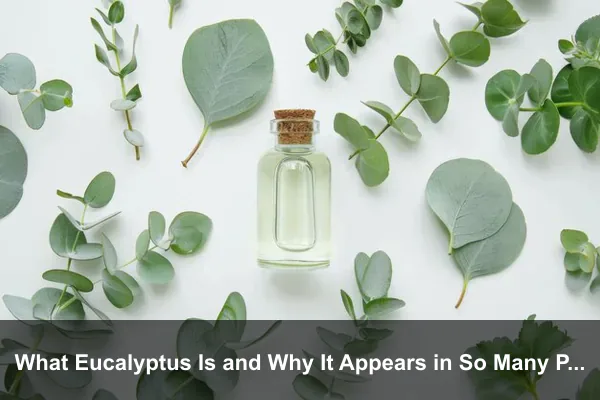
Eucalyptus is a large group of mostly evergreen trees and shrubs, many of which are native to Australia and nearby regions. There are hundreds of eucalyptus species, and they do not all look, smell, or grow the same way. Some have rounded juvenile leaves that florists love. Others develop long, narrow adult leaves, peeling bark, tall trunks, or strong aromatic oils.
The plant became popular worldwide because it offers several traits at once: attractive foliage, a clean herbal aroma, durable cut stems, fast growth in suitable climates, and useful aromatic compounds. These qualities explain why eucalyptus appears in many categories, including ornamental gardening, floristry, wellness products, household scenting, and personal care.
Common Forms Buyers Encounter
Most people do not interact with eucalyptus as a mature tree. They usually meet it in one of these forms:
- Fresh cut stems used in vases, bouquets, wreaths, and seasonal arrangements.
- Dried eucalyptus bundles sold for home styling or gentle room fragrance.
- Potted young plants grown on patios, balconies, or bright indoor spots for a limited time.
- Essential oil distilled from leaves and used in aromatherapy products, cleaning blends, or topical formulas when properly diluted.
- Cosmetic extracts added to soaps, shampoos, lotions, balms, and bath products.
- Fragrance products that may smell like eucalyptus but may not contain meaningful plant-derived material.
Understanding these forms matters because the benefits and risks are different. A stem in a vase is not the same as a bottle of essential oil. A potted eucalyptus seedling is not the same as a mature landscape tree. A scented candle labeled eucalyptus may provide aroma but not the botanical qualities of real leaf material.
Key Eucalyptus Plant Benefits and Information for Everyday Buyers
The most useful eucalyptus benefits are practical, sensory, and aesthetic. It can make a space feel fresher, add structure to floral designs, support outdoor planting goals in suitable climates, and provide aromatic material for carefully formulated products. The important phrase is carefully formulated. Eucalyptus should be appreciated with realistic expectations rather than treated as a cure-all.
Aromatic Value Without Overstated Claims
Eucalyptus leaves contain volatile compounds that create the plant’s recognizable scent. The aroma is often described as crisp, camphor-like, herbal, minty, or cooling. This scent can make a room, bathroom, or entryway feel cleaner and more refreshing. However, fragrance perception is personal. Some people love eucalyptus, while others find it too sharp or irritating.
From an SEO and reader education perspective, this is one of the most important points in any article about Eucalyptus plant benefits and information: aroma can support comfort, atmosphere, and routine, but it should not be described as guaranteed medical treatment. Responsible plant content respects both traditional use and modern safety awareness.
Decorative and Design Benefits
Eucalyptus is highly valued by florists because its foliage has shape, color, and texture. Silver dollar eucalyptus offers rounded leaves with a soft gray-green tone. Baby blue eucalyptus has compact, aromatic foliage. Seeded eucalyptus adds small bead-like clusters that create visual movement in arrangements.
These features make eucalyptus useful for:
- Softening bright flower arrangements with muted greenery.
- Adding height and movement to vases.
- Creating calm, natural-looking home displays.
- Balancing colorful flowers with cool foliage tones.
- Extending bouquet life when stems are fresh and properly hydrated.
Unlike many flowers that fade quickly, eucalyptus foliage often remains attractive as it dries. This gives it low-waste value for people who like long-lasting decor.
Learning Value for Plant Owners
Eucalyptus is also useful as a learning plant. It teaches plant owners about leaf oils, juvenile versus adult foliage, fast-growing species, climate fit, pruning, and the difference between ornamental and medicinal plant use. For beginners, this knowledge can prevent common mistakes, such as buying a cute potted eucalyptus for a dark room or using essential oil as if it were the same as fresh leaves.
How to Choose Fresh Eucalyptus Stems, Dried Bundles, and Potted Plants
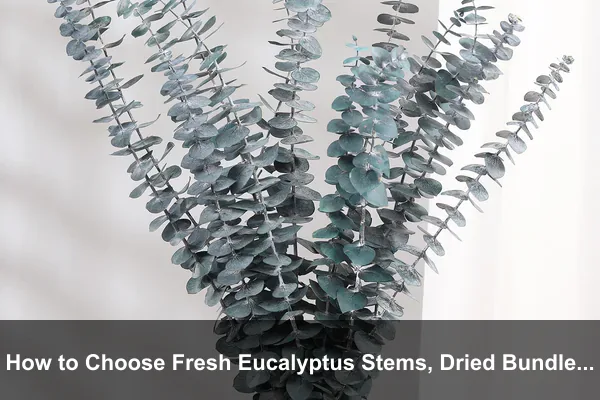
Good eucalyptus buying starts with observation. Whether you are shopping at a florist, garden center, farmers market, or online store, the quality of the product affects both its beauty and its usefulness.
Fresh Stem Checklist
When buying fresh eucalyptus stems, look for foliage that appears clean, flexible, and evenly colored. The leaves should not be slimy, heavily browned, or covered with gray dust that looks like mold. Some natural waxiness or powdery bloom can be normal on certain types, but decay is not.
- Choose stems with firm leaves that hold their shape.
- Avoid bundles with sour, rotten, or chemical-like odors.
- Check the lower stems for blackened, mushy areas.
- Look for consistent foliage color rather than patchy yellowing.
- Ask when the stems were delivered if buying from a florist.
Fresh eucalyptus should smell pleasant when handled, but it does not need to overwhelm the room. Very strong scent can be normal for some species, yet overpowering odor in a closed space may not suit sensitive households.
Dried Bundle Checklist
Dried eucalyptus is popular for wall hooks, wreaths, shelf styling, and bathroom displays. Good dried foliage should feel dry but not crumble into dust immediately. It should retain recognizable color and shape. If it smells musty, damp, or stale, skip it.
Some dried eucalyptus is dyed or preserved with glycerin. This is not automatically bad, but buyers should know what they are purchasing. Dyed foliage may bleed color if exposed to steam or moisture. Preserved stems may feel softer and last longer, but they are decorative materials rather than fresh plant products.
Potted Plant Checklist
Potted eucalyptus plants can be attractive, but they are often misunderstood. Many eucalyptus species naturally want bright sun, good airflow, and room for roots. A small nursery pot may look like a houseplant, but that does not mean it will thrive long-term in a dim indoor corner.
Before buying a potted eucalyptus, check:
- Whether the plant is labeled with a species or cultivar name.
- If your climate allows outdoor growing or only seasonal patio use.
- Whether you have enough bright light for strong growth.
- If the roots are circling heavily inside the pot.
- Whether the leaves are crisp from underwatering or yellow from stress.
If you want a short-term aromatic patio plant, a potted eucalyptus may be a good choice. If you want a permanent indoor plant for low light, there are better options.
Reading Eucalyptus Labels: Oil, Extract, Fragrance, and Hydrosol
Many buyers get confused by product labels. A package may say eucalyptus, but that word can mean several different things. Learning the label language helps you choose safer and more honest products.
Eucalyptus Essential Oil
Essential oil is a concentrated aromatic oil usually produced by steam distillation of leaves. It is powerful because it contains volatile compounds in a much stronger form than a fresh leaf. This concentration is why essential oil should be handled carefully.
Good essential oil labels often include the botanical name, such as Eucalyptus globulus or Eucalyptus radiata, along with country of origin, extraction method, batch information, and safety guidance. A vague label that only says eucalyptus oil with no details gives you less confidence.
Essential oil should not be swallowed, used undiluted on skin, placed directly under the nose of children, or used around pets without professional guidance. Natural does not mean harmless.
Eucalyptus Extract in Personal Care
Extracts are different from essential oils. A shampoo, lotion, or cleanser may contain eucalyptus leaf extract for scent, marketing appeal, or botanical positioning. The concentration is usually much lower than pure essential oil, but sensitive people can still react.
For skin products, check the ingredient list and patch test when appropriate. If you have eczema, asthma, fragrance sensitivity, or a history of reactions, choose products carefully and consult a qualified professional when needed.
Eucalyptus Fragrance Oil
A fragrance oil may smell like eucalyptus but can be partly or entirely synthetic. This is common in candles, room sprays, detergents, and wax melts. Synthetic fragrance is not automatically poor quality, but it should not be confused with botanical eucalyptus benefits.
If your goal is simply a eucalyptus-like scent, fragrance products may be enough. If your goal is plant-based sourcing or botanical transparency, look for more detailed labeling.
Eucalyptus Hydrosol
Hydrosol is the aromatic water collected during distillation. It is much milder than essential oil, but it still contains aromatic compounds and should be used sensibly. Quality hydrosols should have clear storage instructions because water-based botanical products can spoil more easily than oils.
Safety, Pets, and Responsible Home Use
Safety is one of the most important parts of responsible eucalyptus content. The plant has useful qualities, but it can also cause problems when used carelessly. This is especially true for concentrated oils.
For People and Skin
Fresh eucalyptus stems are usually handled as decorative foliage, but essential oil requires more caution. Undiluted oil can irritate skin. Ingesting eucalyptus oil can be dangerous. Using too much in a small, poorly ventilated room may bother people with respiratory sensitivity.
Basic safety habits include:
- Do not drink eucalyptus essential oil.
- Do not apply essential oil directly to skin without proper dilution.
- Keep oils away from eyes, lips, and broken skin.
- Ventilate rooms when using strong aromatic products.
- Store oils out of reach of children.
Children, Pregnancy, and Respiratory Sensitivity
Households with infants, young children, pregnant people, older adults, or people with asthma should be extra careful with strong eucalyptus products. This does not mean every eucalyptus item is forbidden, but it does mean concentrated use deserves caution. When in doubt, ask a qualified healthcare professional, especially before using essential oils for health-related purposes.
Pets and Eucalyptus
Cats, dogs, birds, and small animals can be sensitive to essential oils and aromatic compounds. Do not let pets chew eucalyptus leaves, drink vase water from eucalyptus arrangements, lick oils, or stay trapped in a room with heavy diffusion. Pet-safe homes should treat eucalyptus as a controlled decorative or aromatic item rather than an accessible toy.
Care and Storage After You Bring Eucalyptus Home
Once you buy eucalyptus, simple care choices can extend its useful life. This is where plant information becomes practical.
Fresh Vase Stems
Trim the stem ends before placing them in clean water. Remove leaves that would sit below the waterline, because submerged foliage encourages bacterial growth. Change the water every few days and keep the vase away from direct heat, strong sun, and ripening fruit.
Fresh eucalyptus often dries naturally in the vase. If you want a cleaner dried look, remove the stems once they begin to lose freshness and hang them upside down in a dry, airy place.
Shower Bundles
Eucalyptus shower bundles are popular, but they should be used thoughtfully. Hang the bundle where steam can reach it without soaking it constantly. Do not place it where it blocks ventilation, drips onto electrical items, or drops leaves into drains. Replace it if it becomes moldy, slimy, or unpleasant-smelling.
The scent from a shower bundle is usually milder than essential oil diffusion, but small bathrooms can still concentrate aroma. If it irritates your eyes, throat, or breathing, remove it.
Dried Stems and Wreaths
Keep dried eucalyptus away from damp walls, direct shower spray, cooking grease, and open flames. Dust it gently when needed. If the leaves become brittle, faded, or musty, compost or discard them according to local waste rules.
Potted Eucalyptus Care Basics
For potted plants, prioritize bright light, drainage, and airflow. Use a pot with drainage holes and avoid letting the roots sit in water. Many eucalyptus plants dislike constantly wet soil. Water deeply when needed, then allow the mix to partially dry depending on the pot size, climate, and season.
Pruning can help maintain a fuller shape while the plant is young, but heavy cutting will not solve poor light or root stress. If your eucalyptus grows rapidly, plan for repotting or outdoor placement before it becomes root-bound.
Sustainability and Ethical Sourcing
A smart eucalyptus buyer also thinks beyond appearance and scent. Where did the product come from? Was it grown responsibly? Is it appropriate for your local environment? Will it become waste quickly?
Choose the Right Product for the Job
If you only need a decorative accent for one dinner table, a few fresh stems may be better than a large dried bundle wrapped in plastic. If you want long-lasting foliage, preserved eucalyptus may reduce repeat purchases. If you want scent only, a carefully chosen product with clear ingredients may be more practical than buying a live plant you cannot care for.
Climate and Invasiveness Awareness
In some regions, eucalyptus can be valuable as a landscape tree. In others, it may be poorly suited, thirsty, messy, fire-sensitive, or invasive depending on species and local conditions. Before planting eucalyptus outdoors, check local guidance. A plant that is useful in one climate can create maintenance or ecological problems in another.
Packaging and Waste
Look for minimal packaging, recyclable wraps, and sellers who can explain their sourcing. Florist-grade stems often come through supply chains that involve transport, refrigeration, and plastic sleeves. That does not mean you must avoid them, but it does mean mindful buying is part of the real benefit equation.
Quick Reference: Smart Eucalyptus Buying Checklist
Use this checklist when shopping for eucalyptus products:
- Identify the form. Is it fresh foliage, dried decor, a potted plant, essential oil, extract, hydrosol, or fragrance?
- Check the label. Look for botanical names, ingredient details, safety notes, and sourcing information.
- Match it to your purpose. Decor, scent, gardening, and personal care require different products.
- Think about sensitivity. Consider children, pets, asthma, fragrance sensitivity, and room ventilation.
- Inspect quality. Avoid mold, rot, stale odor, leaking bottles, vague labels, and damaged plants.
- Plan storage. Keep oils secure, stems clean, dried bundles dry, and potted plants in suitable light.
- Avoid miracle claims. Eucalyptus can be useful without being exaggerated.
Common Mistakes to Avoid
Many eucalyptus disappointments come from treating every product the same. The following mistakes are easy to avoid once you understand the plant better.
Assuming Stronger Scent Means Better Quality
A strong smell is not always a sign of superior eucalyptus. It may simply reflect species, concentration, freshness, or added fragrance. For indoor comfort, balance matters more than intensity.
Using Essential Oil Like Fresh Leaves
Fresh leaves in a vase are mild compared with essential oil. Essential oil is concentrated and should be used with dilution, ventilation, and caution.
Buying a Potted Eucalyptus for a Dark Room
Most eucalyptus plants need far more light than typical indoor corners provide. If you cannot offer bright conditions, choose another plant for that spot.
Ignoring Pets
Eucalyptus arrangements and oils should be placed where pets cannot chew, drink, lick, or knock them over.
Conclusion
Eucalyptus earns its popularity because it offers attractive foliage, memorable aroma, long-lasting decorative value, and useful plant compounds. But the most important lesson in Eucalyptus plant benefits and information is that form and context matter. A fresh stem, dried bundle, potted tree, essential oil, cosmetic extract, and fragrance candle are not interchangeable.
Smart buyers get better results by reading labels, checking quality, respecting safety limits, and choosing eucalyptus products that match their real needs. When used thoughtfully, eucalyptus can bring beauty, freshness, and practical value into daily life without relying on exaggerated claims. That balanced approach is the best way to appreciate the true benefits of this remarkable plant.
