

Snake plant, also known as Dracaena trifasciata or formerly Sansevieria trifasciata, is one of the most useful houseplants for people who want greenery that lasts. Its upright leaves, strong form, and forgiving nature make it suitable for apartments, family homes, offices, studios, and low-maintenance indoor plant collections.
This guide explores Snake Plant plant benefits and information from a long-term, sustainable angle. Instead of treating it as just another decorative plant, we will look at how snake plant supports practical indoor living, reduces plant-care waste, adapts to changing routines, and stays valuable for years with simple care.
Why Snake Plant Is a Long-Term Indoor Plant
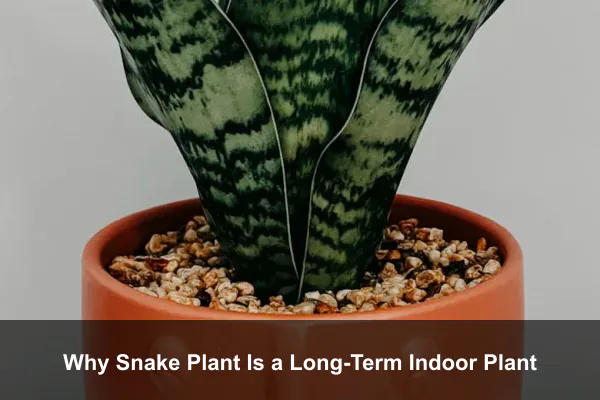
Snake plant is popular because it combines beauty with resilience. Its sword-like leaves grow vertically, so it brings structure to a room without needing much floor space. Many varieties have green, silver, yellow-edged, or patterned leaves, giving homeowners several design choices without requiring complicated care.
One of the biggest benefits of snake plant is its ability to survive imperfect conditions. It tolerates missed watering, average indoor humidity, and moderate light better than many tropical houseplants. This does not mean it should be ignored, but it does mean it can remain healthy with a simple routine.
Basic Snake Plant Information
- Botanical name: Dracaena trifasciata
- Common names: Snake plant, mother-in-law’s tongue, viper’s bowstring hemp
- Plant type: Evergreen succulent-like houseplant
- Best indoor light: Bright indirect light, with tolerance for lower light
- Watering need: Low to moderate, depending on season and potting mix
- Main risk: Root rot from overwatering
- Pet safety: Toxic if chewed by cats or dogs, so placement matters
Key Snake Plant Benefits for Everyday Living
The most reliable snake plant benefits are practical, visual, and habit-based. It helps people add nature indoors without turning plant care into a stressful task. For busy households, that matters.
Low-Maintenance Greenery
Snake plant stores water in its thick leaves and roots, allowing it to handle dry periods better than moisture-loving plants. This makes it helpful for beginners, frequent travelers, students, renters, and anyone who wants a plant that does not demand daily attention.
Strong Visual Structure
Because snake plant grows upright, it works well in narrow corners, beside furniture, near shelves, or in simple ceramic pots. Its architectural shape can make a room feel more organized and calmer without adding visual clutter.
Realistic Indoor Air Value
Snake plant is often promoted as an air-purifying plant. Laboratory studies have shown that some houseplants can absorb certain airborne compounds under controlled conditions, but a few plants will not replace ventilation, cleaning, or air filtration. A more realistic benefit is that snake plant encourages healthier indoor habits: opening windows when possible, noticing humidity, reducing dust, and maintaining a cleaner living area.
Sustainable Benefits: Less Waste, More Longevity
A unique reason to choose snake plant is its long usable life. Many decorative items are replaced when trends change, but a healthy snake plant can stay attractive for years. With proper care, it can be divided, shared, repotted, and refreshed instead of discarded.
A Plant That Reduces Replacement Buying
Some houseplants decline quickly when indoor conditions are not ideal. Snake plant is different. Its slow growth and strong leaves mean it does not need constant replacement, frequent pruning, or special supplies. This supports a lower-waste approach to indoor decorating.
Easy Propagation for Sharing
Snake plant can be propagated through division or leaf cuttings. Division is usually the most reliable method because it preserves the parent plant’s leaf pattern, especially in variegated types. When a pot becomes crowded, separating healthy sections gives you new plants for other rooms or for sharing with friends.
- Remove the plant gently from the pot.
- Look for natural clumps with roots attached.
- Separate the clumps using clean hands or a sterile knife.
- Repot each section in a free-draining mix.
- Wait several days before watering heavily.
Best Care Practices for Healthy Snake Plants

Snake plant care is simple, but the basics still matter. The goal is to prevent soggy soil, provide enough light for steady growth, and use a pot that allows roots to breathe.
Light Requirements
Snake plant can tolerate low light, but it grows best in bright indirect light. Near an east-facing window, a few feet from a bright south or west window, or under strong indoor lighting can work well. In very low light, growth may slow and variegation may become less vivid.
Watering Tips
The safest rule is to water only when the potting mix is dry. In warm months, this may be every two to three weeks. In cooler or darker rooms, it may be less often. Always check the soil instead of watering by calendar alone.
- Use a pot with drainage holes.
- Empty saucers after watering.
- Avoid splashing water into the center of the leaf rosette.
- Reduce watering during cooler months.
- Do not mist snake plant as a main care method.
Soil and Potting
A gritty, fast-draining potting mix is best. Cactus or succulent mix works well, especially when blended with perlite, pumice, or coarse material. Heavy garden soil holds too much water and can damage roots indoors.
How Snake Plant Supports Small, Flexible Homes
Snake plant is especially useful in homes where space and time are limited. It fits small corners, does not shed many leaves, and rarely needs pruning. Its vertical growth makes it a smart choice for people who want greenery without a sprawling plant habit.
Good Places to Use Snake Plant
- Living rooms: Adds structure beside sofas, media units, or bookshelves.
- Home offices: Brings natural texture without taking over desk space.
- Entry areas: Handles occasional lower light and dry indoor air.
- Rental homes: Offers style without permanent installation.
- Minimalist rooms: Provides bold shape with little maintenance.
Common Problems and Simple Fixes
Most snake plant problems come from too much water, poor drainage, or sudden environmental changes. Reading leaf signals early helps prevent serious damage.
Yellow Leaves
Yellowing often points to overwatering or roots staying wet too long. Check the soil, drainage holes, and root condition. If roots smell bad or look mushy, trim damaged areas and repot into fresh dry mix.
Wrinkled Leaves
Wrinkled or curling leaves can mean the plant is too dry, but they can also appear after root damage. Check the soil first. If it is bone dry and roots look firm, water thoroughly and let excess drain away.
Leaning Growth
Leaves may lean when light is too weak or the plant is loose in the pot. Move it to brighter indirect light and firm the potting mix gently around the base.
Safety and Responsible Use at Home
Snake plant is not edible. It contains compounds that can irritate the mouth and stomach if chewed, especially for pets and children. Place it where curious cats, dogs, or toddlers cannot easily bite the leaves.
Responsible plant ownership also means avoiding exaggerated health claims. Snake plant can make indoor spaces feel greener and more pleasant, but it should not be presented as a medical treatment or a substitute for clean air practices.
Choosing the Right Snake Plant Variety
There are many snake plant varieties, and the best choice depends on your space and style. Tall types create strong vertical lines, while compact types suit desks, shelves, and small tables.
- Laurentii: Tall green leaves with yellow edges, classic and bright.
- Zeylanica: Green patterned leaves with a softer, natural look.
- Moonshine: Pale silvery foliage for modern interiors.
- Hahnii: Compact rosette form for small spaces.
- Cylindrica: Rounded spear-like leaves with a sculptural appearance.
Conclusion
Snake plant is valuable because it offers more than simple decoration. It is durable, space-efficient, easy to care for, and suitable for long-term indoor greenery. When grown with realistic expectations, it supports a calmer home environment, encourages better plant-care habits, and reduces the need for frequent plant replacement.
For anyone researching Snake Plant plant benefits and information, the best takeaway is simple: choose the right pot, use free-draining soil, water carefully, provide enough light, and enjoy a plant that can remain beautiful and useful for many years.
