
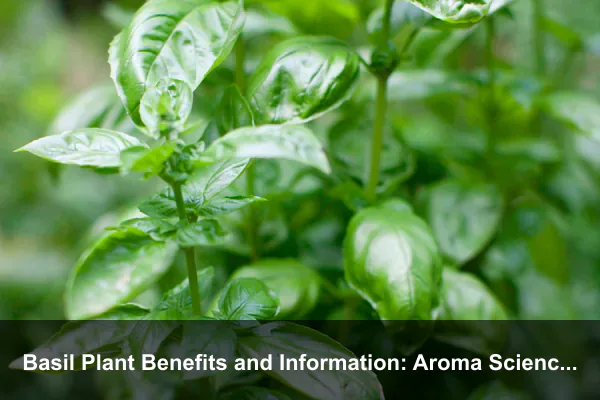
Basil is often introduced as a pizza topping, pesto ingredient, or garnish, but a living basil plant offers much more than a handful of fragrant leaves. For readers searching for Basil plant benefits and information, the most useful starting point is to understand why this herb matters: it combines aroma chemistry, fresh culinary value, basic nutrition, and beginner-friendly plant care in one compact plant.
This guide looks at basil as a practical herb, not a miracle cure. You will learn what basil is, why its leaves smell so distinctive, which benefits are realistic for everyday homes, how to grow it for better leaf quality, and how to use it responsibly. The goal is simple: help you enjoy basil as part of a healthier, more plant-aware routine without overstating what any herb can do.
What Makes the Basil Plant So Useful?
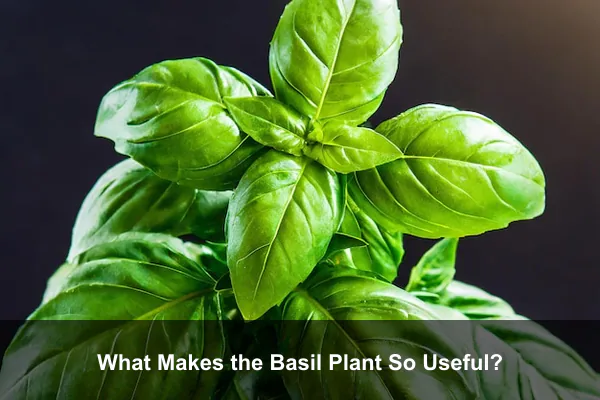
Basil is a leafy herb from the Ocimum genus, most commonly represented in kitchens by Ocimum basilicum, or sweet basil. It belongs to the mint family, which helps explain its square stems, opposite leaves, and strong aromatic oils. Unlike many ornamental plants grown only for appearance, basil is valued because it is beautiful, edible, fragrant, fast-growing, and easy to observe.
Its usefulness comes from several traits working together. The leaves grow quickly when the plant receives enough warmth and light. The fragrance is released the moment a leaf is touched or torn. The flavor is strong enough to change a dish with only a small amount. The plant also responds clearly to care, making it helpful for beginners who want to understand watering, sunlight, pruning, and plant stress.
A Herb With Visible Feedback
Basil is a good teaching plant because it shows problems quickly. Leaves may droop when the plant is thirsty, yellow when the roots are stressed, and lose flavor when light is too weak. This visible feedback helps gardeners connect daily care with plant performance. For a household, school garden, balcony, or small kitchen setup, that makes basil more than an ingredient. It becomes a simple lesson in how plants grow.
More Than One Kind of Value
The best way to describe basil plant benefits is to divide them into practical categories. Basil offers culinary benefits because it improves fresh food. It offers sensory benefits because its aroma can make a kitchen or garden feel more alive. It offers educational benefits because it teaches plant care quickly. It offers garden benefits because healthy basil can support a diverse herb bed. These benefits are real, but they work best when basil is used as part of a balanced lifestyle.
Basil Plant Benefits for Food, Flavor, and Daily Habits
The most reliable benefit of basil is its ability to make simple food taste fresh. A few leaves can brighten tomatoes, beans, eggs, grilled vegetables, soups, noodles, salads, and grain bowls. This matters because herbs can help people enjoy home-cooked meals without depending only on heavy sauces or highly processed flavorings.
Basil does not need to be used in large amounts to be useful. Its flavor is concentrated, so even a small harvest can make a difference. That makes it practical for small spaces, including a sunny windowsill, a patio pot, or a compact garden bed.
Fresh Flavor That Encourages Better Meals
One overlooked benefit of basil is behavioral. When fresh herbs are nearby, people often become more willing to cook vegetables, prepare simple sauces, or add greens to meals. Basil pairs especially well with produce that many households already buy, including tomatoes, cucumbers, zucchini, peppers, corn, mushrooms, and leafy greens.
Useful basil pairings include:
- Tomato and basil: a classic pairing because sweet, acidic tomato balances the herb’s peppery freshness.
- Lemon and basil: useful for light dressings, fish, beans, and vegetable dishes.
- Garlic and basil: strong enough for sauces, marinades, and warm pasta dishes.
- Fruit and basil: especially good with strawberries, watermelon, peach, and citrus.
- Beans and basil: helpful for adding brightness to lentils, chickpeas, and white beans.
Nutrition in Context
Basil contains plant compounds, small amounts of vitamins and minerals, and antioxidant activity, but it is usually eaten in modest portions. That means it should not be treated like a major source of nutrients in the same way as vegetables, legumes, or whole grains. Its value is more realistic when seen as a supportive herb that makes nutritious meals more appealing.
Fresh basil may contribute small amounts of vitamin K, vitamin A-related carotenoids, manganese, and other micronutrients depending on serving size and growing conditions. However, the bigger everyday benefit is that basil can help people enjoy minimally processed food. In practical terms, a bowl of vegetables with fresh basil is usually more meaningful than focusing on one isolated nutrient.
Aroma Chemistry: Why Basil Smells Bright and Complex
The scent of basil comes from volatile plant compounds stored in tiny glandular structures on the leaves and stems. When you brush, cut, or crush the leaves, those compounds evaporate into the air and create basil’s recognizable aroma. This is why freshly torn basil smells stronger than leaves that have been sitting too long after harvest.
Different basil plants can smell sweet, spicy, clove-like, lemony, peppery, or slightly minty. These differences come from natural variation in aromatic compounds. Some common compounds associated with basil aroma include linalool, eugenol, methyl chavicol, citral, and other essential oil components. The exact balance depends on the type of basil, growing conditions, leaf age, and harvest timing.
Why Fresh Leaves Taste Different From Dried Basil
Fresh basil and dried basil are both useful, but they do not behave the same way. Fresh basil has a bright, green aroma because many of its volatile compounds are still intact. Dried basil is more muted and earthy because drying changes the leaf structure and reduces some of the most delicate aromatic notes.
This difference explains why fresh basil is often added near the end of cooking. High heat can flatten its scent, especially in delicate dishes. Dried basil, on the other hand, can be added earlier to soups, stews, and sauces because its flavor is already less fragile and needs time to blend.
What Aroma Tells You About Plant Quality
A healthy basil plant usually has leaves that smell clear and lively when touched. Weak aroma can be a clue that the plant is stressed, underlit, overwatered, or harvested too late. This does not mean every leaf must smell intense all the time, but aroma is a useful quality signal for home growers.
For best aroma, basil generally needs bright light, moderate fertility, consistent moisture without soggy roots, and regular harvesting. When the plant grows too tall without trimming, it may become woody and less productive. When it starts shifting toward flowering, leaf flavor can also become sharper or more bitter.
Evidence-Aware Wellness: What Basil Can and Cannot Do
Basil has a long history of traditional use, and many cultures value it as a comforting, aromatic herb. However, a responsible discussion of basil plant benefits should separate food use from medical claims. Eating basil as part of normal meals is very different from taking concentrated extracts, essential oils, or supplements.
As a culinary herb, basil can support wellness indirectly by helping people prepare fresh food, enjoy vegetables, reduce monotony in meals, and create a more pleasant cooking routine. These are practical benefits. Basil should not be presented as a treatment for disease, a replacement for prescribed medicine, or a guaranteed solution for digestion, anxiety, inflammation, or blood sugar concerns.
Safe Everyday Use
For most people, normal culinary amounts of fresh basil are considered food use. A handful in a pasta sauce, a few leaves in a salad, or chopped basil over vegetables fits within ordinary cooking. People with allergies to herbs in the mint family, those taking blood-thinning medication, pregnant people considering concentrated herbal products, or anyone with a medical condition should be cautious with supplements and essential oils.
Essential oil deserves special mention. Basil essential oil is far more concentrated than fresh leaves and should not be used as if it were the same thing as the herb. It is not necessary for enjoying basil’s benefits at home. For everyday use, fresh leaves are safer, more versatile, and easier to manage.
A Balanced Way to Think About Benefits
A helpful framework is to ask what basil can realistically improve. It can improve flavor. It can improve your connection to fresh ingredients. It can make a small garden more engaging. It can encourage regular harvesting and cooking. It can provide a pleasant aroma during preparation. These benefits are modest but dependable, which makes them more valuable than exaggerated promises.
How to Grow Basil for Better Leaves
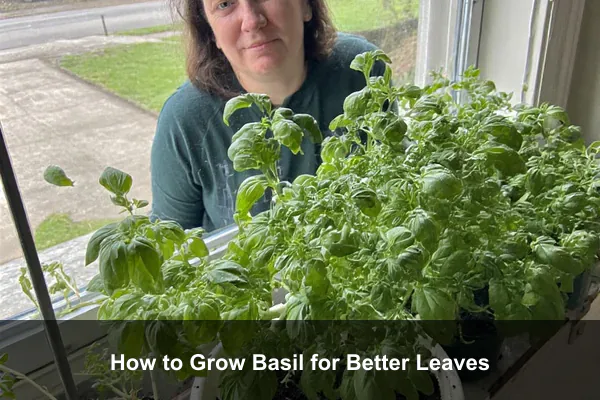
Good basil starts with the right growing conditions. Basil prefers warmth, bright light, and well-drained soil. It is often grown as an annual herb because it grows quickly, produces generously, and becomes less tender as it ages. In warm climates, it may last longer, while in cooler regions it is usually replanted each season.
Light and Temperature
Basil grows best with strong light. Outdoors, it usually appreciates several hours of direct sun each day, especially morning sun in hot climates. Indoors, it needs the brightest window available or a suitable grow light. Weak light often produces long, soft stems and pale leaves with less aroma.
Temperature also matters. Basil dislikes cold conditions and can be damaged by chilly nights. If grown outdoors, it should be planted after the risk of cold stress has passed. Indoors, keep it away from cold drafts, air-conditioner blasts, and windows that become too cold at night.
Soil, Water, and Drainage
Basil likes steady moisture but not waterlogged roots. A container should have drainage holes, and the potting mix should hold moisture while allowing excess water to leave. If the soil stays constantly soggy, roots may struggle and leaves may yellow. If the soil dries completely too often, the plant may wilt and drop lower leaves.
A practical watering method is to check the top layer of soil with a finger. Water when the upper soil begins to feel dry, then water thoroughly and let extra water drain away. This routine is more reliable than watering on a strict calendar because basil’s needs change with pot size, heat, sunlight, and growth rate.
Harvesting for Leaf Quality
Regular harvesting helps basil stay bushier and more productive. Instead of removing only the largest lower leaves, pinch or cut just above a pair of leaves. This encourages side shoots and helps the plant develop a fuller shape. Frequent small harvests are usually better than waiting until the plant is tall, woody, and crowded.
For the best kitchen quality, harvest leaves when they look fresh and fully expanded but before the plant has shifted heavily into flowering. Use clean scissors or fingers, avoid crushing leaves unnecessarily, and bring harvested basil into the kitchen soon after cutting. The fresher the leaf, the more lively the aroma.
Practical Ways to Use Basil at Home
Basil is flexible because it works in both raw and cooked foods. The key is to match the leaf to the method. Fresh basil is most expressive when used raw, lightly warmed, or added at the end of cooking. Dried basil is better when it has time to soften into a dish.
Fresh Basil Ideas
Fresh basil can be used in many everyday meals without complicated recipes. Try it in simple, repeatable ways so the plant becomes part of daily cooking rather than a special ingredient that goes unused.
- Slice fresh basil into tomato salads, cucumber bowls, or grain salads.
- Tear leaves over soup just before serving for a brighter aroma.
- Blend basil with olive oil, nuts or seeds, garlic, and lemon for a quick herb sauce.
- Add leaves to sandwiches, wraps, and omelets for fresh flavor.
- Stir chopped basil into beans, lentils, or roasted vegetables after cooking.
- Pair basil with fruit for a refreshing dessert or drink garnish.
Cooking With Heat
Heat changes basil quickly. If you add fresh basil early to a long-cooked sauce, the final flavor may become dull. For a layered flavor, use dried basil during cooking and fresh basil at the end. This gives depth from the dried herb and brightness from the fresh leaves.
In warm dishes, basil works especially well when added after the pan is removed from high heat. Residual warmth releases aroma without destroying as much of the fresh character. This is useful for pasta, rice bowls, sautéed vegetables, and sauces.
Choosing the Right Basil Setup for Your Home
The best basil setup depends on how you want to use the plant. A cook who uses basil every day may need several plants in rotation. A beginner may start with one pot near a sunny window. A balcony gardener may grow basil in a larger container with other herbs that like similar conditions. The right setup is the one that matches your light, time, and harvest expectations.
For Small Kitchens
Choose a compact pot with drainage, place it in the brightest available position, and harvest lightly but often. A single supermarket basil pot may contain many crowded seedlings, so it can decline quickly if left in the same container. If the plant is crowded, dividing it into two or three pots may improve airflow and root space.
For Patios and Balconies
A deeper container gives basil more stable moisture and room for roots. Outdoor pots dry faster than indoor pots, so checking soil regularly is important. In very hot climates, afternoon shade can protect leaves from harsh heat while still giving the plant enough light.
For Beginner Gardeners
Basil is forgiving when basic needs are met, but it is not a plant to ignore completely. Beginners should focus on three habits: give strong light, avoid soggy soil, and harvest above leaf pairs. These habits build confidence and transfer well to many other herbs and vegetables.
Common Basil Questions
Is basil better indoors or outdoors?
Basil can grow in both places, but outdoor basil usually grows faster because it receives stronger light. Indoor basil can still succeed if it gets enough brightness or supplemental grow light. The main challenge indoors is preventing weak, stretched growth.
How often should basil be watered?
Water basil when the top layer of soil begins to dry. The exact timing depends on pot size, temperature, humidity, and sunlight. Avoid letting the plant sit in standing water, because constantly wet roots can cause decline.
Can basil be eaten every day?
For most people, eating normal culinary amounts of basil in meals is fine. The important distinction is between fresh leaves used as food and concentrated products such as essential oils or supplements. Anyone with allergies, medication concerns, pregnancy-related questions, or medical conditions should seek professional advice before using concentrated herbal products.
Why does my basil taste bitter?
Basil can taste stronger or more bitter when it is stressed, old, flowering heavily, or grown in poor conditions. Regular harvesting, bright light, and steady moisture usually help maintain better leaf quality. Young, fresh leaves tend to taste sweeter and more balanced.
Does basil repel pests?
Basil’s aroma may influence some insects, but it should not be treated as a complete pest-control solution. Healthy plant care, airflow, observation, and balanced garden practices are more reliable than expecting basil alone to protect a garden.
Conclusion
Basil earns its place in the plant-benefits world because it is practical, fragrant, edible, and easy to learn from. The most dependable basil plant benefits include fresher meals, stronger connection to home cooking, simple plant-care education, and the pleasure of harvesting a useful herb from a living plant.
The key is to keep the claims realistic. Basil is not a cure-all, but it is a valuable culinary herb with meaningful everyday uses. Grow it in bright light, water it with care, harvest it regularly, and use the leaves while they are fresh. With that approach, Basil plant benefits and information become more than search terms. They become a simple, useful part of daily life.
