

Snake plant plant benefits and information often focus on toughness, easy care, and indoor air interest, but one of the most useful angles is even more practical: how this plant becomes a long-term, shareable, and space-efficient part of home life. Known botanically as Dracaena trifasciata and still widely sold under the older name Sansevieria, the snake plant is not just a beginner-friendly houseplant. It is a slow-growing, architectural plant with many leaf forms, growth habits, and propagation options that can support a greener home for years.
For readers interested in Manfaat Tanaman, or plant benefits, the snake plant is valuable because it combines visual order, low daily maintenance, and strong adaptability. Its upright leaves fit modern homes, rented rooms, offices, shelves, and narrow plant corners without creating clutter. This guide takes a unique look at snake plant benefits through variety selection, plant sharing, propagation, and long-term indoor value, so you can choose and use this plant more thoughtfully.
Why Snake Plant Deserves a Place in Long-Term Indoor Gardening
The snake plant is often described as almost indestructible, but that phrase can hide what makes it genuinely useful. Its real value is not that it can be ignored forever. Its value is that it stays attractive with a simple routine, tolerates imperfect indoor conditions, and does not demand frequent repotting, pruning, or rearranging.
Unlike fast-growing vines that need regular trimming or delicate foliage plants that react quickly to dry air, snake plants grow with restraint. This slow pace makes them ideal for people who want greenery without constant plant chores. A healthy snake plant can remain in the same pot for a long period, especially when it has a well-draining mix and receives careful watering.
Key benefits include:
- Space efficiency: Upright leaves bring height without spreading across tables or walkways.
- Low maintenance: The plant stores moisture in firm leaves and rhizomes, reducing watering frequency.
- Design stability: Its shape stays neat for a long time, making it useful for interiors that need structure.
- Propagation value: Mature plants can produce divisions that become new plants for other rooms or friends.
- Beginner confidence: Clear leaf signals help owners learn watering, light, and soil basics.
These benefits make the snake plant more than decoration. It can become a reliable part of a sustainable indoor plant routine, especially for households that want plants with lasting value instead of short-lived purchases.
Choosing the Right Snake Plant Variety for Your Space
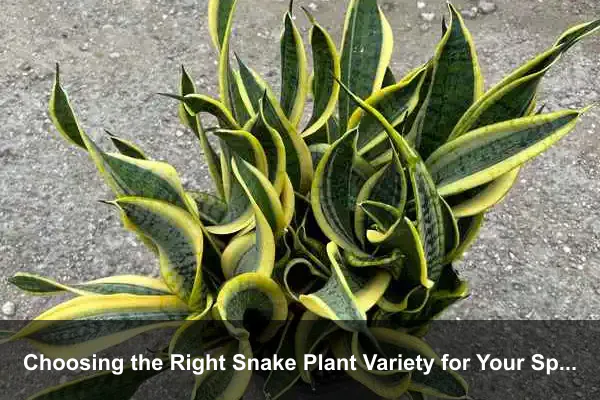
One overlooked part of snake plant plant benefits and information is variety choice. Not all snake plants look or behave the same. Some grow tall and sword-like, while others stay compact and rosette-shaped. Choosing the right type helps prevent frustration and makes the plant more useful in the room where it will live.
Tall Upright Varieties
The classic tall snake plant has vertical, blade-shaped leaves with green banding and, in some cultivars, yellow margins. These varieties are useful near furniture, in empty corners, or beside cabinets because they add height without needing a large footprint. They work especially well where a leafy plant would feel too wide or messy.
Popular tall types may include varieties sold as Laurentii, Zeylanica, and similar upright forms. Their biggest benefit is visual structure. They create a clean line that feels calm and organized, which is why snake plants are common in offices, bedrooms, and minimalist interiors.
Compact Rosette Varieties
Compact varieties, often sold as bird’s nest snake plants, form shorter clusters of leaves. These are excellent for shelves, desks, side tables, and small apartments. They offer the same resilient character in a smaller form, making them useful for people who want snake plant benefits without committing floor space.
Compact types are also easier to inspect, rotate, and repot. For beginners, a small snake plant can be a better learning plant than a large one because changes in soil moisture and leaf condition are easier to notice.
Cylindrical and Sculptural Types
Some snake plants have round, spear-like leaves instead of flat blades. These are often sold as cylindrical snake plants. Their shape is bold and sculptural, but they should be chosen carefully. Braided or heavily manipulated forms may look interesting in stores, but natural growth is usually easier to maintain over time.
If long-term health matters more than a novelty look, choose a plant with firm, naturally arranged leaves, visible growth points, and a stable pot. A healthy plant with simpler styling will usually offer better value than a dramatic display that has been stressed or overhandled.
Understanding Snake Plant Benefits Without Exaggeration
Snake plant benefits are real, but they are strongest when explained honestly. The plant can improve the feeling and function of indoor spaces, but it should not be treated as a cure for poor ventilation, illness, or unhealthy building conditions. A balanced view helps readers appreciate what the plant can actually do.
Visual Calm and Indoor Order
The upright growth habit of a snake plant creates a sense of order. In a room filled with screens, furniture, books, and daily objects, the clean vertical leaves can make a space feel more intentional. This is a practical benefit because home environments affect mood, focus, and comfort.
For people who enjoy indoor greenery but dislike visual clutter, snake plants offer a tidy solution. They do not trail, shed many leaves, or require constant shaping. Their form looks finished even when the plant is young.
Low-Mess Greenery
Snake plants are relatively low-mess compared with many indoor plants. They do not drop petals, produce sticky fruit, or need frequent leaf removal. Occasional dusting and the removal of damaged leaves are usually enough to keep the plant looking clean.
This makes them useful for shared homes, waiting areas, workrooms, and rental spaces where plant care needs to be simple. The plant still needs attention, but its maintenance schedule is forgiving.
Learning Plant Care Through Clear Signals
Snake plants teach important indoor gardening lessons. Soft, mushy leaves often point to overwatering or poor drainage. Wrinkled leaves may suggest prolonged dryness. Leaning growth can indicate weak light or an unstable root system. Brown tips may come from inconsistent watering, physical damage, or mineral buildup.
Because the plant changes slowly, owners have time to observe and respond. This makes snake plant care useful for beginners who want to build confidence before trying more demanding houseplants.
Propagation: Turning One Snake Plant Into Several
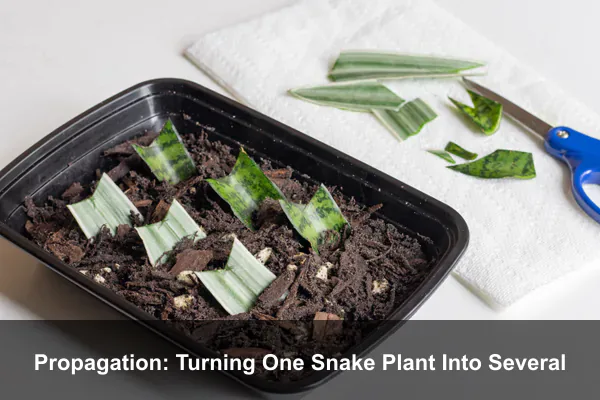
Propagation is one of the most meaningful snake plant benefits because it turns a single purchase into multiple plants over time. This supports low-waste gardening, plant sharing, and budget-friendly indoor greenery. Instead of buying a new plant for every room, a mature snake plant can produce divisions or cuttings that become new displays.
Division for Reliable New Plants
Division is usually the easiest and most reliable propagation method. Snake plants grow from underground rhizomes, and mature clumps can be separated when they become crowded. Each division should have healthy roots and at least one firm leaf cluster.
Basic division steps include:
- Water lightly a few days before dividing so the roots are not extremely dry.
- Remove the plant from its pot and loosen the soil gently.
- Identify natural sections with roots attached.
- Separate sections with clean hands or a sanitized blade if needed.
- Repot each division into a container with drainage holes and airy potting mix.
- Wait several days before heavy watering to reduce rot risk.
Division keeps variegated patterns more reliably than leaf cuttings. If your snake plant has yellow margins or special markings, division is the best method for preserving that appearance.
Leaf Cuttings for Patient Growers
Leaf cuttings are another option, though they require patience. A healthy leaf can be cut into sections and rooted in water or soil. Each section must be placed in the correct direction, with the bottom end down, because upside-down cuttings will not root properly.
Leaf cuttings can be rewarding, but they are slower and may not reproduce variegation exactly. A cutting from a yellow-edged plant may grow into a plain green plant. This is not a failure; it is simply part of how this method works.
Plant Sharing and Community Value
Propagation also creates social value. Sharing rooted divisions with friends, neighbors, or family members turns plant care into a small community practice. In the context of Manfaat Tanaman, this matters because plant benefits are not only physical or decorative. Plants can encourage observation, patience, generosity, and connection.
A shared snake plant is also a good gift because it is easier to care for than many trendy houseplants. Include simple care notes: bright indirect light if possible, water only when the soil is dry, and avoid letting the pot sit in water.
Care Information That Protects Long-Term Value
Good care protects the benefits of a snake plant. The plant may tolerate neglect, but the healthiest specimens come from a consistent, simple routine. The goal is not intense care. The goal is to avoid the common mistakes that shorten the plant’s life.
Light Needs
Snake plants tolerate lower light, but they usually grow best in bright, indirect light. More light encourages stronger growth, clearer markings, and better overall structure. Low light is acceptable for survival, but growth will be slower, and watering must be reduced because soil dries more slowly.
A useful rule is to place the plant where you can comfortably read during the day without turning on a lamp. Avoid harsh midday sun through hot glass if leaves show scorching, but do not hide the plant in a dark corner and expect active growth.
Watering Rhythm
Overwatering is the main problem in snake plant care. The roots and rhizomes need oxygen, and wet soil for long periods can lead to rot. Water thoroughly when the potting mix has dried well, then let excess water drain away.
Instead of following a strict weekly schedule, check the soil. In bright, warm conditions, the plant may need water more often. In cool rooms, low light, or humid weather, it may need far less. The pot size, soil type, and season all affect timing.
Soil and Pot Choice
A well-draining mix is essential. Many growers use a cactus or succulent-style mix, sometimes blended with perlite, pumice, bark, or coarse material to improve airflow. Heavy garden soil is not suitable for indoor snake plants because it can compact and hold too much moisture.
The pot should have drainage holes. Decorative cachepots can be used, but the inner nursery pot should be removed for watering or checked carefully so water does not collect at the bottom. This single habit prevents many snake plant failures.
Safety, Placement, and Responsible Use
Snake plant plant benefits and information should include safety. Snake plants are commonly listed as toxic to cats and dogs if chewed. They are not usually tempting like grassy plants, but pets and young children may still explore leaves. Responsible placement protects both the plant and the household.
Place snake plants where they are visible but not easily chewed, pulled, or knocked over. Tall plants should be in stable pots, especially in busy homes. If you have curious pets, consider high shelves for compact varieties or choose a room where pet access is limited.
When handling cuttings, divisions, or damaged leaves, wash your hands afterward. The plant’s sap can irritate sensitive skin for some people. This is simple plant hygiene, not a reason to avoid the plant entirely.
How to Use Snake Plant in Sustainable Indoor Styling
A snake plant works best when it solves a real space problem. Instead of buying one because it is popular, choose its location and variety based on size, light, movement, and care access. This approach creates a healthier plant and a more satisfying display.
Use One Strong Plant Instead of Many Small Objects
Because snake plants have bold leaves, one healthy specimen can replace several smaller decorative items. This reduces visual clutter and makes cleaning easier. A single upright plant beside a chair, cabinet, or doorway can make a room feel greener without requiring a crowded plant collection.
Match Pot Weight to Plant Height
Tall snake plants can become top-heavy. A heavier ceramic pot or a stable outer planter can prevent tipping. However, the growing pot still needs drainage. If using a decorative outer pot, check regularly that water is not trapped inside.
Rotate for Balanced Growth
Snake plants lean toward light over time. A quarter turn every few weeks helps maintain an even shape. This small habit is especially helpful for plants near windows, where light comes strongly from one direction.
Common Problems and Practical Fixes
Most snake plant problems come from water, light, or physical stress. The good news is that symptoms are often visible before the entire plant is lost. Acting early can save the plant and sometimes provide cuttings for propagation.
- Mushy leaf base: Usually linked to overwatering, cold wet soil, or poor drainage. Remove affected parts and check roots.
- Wrinkled leaves: Often caused by prolonged dryness, damaged roots, or inconsistent watering.
- Brown tips: May come from dry stress, mineral buildup, rough handling, or old damage.
- Pale growth: Often related to insufficient light or weak new growth.
- Leaning plant: Can result from uneven light, shallow roots, or an unstable pot.
When in doubt, inspect the roots. Healthy roots are firm, while rotten roots are soft, dark, and unpleasant-smelling. If rot is present, trim damaged areas with a clean tool, repot into fresh dry mix, and water carefully after the plant has had time to recover.
Buying Tips for Better Long-Term Results
A good snake plant starts with a careful purchase. Many problems begin before the plant reaches your home, especially if it has been overwatered in a store or placed in a decorative pot with no drainage.
Before buying, check these details:
- Leaves should feel firm, not soft or collapsing.
- The base of the plant should not smell sour or rotten.
- Soil should not be soaking wet unless it was just watered carefully.
- The pot should not be cracked, unstable, or missing drainage.
- Variegated plants should have strong, consistent markings if that trait matters to you.
It is better to buy a smaller healthy plant than a large stressed one. A compact, firm snake plant can grow into a long-lived specimen, while a large plant with hidden root rot may decline quickly.
Conclusion
Snake Plant plant benefits and information are most useful when they go beyond simple claims about easy care. The snake plant is valuable because it is durable, space-efficient, visually structured, and capable of becoming several plants through propagation. With the right variety, proper drainage, careful watering, and thoughtful placement, it can support a greener indoor routine for many years.
For anyone interested in practical plant benefits, the snake plant offers a strong balance of beauty and function. It teaches patient care, fits small or organized spaces, and can be shared through divisions and cuttings. Choose a healthy plant, give it bright indirect light when possible, respect its need for dry periods, and it will reward you with reliable indoor greenery that feels both simple and lasting.
