
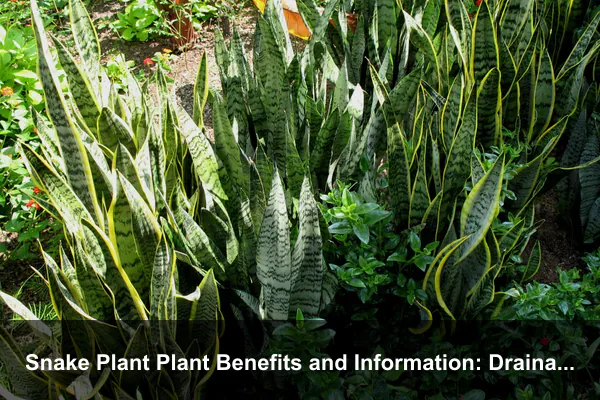
Snake Plant plant benefits and information are often discussed in terms of easy care, upright leaves, and indoor air value, but the most useful way to understand this plant is from the pot downward. A snake plant can look almost indestructible above the soil while its roots are quietly struggling in a container that holds too much water. For many indoor growers, the real benefit of this plant is not that it needs no care, but that it rewards simple, well-timed care when the pot, soil, light, and watering routine work together.
This guide takes a root-health approach to snake plant success. Instead of repeating general claims, it focuses on why snake plants tolerate dry indoor rooms, how their thick leaves and underground rhizomes store resources, what drainage actually does, and how to prevent the most common failure: root rot. If you want a practical houseplant that supports a calmer, cleaner-looking home without demanding constant attention, this angle will help you get the best long-term value from your snake plant.
Why Snake Plant Benefits Start Below the Soil
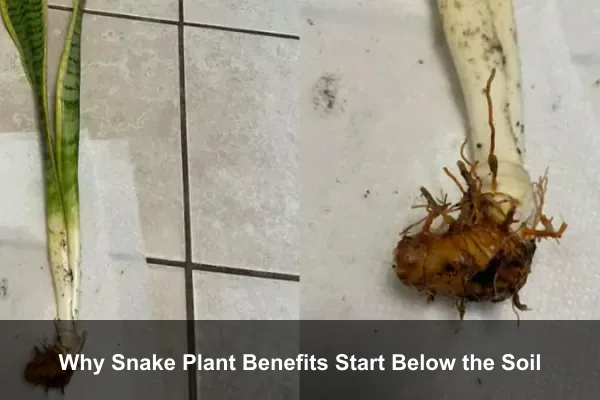
The snake plant, commonly known as Dracaena trifasciata and formerly classified as Sansevieria trifasciata, is a tough indoor plant with upright, sword-like leaves. Its strength comes from a structure many beginners never see: firm roots and rhizomes beneath the surface. These storage tissues allow the plant to hold moisture and energy, which is why it can survive missed watering better than many tropical foliage plants.
This root-based design explains many snake plant benefits. It can handle dry indoor air, irregular attention, and moderate neglect because it is built to conserve resources. However, the same adaptation also means it dislikes constantly wet soil. A plant that stores water inside its leaves and underground tissues does not need a soggy pot. When the root zone stays wet for too long, oxygen disappears from the soil and decay can begin.
A Succulent-Like Houseplant, Not a Thirsty Tropical
Snake plants are often displayed near pothos, ferns, calatheas, and philodendrons, but they should not be watered like those plants. They behave more like a succulent houseplant than a soft-leaved rainforest plant. Their thick leaves are firm because they hold water. Their growth is slower because they use stored resources carefully. Their root systems prefer air pockets, mineral structure, and a dry-down period between waterings.
Understanding this difference makes care easier. A snake plant does not need daily misting, frequent watering, or rich, moisture-heavy soil. It needs a container that drains, a potting mix that does not collapse into mud, and enough light to support steady metabolism. When those basics are correct, the plant becomes genuinely low maintenance.
Practical Benefits for Real Homes
The most reliable benefits of a snake plant are practical and visual. It offers strong vertical shape without taking much floor space, stays attractive between watering days, and brings living greenery into rooms where delicate plants may struggle. Its upright form works well beside furniture, near shelves, in narrow corners with good light, and in modern interiors that need structure without clutter.
- Low watering demand: helpful for busy households and people who travel occasionally.
- Strong architectural leaves: useful for adding height and order to indoor decor.
- Dry-air tolerance: suitable for many air-conditioned or heated rooms.
- Slow growth: less pruning and fewer frequent repotting chores.
- Long indoor lifespan: good value when the root zone is kept healthy.
Drainage Is the Main Secret to Easy Snake Plant Care

Many people describe snake plants as plants that thrive on neglect. That is partly true, but a better statement is this: snake plants thrive when they are not forced to sit in water. Drainage is the main difference between a plant that lasts for years and one that suddenly collapses after looking fine for months.
A drainage hole is not a decorative detail. It allows extra water to leave the pot and lets the root zone breathe again after watering. Without drainage, water collects at the bottom where roots cannot access oxygen. The surface may look dry while the lower soil remains wet. This hidden moisture is one of the biggest causes of yellowing leaves, soft bases, and root rot.
Choosing the Right Pot
The best pot for a snake plant is slightly snug, stable, and equipped with drainage holes. A pot that is too large holds extra soil, and extra soil holds extra water. This can keep the roots damp longer than the plant can tolerate. A pot that is too narrow or lightweight may tip over as the tall leaves grow.
Terracotta is a useful choice because it allows moisture to evaporate through the pot walls. Plastic and glazed ceramic can also work, but they hold moisture longer, so watering should be less frequent. Decorative cachepots are fine if the snake plant sits in a separate nursery pot that can be removed for watering. After water drains, the inner pot should not stand in a puddle.
Building a Better Potting Mix
A good snake plant mix should feel open, gritty, and quick draining. Standard indoor potting soil may be too moisture-retentive if used alone, especially in dim rooms. Adding mineral materials improves airflow around the roots and reduces the chance of compaction.
A simple mix can include indoor potting soil combined with perlite, pumice, coarse sand, or fine orchid bark. The goal is not to make the mix dry forever, but to make it wet evenly and then dry in a reasonable time. If water sits on the surface for a long time or the pot feels heavy for many days, the mix may be too dense.
- Start with a quality indoor potting mix.
- Add perlite or pumice for air space.
- Use a pot with at least one clear drainage hole.
- Water thoroughly, then let the excess drain away.
- Wait until the mix is dry before watering again.
Snake Plant Plant Benefits for Indoor Living
Snake Plant plant benefits and information should be framed realistically. This plant is not a medical device, an air purifier that replaces ventilation, or a cure for poor indoor conditions. Its value comes from being a resilient living plant that can make indoor spaces feel more cared for while asking for less attention than many houseplants.
In a home or office, a snake plant can support a better daily environment in simple ways. It adds natural texture, softens hard edges, and introduces a living routine without becoming a demanding project. For people who want the benefits of plants but have limited time, it offers a practical starting point.
Visual Calm Without Heavy Maintenance
The upright leaves of a snake plant create visual order. Unlike trailing plants that need trimming or bushy plants that shed often, snake plants usually stay contained. This makes them useful in minimalist rooms, workspaces, rental homes, and small apartments where every object needs to earn its place.
The plant also pairs well with many interior styles. Dark green varieties feel calm and classic. Variegated types with yellow margins add contrast. Silver-toned cultivars create a cooler, modern effect. Because the plant grows vertically, it can add height without occupying much horizontal space.
A Helpful Plant for Building Better Care Habits
Another overlooked benefit is habit-building. Snake plants teach growers to observe before acting. Instead of watering on impulse, you learn to check soil dryness, pot weight, leaf firmness, and room conditions. This makes the plant valuable for beginners because it rewards patience more than constant intervention.
That lesson transfers to many other indoor plants. Once you understand that a plant’s needs change with light, season, pot size, and soil type, you become less dependent on rigid schedules. A snake plant is forgiving enough to survive that learning process.
How to Water a Snake Plant Without Guessing
Watering is the care step most likely to harm a snake plant. Underwatering can cause slow growth or wrinkled leaves, but overwatering can destroy the root system. The safest method is to water based on dryness rather than the calendar.
Before watering, check the soil several inches down if the pot is deep. You can use a wooden skewer, moisture meter, or simply lift the pot to feel its weight. A dry pot feels much lighter than a wet one. When the mix is dry, water thoroughly until water exits the drainage hole. Then let the pot drain completely.
Signs the Plant Needs Water
A thirsty snake plant may show slightly wrinkled leaves, inward curling, dull color, or slower growth. The potting mix will feel dry, and the pot will be noticeably lighter. These signs should be read together. A single folded leaf does not always mean the entire plant needs water; it may be an older leaf or a response to past stress.
Signs of Too Much Water
Overwatered snake plants often show yellowing, mushy leaf bases, a sour smell from the soil, or leaves that fall over from the bottom. The most serious warning sign is softness near the soil line. Once tissue becomes mushy, the affected part usually cannot recover. The goal is to catch the problem before decay spreads through the rhizome.
If you suspect overwatering, stop watering and check the roots. Healthy roots are firm. Rotten roots are soft, dark, and may smell unpleasant. Remove damaged tissue with clean tools, let the remaining healthy parts dry briefly, and repot into fresh, airy mix. Do not reuse wet, sour soil.
Light, Temperature, and Placement for Strong Leaves
Snake plants are famous for tolerating low light, but tolerance is not the same as preference. They survive in lower light because they grow slowly, not because darkness is ideal. For stronger leaves and better long-term health, place the plant where it receives bright indirect light or gentle morning sun.
Good light helps the soil dry at a healthy pace. In a dim corner, water evaporates more slowly and the plant uses less moisture. This means the same watering routine that works near a bright window may cause trouble in a darker room. Placement and watering should always be considered together.
Best Indoor Placement
A snake plant can work near an east-facing window, several feet from a bright south or west window, or in a room with strong filtered daylight. It can also adapt to office lighting, but growth may be slower. Avoid placing it in cold drafts, directly against hot glass, or under dripping air-conditioner vents.
Rotate the pot every few weeks if the plant leans toward the light. This keeps the growth balanced and helps the container remain stable. If leaves stretch, fade, or flop despite dry soil, the plant may need brighter conditions.
Temperature and Indoor Comfort
Snake plants prefer normal indoor temperatures and should be protected from cold. Chilly, wet soil is a dangerous combination because roots slow down while microbes continue to thrive. Keep the plant away from freezing windows and unheated spaces during cold weather.
In warm climates or dry indoor rooms, the plant usually performs well as long as watering is adjusted. High heat and bright light can make the pot dry faster, while cool rooms and low light slow everything down. The best care routine is flexible.
Safety, Air-Care Claims, and Responsible Expectations
Snake plant information online often highlights air-purifying benefits. Laboratory studies have shown that some plants can interact with certain airborne compounds under controlled conditions, but a normal room is more complex. One snake plant should not be expected to clean indoor air in a way that replaces ventilation, filtration, or source control.
The more dependable benefit is that snake plants help people bring nature indoors in a manageable way. They may encourage cleaner surfaces, more mindful room care, and a more pleasant atmosphere. Those benefits are valuable, but they should be described honestly.
Pet and Child Safety
Snake plants are not considered edible houseplants. They can cause irritation, nausea, or digestive upset if chewed by pets or children. The risk is usually related to ingestion, so placement matters. Put the plant where curious pets and small children cannot easily bite the leaves.
Use a heavy pot if the plant is tall, and avoid unstable stands in busy areas. The leaves are stiff, and a top-heavy container can tip if bumped. A safe setup is part of responsible indoor plant ownership.
Dust and Leaf Cleaning
Because snake plant leaves are upright and broad, they can collect dust. Dusty leaves look dull and receive less light. Wipe them occasionally with a soft, slightly damp cloth. Avoid heavy leaf-shine products because they can leave residue and make the plant look artificial.
Buying and Repotting Tips for Long-Term Value
A strong snake plant begins with a careful purchase. Look for firm leaves, healthy color, and a stable base. Avoid plants with mushy lower leaves, wet-smelling soil, or blackened areas near the crown. A few cosmetic marks are normal, but softness at the base is a serious warning.
Check the pot size before buying. Some snake plants are sold in decorative pots with no drainage, which may look attractive but create problems later. If the plant is in a sealed container, plan to move it into a drainage pot soon.
When to Repot
Snake plants do not need frequent repotting. In fact, a slightly snug pot can help prevent excess moisture. Repot when the container is cracked, roots are forcing the plant upward, water cannot penetrate the root ball, or the soil has become dense and stale. Choose a new pot only one size larger.
After repotting, avoid heavy watering right away if the roots were disturbed or trimmed. Let the plant settle, then resume careful watering. Fresh mix may hold water differently from the old mix, so observe before returning to your usual rhythm.
Simple Maintenance Schedule
- Weekly: look for leaning leaves, pests, dust, or soft spots.
- Every few weeks: rotate the pot for balanced growth.
- Monthly: check whether the soil is drying at a reasonable pace.
- Seasonally: adjust watering for changes in light and temperature.
- Yearly: inspect whether the potting mix is still open and well draining.
Common Snake Plant Problems and Practical Fixes
Most snake plant problems are connected to water, light, or physical damage. Because the plant grows slowly, symptoms may appear after the original mistake has already happened. A patient, step-by-step diagnosis works better than adding fertilizer or watering more.
Yellow Leaves
Yellow leaves often point to overwatering, especially if the leaf base is soft. Check the soil and roots before adding more water. If the yellow leaf is old, dry, and firm, it may simply be natural aging. Remove damaged leaves at the base with clean tools.
Leaning or Falling Leaves
Leaves can lean from low light, root damage, a crowded pot, or uneven watering. If the base is firm, improve light and rotate the plant. If the base is soft, inspect for rot. Tall varieties may also need a heavier pot for balance.
Brown Tips or Dry Edges
Brown tips can come from long dry periods, mineral buildup, physical knocks, or sudden environmental changes. Trim only the dead portion if needed, following the natural leaf shape. Focus on consistent care rather than trying to erase every cosmetic mark.
Conclusion: A Better Way to Understand Snake Plant Plant Benefits and Information
The best Snake Plant plant benefits and information come from understanding why this plant is resilient. Its thick leaves, stored moisture, and sturdy roots make it one of the most practical indoor plants for people who want beauty without constant maintenance. But that resilience depends on one important condition: the roots must be allowed to breathe.
Choose a draining pot, use an airy mix, water only after the soil dries, and place the plant where it gets enough light to stay active. With those basics in place, a snake plant can provide years of structured greenery, low-effort care, and reliable indoor value. It is not a magic air purifier or a plant that needs no attention at all. It is better than that: a durable, handsome houseplant that teaches simple, sustainable care through observation and restraint.
