
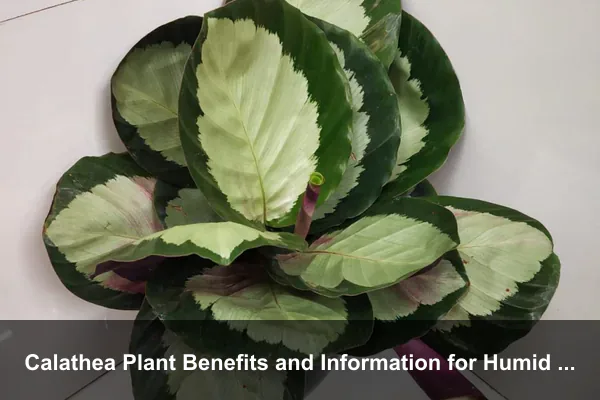
Calathea plant benefits and information often focus on its dramatic patterned leaves, but one of its most practical advantages is where it fits in the home. This tropical foliage plant is especially useful for people who want living greenery in rooms that feel too damp, shaded, or visually plain for many common houseplants. Bathrooms, kitchens, laundry corners, and bright humid apartments can all become better places for Calathea when the basic care conditions are understood.
This guide takes a unique angle: Calathea as a humidity-friendly indoor plant for real living spaces. Instead of treating it as just another decorative houseplant, we will look at how its leaf behavior, moisture preferences, non-fragrant presence, and compact shape can support calmer, greener interiors. You will also learn what Calathea can and cannot do, how to place it well, and how to keep its leaves healthy without turning care into a complicated routine.
Why Calathea Works So Well in Humid Indoor Rooms
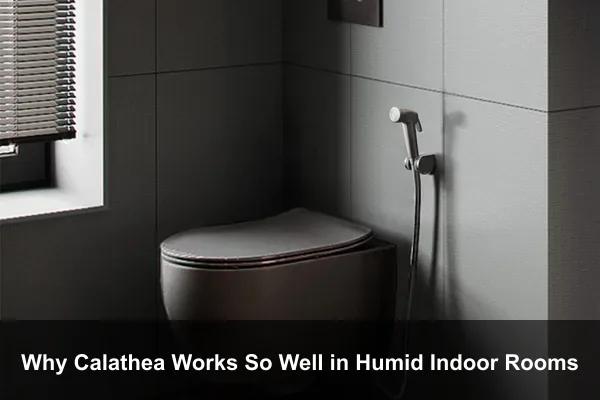
Calathea comes from warm, shaded tropical environments, so it naturally prefers the kind of moisture that many indoor plants dislike. This does not mean it should sit in soggy soil or a dark, airless corner. It means Calathea can be a strong candidate for rooms where air humidity is higher than average and direct sunlight is limited. A bright bathroom with a window, a kitchen shelf away from heat, or a laundry area with gentle filtered light can all suit this plant better than a dry, sun-blasted windowsill.
The biggest benefit is environmental compatibility. Many plants tolerate dry air better than Calathea, but fewer bring the same leaf color, pattern, and softness to humid spaces. Its foliage can make functional rooms feel more intentional without adding fragrance, pollen-heavy flowers, or bulky floor plants.
The Benefit Is Compatibility, Not Magic Air Cleaning
It is better to be realistic about Calathea plant benefits and information. Calathea may contribute to a more pleasant indoor atmosphere because plants add visual comfort, soften hard surfaces, and encourage mindful care habits. However, one small plant will not purify an entire room in a measurable way. Its true value is practical: it looks beautiful in humid indoor areas, responds visibly to care, and brings nature into spaces that often feel cold or purely utilitarian.
A Plant That Rewards Observation
Calathea leaves can curl, lift, relax, fade, crisp, or droop depending on conditions. For some plant owners, this sensitivity feels demanding. For others, it becomes useful feedback. The plant teaches you to notice light direction, dry air, poor water quality, heat vents, and watering patterns. In that sense, Calathea is not just decor. It is a living indicator of whether a room feels comfortable for moisture-loving foliage.
Calathea Plant Benefits for Bathrooms, Kitchens, and Laundry Areas
Humid rooms are often overlooked in plant styling. They may have tile, mirrors, appliances, cabinets, and very little softness. Calathea can change that balance because its leaves bring pattern without clutter. Unlike trailing vines that may become messy near sinks or appliances, many Calathea varieties stay upright and compact. This makes them easier to manage on shelves, counters, plant stands, or narrow ledges.
Bathroom Benefits
A bathroom with bright indirect light can be one of the best places for Calathea. Shower steam may help reduce leaf-edge crisping, especially in dry climates or air-conditioned homes. The plant can soften hard tile, add color near a vanity, and create a spa-like feeling without relying on scented candles or artificial fragrance. Place it where leaves will not be splashed with soap, toothpaste, hair products, or cleaning chemicals.
Kitchen Benefits
In a kitchen, Calathea offers visual freshness rather than culinary use. It is not an edible herb and should not be treated like basil, mint, or lemongrass. Its benefit is ornamental and atmospheric. A Calathea on a bright shelf away from the stove can help break up metal, stone, and cabinet surfaces. It is especially useful in kitchens where windows provide filtered light but not enough direct sun for fruiting or flowering plants.
Laundry and Utility Room Benefits
Laundry areas may have brief humidity spikes, moderate warmth, and limited decorating space. A compact Calathea can make these rooms feel less neglected. The key is airflow. Humidity helps, but stagnant air can encourage fungal issues. If the room has no window, no ventilation, and only harsh overhead light, Calathea may struggle unless you add a suitable grow light and avoid keeping the pot constantly wet.
Essential Calathea Information Before You Buy
Calathea is a popular name used for several patterned foliage plants, and some plants once sold as Calathea are now botanically classified under related groups such as Goeppertia. For everyday indoor growing, the care expectations are similar enough that most plant owners still use the familiar name Calathea. The main thing to understand is that these are foliage plants valued for leaf pattern, movement, texture, and color rather than flowers.
Common types include rattlesnake plant, medallion Calathea, rose-painted Calathea, peacock plant, and pinstripe Calathea. Their leaves may have dark green markings, silver bands, burgundy undersides, feather-like patterns, or painterly stripes. This diversity is one reason Calathea remains valuable for indoor design. You can choose a plant that feels bold, soft, graphic, or understated.
Pet and Family Safety
Calathea is widely regarded as a pet-safe houseplant compared with many popular indoor plants that contain irritating compounds. This makes it appealing for homes with curious cats, dogs, or children. Still, pet-safe does not mean snack-safe. Chewing can damage the plant and may upset a pet stomach. Place the plant where it can be enjoyed visually but not treated as a toy or food source.
Growth Habit and Indoor Size
Most indoor Calathea plants grow in clumps rather than long vines. This shape is useful in small humid rooms because the plant usually stays contained. Some varieties remain compact enough for shelves, while others need a medium plant stand as they mature. Calathea is not usually a fast grower indoors, so it is best chosen for leaf quality and long-term presence, not rapid expansion.
Light, Water, and Humidity for Healthy Calathea Leaves
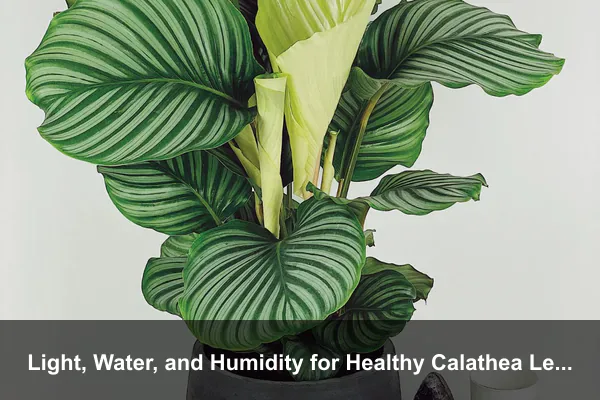
Calathea care becomes easier when you think of it as a balance between three things: soft light, consistent moisture, and breathable humidity. Problems usually begin when one of these is extreme. Too much sun burns or fades leaves. Too little light weakens growth. Dry air crisps edges. Wet soil suffocates roots. The goal is not perfection, but steady conditions.
Best Light for Calathea
Calathea prefers bright indirect light. Near an east-facing window, a frosted bathroom window, or a bright room with filtered curtains, it can maintain strong color without harsh leaf burn. Direct afternoon sun is usually too intense. If the leaves look washed out, scorched, or papery, the plant may be receiving too much sun. If growth is weak and the pattern looks dull, it may need brighter indirect light.
Watering Without Overwatering
Water when the top layer of soil begins to feel slightly dry, but before the whole pot becomes bone dry. Calathea dislikes long droughts, yet it also dislikes sitting in water. Use a pot with drainage holes and empty any saucer after watering. If your tap water is very hard or heavily treated, filtered water, rainwater, or water left to sit before use may reduce brown tips for sensitive plants.
Humidity That Helps Without Causing Problems
Calathea appreciates humidity, but wet leaves in stagnant air can invite trouble. Bathrooms and kitchens can help naturally, but airflow still matters. Avoid trapping the plant in a closed, steamy room all day. If your home is dry, a small humidifier near a plant group is usually more effective than occasional misting. Misting may briefly dampen leaves, but it does not create lasting humidity and can leave spots if water quality is poor.
Soil and Potting Basics
The best potting mix holds light moisture while allowing oxygen to reach the roots. A general indoor potting mix amended with perlite, fine bark, or coco coir can work well. Heavy garden soil is not suitable in pots because it compacts too easily. Repot only when needed, usually when roots crowd the pot, water runs through too quickly, or growth declines despite good care.
Choosing the Right Calathea for a Humid Space
Choosing well is one of the most overlooked parts of Calathea success. A healthy plant in the right size will adapt more easily than a stressed plant bought only for its dramatic pattern. Before buying, look at the room first. Consider light, shelf depth, airflow, pet access, and whether the pot will be near splashes or heat.
Compact Choices for Small Rooms
For narrow shelves, small bathrooms, and apartment corners, compact varieties are usually better than large-leaf types. A smaller Calathea is easier to rotate, inspect, water, and move when cleaning. It also puts less pressure on limited surfaces. Compact plants are ideal if you want the benefit of patterned foliage without creating clutter.
Dramatic Choices for Visual Impact
If the room has more space, larger Calathea varieties can act as living artwork. Their leaves create movement and pattern without needing flowers. This is useful in minimalist bathrooms, plain kitchens, or neutral laundry rooms where one bold plant can do more than several small decorations.
Buying Checklist
- Choose leaves with strong color and no widespread yellowing.
- Check the undersides of leaves for pests before bringing the plant home.
- Avoid plants sitting in waterlogged nursery pots.
- Look for several healthy stems rather than one weak cluster.
- Pick a size that fits your space now, not only the look you imagine later.
After purchase, give the plant time to adjust. A few older leaves may decline as it adapts to your home. Avoid repotting immediately unless the soil is clearly poor, sour-smelling, or soaked. Stability is often more helpful than instant intervention.
Design Ideas That Make Calathea Practical
Calathea is often described as decorative, but good placement makes it practical too. The best design choice is one that protects the plant while improving the room. Since its leaves are the main feature, place it where the pattern is visible at eye level or slightly below. Avoid hiding it behind bottles, appliances, curtains, or tall furniture.
Use Calathea to Soften Hard Materials
Bathrooms and kitchens often contain tile, glass, stone, metal, and glossy cabinets. Calathea leaves balance those hard surfaces with matte texture and organic shape. A simple ceramic pot, a wood stool, or a small wall shelf can make the plant feel integrated rather than randomly placed.
Group It With Compatible Plants
Calathea pairs well with other humidity-loving indoor plants, especially those with different leaf shapes. Grouping plants can create a slightly more humid microclimate and a fuller visual effect. Keep enough space between pots for airflow and cleaning. A crowded plant group may look lush at first but can become difficult to inspect for pests or moisture problems.
Keep Maintenance Access in Mind
Beautiful placement should still be reachable. You need to touch the soil, rotate the pot, remove old leaves, and check the leaf undersides. If a plant is placed too high, too close to plumbing, or behind heavy objects, care becomes inconsistent. Practical styling is part of long-term plant health.
Common Calathea Problems and What the Leaves Are Telling You
Calathea problems often show up first on the leaves. This can feel discouraging, but it also gives you early clues. The best response is to change one condition at a time, then observe. Making several major changes at once can create more stress and make the real cause harder to identify.
Brown Leaf Edges
Brown edges usually point to dry air, inconsistent watering, mineral-heavy water, or old leaf aging. Start by checking soil moisture and humidity. If care is otherwise good, consider improving water quality. Trim brown edges only for appearance, using clean scissors, and avoid cutting deep into healthy tissue.
Curling Leaves
Curling leaves often mean the plant is trying to conserve moisture. The soil may be too dry, the air may be too dry, or the plant may be near heat or direct sun. Water thoroughly if the soil is dry, then move the plant away from harsh conditions. In some cases, leaves also fold naturally during daily movement, so look for lasting curling combined with dryness or drooping.
Yellow Leaves
Yellow leaves can come from overwatering, poor drainage, low light, or normal aging of older foliage. Check the roots and soil before adding more water. If the pot has no drainage, move the plant into a proper container. If the room is dim, improve indirect light rather than increasing fertilizer.
Pests
Spider mites, mealybugs, and other small pests can affect stressed Calathea plants. Inspect leaf undersides regularly, especially in warm indoor rooms. Early action is easier than rescue later. Wipe leaves gently, isolate affected plants, and use an appropriate houseplant-safe treatment when needed.
Safe and Sustainable Calathea Care Habits
A sustainable plant routine is not only about eco-friendly products. It is also about buying thoughtfully, keeping plants alive longer, reducing waste, and avoiding unnecessary replacements. Calathea can live well indoors when its needs are respected, but it is not the best choice for someone who wants a plant to ignore for weeks.
Buy for Your Real Conditions
Do not buy the most dramatic Calathea if your home is very dry, dark, and difficult to monitor. A slightly tougher variety or a smaller plant may be a better starting point. Matching the plant to your actual room is more sustainable than repeatedly replacing stressed plants.
Use Care Supplies Wisely
You do not need a large collection of products to grow Calathea. A draining pot, suitable potting mix, clean water, moderate humidity, and gentle light solve most issues. Fertilize lightly during active growth, but avoid heavy feeding. Too much fertilizer can damage sensitive roots and worsen leaf tips.
Remove Leaves With Purpose
Older leaves naturally decline. Removing a fully yellow or crispy leaf helps the plant look clean and can improve airflow. Do not remove every imperfect leaf too quickly, especially if it still has green tissue. Plants use healthy leaf area to make energy, and a Calathea does not need to look flawless to be valuable.
Quick Calathea Care Routine for Busy Homes
A simple routine helps Calathea stay manageable. Instead of reacting only when leaves look stressed, build small checks into normal household habits. This is especially easy in bathrooms and kitchens because you pass through these rooms daily.
- Check light once: place the plant in bright indirect light and watch for fading, burn, or stretching over two weeks.
- Check soil twice a week: water when the top layer begins to dry, not on a rigid calendar.
- Watch humidity: use natural room humidity, plant grouping, or a humidifier if edges crisp repeatedly.
- Rotate the pot: turn it every week or two so growth remains balanced.
- Inspect leaves: look under leaves for pests and wipe dust with a soft damp cloth when needed.
- Pause before changing everything: adjust one condition at a time so you can see what actually works.
This routine keeps the focus on observation rather than perfection. Calathea is sensitive, but sensitivity is easier to manage when you respond calmly and consistently.
Conclusion
Calathea plant benefits and information become more useful when you look beyond general houseplant claims and focus on real home conditions. Calathea is not a miracle air purifier, an edible plant, or a low-care desert survivor. Its strength is different: it brings patterned, pet-friendly, non-fragrant foliage into humid indoor spaces where many people want beauty without clutter or strong scent.
For bathrooms, kitchens, laundry areas, and bright humid corners, Calathea can be a smart ornamental choice when it receives indirect light, steady moisture, breathable soil, and reasonable airflow. Its leaves add color, texture, and gentle movement, while its care routine encourages closer attention to the indoor environment. Choose the right variety, place it thoughtfully, and Calathea can turn practical rooms into calmer, greener parts of the home.
