
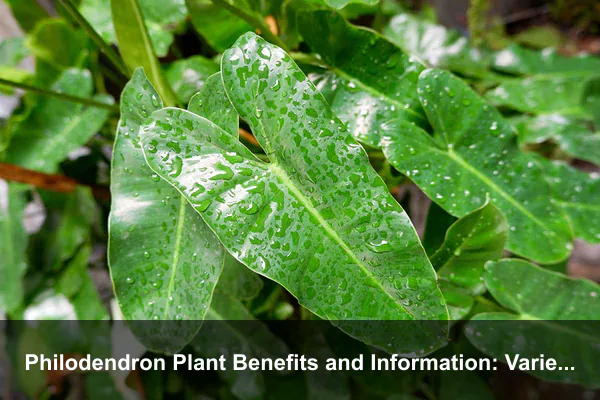
Philodendrons have moved far beyond the simple role of background greenery. For many indoor plant lovers, they are living design pieces, botanical learning tools, and practical houseplants that can make a room feel softer, calmer, and more connected to nature. This guide looks at Philodendron plant benefits and information through a fresh angle: how leaf color, variegation, growth habit, and responsible buying choices affect the real value of keeping one at home.
Instead of treating every philodendron as the same easy green vine, it helps to understand why some forms stay compact, why others climb, why variegated leaves need more thoughtful light, and why rare-looking plants are not always the best choice for everyday living. Whether you want one reliable plant for a bright shelf or a carefully chosen specimen for a small indoor collection, philodendrons offer beauty and practical benefits when their needs match your home.
Why Philodendrons Appeal to Modern Indoor Plant Lovers
Philodendrons belong to the aroid family, a group known for bold foliage and adaptable indoor habits. Their appeal comes from variety. Some have heart-shaped leaves that trail gently from shelves. Others grow upright with broad, glossy blades. Collector types may show splashes of cream, lime, pink, silver, or deep burgundy. This diversity makes philodendrons useful for many design styles, from a simple apartment corner to a curated indoor plant display.
The main value of philodendron is not only visual. In the context of plant benefits, a philodendron can support daily routines by adding natural texture, encouraging observation, and making indoor rooms feel less sterile. Caring for a plant gives people a small, repeatable task that connects them to light, water, seasons, and growth. That benefit is modest but meaningful, especially in homes dominated by screens and hard surfaces.
A Plant With Many Personalities
The word philodendron covers many species and hybrids. This is why one person may describe a philodendron as a fast vine, while another thinks of a large upright plant with deeply lobed leaves. Both can be correct. The genus includes climbing, trailing, and self-heading types, and each one behaves differently indoors.
- Trailing types soften shelves, cabinets, and hanging planters.
- Climbing types look fuller when trained on a moss pole, plank, or trellis.
- Self-heading types grow in a more upright rosette and suit floor pots or plant stands.
- Variegated types bring high visual contrast but usually need brighter, steadier conditions.
This variety is one reason the keyword Philodendron plant benefits and information attracts so many readers. People are not only asking whether the plant is useful; they are asking which philodendron fits their home, their time, and their level of experience.
Key Philodendron Benefits for Indoor Living
Philodendron benefits are best understood realistically. A houseplant will not transform indoor air on its own, cure health problems, or replace good ventilation. Its value is more practical: it can improve the feel of a space, support calmer routines, and offer long-lasting greenery with relatively simple care.
Visual Comfort and Natural Texture
Philodendrons add rounded, organic shapes to rooms filled with straight lines. The leaves can soften desks, bookcases, window corners, and living room edges. Glossy green types create a clean tropical feel, while velvety or variegated types add more depth and detail. This visual comfort is one of the most reliable benefits because it is immediate and easy to notice.
For small homes, a single well-placed philodendron can do the work of several decorative objects. A trailing vine can frame a shelf. A climbing plant can add height without taking much floor space. A compact self-heading type can make a side table feel finished without clutter.
Routine, Mindfulness, and Plant Observation
Philodendrons are good plants for people who want a living object that responds clearly to care. New leaves unfurl, older leaves yellow when stressed, stems reach toward light, and roots show when a plant is ready for support or repotting. These visible changes encourage observation.
This is a quiet but important benefit. Watching a philodendron grow teaches patience. It also builds a habit of checking soil moisture, light direction, leaf color, and pests before problems become severe. For beginners, that feedback can make indoor gardening feel less mysterious.
Flexible Design Without Heavy Maintenance
Many philodendrons tolerate normal household conditions better than fussy tropical plants. They usually prefer bright indirect light, airy soil, moderate watering, and stable warmth. Once placed correctly, they can stay attractive with a simple weekly check. This makes them useful for busy people who still want greenery that feels alive and expressive.
The lowest-maintenance choices are usually green, non-variegated forms. Highly variegated philodendrons can be rewarding, but they often grow more slowly and need stronger light because white or pale leaf areas contain less chlorophyll. Understanding this difference helps prevent disappointment.
Understanding Variegation, Color, and Leaf Form
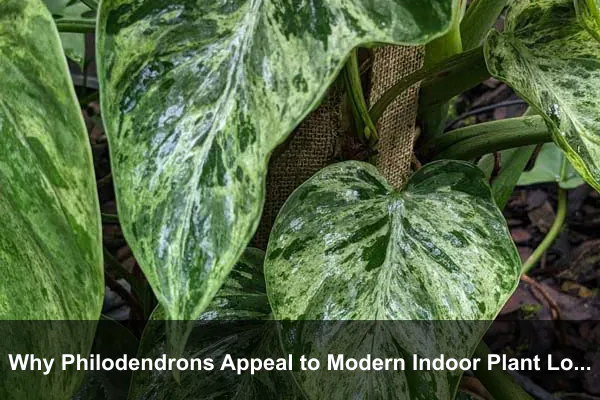
Variegated philodendrons are popular because no two leaves look exactly the same. Cream streaks, mint patches, marbled patterns, or pink tones can make a plant feel like living artwork. However, variegation is not just decoration. It affects growth speed, light needs, and long-term care.
Why Variegated Leaves Need Better Light
Green leaf tissue makes food for the plant through photosynthesis. Pale, white, yellow, or pink sections usually photosynthesize less efficiently. When a philodendron has a lot of variegation, the plant has less working green surface. That means it often needs brighter indirect light than a fully green plant to maintain healthy growth.
Too little light can lead to smaller leaves, stretched stems, slow growth, or fading color. Too much direct sun can scorch delicate leaf tissue. The best balance is usually close to a bright window with filtered light, a sheer curtain, or a quality grow light placed at an appropriate distance.
Stable Variegation Versus Unstable Color
Some philodendrons have more predictable patterns, while others may produce leaves with changing amounts of color. A plant can also revert, meaning it begins producing mostly green leaves again. Reversion is not always a failure. It is often the plant choosing stronger growth over ornamental color.
If a variegated philodendron starts producing all-green growth, check light first. If the plant is healthy but the new growth stays plain for several nodes, pruning back to a more variegated node may encourage patterned growth again. This should be done carefully and only on a plant with enough healthy leaves to recover.
Leaf Shape as Practical Information
Leaf form can tell you how a philodendron may behave in your home. Thin, delicate leaves may need more consistent humidity and gentler light. Thick, leathery leaves often tolerate normal indoor conditions better. Large leaves need space to expand and should not be pressed against walls, curtains, or cold windows.
- Heart-shaped leaves often suit shelves, hanging baskets, and casual trailing displays.
- Long narrow leaves can bring movement and elegance to tight corners.
- Large lobed leaves create a statement but need room and stable support.
- Velvety leaves look refined but may show water spots and dust more easily.
- Highly variegated leaves need careful light and patience with slower growth.
How to Choose a Philodendron Without Chasing Hype
One of the most useful pieces of Philodendron plant benefits and information is this: the best plant is not always the rarest plant. Online trends can make certain philodendrons look essential, but a plant that struggles in your home will not deliver lasting value. A healthy, well-matched philodendron is more satisfying than an expensive cutting that needs constant rescue.
Match the Plant to Your Light
Before buying, observe your room for a few days. Bright indirect light near an east-facing window is different from dim light across the room. A variegated collector plant may look beautiful in photos, but it may not be practical if your only available spot is several meters from a window.
For lower-light rooms, choose green and resilient types. For brighter rooms, you can consider variegated, colorful, or larger-leaved plants. If you use grow lights, choose a setup that fits your routine. A rare philodendron placed under poor lighting will often become leggy and disappointing.
Inspect Before You Buy
A good purchase begins with plant health, not leaf pattern alone. Check the roots if possible. Healthy roots are usually firm and light-colored to tan, not mushy or sour-smelling. Look under leaves and along stems for pests. Avoid plants with widespread yellowing, soft stems, black patches, or wet soil that smells stale.
- Choose a plant with several healthy leaves, not only one dramatic leaf.
- Check new growth points for firmness and color.
- Look for balanced variegation with enough green tissue to support growth.
- Avoid buying freshly cut, unrooted material unless you understand propagation risk.
- Ask whether the plant was grown in soil, moss, water, or a semi-hydro setup.
Think About Long-Term Value
Long-term value is not only resale price. It includes how well the plant fits your home, how often you enjoy looking at it, how manageable its care is, and whether it stays healthy without taking over your schedule. A modest philodendron that grows steadily for years can offer more real benefit than a fragile rare plant that constantly declines.
Responsible buying also matters. When possible, choose nursery-propagated plants from reputable sellers. Avoid supporting wild-collected plants or unclear sourcing. Ethical plant ownership protects natural habitats and encourages better horticultural practices.
A Practical Care Routine for Strong, Stable Foliage
Philodendron care is not complicated, but consistency matters. The goal is to create a root zone that holds some moisture without staying soggy, provide enough indirect light for strong leaves, and adjust care as seasons change.
Light
Most philodendrons grow best in bright indirect light. A spot near a bright window, protected from harsh midday sun, is often ideal. Green types can tolerate moderate light, but they still grow better with brightness. Variegated types generally need more light to maintain color and avoid weak growth.
If leaves become smaller, stems stretch, or variegation fades, the plant may need more light. If leaves develop dry brown patches after direct sun exposure, move it back or filter the light. Light changes should be gradual, especially for plants that have been living in dim rooms.
Watering
Water when the upper part of the potting mix has dried. For many homes, this means checking once a week, but not watering automatically every week. Temperature, pot size, soil texture, humidity, and season all affect moisture.
Overwatering is a common problem because philodendrons like moisture but dislike suffocated roots. A pot with drainage holes is strongly recommended. After watering, let excess water drain away instead of leaving the pot sitting in a full saucer.
Soil and Potting Mix
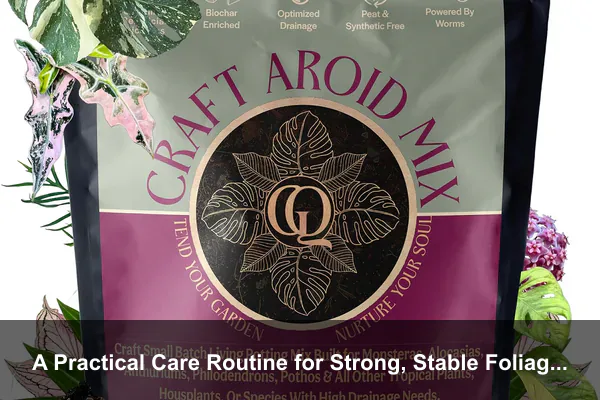
A chunky, airy mix is ideal. Many growers use a blend that includes potting soil, orchid bark, perlite, coco chips, or pumice. The exact recipe can vary, but the structure should let oxygen reach the roots. Dense garden soil is usually a poor choice indoors because it compacts and holds too much water.
Repot only when needed. Signs include roots circling tightly, water running straight through without moistening the mix, very slow growth during the growing season, or a plant that dries out much faster than usual. Move up only one pot size at a time to reduce the risk of soggy unused soil.
Humidity and Temperature
Philodendrons appreciate moderate humidity, but many common types adapt to average indoor humidity. Thin-leaved or velvety plants may need more stable moisture in the air. Grouping plants, using a pebble tray correctly, or running a humidifier can help, but wet leaves and poor airflow can invite fungal issues.
Keep philodendrons away from cold drafts, air conditioner blasts, and hot radiator edges. Most prefer warm, stable indoor temperatures. Sudden temperature stress can cause leaf yellowing or stalled growth.
Training, Pruning, and Display Ideas
Philodendrons are useful because many can be shaped over time. You can let a vine trail, encourage it to climb, prune it for fullness, or use cuttings to refresh the pot. This makes the plant flexible for changing homes and changing tastes.
When to Let It Trail
Trailing is simple and attractive for heart-leaf types and other vining philodendrons. It works well on shelves, bookcases, hanging baskets, and high cabinets. The main care point is to keep the top of the pot within easy reach. If watering becomes awkward, the plant may be neglected.
Rotate the pot occasionally so growth stays balanced. If stems become too long and sparse, prune them back and propagate the cuttings. Replanting rooted cuttings into the same pot can create a fuller look.
When to Provide Support
Many climbing philodendrons develop larger, more mature leaves when given support. A moss pole, coir pole, wooden plank, or trellis can guide upward growth. The support should be stable and installed before the plant becomes too heavy or tangled.
Support is especially useful for larger-leaved or collector philodendrons. It helps organize growth, saves floor space, and allows leaves to display more naturally. Tie stems loosely with soft plant tape or clips, avoiding tight pressure that can damage growth points.
Pruning for Shape and Health
Pruning removes damaged leaves, controls length, and encourages a fuller plant. Use clean, sharp scissors or pruners. Cut above a node if you want the stem to branch or if you plan to root the cutting. Remove yellow or damaged leaves only after checking the cause, because repeated yellowing can point to watering, light, root, or pest problems.
- Prune leggy stems during active growth for quicker recovery.
- Remove dead leaves to reduce hiding places for pests.
- Keep enough healthy foliage so the plant can continue producing energy.
- Propagate only from healthy stems with visible nodes.
Propagation and Low-Waste Plant Ownership
Propagation is one of the most satisfying philodendron benefits. Many vining types root from stem cuttings with nodes. This makes it possible to share plants, fill out a sparse pot, or preserve a favorite plant before pruning heavily.
Simple Stem Cutting Method
Choose a healthy stem with at least one node and one leaf. Cut with clean tools. Place the cutting in water, moist sphagnum moss, perlite, or a light propagation mix. Keep it warm with bright indirect light. Once roots are several centimeters long and branching, pot the cutting into a suitable airy mix.
Water propagation is easy to watch, but water roots can be delicate when moved into soil. Keep the soil lightly moist during the transition, then gradually shift to normal watering as the cutting establishes.
Using Cuttings Responsibly
Propagation should not become wasteful. Avoid cutting a stressed or tiny plant just to make more plants. Let new plants establish before giving them away. Label cuttings if you collect multiple types, especially variegated varieties that may look similar when young.
For collectors, responsible propagation can reduce pressure on rare plants and make desirable forms more accessible. It also helps homeowners maintain a plant without always buying new specimens.
Safety, Pets, and Realistic Expectations
Philodendrons are beautiful, but they are not edible houseplants. Most contain calcium oxalate crystals that can irritate the mouth, throat, and digestive tract if chewed or swallowed. This matters for homes with cats, dogs, toddlers, or curious children.
Safe Placement
Place philodendrons where pets and children cannot easily chew the leaves or stems. Hanging planters, higher shelves, plant cabinets, or rooms with supervised access can help. Remember that trailing vines may hang down into reach, so trim or guide them as needed.
Wear gloves if your skin is sensitive, especially when pruning or handling sap. Wash hands after cutting, repotting, or removing damaged leaves. If a pet or child eats part of the plant and shows symptoms, contact a veterinarian, poison control center, or medical professional.
Air Quality Claims
Philodendrons are often promoted as air-cleaning plants. While plants can interact with indoor air in controlled studies, a normal home would need many plants to meaningfully replace ventilation or source control. It is more accurate to say that philodendrons contribute to a greener, more comfortable environment, not that they purify a room by themselves.
Use philodendrons as part of a healthy home approach: ventilate when possible, reduce indoor pollutants, clean dust, and maintain good humidity. A plant adds value, but it is not a substitute for basic indoor air management.
Common Philodendron Problems and What They Mean
Philodendrons communicate through their leaves and stems. Problems are easier to fix when you read the pattern instead of reacting to one leaf.
Yellow Leaves
One old yellow leaf can be normal. Many yellow leaves at once often suggest overwatering, poor drainage, cold stress, or root trouble. Check soil moisture and root condition before adding fertilizer. Fertilizer will not fix damaged roots.
Brown Tips or Edges
Brown tips may come from dry air, inconsistent watering, mineral buildup, or root stress. Trim only the dead tissue if it bothers you, but focus on the cause. Flush the potting mix occasionally if salts build up, and avoid letting the plant swing between bone dry and soaking wet.
Small New Leaves
Small leaves often point to insufficient light, lack of support for climbing types, or depleted root conditions. A climbing philodendron that trails without support may continue growing, but it may not produce mature foliage. Improve light gradually and consider adding a support structure.
Pests
Common pests include spider mites, mealybugs, scale, and thrips. Inspect leaf undersides, nodes, and new growth. Isolate affected plants and treat early with appropriate methods such as rinsing, insecticidal soap, horticultural oil, or targeted pest control. Repeat treatment as needed because many pests have life stages that survive a single cleaning.
Best Philodendron Types for Different Homes
The best philodendron depends on your space and expectations. Instead of choosing only by popularity, match the plant to your room conditions and care style.
For Beginners
Choose reliable green vining types or sturdy upright varieties. They forgive small mistakes better than rare, pale, or very thin-leaved plants. They also grow quickly enough to teach you how philodendrons respond to pruning, watering, and light.
For Small Spaces
Compact trailing plants, small-leaved climbers, and plants that can be trained upward are useful. A vertical support can give you more foliage without using much surface area. Avoid large self-heading plants if your room is narrow or crowded.
For Collectors
Collectors may enjoy variegated, velvety, or unusual leaf forms. The key is to buy healthy plants, understand their specific care, and avoid building a collection faster than you can maintain it. A smaller collection of thriving plants is better than many stressed plants competing for light and attention.
Conclusion
Philodendrons offer more than attractive leaves. They bring natural texture, flexible design, hands-on learning, and long-term indoor value when chosen carefully. The most useful Philodendron plant benefits and information comes from matching the plant to your home rather than chasing every trend. Light, growth habit, variegation, safety, and care routine all shape how rewarding the plant will be.
If you want a simple houseplant, choose a resilient green philodendron and give it bright indirect light, airy soil, and thoughtful watering. If you want a collector plant, pay closer attention to variegation, sourcing, support, and stability. In both cases, the best philodendron is one that grows well in your real living space and continues to make that space feel calmer, greener, and more alive.
