
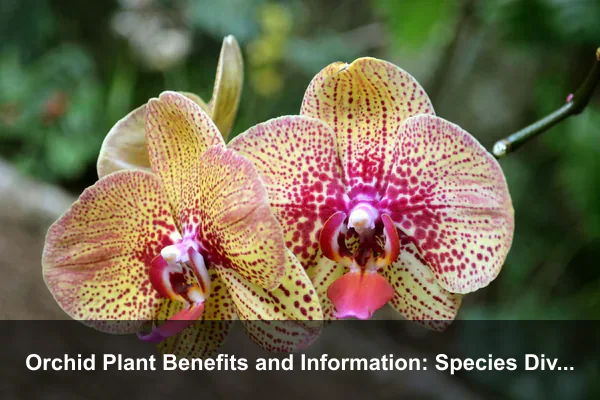
Orchid plant benefits and information often begin with beauty, but orchids offer more than elegant flowers. They are long-lasting ornamental plants that bring color, texture, and a sense of living detail into homes, apartments, offices, and shaded garden corners. For people interested in manfaat tanaman, orchids are especially valuable because they combine visual wellness, space efficiency, botanical learning, and decorative flexibility without requiring a large garden.
This guide takes a distinct angle: instead of treating orchids only as luxury blooms or difficult houseplants, it explains how to understand their natural diversity, match them to indoor microhabitats, and care for them in a practical, low-waste way. With the right expectations, an orchid can become a repeat-blooming companion, a small-space design feature, and a simple daily reminder to observe light, humidity, roots, and seasonal change.
Why Orchids Are Valuable Indoor Flowering Plants
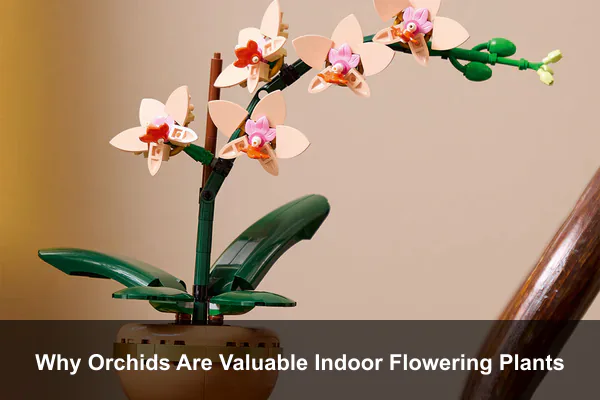
Orchids belong to one of the largest plant families in the world, with thousands of species and many cultivated hybrids. Their popularity comes from their refined flowers, but their real value is broader. Many common indoor orchids bloom for weeks or even months, making them more lasting than cut flowers and more compact than many flowering shrubs.
For home growers, the main benefits of orchids include:
- Long-lasting blooms: Many Phalaenopsis orchids can hold flowers for several weeks under stable conditions.
- Small-space beauty: Orchids fit on shelves, windowsills, side tables, and narrow plant stands.
- Low soil mess: Many orchids grow in bark, moss, or other airy media rather than heavy potting soil.
- Visual calm: Their balanced stems, sculptural roots, and soft colors can make a room feel more intentional.
- Botanical education: Orchids teach growers to read roots, leaves, light, air movement, and moisture.
These benefits make orchids suitable for beginners who enjoy observation. They are not plants to water on autopilot, but they are also not as mysterious as many people think.
Understanding Orchid Diversity Before Buying
One reason orchid care feels confusing is that not all orchids want the same conditions. A moth orchid, a Dendrobium, and an Oncidium may all be called orchids, but they can differ in light needs, watering rhythm, growth habit, and temperature preference. Choosing the right type is the first step toward success.
Phalaenopsis for Easy Indoor Blooms
Phalaenopsis, often called the moth orchid, is the most common beginner orchid. It usually prefers bright indirect light, moderate indoor temperatures, and watering after the potting medium begins to dry. Its broad leaves and arching flower spikes make it ideal for living rooms, desks, and bright bedrooms.
Dendrobium for Brighter Spaces
Dendrobium orchids often need brighter light than Phalaenopsis. Some types have cane-like stems and seasonal blooming cycles. They are good for growers who have a bright window and want a more upright, architectural orchid form.
Oncidium for Airy Displays
Oncidium orchids are known for sprays of smaller flowers, sometimes called dancing-lady orchids. They often appreciate good airflow and steady moisture without soggy roots. Their branching flower stems add movement and texture to indoor plant collections.
When buying any orchid, check that the leaves are firm, the crown is not soft, and the roots look plump rather than hollow. Healthy roots are one of the best signs that the plant can adapt after flowering.
Home Microhabitats: Matching Orchids to the Right Spot
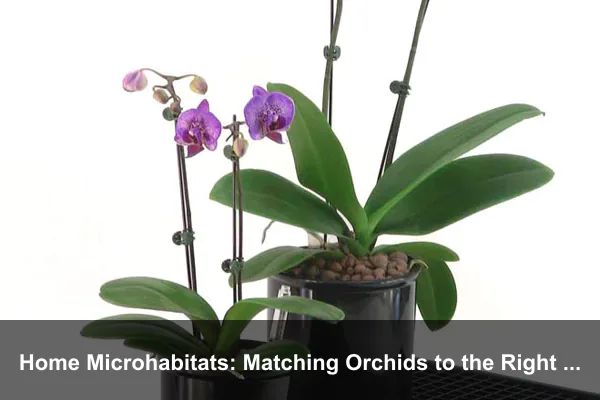
A microhabitat is a small area in your home with its own light, temperature, humidity, and airflow. Orchids respond strongly to these details. A plant that struggles on a dark shelf may thrive near an east-facing window, while another may prefer a bright bathroom ledge with filtered light.
Light Without Leaf Burn
Most common houseplant orchids prefer bright, indirect light. A window with morning sun is often ideal. Harsh afternoon sun can scorch leaves, while very dim light can prevent blooming. Healthy orchid leaves are usually medium green; very dark green leaves may suggest too little light, while yellowish or red-tinged leaves can signal excessive light.
Humidity and Airflow Balance
Orchids appreciate humidity, but they also need moving air around their roots and leaves. A humidity tray, nearby plants, or naturally humid room can help, but avoid trapping the plant in stagnant dampness. Good orchid care is not about keeping everything wet; it is about creating moisture with oxygen.
Temperature Stability
Many orchids dislike sudden changes from heaters, air conditioners, or cold drafts. Place them away from direct vents. A stable indoor range that feels comfortable to people is often comfortable for many popular orchids too.
Practical Orchid Care for Healthy Growth
Orchid care becomes easier when you focus on the plant’s signals rather than a strict calendar. The potting medium, room temperature, season, and pot type all affect how quickly an orchid dries.
Watering by Observation
Before watering, check the potting medium and roots. If the bark or moss is still wet, wait. If the roots look silvery and the medium feels nearly dry, watering may be needed. Water thoroughly, then allow excess water to drain completely. Never let the crown sit full of water, especially overnight.
Feeding Lightly
Orchids do not need heavy fertilizer. A diluted orchid fertilizer during active growth is usually enough. Overfeeding can damage roots and cause salt buildup. It is better to feed lightly and consistently than to push the plant with strong fertilizer.
Repotting at the Right Time
Repot when the medium breaks down, smells sour, stays wet too long, or no longer supports healthy roots. Many orchids are repotted after blooming, when the plant can focus energy on new root growth. Choose a pot with strong drainage and an airy orchid mix suited to the orchid type.
Design Benefits: How Orchids Improve Indoor Spaces
Orchids work well in modern, traditional, minimalist, and tropical interiors because they offer flower color without visual clutter. Their upright form makes them useful in small rooms where broad foliage plants may take too much space.
Useful orchid display ideas include:
- Single focal plant: Place one blooming orchid on a console, dining table, or entry shelf for a clean ornamental statement.
- Grouped collection: Combine orchids with different bloom colors but similar pot styles for a calm, curated display.
- Vertical plant zone: Use a narrow stand or wall shelf to display several orchids without using much floor space.
- Work area accent: Add one compact orchid near a bright workspace for color that feels refined rather than distracting.
Because orchid flowers can last a long time, they are especially useful for people who want a decorative plant with less frequent replacement than fresh bouquets.
Common Orchid Problems and Simple Fixes
Many orchid problems come from mismatched conditions. The plant usually gives clues before it declines completely.
Wrinkled Leaves
Wrinkled leaves can mean dehydration, but the cause may be damaged roots rather than lack of water. Check the roots first. If many roots are brown, mushy, or hollow, improve drainage and remove decayed material during repotting.
No New Blooms
If an orchid grows leaves but does not bloom, it may need brighter indirect light, a seasonal temperature difference, or more time after its last flowering cycle. Avoid forcing blooms before the plant has rebuilt energy.
Yellow Leaves
One older yellow leaf can be normal aging. Several yellow leaves may indicate overwatering, poor drainage, harsh sun, or root stress. Look at the whole plant before deciding on a fix.
Safety, Sustainability, and Smart Buying
Orchids are mainly grown for ornamental value. They should not be treated as edible or medicinal unless a specific species is properly identified and known to be safe. Keep decorative orchids away from pets or children who may chew plants, fertilizers, clips, or potting media.
For sustainable orchid ownership, buy healthy plants from reputable growers, keep the nursery pot if it still works, reuse decorative cachepots, and avoid replacing plants just because flowers fade. A resting orchid is not a dead orchid. With patience, it may grow new roots, leaves, and flower spikes in the next cycle.
Conclusion
Orchid plant benefits and information go far beyond elegant blooms. Orchids can support calmer interiors, teach careful plant observation, save space, and provide long-lasting ornamental value. Their success depends less on complicated routines and more on choosing the right type, placing it in a suitable home microhabitat, and responding to roots, leaves, light, and moisture.
For anyone interested in the practical benefits of plants, orchids are a rewarding choice. They bring beauty with restraint, encourage mindful care, and turn even a small indoor corner into a living display of color, structure, and seasonal growth.
