
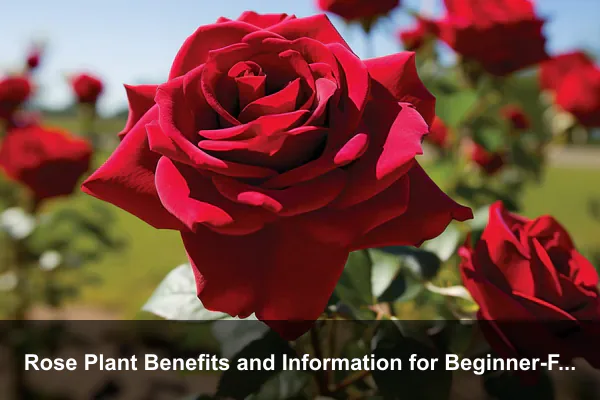
Roses are often admired for romance, fragrance, and classic garden beauty, but their practical value goes far beyond ornamental appeal. A well-planned rose plant can support emotional wellness, outdoor routines, pollinators, small-space gardening, and hands-on learning for beginners. This guide looks at rose plant benefits and information through a fresh angle: how roses can become part of a balanced, beginner-friendly wellness garden without making care feel complicated.
Instead of treating roses as fussy luxury flowers, it is more useful to understand them as living plants with clear needs, useful signals, and many everyday benefits. With the right variety, placement, watering rhythm, and simple pruning habits, roses can reward gardeners with blooms, scent, seasonal interest, and a stronger connection to outdoor spaces.
Why Roses Belong in a Wellness-Focused Garden

A rose plant offers both visible beauty and sensory value. Its color, scent, texture, and changing growth stages can make a garden feel more alive and inviting. For people who want a plant that encourages them to step outside, observe nature, and care for something meaningful, roses are an excellent choice.
The wellness value of roses is not about promising medical results. It comes from everyday experiences: noticing new buds, pruning with focus, harvesting spent blooms, watering with intention, and watching pollinators visit open flowers. These small routines can make gardening feel calming and productive.
Emotional and Sensory Benefits
Roses are strongly linked with mood because they engage multiple senses at once. Their fragrance can make patios, paths, and seating areas feel more pleasant. Their colors can brighten quiet corners, while their layered petals create a soft visual texture that many people find comforting.
- Visual beauty: roses add color, elegance, and seasonal rhythm to outdoor spaces.
- Fragrance: scented varieties can improve the atmosphere around entrances, balconies, and garden benches.
- Mindful care: watering, deadheading, and checking leaves encourage slow observation.
- Connection with nature: roses attract bees and other beneficial visitors when grown responsibly.
A Plant That Encourages Routine
Some plants are easy to ignore, but roses invite regular attention. This can be a benefit for gardeners who want a gentle routine. Looking for new shoots, removing faded flowers, and checking soil moisture all help build consistent gardening habits.
Essential Rose Plant Information for Beginners
Roses belong to the genus Rosa, which includes many species, hybrids, shrubs, climbers, miniature roses, and landscape roses. Because there are so many types, the best rose plant is not always the biggest or most dramatic one. The best choice is the rose that matches your space, climate, and care style.
Common Rose Types
Understanding basic rose categories helps you choose wisely. Hybrid tea roses are known for large, classic blooms on long stems. Floribunda roses produce clusters of flowers and often give a fuller display. Shrub roses are usually more relaxed in shape and can be easier for beginners. Climbing roses need support and space, while miniature roses suit containers and compact gardens.
- Hybrid tea roses: good for formal flowers and cutting gardens.
- Floribunda roses: ideal for repeated color in garden beds.
- Shrub roses: practical for low-pressure landscape planting.
- Climbing roses: useful for arches, fences, and vertical features.
- Miniature roses: suitable for pots, balconies, and small patios.
Basic Growing Needs
Most roses prefer full sun, fertile soil, good airflow, and steady moisture. They dislike soggy roots, crowded stems, and deep shade. A strong start matters: plant roses where they receive at least six hours of sunlight, and improve heavy or poor soil with organic matter before planting.
Good airflow is especially important because crowded, damp leaves can encourage fungal problems. Spacing roses properly is one of the simplest ways to reduce disease pressure and make maintenance easier.
Main Benefits of Growing Rose Plants at Home
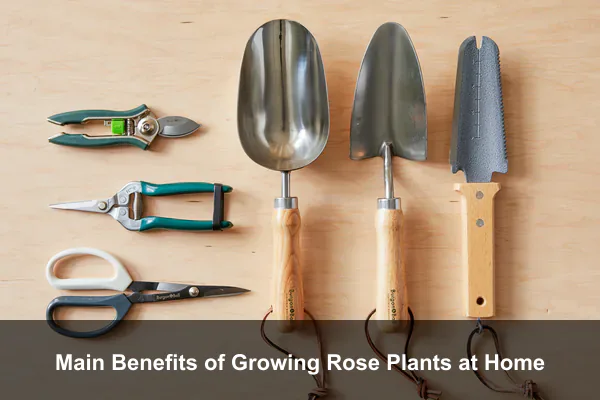
The benefits of rose plants are practical, aesthetic, ecological, and emotional. They can improve the look of a home garden, support useful outdoor habits, provide fragrant flowers, and make small landscapes feel more intentional.
Beauty and Home Value
Roses are strong design plants because they create focal points. A single healthy rose bush can soften a fence, frame a walkway, or make a plain patio feel finished. Their long bloom season also adds value because the plant changes throughout the year instead of staying visually static.
Pollinator Support
Not every rose is equally useful for pollinators. Highly doubled roses can make pollen and nectar harder to access, while open or semi-double flowers are easier for bees to visit. If supporting garden life is a priority, choose varieties with visible centers and avoid heavy pesticide use.
Learning Value for New Gardeners
Roses teach important gardening skills. They show how sunlight affects flowering, how pruning shapes growth, how mulch protects soil, and how leaf symptoms can reveal watering or disease issues. For beginners, roses can become a practical classroom in plant care.
How to Care for Roses Without Overcomplicating It
Rose care becomes easier when you focus on the basics instead of chasing perfect blooms. The foundation is simple: sunlight, soil, water, mulch, pruning, and observation. Once these are consistent, many rose problems become easier to prevent.
Sunlight and Placement
Choose a sunny location with morning light if possible. Morning sun helps dry dew from leaves, which can reduce fungal issues. Avoid tight corners with poor airflow, especially in humid climates.
Watering the Right Way
Water roses deeply at the base rather than spraying the leaves. Deep watering encourages roots to grow downward, helping the plant handle warm weather better. In containers, check moisture more often because pots dry faster than garden beds.
- Water early in the day when possible.
- Keep leaves as dry as practical.
- Use mulch to reduce evaporation.
- Avoid letting containers sit in standing water.
Soil and Feeding
Roses grow best in soil that drains well but still holds enough moisture. Compost can improve soil structure and support steady growth. Fertilizer can help, but more is not always better. Too much nitrogen may create leafy growth with fewer flowers.
Pruning, Deadheading, and Healthy Growth
Pruning can feel intimidating, but it is mainly about removing what weakens the plant and guiding new growth. Start with dead, damaged, crossing, or diseased stems. Then shape the plant so air and light can reach the center.
Simple Pruning Goals
Good pruning supports stronger stems, better airflow, and cleaner flowering. Use sharp, clean tools and make cuts above outward-facing buds when shaping the plant. For many repeat-blooming roses, removing faded flowers encourages more blooms.
- Remove dead or damaged stems first.
- Cut out crowded crossing branches.
- Open the center of the plant for airflow.
- Deadhead spent blooms during the flowering season.
- Clean fallen diseased leaves from the ground.
Reading Rose Plant Signals
Yellow leaves may point to overwatering, poor drainage, nutrient stress, or natural aging. Black spots on leaves may indicate fungal disease, especially when weather is humid. Weak flowering may suggest too little sun, poor pruning, or nutrient imbalance.
Safe and Responsible Rose Use
Roses are widely used in gardens, bouquets, crafts, and sometimes food traditions, but responsible use matters. Only use rose petals or hips from plants that have not been treated with unsafe chemicals. Store-bought florist roses are usually grown for display, not eating.
Thorns and Handling
Rose thorns can scratch skin, so gloves are useful during pruning and harvesting. Place thorny roses carefully if children, pets, or elderly family members use the garden path often. For narrow spaces, compact or nearly thornless varieties may be more practical.
Pesticide Awareness
A wellness garden should avoid unnecessary chemical use. Healthy spacing, resistant varieties, clean tools, mulch, and regular observation can reduce pest and disease problems before they become severe.
Best Rose Garden Ideas for Small and Practical Spaces
You do not need a large garden to enjoy rose plant benefits. A container rose on a sunny balcony, a compact shrub near a doorway, or a climbing rose on a narrow support can bring color and life to limited areas.
Container Roses
Choose a pot with drainage holes and enough depth for root growth. Miniature and patio roses work well in containers, but they need steady watering and occasional feeding. Place the pot where it receives strong light and good airflow.
Rose Corners for Daily Enjoyment
For everyday wellness, plant roses where you will actually see and enjoy them: near a window, beside a sitting area, along a path, or close to a porch. A rose hidden in an unused corner gives less practical value than one placed in daily view.
Conclusion
Rose plants combine beauty, fragrance, seasonal change, and meaningful garden routines. When chosen and cared for wisely, they can support a more pleasant outdoor space, encourage mindful habits, and bring lasting ornamental value to the home.
The most important rose plant information for beginners is simple: choose the right type, give it sun, protect the roots with good soil and mulch, water deeply, prune with purpose, and observe regularly. With this balanced approach, roses become less intimidating and far more rewarding as part of a healthy, beginner-friendly garden.
