
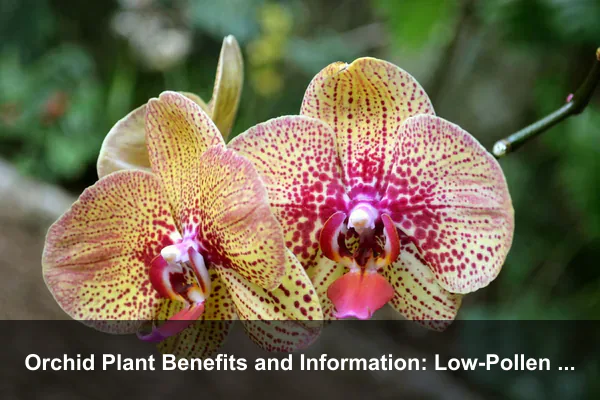
Orchids are often treated like luxury flowers, yet many common varieties are practical indoor plants for ordinary homes, apartments, offices, and gift tables. The best-known moth orchid can hold blooms for weeks or even months, giving you the color of a fresh bouquet with the longer value of a living plant. That combination makes orchids especially useful for people who want elegant flowers without replacing cut stems every few days.
This guide focuses on a distinct angle of orchid plant benefits and information: orchids as low-pollen, space-saving, observation-friendly flowering plants for indoor displays. Instead of turning orchid care into a complicated hobby, the goal is to help you understand what orchids offer, how to choose a strong plant, and how to keep it looking refined with a simple routine.
What Makes Orchids Different from Ordinary Flower Displays
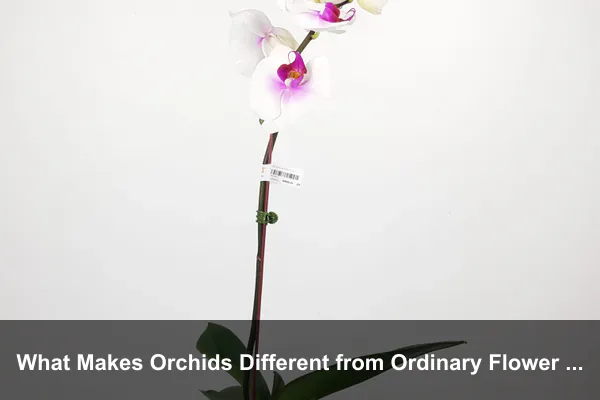
Most indoor flowering plants are valued for a short seasonal burst. Orchids work differently. Many of the orchids sold for home use are grown as display plants with thick leaves, firm flower stems, and blooms that open gradually. This means the plant can serve as living decor for a long period while also giving you daily visual cues about its health.
A Living Bouquet with a Longer Service Life
A cut bouquet is beautiful, but it begins declining as soon as it leaves the grower. An orchid keeps its roots, leaves, and future growth potential. Even after the flowers fall, the plant can remain useful as a compact green accent while it gathers energy for later growth. For budget-conscious plant lovers, this is one of the most practical orchid plant benefits.
Pollen That Usually Stays Contained
Many flowering plants release loose, powdery pollen. Orchids are different because their pollen is often held in waxy clusters called pollinia. This does not make every orchid ideal for every sensitive person, and it is not medical allergy advice. However, common indoor orchids are often appreciated by people who want flowers that are less messy and less pollen-dusty than many traditional bouquets.
Key Orchid Plant Benefits for Indoor Rooms and Workspaces
Orchid benefits are not limited to appearance. Their value comes from the way they combine long-lasting flowers, compact size, slow change, and a calm maintenance rhythm. In the context of manfaat tanaman, or plant benefits, orchids are best understood as ornamental plants that support atmosphere, attention, and low-waste decoration.
- Long bloom value: A healthy orchid can keep flowers for weeks, making it useful for desks, reception areas, dining corners, and bedroom shelves.
- Small-space beauty: Orchids grow upright and usually need less horizontal room than bushy flowering plants.
- Cleaner flower display: Many common orchids do not drop large amounts of petals, leaves, or powdery pollen indoors.
- Quiet visual focus: The sculptural leaves and arching flower stems create a polished look without overwhelming a room.
- Gift potential: Orchids feel special, but they are easier to personalize than a bouquet because the recipient can keep caring for the plant.
Why Orchids Work Well on Desks
A desk plant should not demand constant pruning, shed heavily, or spread across working space. Orchids suit this role because their structure is vertical and contained. A single plant in a stable pot can add color near a monitor, bookcase, or reception counter while leaving the surface functional.
Why Orchids Feel Premium Without Needing a Large Room
Orchids have strong visual lines: glossy leaves, clean stems, and flowers that appear almost arranged by design. This makes one plant feel intentional. In a small apartment, one orchid can deliver the same decorative impact that might require several smaller foliage plants.
Orchid Plant Information: Types That Fit Everyday Homes
There are thousands of orchid species and hybrids, but beginners do not need to understand all of them. For most homes, the key is to choose a variety that matches indoor light, humidity, and available attention. The following groups are common in plant shops and useful for different display goals.
Phalaenopsis or Moth Orchids
Phalaenopsis orchids are the standard choice for beginners because they tolerate typical indoor conditions better than many specialty orchids. Their broad leaves store moisture, and their flower spikes can carry blooms for a long period. They are a strong choice for people who want a refined plant for a desk, side table, or gift arrangement.
Dendrobium Orchids
Dendrobiums often have slimmer canes and a more upright profile. They can look cleaner and more architectural than moth orchids. Some types need brighter conditions and more seasonal variation, so they are better for owners who already observe plant changes and can adjust placement when needed.
Oncidium Orchids
Oncidiums are known for many smaller flowers on branching stems. They can create a lively display without taking much floor space. Some have a noticeable scent, so they should be tested carefully if the plant will sit in a bedroom, office, or allergy-aware area.
Mini Orchids
Mini orchids are useful for narrow shelves, bathroom ledges with suitable light, and compact workstations. They are not automatically easier than full-size orchids, but their scale makes them excellent for small homes. The main caution is that tiny pots can dry more quickly, so observation matters.
How to Choose a Healthy Orchid for a Gift, Desk, or Shelf
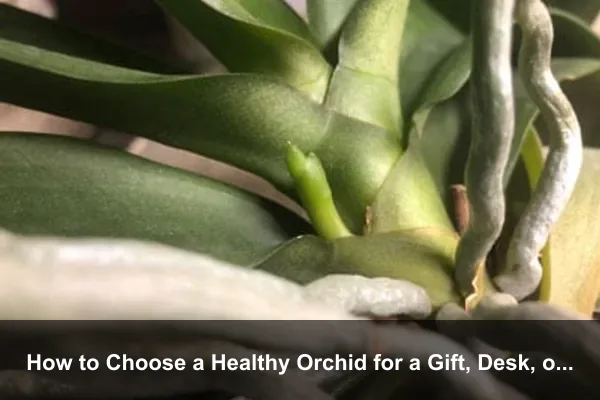
A good orchid starts with selection. The most attractive plant in the store is not always the best long-term choice. Look for balance: fresh leaves, stable stems, unopened buds, and a pot that lets the plant stand firmly. Choosing well reduces frustration and helps the plant deliver its full benefit after purchase.
Leaves, Crown, and Overall Balance
Healthy orchid leaves should feel firm, not limp or deeply wrinkled. A few small marks are normal, but avoid plants with mushy leaf bases, blackened crown areas, or a sour smell. The plant should sit securely in its container without wobbling dramatically when moved.
Buds and Flowers
If you want the longest display, choose an orchid with several open flowers and several unopened buds. A plant with every flower fully open may still be beautiful, but part of its display life has already passed. Avoid plants with many yellowing buds, which can indicate stress from transport, sudden temperature change, or poor watering.
Container and Display Fit
Many orchids are sold inside decorative cachepots. These look attractive but can hide water sitting at the bottom. For a gift, choose a container that is stable and easy to lift for watering checks. For a desk, avoid top-heavy arrangements that can tip over near electronics or papers.
A Simple Display Care Routine That Extends the Bloom Show
Orchid care becomes easier when you treat the plant as something to observe instead of something to manage by a rigid schedule. Indoor conditions change with air conditioning, heating, rainfall, and season. A fixed watering day may work sometimes and fail at other times. The better routine is short, consistent checking.
- Check the plant in the morning: Look at leaves, flower stems, and the pot before the room becomes hot or busy.
- Test moisture before watering: Water only when the growing medium is approaching dryness, not just because a calendar says so.
- Let water drain fully: Orchids dislike sitting in stagnant water, especially inside decorative outer pots.
- Keep flowers away from heat blasts: Direct air from vents, heaters, or strong afternoon sun can shorten bloom life.
- Rotate gently: Turn the plant occasionally so leaves and flower stems do not lean too strongly toward one light source.
Light Without Harsh Exposure
Most common indoor orchids prefer bright, indirect light. A position near an east-facing window or a bright filtered window often works well. Leaves that turn yellow-green or develop scorched patches may be receiving too much direct sun, while very dark leaves and weak flowering can suggest insufficient light.
Water Without Guesswork
One of the most common orchid mistakes is watering for sympathy. The plant looks elegant, so owners assume it must need frequent attention. In reality, many orchids prefer a clear wet-dry rhythm. Water thoroughly, drain completely, and then wait until the medium is no longer constantly wet.
Airflow and Cleanliness
Good airflow helps leaves and roots dry at a healthy pace. This does not mean placing the orchid in a strong draft. It means avoiding sealed, damp corners where moisture lingers. Wipe dust from leaves with a soft damp cloth so the plant can keep a clean, attractive appearance.
Allergy-Aware, Pet-Aware, and Safety Notes
Orchids are often selected for indoor spaces where strong scents, loose pollen, or messy petals would be a problem. Still, it is important to be realistic. Plants affect people differently, and a low-pollen display is not the same as an allergy treatment. If someone in the home is highly sensitive, choose unscented types first and place the orchid where it can be moved easily.
For Fragrance-Sensitive Rooms
Moth orchids are often lightly scented or not noticeable to many people, while some Oncidium and other specialty orchids can be more fragrant. For bedrooms, clinics, offices, and shared workspaces, mild or unscented orchids are usually the safer choice. Avoid assuming that every orchid has the same scent profile.
For Homes with Pets
Many common indoor orchids are chosen for pet-aware homes, but chewing any houseplant can still cause stomach upset or damage the plant. Keep orchids out of reach of curious pets, avoid loose bark spills, and confirm the exact plant if you are buying a less common species or hybrid.
For Children and Shared Spaces
Orchids can be excellent observation plants for families because changes are visible and slow. Children can learn to notice buds, roots, leaf firmness, and watering cues. Keep fertilizers, clips, stakes, and decorative stones away from small children, and use a heavy pot if the plant will sit on a busy table.
Low-Waste Orchid Habits After the Flowers Fade
The most sustainable orchid habit is simple: do not throw the plant away when the flowers drop. Flower loss is part of the normal cycle. If the leaves are firm and the plant is not rotting, it still has value. A post-bloom orchid can become a green shelf plant while it rebuilds energy.
- Keep the plant in bright indirect light so the leaves can continue supporting future growth.
- Remove only dead flower stems when they turn dry and brown, using clean tools.
- Reuse decorative pots carefully by checking that water never collects inside them.
- Group orchids with similar needs to make care easier and reduce forgotten plants.
- Share healthy divisions or keikis only when the plant naturally produces them and they have enough roots to grow independently.
When an Orchid Is Still Worth Keeping
An orchid without flowers is still worth keeping if it has firm leaves, no foul smell, and a stable base. New leaf growth is a positive sign. Fresh root tips, when visible, also indicate that the plant is active. The plant may not look dramatic during this stage, but it is still alive and useful.
When to Replace the Display Plant
In some settings, such as hotel desks or event spaces, the display must always look perfect. In that case, rotate faded orchids to a recovery area instead of discarding them. This keeps the public display polished while giving the plant a chance to continue growing.
Common Orchid Problems and Quick Fixes
Most orchid problems begin with the same few causes: too much water, poor drainage, harsh sun, sudden temperature changes, or a plant that was already stressed when purchased. Use symptoms as clues rather than reasons to panic.
- Wrinkled leaves: Check whether the roots are too dry or damaged from staying wet too long.
- Yellow lower leaf: One aging lower leaf can be normal, but several yellow leaves suggest a care issue.
- Dropping buds: Move the plant away from drafts, fruit bowls, heat sources, and sudden temperature shifts.
- No new growth: Review light, watering rhythm, and whether the plant has been kept too cold or too dark.
- Sticky residue: Inspect for pests and clean leaves gently before the issue spreads.
The best fix is usually not dramatic. Adjust one condition, observe the plant for a week or two, and avoid stacking multiple changes at once. Orchids respond slowly, so patient correction is more effective than constant intervention.
Conclusion
Orchids offer more than elegant flowers. Their strongest benefits are long-lasting indoor color, compact structure, low-mess blooms, and a calm care rhythm that rewards observation. For homes and workspaces, they can replace short-lived bouquets with a living display that continues to have value after the flowers fade.
When choosing an orchid, start with a healthy plant, mild or unscented blooms, firm leaves, and several unopened buds. Give it bright indirect light, water only after checking the medium, and keep it out of stagnant water. With that simple approach, orchid plant benefits and information become practical rather than intimidating: a beautiful flowering plant, a cleaner indoor display, and a low-waste way to enjoy living color.
