
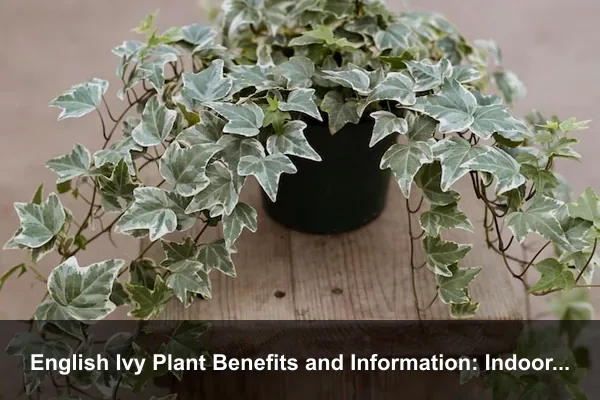
English ivy is one of the most recognizable evergreen vines in the world, valued for its trailing stems, lobed leaves, and ability to soften walls, shelves, fences, and container displays. Whether grown indoors as a houseplant or outdoors as a climbing vine, English ivy offers a very different kind of beauty from upright foliage plants. It brings movement, texture, and a classic garden look that works in both traditional and modern spaces.
This guide explores English Ivy plant benefits and information from a practical angle: what the plant is, why people grow it, where it performs best, how to care for it, and what safety or environmental issues you should understand before planting it. English ivy is attractive and useful, but it is also a plant that rewards responsible growing. With the right placement and routine care, it can be a long-lasting decorative vine for homes, balconies, patios, and gardens.
What Is English Ivy?
English ivy, botanically known as Hedera helix, is an evergreen climbing and trailing vine native to parts of Europe and western Asia. It attaches itself to surfaces using small aerial rootlets, allowing it to climb walls, tree trunks, trellises, and fences. When grown in containers, those same flexible stems trail gracefully over the edge of pots, baskets, shelves, and plant stands.
The plant is known for its dark green, often lobed leaves, although many cultivated varieties have cream, yellow, silver, or white variegation. Leaf shape can vary by maturity and variety. Juvenile growth usually has the familiar pointed ivy leaf shape, while mature outdoor vines may develop more rounded leaves and produce flowers followed by berries.
Common English Ivy Varieties
There are many named cultivars of English ivy, and choosing the right one can make the plant easier to manage. Some varieties are compact and suitable for indoor pots, while others are vigorous outdoor growers.
- Hedera helix ‘Glacier’: A popular variegated type with gray-green leaves edged in creamy white.
- Hedera helix ‘Goldchild’: A decorative variety with green centers and golden margins.
- Hedera helix ‘Needlepoint’: A finer-textured ivy with narrow, pointed lobes.
- Hedera helix ‘Baltica’: A hardy form often used outdoors in cooler climates.
- Hedera helix ‘Ivalace’: A compact type with curled, glossy leaves that suits containers well.
English Ivy Plant Benefits for Indoor and Outdoor Spaces
The benefits of English ivy are not limited to appearance. This vine can improve the way a space feels, help create privacy, cover bare surfaces, and bring year-round greenery where seasonal plants fade. Its value depends on where and how it is grown, so it is best to look at its benefits separately for indoor and outdoor settings.
1. Beautiful Trailing and Climbing Growth
One of the main benefits of English ivy is its flexible growth habit. Indoors, it can be trained around a small hoop, allowed to trail from a hanging basket, or placed on a bookshelf where the stems cascade naturally. Outdoors, it can climb garden structures, cover fences, or spill over retaining walls.
This versatility makes English ivy useful in places where upright plants may look too stiff. Its vines create lines, movement, and softness, especially in corners, window areas, balcony railings, and vertical displays.
2. Year-Round Evergreen Foliage
English ivy stays green through the year in many climates. This evergreen habit is especially valuable in outdoor gardens during winter, when deciduous plants lose their leaves. On walls, fences, and ground areas, ivy can provide a steady green backdrop that keeps the garden from looking bare.
Indoors, evergreen foliage means the plant remains decorative in every season. It does not rely on flowers to be attractive, which makes it a dependable choice for foliage-focused interior styling.
3. Useful for Vertical Greenery
English ivy is often used to create vertical greenery because it naturally climbs. When trained carefully on a trellis or wire support, it can turn a plain surface into a living feature. This is useful for patios, courtyards, balcony screens, and garden walls.
For renters or people who do not want ivy attaching directly to masonry or wood, growing it on a removable trellis inside a container is a better option. This gives the look of vertical greenery without allowing the plant to permanently attach to a building surface.
4. Potential Indoor Air Quality Support
English ivy is commonly mentioned among plants studied for their ability to interact with indoor air pollutants under controlled conditions. Like other living plants, it can take in carbon dioxide, release oxygen through photosynthesis, and contribute to a fresher indoor atmosphere when grown as part of a healthy, ventilated room.
It is important to keep this benefit realistic. A few houseplants cannot replace proper ventilation, cleaning, humidity control, or air filtration. However, English ivy can still be part of a plant-filled indoor environment that feels more comfortable and natural.
5. Helps Add Privacy and Visual Screening
When grown on supports, English ivy can help screen unwanted views. It can soften balcony railings, create a greener fence line, or make a small garden feel more enclosed. Because its foliage is dense when healthy, it can provide visual privacy without the bulk of large shrubs.
For this use, container growing is often the most controlled method. A deep pot, sturdy support, and regular pruning can keep the vine attractive without letting it spread beyond the intended space.
English Ivy Care Requirements
English ivy is often described as easy to grow, but that does not mean it thrives in every condition. Many problems with indoor ivy come from hot, dry air, poor light balance, inconsistent watering, or lack of pruning. Understanding its preferred conditions will help you keep the plant dense and healthy.
Light Needs
English ivy grows best in bright, indirect light indoors. A spot near an east-facing window, a bright room with filtered sun, or a place a few feet away from a sunny window can work well. Variegated varieties usually need more light than solid green varieties to maintain their leaf pattern.
Direct afternoon sun can scorch leaves, especially through glass in hot climates. On the other hand, deep shade may cause weak, stretched growth and dull coloring. If the stems become long with large gaps between leaves, the plant likely needs brighter light.
Watering English Ivy
English ivy prefers evenly moist soil, but it does not like sitting in water. The safest routine is to water when the top layer of potting mix begins to feel dry. Water thoroughly until excess drains from the bottom of the pot, then empty the saucer so the roots are not standing in water.
Overwatering can lead to yellow leaves, root rot, and weak stems. Underwatering may cause crispy leaf edges, wilting, or leaf drop. Indoor conditions change with the season, so check the soil rather than watering on a fixed calendar.
Soil and Potting
A light, well-draining potting mix is best for English ivy in containers. Standard indoor potting soil can work if it drains well, but adding perlite or fine bark can improve aeration. The pot should always have drainage holes.
English ivy does not need an oversized container. In fact, a pot that is too large can hold excess moisture around the roots. Repot when the plant becomes root-bound, growth slows noticeably, or water runs through too quickly because roots have filled the pot.
Temperature and Humidity
English ivy generally prefers moderate temperatures and can struggle in hot, dry indoor air. Keep it away from heating vents, strong air-conditioning drafts, and hot windowsills. Average room humidity is usually acceptable, but the plant may appreciate slightly higher humidity in dry homes.
If leaf edges become dry or pests appear often, consider improving humidity with a pebble tray, grouping plants together, or using a room humidifier. Good air circulation is also important because stagnant, humid conditions can encourage fungal issues.
Fertilizing
Feed English ivy lightly during active growth in spring and summer. A balanced liquid houseplant fertilizer diluted to half strength once a month is usually enough. Avoid heavy feeding, because too much fertilizer can cause soft, weak growth and salt buildup in the soil.
In fall and winter, reduce or pause fertilizing if growth slows. Always fertilize moist soil rather than dry soil to reduce the risk of root burn.
How to Grow English Ivy Indoors
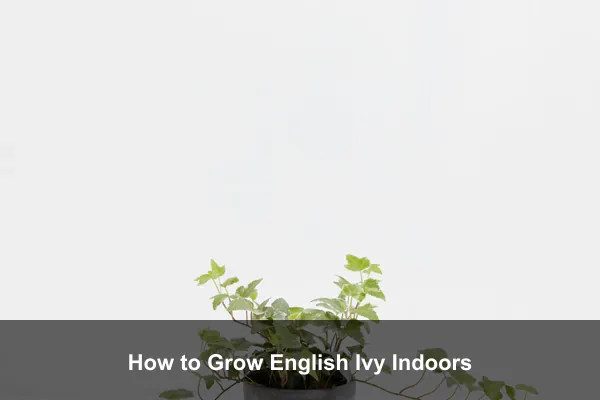
Indoor English ivy is most successful when treated as a managed trailing plant rather than a vine left to grow without direction. It can look refined and tidy in a pot, but it needs trimming and monitoring to stay full.
Best Indoor Placements
English ivy works well in places where its vines can be displayed without blocking movement or becoming tangled. Good indoor locations include hanging baskets, high shelves, plant stands, bright bathrooms, and cool rooms with filtered light.
Avoid placing ivy where children or pets can easily chew the leaves. Also avoid letting indoor ivy attach directly to painted walls, wallpaper, or wooden trim, because its rootlets may leave marks or cause surface damage when removed.
Pruning for Fuller Growth
Regular pruning is one of the best ways to keep English ivy attractive. Pinching or trimming long stems encourages branching, which creates a fuller plant. Without pruning, indoor ivy can become stringy, with most leaves concentrated at the ends of long vines.
Use clean scissors or pruning shears and cut just above a leaf node. The trimmed pieces can often be propagated, giving you new plants or fuller pots.
Propagation from Cuttings
English ivy is easy to propagate from stem cuttings. Choose a healthy vine, cut a section with several nodes, remove the lower leaves, and place the cutting in water or moist potting mix. Roots usually develop from the nodes.
- Cut a healthy stem section about 4 to 6 inches long.
- Remove leaves from the lower part of the cutting.
- Place the cutting in water or a small pot of moist mix.
- Keep it in bright, indirect light.
- Pot water-rooted cuttings once roots are long enough to support growth.
For a fuller container, plant several rooted cuttings together. This creates a dense look more quickly than relying on a single vine.
Growing English Ivy Outdoors Responsibly
Outdoor English ivy can be beautiful, but it must be grown with care. In some regions, especially parts of North America and other mild climates, English ivy can become invasive. It may spread into natural areas, climb trees, smother native plants, and become difficult to remove once established.
Before planting English ivy outdoors, check local guidance from extension services or environmental agencies. If it is considered invasive in your area, choose a non-invasive alternative for groundcover or vertical greenery.
Where Outdoor Ivy Works Best
In areas where it is appropriate to grow, English ivy can be used on contained structures, in large planters, or as a controlled accent. It prefers partial shade to bright shade and soil that drains well. It can tolerate a range of conditions once established, but young plants need consistent moisture while roots develop.
Outdoor ivy should be monitored regularly. Trim it back before it reaches roofs, gutters, windows, vents, tree canopies, or neighboring properties. Containment is not optional with this plant; it is part of responsible care.
Why You Should Be Careful with Walls and Trees
English ivy can attach strongly to rough surfaces. On old brick, cracked mortar, painted wood, or damaged siding, it may worsen existing problems or make maintenance harder. It can also trap moisture against surfaces, which may be a concern in some climates.
On trees, ivy can climb into the canopy and add weight, block sunlight from the bark, and compete around the root zone. For tree health, it is best to keep English ivy off trunks and remove it before it becomes established.
Common Problems with English Ivy
English ivy is sturdy, but it is not problem-free. Most issues are related to watering, light, pests, or indoor air conditions. Early correction is usually easier than trying to rescue a severely weakened plant.
Yellow Leaves
Yellow leaves are often caused by overwatering, poor drainage, or soil that stays wet too long. Check the pot for drainage holes and feel the soil before watering again. If the soil smells sour or roots look mushy, root rot may be present.
Dry, Crispy Leaves
Crispy leaves can come from underwatering, dry air, too much direct sun, or heat stress. Move the plant away from harsh sun or heat sources and adjust watering based on soil moisture. Remove badly damaged leaves so the plant can put energy into new growth.
Leggy Growth
Long, thin stems with sparse leaves usually mean the plant needs more light or more frequent pruning. Move it to brighter indirect light and trim back stretched vines to encourage branching.
Pests
Spider mites are one of the most common pests on indoor English ivy, especially in dry air. You may notice fine webbing, speckled leaves, or dull foliage. Aphids, scale, and mealybugs can also appear.
Inspect the undersides of leaves and stems regularly. If pests are found, isolate the plant and treat with a gentle insecticidal soap or horticultural oil according to label directions. Repeated treatments are often necessary because pests can hatch in cycles.
English Ivy Safety: Pets, Children, and Skin Sensitivity
English ivy is not the best plant for every household. The leaves and berries contain compounds that can be toxic if eaten by pets or people. Ingestion may cause mouth irritation, drooling, vomiting, stomach upset, or other symptoms. Berries are especially concerning outdoors because they may attract attention from children.
Some people also experience skin irritation when handling English ivy, particularly when pruning large amounts of growth. Wearing gloves is a sensible precaution, especially for sensitive skin.
For safer growing, follow these guidelines:
- Keep indoor ivy out of reach of pets and young children.
- Do not place trailing vines where they can be easily pulled or chewed.
- Wear gloves when pruning or removing outdoor ivy.
- Clean tools after cutting diseased or pest-infested stems.
- Contact a veterinarian or medical professional if ingestion occurs.
English Ivy Meaning and Decorative Uses
English ivy has long been associated with endurance, connection, loyalty, and lasting affection. Its clinging growth habit and evergreen leaves helped shape this symbolism. In classic gardens, old buildings, and formal landscapes, ivy often suggests age, tradition, and permanence.
Decoratively, English ivy can fit many styles. In a cottage-style room, it looks natural in a hanging basket near a bright window. In a minimalist room, a compact variegated ivy can soften hard lines on a shelf. On a balcony, ivy trained on a slim trellis can create a green screen without requiring a large footprint.
Design Ideas for English Ivy
- Hanging basket: Let vines trail freely for a soft, cascading look.
- Topiary frame: Train stems around a hoop or small form for a structured display.
- Bookshelf plant: Use controlled trailing stems to add greenery to vertical storage.
- Balcony screen: Grow in a container with a trellis for privacy.
- Mixed container: Pair with upright shade-tolerant plants for contrast.
Is English Ivy a Good Plant for Beginners?
English ivy can be a good beginner plant for someone who enjoys regular plant care and is willing to prune, inspect, and adjust conditions. It is not as hands-off as some tough succulents or drought-tolerant houseplants, but it is forgiving when its basic needs are met.
The best beginner approach is to start with a compact indoor variety in a pot with drainage. Place it in bright, indirect light, water only when the top soil begins to dry, and trim it often enough to keep the shape full. Beginners should avoid planting English ivy outdoors until they understand local invasive plant concerns and have a clear containment plan.
Quick English Ivy Care Summary
If you want a simple reference, the most important English ivy care points are easy to remember. The plant likes brightness without harsh heat, moisture without soggy soil, and freedom to trail without being neglected.
- Botanical name: Hedera helix
- Plant type: Evergreen climbing and trailing vine
- Best indoor light: Bright, indirect light
- Watering: Water when the top layer of soil begins to dry
- Soil: Light, well-draining potting mix
- Humidity: Average to moderate humidity, with good air circulation
- Pruning: Trim regularly for compact, fuller growth
- Safety: Toxic if ingested by pets or people
- Outdoor caution: Can be invasive in some regions
Conclusion
English ivy is a classic vine with practical and decorative benefits. It offers evergreen foliage, graceful trailing stems, vertical growing potential, and strong visual impact in small spaces. Indoors, it can bring texture and movement to shelves, baskets, and bright corners. Outdoors, it can cover structures and create privacy when grown responsibly.
The most important part of growing English ivy is understanding both its strengths and its risks. It needs bright indirect light, careful watering, regular pruning, and pest monitoring. It should also be kept away from pets and children, and outdoor planting should be avoided where the species is invasive. With thoughtful care and proper placement, English ivy can be a beautiful, long-lasting plant that adds timeless greenery to the home or garden.
