
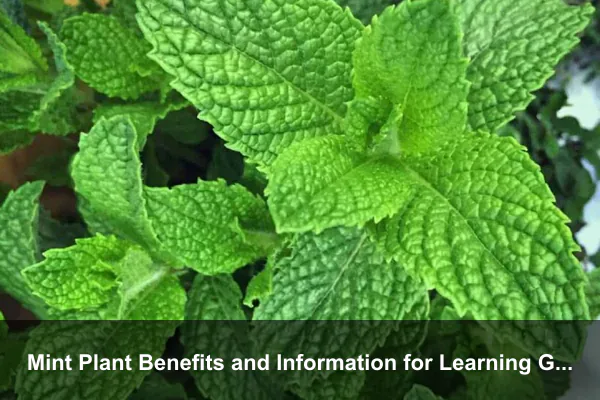
Mint is one of the easiest herbs to recognize, grow, and use, but its real value is bigger than a handful of fresh leaves in tea. This guide to mint plant benefits and information looks at mint from a fresh angle: as a practical learning plant for homes, families, school gardens, and beginner herb growers who want to understand plants through direct observation.
In the broader context of Manfaat Tanaman, or plant benefits, mint is useful because it connects everyday wellness, sensory learning, food value, and basic plant science. It grows quickly, responds visibly to care, roots from cuttings, attracts beneficial insects when allowed to flower, and offers safe, simple uses when handled sensibly. Instead of treating mint only as a kitchen herb or a medicinal plant, this article explains how mint can become a small living classroom that improves plant literacy while still providing fresh, aromatic harvests.
What Makes Mint a Valuable Learning Plant?
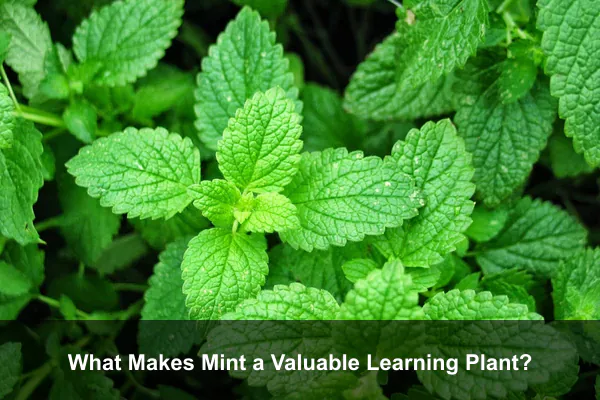
Mint belongs to the Mentha genus, a group of aromatic herbs known for square stems, opposite leaves, and a strong scent released when the leaves are gently rubbed. Common garden mints include spearmint, peppermint, apple mint, and chocolate mint, although local names and varieties can vary. For learners, these physical traits make mint easier to study than many slower or less responsive plants.
A Plant That Shows Botany Clearly
Mint makes basic plant structure easy to see. The stem often has a square shape, the leaves grow in opposite pairs, and new roots can emerge from nodes when a stem touches moist soil or water. These visible features help beginners understand terms that might otherwise feel abstract, such as nodes, internodes, runners, leaf pairs, and vegetative propagation.
Because mint grows fast, it also reveals cause and effect. A plant placed in brighter light usually produces sturdier growth than one kept in deep shade. A cutting placed in water may show roots within a short time. A pot that dries out can droop, then recover after careful watering. These clear responses make mint useful for teaching observation, patience, and responsible plant care.
Fast Feedback for New Gardeners
Many beginners lose interest when a plant takes too long to change. Mint solves that problem by providing frequent visual feedback. New shoots, leaf size, scent intensity, root growth, and flowering all give growers something to notice. This makes mint a helpful first herb for children, apartment gardeners, and anyone who wants to build confidence before growing more demanding plants.
- Visible roots: Cuttings can show how plants make new roots from stem nodes.
- Clear leaf patterns: Opposite leaves help learners identify mint and compare it with other herbs.
- Strong aroma: The scent makes sensory observation easy without special tools.
- Rapid growth: Quick changes encourage consistent care and record keeping.
- Forgiving nature: Mint often recovers from minor mistakes, making it suitable for beginners.
Key Mint Plant Benefits for Learning and Daily Life
The benefits of mint are often described in terms of flavor, fragrance, and herbal use, but a learning-focused approach reveals more practical value. Mint can support sensory awareness, household routines, garden curiosity, and a better understanding of how useful plants grow.
Sensory Benefits Without Overstating Health Claims
Mint has a refreshing aroma because its leaves contain aromatic compounds such as menthol in peppermint and related compounds in other mint types. Smelling fresh mint can make a room or garden corner feel cleaner and brighter, and many people enjoy the cooling sensation of mint in drinks and foods. However, it is best to describe this as a sensory and comfort benefit, not as a cure for health problems.
For families and learners, mint can be used in simple sensory activities. Compare the scent of young leaves and mature leaves, notice how aroma changes after watering, or gently crush one leaf and observe how the scent becomes stronger. These activities turn plant benefits into direct experience instead of vague claims.
Food Value for Simple, Fresh Habits
Fresh mint is useful in many everyday foods. It can be added to water, herbal tea, fruit salad, yogurt, rice dishes, sauces, soups, and vegetable plates. The benefit is not only taste. A small mint plant can encourage people to use fresh herbs instead of relying only on bottled flavorings or heavily sweetened drinks.
Mint also teaches the value of harvesting only what is needed. A few leaves can be enough to brighten a glass of water or a bowl of fruit. This habit supports a low-waste kitchen routine because the plant keeps producing when harvested carefully.
Garden Ecology Benefits
If mint is allowed to flower, it can attract bees, small butterflies, and other pollinators. This makes it a useful plant for observing garden ecology. Learners can compare insect visits on sunny mornings, cloudy days, or different flowering stages. The key is to manage mint so it does not spread aggressively into garden beds where it is not wanted.
Growing mint in a pot near vegetables or flowers can create a small pollinator observation station. It is especially useful in beginner gardens because the plant is tough, aromatic, and easy to move. Avoid spraying mint with harsh chemicals if the goal is to observe pollinators or harvest leaves.
Confidence and Plant Literacy
One of the most underrated mint plant benefits is confidence. A person who successfully grows mint learns how light, water, soil, pruning, and roots work together. That knowledge transfers to other herbs and garden plants. Mint can be the first step toward more skilled gardening because it rewards attention without demanding perfection.
Building a Mint Observation Garden at Home
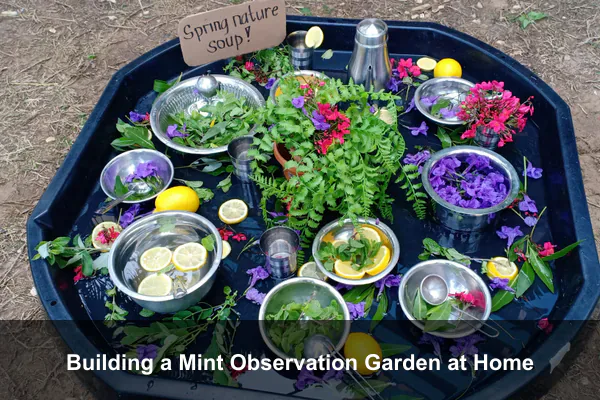
A mint observation garden is a small growing setup designed for learning, not just harvesting. It can fit on a balcony, windowsill, patio, porch, or outdoor table. The goal is to create a controlled place where you can watch mint grow, compare care methods, and harvest fresh leaves responsibly.
Choose a Container With a Purpose
Mint spreads through roots and runners, so containers are usually the smartest choice. A pot helps keep growth controlled and makes the plant easier to move. For a learning garden, choose a container with drainage holes and enough width for new shoots. A pot around 20 to 30 centimeters wide can support a small mint plant while still fitting in a compact space.
If you want to compare growth, use two similar pots. Place one in stronger light and one in partial shade, or water one when the top soil begins to dry and another on a fixed schedule. Keep the experiment simple and ethical: do not intentionally stress the plant to the point of decline. The purpose is to observe differences while maintaining plant health.
Use Soil That Supports Root Health
Mint prefers soil that holds some moisture but does not stay soggy. A general potting mix with good drainage is usually enough. If the mix is heavy and compacted, add materials that improve air space. Healthy roots need both water and oxygen, and this is a valuable lesson for beginners who may think more water always means better care.
Teach learners to check soil with a finger before watering. If the top layer feels slightly dry but the lower soil is still moist, wait a little longer. If the plant droops and the soil is dry, water thoroughly until excess water drains from the bottom. This connects plant signals to care decisions.
Set Up Simple Mint Experiments
Mint is ideal for low-cost plant experiments because it grows quickly and responds visibly. A notebook, phone camera, ruler, and a few labels are enough to begin. Keep experiments small so the results are easy to understand.
- Rooting cuttings: Place one stem cutting in water and another in moist potting mix. Compare root growth and leaf condition.
- Light comparison: Grow two similar plants in different light levels and record leaf size, stem length, and color.
- Harvest response: Trim one stem above a pair of leaves and watch where new shoots form.
- Aroma study: Compare scent strength before watering, after watering, and after a sunny day.
- Pollinator watch: Let one plant flower and record the insects that visit during different times of day.
These activities make mint plant benefits and information more memorable because the learner sees the evidence directly. Instead of only reading that mint roots easily, they watch roots appear. Instead of hearing that pruning encourages bushier growth, they observe new side shoots forming below a cut.
How to Identify Healthy Mint and Read Its Signals
A healthy mint plant usually has firm stems, fresh green leaves, noticeable aroma, and steady new growth. Different varieties can vary in leaf shape, color, fuzziness, and scent, but the basic signs of health are similar. Learning to read these signs is one of the most practical benefits of growing mint.
Leaf Signals
Leaves are the easiest part of the plant to monitor. Bright, firm leaves usually suggest the plant has enough light, moisture, and nutrients. Pale leaves may indicate weak light, old soil, or nutrient shortage. Brown, crispy edges often point to drought stress, hot wind, or inconsistent watering. Yellowing lower leaves can be natural aging, but widespread yellowing may suggest poor drainage or overwatering.
Encourage learners to notice patterns rather than panic over one leaf. A single damaged leaf is not a disaster. A repeated pattern across the plant is more meaningful. This habit develops careful plant observation instead of random problem solving.
Stem and Root Signals
Mint stems should feel firm, not mushy. Long, thin, weak stems often mean the plant is reaching for more light. Dense, compact growth usually appears when light is bright enough and harvesting is regular. Roots should look light colored and active, not black, slimy, or foul smelling.
Because mint roots vigorously, it can become pot-bound. When water runs straight through the pot or growth slows even with good care, the roots may be crowded. This is a chance to teach repotting, root division, and the importance of giving plants enough space.
Aroma as a Clue
Mint aroma is strongest when leaves are healthy and mature. Weak scent may happen in poor light, overly lush growth from too much nitrogen, or very young leaves. Scent also varies by type. Spearmint is usually sweeter and softer, while peppermint is sharper and cooler. The point is not to rank one as better, but to learn how plant variety and growing conditions influence sensory qualities.
- Drooping with dry soil: Water deeply and monitor recovery.
- Drooping with wet soil: Check drainage and avoid adding more water.
- Leggy stems: Increase light gradually and prune to encourage branching.
- Weak aroma: Improve sunlight and avoid overfeeding.
- Crowded roots: Divide or repot the plant into fresh mix.
Safe Everyday Use: Fresh Leaves, Tea, and Sensible Boundaries
Mint is widely used as a culinary herb, but safe use still matters. Fresh leaves in food or drinks are very different from concentrated essential oils. A responsible article about mint plant benefits and information should explain both usefulness and boundaries.
Fresh Mint Is the Best Starting Point
For most households, fresh mint leaves are the simplest and safest way to enjoy the plant. Rinse leaves before use, harvest from clean plants, and avoid leaves that have been treated with pesticides not intended for edible herbs. Fresh mint can be added to warm water for a mild herbal drink, but it should not be presented as a guaranteed treatment for illness.
People with reflux, allergies, chronic health conditions, or those who are pregnant, breastfeeding, taking medication, or preparing mint for young children should be cautious with strong herbal preparations and seek professional advice when needed. This is especially important with concentrated mint products.
Essential Oil Is Not the Same as a Leaf
Mint essential oil is highly concentrated and should not be used casually like fresh leaves. It can irritate skin, eyes, and mucous membranes, and it is not suitable for careless internal use. Keep essential oils away from children and pets. If the goal is simple home benefit, a pot of fresh mint or a small bundle of leaves is usually more appropriate than concentrated oil.
Pets and Household Safety
Some pets may chew plants out of curiosity, and large amounts of mint can upset their stomachs. Place mint where pets cannot repeatedly eat it. Also avoid using strong mint oils around animals, especially in enclosed spaces. A good learning garden is useful, but it should still respect the safety of everyone in the home.
Seasonal Care That Turns Mint Into a Routine
Mint care becomes more meaningful when it is connected to seasonal observation. Rather than following the same routine all year, watch how the plant responds to temperature, light, rain, and growth stage. This approach teaches adaptable gardening.
Active Growth Season
During warm growing months, mint usually produces many new shoots. This is the best time for regular harvesting, propagation practice, and pruning lessons. Cut stems just above a leaf pair to encourage branching. Avoid removing every leaf at once. A plant needs enough foliage to keep producing energy.
If the plant is outdoors, check soil moisture more often in hot weather. Container mint can dry faster than mint in the ground. Mulching the soil surface lightly can reduce evaporation, but do not bury the stems too deeply.
Flowering Stage
Mint flowers are useful for pollinator observation, but flowering can change leaf texture and flavor. If your main goal is fresh leaves, pinch off flower buds before they open. If your goal is ecology learning, allow some stems to bloom and harvest from other stems. This balanced method gives both leaf production and insect value.
Cool or Resting Periods
In cooler seasons, mint may slow down or die back depending on climate and growing conditions. This is not always failure. It can be part of the plant’s natural rhythm. Reduce watering when growth slows, keep the soil lightly moist rather than wet, and trim dead stems when appropriate. In warm tropical or subtropical areas, mint may continue growing but still benefits from pruning and occasional soil refreshment.
Low-Waste Mint Projects for Homes and Classrooms
Mint is excellent for low-waste projects because small cuttings, extra stems, and older leaves can still be useful. These projects keep the plant productive without turning it into clutter or forcing unnecessary harvests.
Propagation Station
Place trimmed mint stems in a clear jar of clean water and watch roots develop from the nodes. Change the water regularly and keep the jar in bright, indirect light. Once roots are established, move the cutting into soil. This project teaches that many plants can reproduce from vegetative parts, not only seeds.
Herbal Ice Cubes
Chop clean mint leaves and freeze them with water in an ice cube tray. The cubes can be added to water, lemonade, or fruit drinks. This is a simple way to preserve small harvests and reduce wasted leaves. It also helps learners understand preservation by freezing.
Mint Scent Jar
For a non-food activity, place fresh leaves in a small open jar during a short observation session and compare the scent with other herbs such as basil, rosemary, or lemongrass. Do not leave wet leaves sealed for long periods because they can spoil. The goal is short-term sensory comparison, not long-term storage.
Leaf Pressing and Plant Journals
Older leaves can be pressed for a plant journal. Label each page with the date, growth stage, scent notes, weather, and care actions. Over time, the journal becomes a record of plant behavior. This is especially helpful for children because it turns gardening into a habit of noticing details.
- Use pruned stems for rooting instead of throwing them away.
- Freeze extra leaves before they wilt.
- Compost damaged leaves from plants grown without harmful chemicals.
- Keep a harvest log to avoid cutting more than needed.
- Share rooted cuttings with neighbors or classroom groups when the plant becomes crowded.
Common Mistakes That Reduce Mint Benefits
Mint is easy to grow, but it is not completely maintenance-free. Many problems come from misunderstanding its vigor. A plant that grows quickly still needs boundaries, fresh soil, and thoughtful harvesting.
Planting Mint Directly Into Small Garden Beds
Mint can spread aggressively through underground runners. In a small garden bed, it may compete with other plants and become difficult to remove. Containers, raised planters, or controlled planting areas are usually better. If planting in the ground, use a clear boundary plan and monitor spread regularly.
Overwatering Because Mint Likes Moisture
Mint enjoys consistent moisture, but soggy soil can damage roots. This distinction is important. Moist soil feels lightly damp and airy. Waterlogged soil feels heavy, smells stale, and may cause yellowing leaves. Good drainage is part of good mint care.
Harvesting Too Harshly
Cutting too much at once can weaken the plant, especially if it is young or growing in low light. Harvest a few stems at a time and leave enough leaves for recovery. Regular light pruning is usually better than rare severe cutting.
Ignoring Variety Differences
Not all mint tastes or smells the same. Peppermint, spearmint, and other mints can differ in strength, sweetness, leaf texture, and culinary use. If a plant does not match your preferred flavor, it may not be poorly grown; it may simply be a different type of mint. Labeling plants helps avoid confusion.
Using Mint as a Medical Shortcut
Mint has a long history of culinary and traditional use, but that does not mean it should replace medical care. Fresh mint can support pleasant routines, but serious symptoms require qualified advice. This balanced view protects readers and keeps plant benefits realistic.
How Mint Supports Better Beginner Gardening Habits
A well-grown mint plant teaches habits that apply to many other plants. It encourages regular observation, measured watering, thoughtful pruning, soil awareness, and respect for plant growth patterns. These habits are more valuable than memorizing a single care rule.
Beginners can use mint as a weekly practice plant. Choose one day to check leaf color, soil moisture, stem length, scent, root crowding, and signs of pests. Write down one care decision and one observation. This small routine builds gardening skill over time.
Mint also teaches boundaries. Because it grows strongly, the gardener must decide where it belongs, how much to harvest, when to divide it, and how to prevent unwanted spread. In that way, mint is not only easy; it is instructive. It shows that useful plants still need management.
Conclusion
Mint plant benefits and information can be understood in a deeper way when mint is treated as a living learning tool. It offers fresh flavor, refreshing aroma, simple household uses, pollinator interest, and beginner-friendly growth, but its strongest value may be how clearly it teaches plant behavior. From rooting cuttings to reading leaf signals, mint helps people see how plants respond to care.
For homes, classrooms, balconies, and small gardens, mint is a practical herb with educational power. Grow it in a container, observe it closely, harvest it responsibly, and use it within sensible safety limits. With that approach, mint becomes more than a familiar herb; it becomes a reliable guide to smarter, more confident gardening.
