
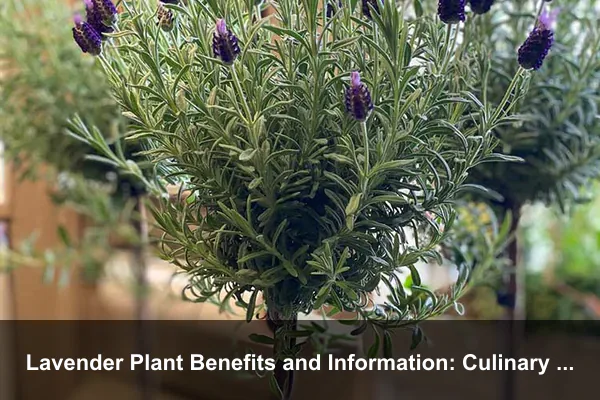
Lavender is more than a pretty purple flower with a relaxing scent. For gardeners, home cooks, and natural-living enthusiasts, this Mediterranean herb offers a rare combination of fragrance, beauty, practical household value, and edible potential when the right variety is chosen. A healthy lavender plant can brighten a sunny border, supply small harvests for the pantry, and bring a clean herbal aroma into daily routines.
This guide takes a fresh look at Lavender plant benefits and information through the lens of edible flowers, home use, and practical growing decisions. Instead of treating lavender only as a decorative or aromatherapy plant, we will explore how to choose culinary-friendly types, use the flowers carefully, grow stronger plants, and enjoy lavender safely without overclaiming its benefits.
What Makes the Lavender Plant Special?
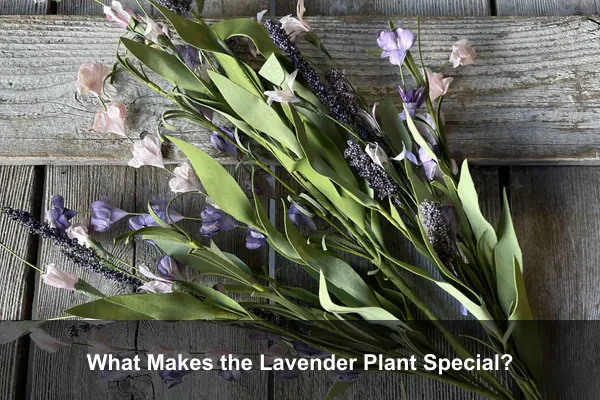
Lavender belongs to the Lavandula genus, a group of aromatic herbs known for narrow silver-green leaves and flower spikes in shades of purple, blue, pink, or white. Most lavender species come from dry, sunny regions, which explains why they prefer bright light, excellent drainage, and modest watering.
The plant is valued because it serves several roles at once. It can be an ornamental flower, a fragrant herb, a low-water garden plant, a pollinator resource, and a small-scale harvest crop for home projects. Its essential oils and aromatic compounds give the plant its signature scent, while its flowers provide color and texture in both fresh and dried arrangements.
Basic Lavender Plant Profile
- Botanical group: Lavandula species and cultivars
- Plant type: Perennial herb or subshrub in suitable climates
- Best light: Full sun, ideally 6 or more hours daily
- Soil preference: Well-drained, slightly alkaline to neutral soil
- Common uses: Garden borders, containers, dried flowers, sachets, culinary accents, and handmade home products
Key Lavender Plant Benefits for the Home and Garden
Lavender is popular because its benefits are practical and sensory. While it should not be treated as a cure-all, it can support a more pleasant, useful, and nature-connected home environment.
Fragrance Without Heavy Synthetic Scents
Fresh or dried lavender offers a naturally herbal scent that many people find clean and calming. A small bundle near an entryway, linen shelf, or work desk can add fragrance without relying on strong artificial air fresheners. The scent is usually gentle, but sensitive people should still use it lightly.
Useful Harvests From a Small Space
A single well-grown lavender plant can provide enough flower spikes for small household projects. You can dry stems for sachets, mix a tiny amount of culinary lavender into sugar, or create simple decorative bundles. This makes lavender valuable for balconies, patios, and compact herb gardens.
Beauty With Practical Garden Function
Lavender brings structure to a garden because its foliage stays attractive even when the plant is not blooming. Its upright flower spikes pair well with herbs, roses, grasses, and drought-tolerant perennials. In sunny gardens, lavender can also help create a fragrant pathway or border that feels intentional rather than purely decorative.
Culinary Lavender: How to Use It Wisely
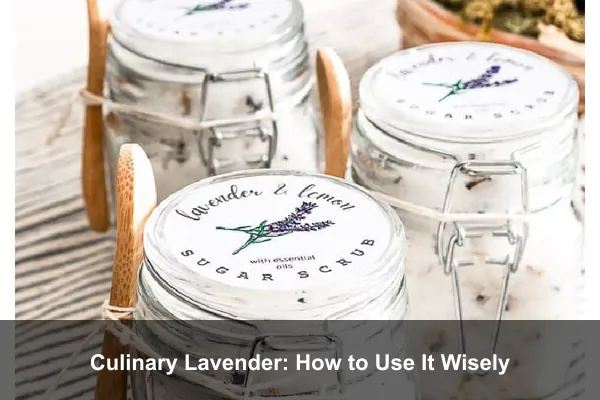
One unique benefit of lavender is that certain types can be used in food. However, culinary lavender requires care. Not every plant sold as lavender is ideal for eating, and the flavor is powerful. Too much can make food taste bitter, so the best approach is subtle and balanced.
Choose the Right Lavender for Food
English lavender (Lavandula angustifolia) is usually preferred for culinary use because its flavor is softer, sweeter, and less camphor-like than some other types. Lavandin hybrids can be beautiful and fragrant, but they often have a stronger, sharper aroma that may overwhelm desserts or drinks.
Only use flowers from plants that have not been treated with unsafe pesticides, roadside pollution, or unknown chemical sprays. If you bought a nursery plant for ornamental use, wait until new untreated growth develops before harvesting for food.
Simple Culinary Ideas
- Add a very small amount of dried culinary lavender to sugar for baking.
- Infuse honey with a few clean dried buds, then strain before use.
- Pair lavender lightly with lemon, vanilla, berries, or shortbread.
- Use it in herbal tea blends with chamomile, mint, or lemon balm.
- Sprinkle only a pinch into recipes until you understand its strength.
Flavor Rule to Remember
Lavender is best used as an accent, not the main flavor. If a recipe tastes soapy, perfume-like, or bitter, too much was used. Start with less than you think you need, especially when using dried buds, because drying concentrates the aroma.
Growing Lavender Successfully at Home
Lavender care becomes much easier when you remember where the plant comes from: sunny, open places with quick-draining soil. Most problems happen when lavender is grown in shade, overwatered, or planted in dense soil that stays wet for too long.
Light and Placement
Place lavender where it receives strong direct sun. In hot climates, morning sun with some late-afternoon protection can work, but deep shade usually leads to weak growth, fewer flowers, and a shorter plant life. Good air movement also helps reduce fungal issues.
Soil and Drainage
Drainage is more important than rich soil. Lavender dislikes heavy clay, soggy potting mix, and constantly damp roots. For containers, choose a pot with drainage holes and use a gritty, fast-draining mix. In garden beds, raised mounds or amended soil can help prevent root rot.
Watering the Right Way
New lavender plants need regular water while establishing. Once mature, they usually prefer the soil to dry between waterings. Water deeply but less often, and avoid keeping the crown of the plant wet. If the plant looks limp in wet soil, more water is not the answer; the roots may already be stressed.
Pruning for Better Shape
Light pruning keeps lavender compact and productive. After flowering, trim back spent flower stems and lightly shape the green growth. Avoid cutting hard into old woody stems with no leaves, because lavender may not regrow well from bare wood.
Harvesting and Drying Lavender for Everyday Use
The best time to harvest lavender is when many buds have colored up but before every flower fully opens. At this stage, the stems usually hold strong fragrance and dry neatly. Harvest on a dry morning after dew has evaporated.
- Use clean scissors or pruners to cut flower stems.
- Bundle small groups loosely with string or a rubber band.
- Hang them upside down in a dry, shaded, well-ventilated place.
- Wait until the buds feel dry and crisp.
- Store dried buds in an airtight container away from heat and sunlight.
Dried lavender can be used in sachets, homemade drawer fresheners, simple crafts, bath blends, or culinary recipes if it is a suitable edible variety. Label jars clearly so ornamental lavender is not confused with culinary lavender.
Safety, Pets, and Realistic Wellness Claims
Lavender has a long history of household and herbal use, but it still deserves careful handling. Natural does not automatically mean safe for every person, pet, or situation.
For People
Some people are sensitive to strong fragrances or essential oils. Use lavender lightly at first, especially in bedrooms, small rooms, or skincare projects. Essential oil should not be swallowed unless guided by a qualified professional, and it should be properly diluted before topical use.
For Pets
Dogs and cats can be sensitive to concentrated essential oils. Keep lavender oil, strong sprays, and scented products away from pets unless approved by a veterinarian. A garden lavender plant is different from concentrated oil, but chewing large amounts of any ornamental or herbal plant is still not ideal.
For Cooking
Use only clean, food-safe lavender. Avoid flowers from florists, roadside plantings, or unknown garden sources. Pregnant people, young children, and anyone with medical conditions should be cautious with concentrated herbal preparations.
Best Ways to Add Lavender to Your Home Routine
Lavender works best when used simply. Instead of trying to turn it into a solution for everything, focus on small, repeatable uses that match the plant’s real strengths.
- Kitchen: Keep a small jar of culinary lavender sugar for occasional baking.
- Closet: Place dried lavender sachets in drawers for a light herbal scent.
- Garden: Plant lavender near sunny paths where brushing the foliage releases aroma.
- Workspace: Use a small dried bundle as a natural desk accent.
- Gifting: Combine dried stems with simple paper wrapping for handmade presents.
These uses are low-cost, low-waste, and easy to adjust. They also make lavender especially appealing for people who want useful plants, not just decorative ones.
Common Lavender Mistakes to Avoid
Many lavender plants fail because they are treated like moisture-loving houseplants. Avoiding a few common mistakes can make the difference between a short-lived plant and a long-lasting herb.
- Overwatering: Constantly wet soil can cause root rot.
- Too much shade: Low light reduces flowering and weakens growth.
- Rich, heavy soil: Lavender prefers leaner soil with excellent drainage.
- Skipping pruning: Unpruned lavender can become woody and sparse.
- Using the wrong type for food: Choose culinary-friendly lavender for recipes.
Conclusion
Lavender earns its place in the home and garden because it is beautiful, fragrant, practical, and surprisingly versatile. The best way to enjoy it is to match the plant to the right purpose: English lavender for gentle culinary use, well-drained containers for patios, dried stems for home fragrance, and sunny garden beds for long-term growth.
When used thoughtfully, Lavender plant benefits and information go far beyond scent alone. This herb can support a more useful garden, a more enjoyable home routine, and a deeper appreciation for plants that offer both beauty and everyday value.
