
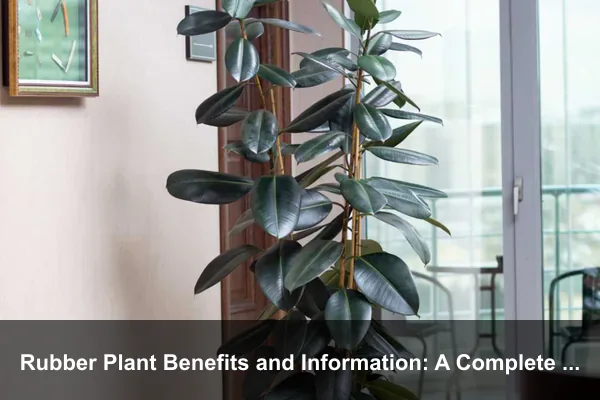
The Rubber Plant, botanically known as Ficus elastica, is one of the most striking indoor plants for anyone who wants bold foliage without turning plant care into a full-time job. Its large, glossy leaves, upright growth, and tree-like shape make it a natural focal point in living rooms, offices, bedrooms, and bright corners that need more visual structure.
This guide explores Rubber Plant plant benefits and information from a practical indoor gardening angle. Instead of repeating general houseplant advice, it focuses on what makes the Rubber Plant different: its architectural look, air-supporting qualities, long lifespan, sap safety, care rhythm, and role as a statement plant for modern interiors.
What Is a Rubber Plant?
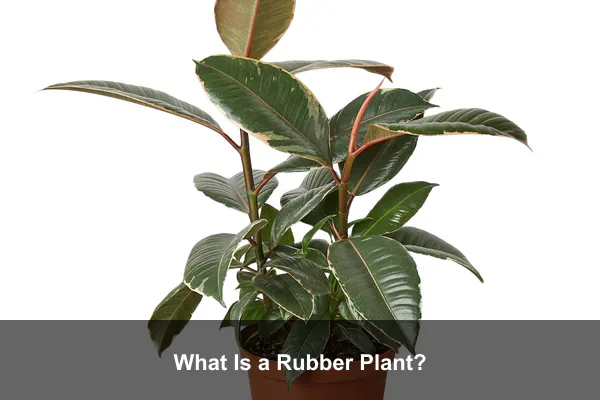
The Rubber Plant is a tropical evergreen native to parts of South and Southeast Asia. In its natural habitat, it can grow into a large tree, but indoors it is usually kept as a manageable houseplant with thick stems and broad oval leaves.
Its common name comes from the milky latex sap once associated with rubber production. Today, it is valued mainly as an ornamental indoor plant. Popular varieties include deep green, burgundy, variegated cream-green, and pink-toned cultivars.
Basic Rubber Plant Information
- Botanical name: Ficus elastica
- Plant type: Tropical evergreen houseplant
- Best location: Bright indoor space with indirect light
- Growth habit: Upright, tree-like, and structured
- Difficulty level: Easy to moderate
- Pet safety: Toxic if chewed by cats, dogs, or children
Key Rubber Plant Benefits for Indoor Spaces
The Rubber Plant is more than a decorative green accent. Its benefits are especially valuable for people who want an indoor plant that looks mature, supports a calmer environment, and can grow with the home over time.
It Creates a Strong Visual Focal Point
Many houseplants soften a room, but the Rubber Plant adds structure. Its large leaves and vertical form make it ideal beside a sofa, near a desk, in an entryway, or next to a window. It works well in minimalist, contemporary, tropical, and classic interiors.
It May Help Support Cleaner Indoor Air
Like many foliage plants, Rubber Plants can contribute to a fresher-feeling indoor environment by adding living greenery and supporting humidity around the plant. While no houseplant should be treated as a replacement for ventilation or air filtration, the Rubber Plant can be part of a healthier indoor setup.
It Encourages a Calm Indoor Atmosphere
Large-leaved plants often create a soothing effect because they introduce natural shapes and colors into built environments. A well-placed Rubber Plant can make a workspace feel less sterile and a living area feel more settled.
It Is Long-Lived With Proper Care
A Rubber Plant is not a short-term decorative plant. With good light, careful watering, and occasional pruning, it can live for many years indoors. This makes it a strong choice for people who want a plant that becomes part of the home rather than a seasonal accessory.
How to Care for a Rubber Plant Indoors
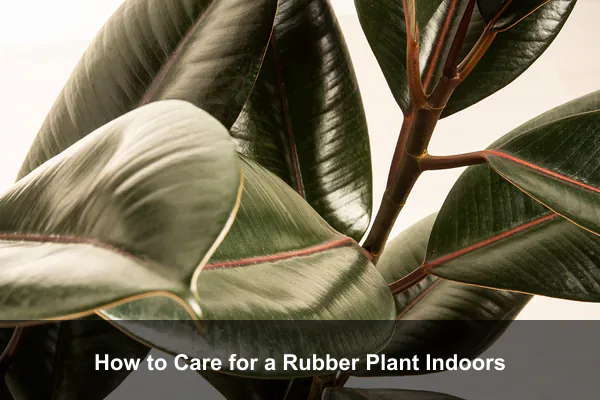
Rubber Plant care is straightforward once you understand its rhythm. The plant prefers consistency: bright light, moderate watering, stable temperatures, and soil that drains well.
Light Requirements
Bright, indirect light is ideal. A Rubber Plant can tolerate lower light, but growth may slow and leaves may lose some color intensity. Variegated varieties usually need brighter conditions than dark green or burgundy types.
Avoid harsh afternoon sun through glass, which can scorch the leaves. Morning sun or filtered light near a window is usually safer.
Watering Needs
Water when the top few centimeters of soil feel dry. The most common mistake is watering too often. Rubber Plants dislike soggy soil, and constantly wet roots can lead to yellow leaves, leaf drop, or root rot.
- Check the soil before watering.
- Water thoroughly until excess drains out.
- Empty the saucer so the pot does not sit in water.
- Reduce watering during cooler or darker months.
Soil and Potting
Use a well-draining indoor potting mix. A blend designed for houseplants, amended with perlite or bark, works well. The pot must have drainage holes because Rubber Plants do not tolerate trapped moisture around the roots.
Common Rubber Plant Problems and Solutions
Most Rubber Plant problems are related to light, water, or sudden environmental changes. Reading the leaves can help you correct issues early.
Yellow Leaves
Yellowing often points to overwatering, poor drainage, or soil that stays wet too long. Check the roots and adjust the watering schedule before adding fertilizer or moving the plant repeatedly.
Leaf Drop
Rubber Plants may drop leaves after being moved, exposed to cold drafts, or watered inconsistently. Keep the plant away from air conditioners, heaters, and frequently opened doors.
Brown Leaf Edges
Brown edges can be caused by underwatering, low humidity, fertilizer buildup, or direct sunburn. Trim damaged areas if needed and focus on improving the growing conditions.
Rubber Plant Safety and Latex Sap
One important part of Rubber Plant plant benefits and information is understanding its sap. When a leaf or stem is cut, the plant releases a white latex-like fluid. This sap can irritate skin and is not safe to ingest.
Keep Rubber Plants away from pets and small children who may chew leaves. When pruning or propagating, wear gloves and wipe tools afterward. If sap gets on the skin, wash the area with soap and water.
Best Places to Display a Rubber Plant
Because the Rubber Plant grows upright and can become tall, placement matters. Choose a location where the plant has space above and around it. Avoid tight shelves or cramped corners where leaves rub against walls.
- Living room: Place beside a sofa, console, or bright window.
- Home office: Use it to add height and calm energy near a desk.
- Bedroom: Choose a bright corner away from cold drafts.
- Entryway: Use a mature Rubber Plant as a welcoming statement.
- Apartment spaces: Select a compact variety and prune to control height.
Styling Tip
A simple ceramic, stone, or matte planter works best because the foliage is already bold. Let the leaves be the main feature rather than competing with a busy container.
Pruning and Propagating Rubber Plants
Pruning helps control size, encourage branching, and remove damaged leaves. Cut just above a node using clean, sharp shears. Because the sap can be irritating, gloves are recommended.
Rubber Plants can also be propagated from stem cuttings. Choose a healthy stem section with at least one leaf and node, allow excess sap to stop flowing, then root it in water or moist potting mix. Propagation takes patience, but it is a useful way to create new plants from a healthy parent plant.
Conclusion
The Rubber Plant is an excellent indoor choice for people who want a plant with strong visual presence, long-term value, and practical care needs. Its glossy leaves, upright form, and adaptable nature make it suitable for homes, offices, and small apartments when given bright indirect light and careful watering.
By understanding the right balance of light, soil, watering, pruning, and sap safety, you can enjoy the best Rubber Plant benefits while avoiding the most common problems. For indoor gardeners who want a houseplant that feels bold, polished, and enduring, Ficus elastica remains one of the most dependable options.
