
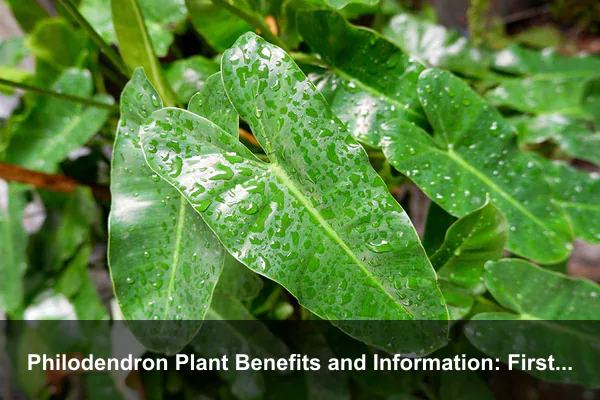
Philodendrons are often described as easy houseplants, but the most useful Philodendron plant benefits and information begin before the plant ever reaches your shelf. The first weeks after buying a philodendron decide whether it becomes a relaxed, long-lasting indoor plant or a stressed plant that drops leaves, attracts pests, or gets watered too often.
This guide takes a different angle from a basic care article. Instead of only listing types or styling ideas, it focuses on the first 90 days: how to choose a healthy philodendron, help it adjust to your home, understand its real benefits, and avoid the common mistakes that make beginner-friendly plants harder than they need to be.
Why Philodendron Is a Smart First-90-Day Houseplant
A philodendron is popular because it gives visible indoor greenery without demanding outdoor-garden skill. Most common varieties tolerate normal home temperatures, moderate indirect light, and occasional missed care. That makes them especially useful for people who want the benefits of tanaman hias indoors but do not want a complicated routine.
The practical benefits are simple but valuable. A philodendron softens empty corners, adds natural texture to workspaces, and helps people build steady plant-care habits. Its leaves also make problems easier to notice: limp growth, yellowing, dry edges, or stretching stems usually point to water, light, or placement issues.
However, philodendron should not be treated as a miracle air purifier or a medicinal plant. It is best understood as an ornamental indoor foliage plant that supports a calmer, greener home atmosphere while teaching consistent care.
Essential Philodendron Plant Information Before You Buy
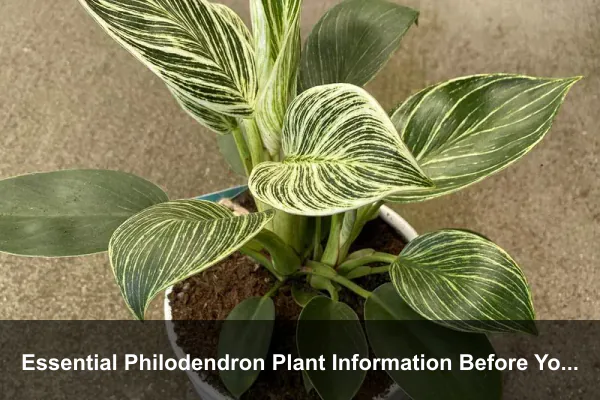
Philodendrons belong to the aroid family, a large group of tropical plants known for bold foliage and adaptable indoor growth. Many come from warm, shaded forest environments, so they generally prefer bright but filtered light, airy potting mix, and steady moisture without soggy roots.
Vining and Upright Growth Habits
The first thing to know is that philodendrons do not all grow the same way. Some are vining philodendrons, with stems that trail from shelves or climb a pole. Others are self-heading philodendrons, growing in a fuller, more upright form. This matters because a trailing plant needs hanging space or a shelf edge, while an upright type needs more floor or tabletop width.
Light Expectations
Most philodendrons grow best in bright indirect light. A position near an east-facing window or a few feet back from a brighter window is often ideal. Very dark corners may keep the plant alive, but growth becomes slower, smaller, and more stretched.
Soil and Pot Needs
Philodendron roots need oxygen. A dense, wet soil mix can cause more trouble than underwatering. A good mix usually includes indoor potting soil plus chunky materials such as orchid bark, perlite, coco chips, or pumice. Drainage holes are strongly recommended.
How to Choose a Healthy Philodendron at the Store
A strong first 90 days starts with buying the right plant. Do not choose only by leaf size or color. A smaller, healthy plant often settles better than a larger plant that has hidden root stress or pests.
Before buying, check these signs:
- Leaves: choose firm leaves with natural color and avoid plants with many yellow, mushy, or black-spotted leaves.
- Stems: look for sturdy stems, active growing points, and no soft or collapsing sections.
- Undersides: inspect for webbing, sticky residue, white cottony clusters, or tiny moving insects.
- Soil smell: avoid sour, swampy, or rotten odors, which can suggest root problems.
- Pot weight: extremely heavy soil may mean the plant has been sitting wet for too long.
If you are new to indoor plants, start with a common, resilient type rather than a rare collector plant. Heartleaf philodendron, philodendron Brasil, and many green-leaf hybrids are generally more forgiving than expensive, highly variegated plants.
The First 90 Days: A Practical Care Plan
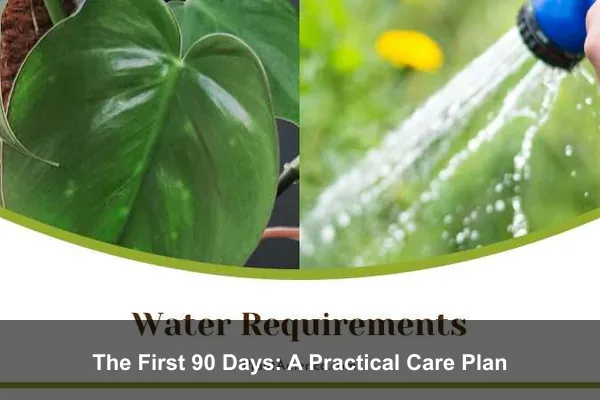
The biggest mistake after buying a philodendron is changing everything at once. New pot, new soil, new fertilizer, new location, and heavy watering can overwhelm the plant. A slower plan works better.
Days 1 to 14: Quarantine and Observation
Keep the new philodendron away from your other houseplants for about two weeks. This simple step helps prevent pests from spreading. Place it in bright indirect light, leave it in the nursery pot unless the soil is clearly failing, and water only when the top layer begins to dry.
During this stage, watch the plant more than you manage it. A few older leaves yellowing can be normal after transport. Rapid collapse, spreading spots, or insects need attention.
Weeks 3 to 6: Build a Watering Rhythm
Instead of watering on a strict calendar, check the soil. Push a finger into the mix or use a wooden chopstick. If the upper section is dry but the lower mix still has slight moisture, the plant is usually ready soon. If the pot still feels heavy, wait.
When you water, water thoroughly until excess drains out, then empty the saucer. Small daily sips often keep the surface damp while deeper roots remain poorly hydrated.
Weeks 7 to 12: Adjust, Feed, or Repot if Needed
After the plant has adjusted, you can make bigger decisions. Repot only if roots are circling tightly, the mix stays wet for too long, or the plant dries out almost immediately after watering. Move up only one pot size. A pot that is too large holds excess moisture around roots.
If the plant is actively growing and it is the warm growing season, use a balanced houseplant fertilizer at a diluted strength. Fertilizer supports growth, but it does not fix low light, root rot, or poor soil.
Real Philodendron Benefits for Indoor Living
The most reliable philodendron benefits are practical, visual, and habit-building. These are worth more than exaggerated wellness claims.
It Makes Green Decor Easy to Maintain
Philodendron foliage works with many interiors because the leaves bring shape and depth without requiring flowers. A trailing variety can soften shelves, while an upright variety can add structure to a desk, plant stand, or reading corner.
It Helps Beginners Learn Plant Signals
A philodendron responds visibly to care. If stems stretch, it likely needs more light. If lower leaves yellow and soil is constantly wet, watering may be too frequent. If leaf edges brown in dry rooms, airflow, watering consistency, or humidity may need adjustment.
It Supports a More Restful Indoor Routine
Caring for a plant can create a small pause in a busy day. Checking soil, wiping leaves, and rotating the pot are simple routines that make indoor spaces feel more intentional. This is a realistic way to understand plant benefits without turning philodendron into a medical treatment.
Safety and Placement Information
Philodendrons contain calcium oxalate crystals, which can irritate the mouth, throat, and stomach if chewed or swallowed. This is important for homes with cats, dogs, small children, or anyone likely to touch and taste plant parts.
Use smart placement:
- Keep philodendrons out of reach of pets and children.
- Wash hands after pruning or handling sap, especially if your skin is sensitive.
- Do not use philodendron leaves for tea, food, or herbal remedies.
- Place trailing stems where they will not be pulled from shelves.
If pet safety is your top priority, consider a non-toxic houseplant instead. Philodendron is beautiful and useful, but it is not the safest choice for every household.
Common Mistakes to Avoid
Philodendron care becomes easier when you avoid a few habits that look helpful but cause stress.
- Repotting immediately: wait unless the plant is in severe soil trouble.
- Watering by calendar only: soil moisture changes with season, light, pot size, and room temperature.
- Choosing a pot without drainage: decorative cachepots are fine, but the inner pot should drain.
- Putting it in harsh direct sun: strong afternoon sun can scorch leaves.
- Misting as a complete humidity solution: misting is temporary and can encourage leaf spotting if airflow is poor.
- Buying rare plants too early: learn on resilient varieties before investing in sensitive collectors’ plants.
Simple Long-Term Maintenance After 90 Days
Once your philodendron is settled, the routine is straightforward. Rotate the pot every week or two for even growth. Wipe dusty leaves with a damp cloth so they can receive light efficiently. Prune leggy stems above a node to encourage fuller growth, and inspect new leaves for pests before problems spread.
Season also matters. In brighter, warmer months, the plant may drink more and grow faster. In cooler or darker months, growth slows and watering should usually be reduced. This seasonal adjustment is one of the most important pieces of Philodendron plant benefits and information for long-term success.
Conclusion
Philodendron is a rewarding indoor plant because it offers attractive foliage, adaptable growth, and a manageable care routine. Its greatest value is not just that it looks good, but that it helps you build better indoor gardening habits during the first 90 days.
Choose a healthy plant, give it time to acclimate, avoid overwatering, and place it where light is bright but indirect. With realistic expectations and safe placement, a philodendron can become a long-lasting part of a greener, calmer home.
