
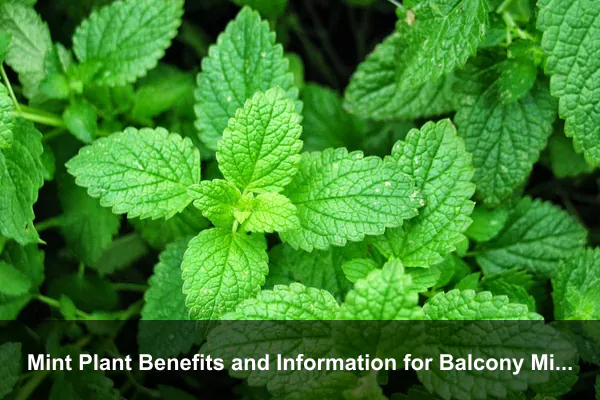
Mint is one of the most practical herbs for people who want a useful plant in a small space. It grows quickly, releases a fresh scent when touched, and offers edible leaves for drinks, simple meals, and everyday home routines. For balcony gardeners, renters, and beginners, the real value of mint is not only that it is easy to grow, but that it can turn a small corner into a productive, fragrant microgarden.
This guide takes a fresh angle on Mint plant benefits and information by focusing on small-space growing, heat-aware care, steady harvesting, and low-waste use. Instead of treating mint as just another kitchen herb, think of it as a resilient herbal plant that rewards routine observation: light, water, airflow, and pruning all affect how clean, aromatic, and abundant the leaves become.
Mint at a Glance: A Small Plant With Daily Value
Mint belongs to the Mentha genus, a group of aromatic herbs known for square stems, opposite leaves, and a cooling fragrance. Many types spread by underground runners, which is why mint is often easier to manage in pots than directly in open garden beds. In a balcony or patio setting, that vigorous habit becomes an advantage because the plant can regrow after frequent cutting.
Basic mint plant information
- Plant type: perennial herb in many climates, often grown as a container plant.
- Best light: bright light with some gentle morning sun or filtered afternoon light in hot areas.
- Water needs: consistently moist soil, with drainage to prevent soggy roots.
- Useful parts: leaves and tender stems, harvested fresh before or during early flowering.
- Main caution: spreads aggressively in open ground and concentrated mint oils require careful use.
Why Mint Works in Balcony Microgardens
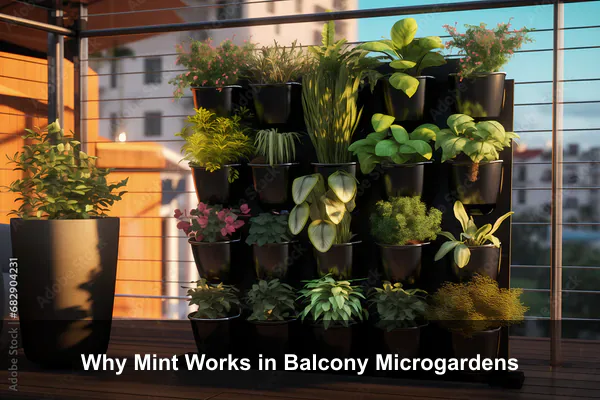
Mint is especially valuable in compact homes because it provides benefits without requiring a large garden bed. A single healthy pot can supply leaves for regular use, bring scent to a seating area, and help beginners learn plant care through visible feedback. When the plant wilts, stretches, yellows, or loses aroma, it is usually telling you something about water, light, soil, or harvest timing.
A sensory plant for small spaces
One of the most noticeable mint plant benefits is its clean, cooling aroma. Brushing the leaves while watering or pruning can make a balcony feel fresher, especially in warm weather. This does not mean mint purifies the air in a medical or mechanical sense, but it can improve the sensory quality of a small outdoor or semi-outdoor space.
Productive growth without complex equipment
Mint does not need expensive tools. A pot with drainage, a loose growing mix, regular water, and clean scissors are enough for a useful setup. Because it regrows from nodes, you can harvest small amounts often instead of stripping the whole plant. This makes mint ideal for people who prefer practical plants with visible results.
Choosing the Right Pot and Growing Setup
For small-space mint, the container is more than decoration. It controls root spread, moisture balance, and long-term plant health. A pot that is too small dries out quickly and causes stressed, tough leaves. A pot that has no drainage can trap water around the roots and lead to decline.
Pot size and drainage
Choose a container at least 20 to 30 cm wide for one young mint plant. Wider pots give the roots room to expand and help the soil stay evenly moist. Drainage holes are essential. If you use a decorative outer pot, remove standing water from the bottom after watering so the roots are not sitting in a wet reservoir.
Soil that supports leaf quality
Mint prefers a rich but airy potting mix. A practical blend includes general potting soil with compost or organic matter for fertility and a light material such as perlite, pumice, or coarse coco chips for airflow. The goal is simple: soil that holds moisture but still allows excess water to leave.
Water, Heat, and Light: The Quality Triangle
Leaf quality depends on the balance between water, heat, and light. Mint grown in harsh afternoon sun with dry soil may survive, but the leaves can become smaller, rougher, or less pleasant to use. Mint grown in deep shade may stay green but become long, weak, and less aromatic.
Water consistently, not excessively
Check the top layer of soil with your finger. If the surface feels dry but the deeper mix is still lightly moist, water soon. If the whole pot feels dry and light, water thoroughly until excess drains out. In hot balcony conditions, small pots may need water more often than garden plants because wind and reflected heat dry them quickly.
Use light to shape growth
Morning sun is often ideal because it encourages strong growth without scorching the leaves. In very hot climates, afternoon shade protects mint from stress. If stems become long and sparse, move the plant to brighter light gradually. If leaves curl, crisp, or fade, reduce heat exposure and check moisture.
Harvesting Mint for a Low-Waste Leaf Cycle
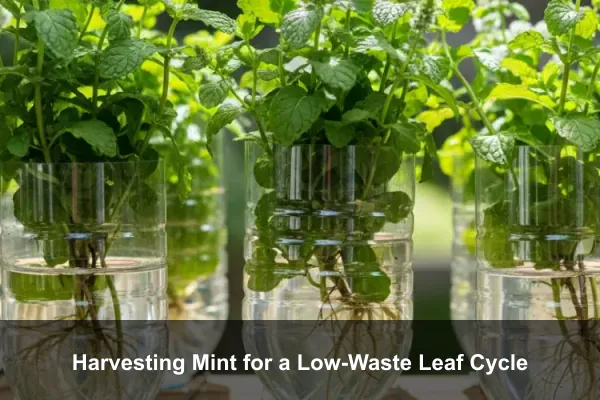
A good mint routine is built around small, regular harvests. Instead of waiting until the plant becomes tall and woody, trim stems often to encourage branching. This keeps the plant compact, leafy, and productive, which is especially useful on balconies where space is limited.
Cut above a leaf node
Use clean scissors and cut just above a pair of leaves. New shoots often emerge from that point, giving the plant a fuller shape. Avoid removing more than one third of the plant at once unless it is very established. Young mint needs enough leaves left behind to keep producing energy.
Use more than perfect leaves
Low-waste mint growing means using tender stems and slightly imperfect leaves when they are clean and healthy. Older stems can be steeped for scent, added to water, or composted if they are too tough. Diseased leaves, however, should be removed and discarded rather than reused.
Everyday Benefits of Mint in the Home
The benefits of mint are practical, sensory, and culinary. Fresh leaves can brighten drinks, salads, fruit bowls, sauces, and herbal infusions. The scent can make watering and pruning feel rewarding, which helps many beginners stay consistent with plant care. Mint flowers, if allowed to appear, may also attract small pollinators in outdoor spaces.
Mint is often associated with digestive comfort, fresh breath, and a cooling sensation. These traditional uses are part of why mint remains popular, but it is important to stay accurate: mint leaves are a food herb, not a cure. People with reflux, allergies, gallbladder concerns, or medication questions should be cautious and seek professional advice when needed. Essential oils are much stronger than fresh leaves and should not be treated as interchangeable.
Simple ways to use fresh mint
- Add a few washed leaves to drinking water for a clean herbal note.
- Chop young leaves into yogurt sauces, salads, or fruit dishes.
- Steep leaves briefly for a mild herbal drink.
- Place trimmed stems in a jar of water for short-term freshness.
- Compost tired stems to return organic matter to your plant routine.
Common Mint Problems in Small Spaces
Mint is forgiving, but balcony conditions can create problems quickly. Reflected heat, tight pots, poor airflow, and inconsistent watering are the most common causes of weak growth. Observing the plant weekly helps you correct issues before they become severe.
Yellow leaves
Yellowing can come from overwatering, poor drainage, old soil, or nutrient shortage. Check whether the pot drains well and whether roots are crowded. If the plant has been in the same container for a long time, refresh part of the potting mix and prune tired growth.
Leggy stems
Long stems with wide gaps between leaves usually mean the plant wants brighter light or more frequent trimming. Move it gradually toward better light and pinch the growing tips to encourage branching.
Pests and leaf spots
Aphids, mites, and fungal leaf spots can appear when airflow is poor or foliage stays wet for too long. Rinse pests gently, remove badly affected leaves, and avoid overhead watering late in the day. Keep pots spaced so leaves can dry after rain or watering.
Conclusion
Mint plant benefits and information become most useful when they are connected to real growing conditions. In a balcony microgarden, mint offers fresh leaves, fragrance, beginner-friendly feedback, and steady regrowth from a small footprint. The key is to give it a container with drainage, bright but manageable light, consistent moisture, and regular pruning.
With thoughtful care, mint can be more than a fast-growing herb. It can become a compact, low-waste plant that supports daily routines, adds sensory freshness, and teaches the basics of herbal gardening in a simple, rewarding way.
