
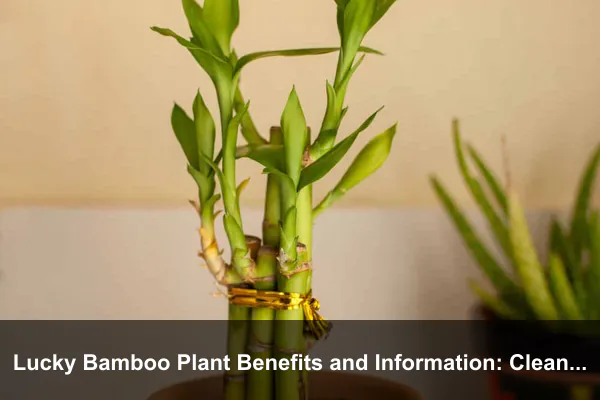
Lucky bamboo is one of the most popular indoor plants for people who want greenery without a complicated gardening routine. Despite its common name, lucky bamboo is not true bamboo. It is usually Dracaena sanderiana, a tropical plant known for its upright canes, narrow green leaves, and ability to grow in water or a light potting mix. This makes it especially useful for homes, offices, apartments, reception areas, and compact indoor corners where traditional soil-based plants may feel messy or demanding.
This guide takes a fresh, practical look at Lucky Bamboo plant benefits and information by focusing on clean indoor living, low-waste plant care, simple wellness value, and realistic expectations. Instead of repeating only the usual ideas about symbolism or gift meaning, this article explains how lucky bamboo supports calm visual design, beginner-friendly plant habits, small-space greenery, and cleaner everyday routines. It also covers water culture, container choices, safe placement, maintenance mistakes, and how to keep the plant attractive for the long term.
What Makes Lucky Bamboo Different from True Bamboo?
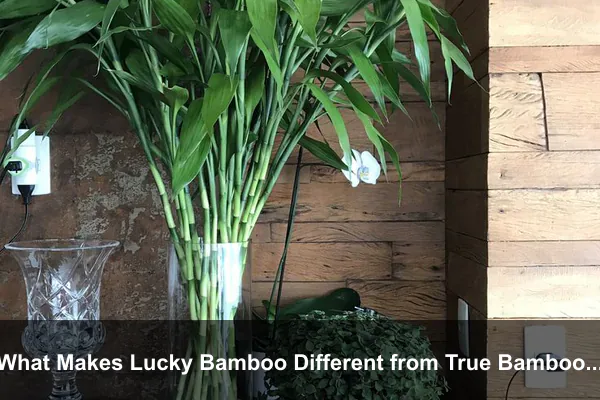
Many people buy lucky bamboo because they love the look of bamboo but do not want a fast-spreading outdoor grass. True bamboo belongs to the grass family and can become large, woody, and invasive in some landscapes. Lucky bamboo is different. It is a Dracaena, which means it grows more slowly, stays manageable indoors, and fits better in decorative containers.
The plant is often sold as straight stalks, spiral canes, braided arrangements, or tiered bundles. These shapes are created through nursery training, not because the plant naturally grows in spirals. Once it reaches your home, it will usually continue producing leaves from the top or side shoots, while the cane shape remains mostly the same.
Basic Lucky Bamboo Plant Information
- Botanical identity: Commonly sold as Dracaena sanderiana.
- Common name: Lucky bamboo, friendship bamboo, ribbon plant.
- Growth habit: Upright canes with leafy shoots.
- Indoor size: Often 6 inches to 3 feet, depending on age and arrangement.
- Growing methods: Water with pebbles or a loose, well-draining potting mix.
- Best light: Bright, indirect light.
- Main appeal: Clean decor, easy care, compact greenery, and symbolic value.
This distinction matters because care advice for outdoor bamboo does not apply to lucky bamboo. It does not need full sun, aggressive pruning, or landscape containment. It prefers gentle indoor conditions, clean water, and protection from harsh direct sunlight.
Key Lucky Bamboo Plant Benefits for Indoor Spaces
The benefits of lucky bamboo are strongest when viewed through practical indoor living. It is not a miracle plant, and it should not be promoted with exaggerated health claims. Its real value comes from how easily it brings living greenery into everyday spaces while requiring very little equipment, soil, or time.
1. It Adds Greenery Without Taking Much Space
Lucky bamboo is ideal for small homes, rented rooms, studio apartments, desks, shelves, and narrow window-adjacent surfaces. The plant grows vertically, so it creates a fresh green accent without spreading across tables or blocking walkways. For people who want plant benefits but have limited space, this upright form is a major advantage.
2. It Supports a Calm Visual Atmosphere
Indoor plants can make rooms feel softer and more balanced. Lucky bamboo does this especially well because its shape is simple, structured, and uncluttered. A few clean green stalks in a glass vase can make a work desk, bathroom shelf, or entry table feel more intentional. This is one reason it is often used in minimalist, modern, and Asian-inspired interiors.
3. It Is Beginner-Friendly
Lucky bamboo is forgiving compared with many leafy houseplants. It does not need frequent repotting, heavy pruning, or advanced fertilizing. If the light is gentle and the water is kept clean, the plant can stay attractive for years. This makes it a good first plant for people who are still learning how to observe leaf color, water quality, and indoor light conditions.
4. It Can Grow Without Soil
One of the most practical lucky bamboo benefits is its ability to grow in water. This is helpful for people who dislike soil mess, have limited storage for potting supplies, or want a cleaner plant display for a desk or counter. Water culture also allows you to see the roots, making it easier to notice early signs of root rot or algae buildup.
5. It Encourages Simple Plant Care Habits
Because lucky bamboo care is simple, it helps owners build consistent habits. Changing water, rinsing pebbles, checking leaf tips, and rotating the container are small routines that make plant care feel manageable. For many beginners, this confidence is the first step toward growing other indoor plants successfully.
Clean Indoor Decor: Why Lucky Bamboo Works So Well
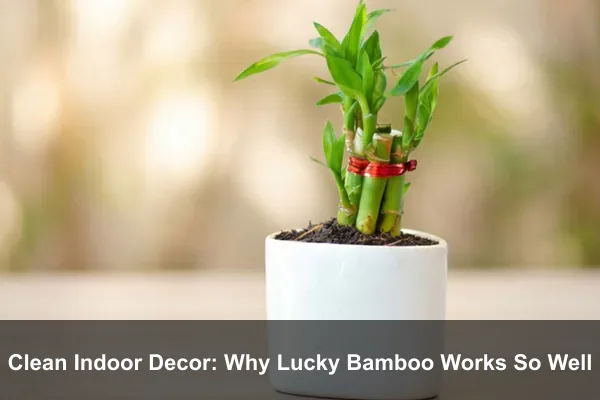
Lucky bamboo is often used as decor because it has a clean silhouette. The canes provide vertical structure, while the leaves add movement and softness. Unlike trailing vines or large tropical leaves, it does not dominate a room. It works best as a quiet accent that brings life to a surface without visual clutter.
Best Places to Display Lucky Bamboo
- Work desk: Adds greenery without taking up much working space.
- Entryway table: Creates a fresh first impression near the door.
- Bathroom shelf: Works if there is enough indirect light and good ventilation.
- Kitchen counter: Suitable when placed away from heat, grease, and direct sun.
- Bedroom corner: Adds a calm accent when kept away from pets and children.
- Reception area: Offers a neat, welcoming plant display for visitors.
For a polished look, choose a container that fits the plant’s height. Short stalks look balanced in low glass bowls or compact ceramic pots. Tall stalks need heavier containers so they do not tip over. Clear glass is useful for monitoring water and roots, while ceramic containers hide algae and create a more finished decorative style.
Design Tips for a More Natural Look
Many lucky bamboo arrangements look artificial when they are crowded with too many decorative stones, colored gels, or plastic ornaments. A more natural arrangement usually feels more elegant. Use smooth river stones, clear water, neutral containers, and enough open space around the stems. The goal is to highlight the plant, not bury it under accessories.
How Lucky Bamboo Supports Low-Waste Plant Care
A unique angle in lucky bamboo plant benefits and information is its fit with low-waste indoor living. Many houseplants require bags of soil, multiple plastic nursery pots, frequent repotting, and extra supplies. Lucky bamboo can be maintained with fewer materials, especially when grown in water.
Reusable Containers
You can grow lucky bamboo in a reused glass jar, vase, ceramic cup, or sturdy bottle as long as it is clean and stable. This makes it a good option for people who want an attractive plant display without buying many new gardening products. The container should be deep enough to support the stalks and wide enough to prevent crowding.
Minimal Soil Mess
Water-grown lucky bamboo avoids the spills and dust that sometimes come with soil-based indoor gardening. This is useful in offices, dorm rooms, shared homes, and spaces with limited cleaning time. However, water culture still requires care. Old water can smell, collect algae, or become low in oxygen, so it should be changed regularly.
Simple Propagation
Lucky bamboo can be propagated from healthy stem cuttings. This allows one plant to become several plants over time. Propagation should be done carefully with clean tools and healthy canes, but it can reduce the need to buy new plants for every room.
- Choose a healthy cane with a strong leafy shoot.
- Cut below a node using clean, sharp scissors or pruners.
- Place the cutting in clean water with the node submerged.
- Keep it in bright, indirect light.
- Refresh the water until roots develop.
Propagation is not instant, and not every cutting succeeds. Still, it is one of the simplest ways to expand your indoor greenery without creating much waste.
Water Growing Guide for Healthy Lucky Bamboo
Lucky bamboo is famous for growing in water, but it does not thrive in neglected water. Clean water, proper depth, and stable light are the foundation of healthy growth. Many problems blamed on “bad luck” are actually caused by chlorine, salt buildup, algae, or containers that are too crowded.
Best Water for Lucky Bamboo
Use filtered water, rainwater, distilled water, or tap water that has been left sitting for 24 hours if your local supply contains chlorine. Some plants tolerate tap water better than others, but lucky bamboo can develop yellow tips when exposed to high mineral or chemical levels over time.
How Much Water to Use
The roots should stay covered, but the entire stalk does not need to be submerged. In most containers, 1 to 3 inches of water is enough, depending on root length. Too much water around the cane can encourage soft, mushy stems, especially if the container is warm or stagnant.
How Often to Change the Water
Change the water about once a week, or sooner if it becomes cloudy, smells unpleasant, or shows algae growth. Rinse the container and pebbles during water changes. This keeps the root zone cleaner and helps prevent bacterial buildup.
Fertilizer for Water-Grown Lucky Bamboo
Lucky bamboo needs very little fertilizer. Too much feeding can burn roots and cause yellowing. Use a diluted liquid houseplant fertilizer only occasionally, often at a fraction of the label strength. If the plant is growing slowly but looks green and firm, it may not need fertilizer at all.
Growing Lucky Bamboo in Soil
Although water culture is popular, lucky bamboo can also grow well in soil. Soil is often better for long-term stability because it provides more consistent support and nutrients. This option works well for taller plants, multi-stalk arrangements, or owners who prefer traditional potted plants.
Best Soil Type
Use a loose, well-draining potting mix. A standard indoor plant mix can work if it does not stay soggy. You can improve drainage with perlite, orchid bark, or coarse material. The pot should have drainage holes because standing water at the bottom can lead to root rot.
Watering Soil-Grown Lucky Bamboo
Keep the soil lightly moist but not waterlogged. Water when the top layer begins to dry. The plant does not like extreme dryness, but constant wet soil is also harmful. If leaves turn yellow and the soil smells sour, the roots may be staying too wet.
When to Choose Soil Instead of Water
- Choose soil if the plant is tall and keeps tipping over.
- Choose soil if you want stronger long-term growth.
- Choose soil if the roots are crowded in a small vase.
- Choose soil if you prefer less frequent water changes.
- Choose soil if algae is a recurring problem in clear containers.
Both methods can work. The best choice depends on your space, cleaning habits, and the plant’s size.
Light, Temperature, and Placement Needs
Lucky bamboo grows best in conditions similar to a bright tropical understory: light is available, but it is filtered rather than harsh. Direct sun can scorch leaves, while deep shade can weaken growth and make the plant look pale or stretched.
Best Light Conditions
Place lucky bamboo near a bright window with indirect light. East-facing windows often work well. North-facing rooms may also work if they are bright enough during the day. If the plant receives direct afternoon sun, move it back from the window or use a sheer curtain.
Temperature Preferences
Lucky bamboo prefers normal indoor warmth. Keep it away from cold drafts, air-conditioning blasts, heaters, and sudden temperature changes. Stress from temperature swings can show up as yellowing leaves, dry tips, or slow growth.
Rotation for Even Growth
Rotate the container every week or two. Leaves naturally grow toward light, so rotation helps the plant stay balanced. This is especially useful for desktop plants, shelf displays, and arrangements viewed from multiple sides.
Common Problems and What They Mean
Lucky bamboo communicates through its leaves, roots, and canes. Learning these signals helps you correct problems early instead of replacing the plant too soon.
Yellow Leaves
Yellow leaves can be caused by too much direct sun, poor water quality, over-fertilizing, or natural aging. Remove fully yellow leaves and review the care routine. If several leaves yellow at once, check light and water first.
Yellow Stalks
A yellow stalk is more serious than a yellow leaf. It may indicate rot, chemical stress, or severe damage. If one stalk in a bundle turns yellow and soft, remove it quickly so decay does not affect nearby stems.
Brown Leaf Tips
Brown tips often point to dry air, mineral-heavy water, or fertilizer buildup. Switch to filtered water and avoid overfeeding. Trim brown tips with clean scissors if needed, following the natural shape of the leaf.
Algae in the Container
Algae appears when clear containers receive light and nutrients. It is not always fatal, but it looks messy and can reduce water quality. Clean the vase, rinse stones, refresh water, and consider using an opaque container if algae keeps returning.
Safety Notes for Homes with Pets and Children
Lucky bamboo should be treated with care in homes with pets or small children. As a Dracaena, it can be harmful if chewed by cats or dogs. Symptoms may include vomiting, drooling, weakness, or digestive upset. Keep the plant out of reach and contact a veterinarian if a pet eats part of it.
For children, the main concerns are chewing leaves, spilling water, and swallowing decorative stones. Use stable containers, avoid small loose stones in reachable areas, and place the plant where it can be enjoyed visually without becoming a hazard.
Practical Buying and Selection Tips
Choosing a healthy plant at the start makes care easier. Look beyond the decorative arrangement and inspect the canes, leaves, and roots.
Signs of a Healthy Lucky Bamboo
- Firm green stalks with no soft or mushy sections.
- Fresh green leaves without widespread yellowing.
- Clean roots that are light-colored to orange, not black and slimy.
- No sour smell from the water or container.
- Stable arrangement with enough room between stalks.
What to Avoid
Avoid plants with yellow canes, foul-smelling water, slimy roots, or leaves that are heavily scorched. Also be cautious with arrangements glued into place with stones. Glue can make cleaning difficult and may trap dirty water around the base.
Lucky Bamboo as a Thoughtful Everyday Plant
Lucky bamboo is often associated with good fortune, harmony, and positive energy, but its everyday value is just as important. It is a plant that fits easily into modern routines. It does not demand a garden, a balcony, or expensive tools. A clean container, gentle light, and regular observation are usually enough.
This makes lucky bamboo especially useful for people who want the benefits of plants but feel intimidated by traditional gardening. It offers a simple way to practice care, improve a room’s visual mood, and keep a living green element nearby. In the context of manfaat tanaman, or plant benefits, lucky bamboo shows that value is not always about food, medicine, or fragrance. Sometimes the benefit is a calmer desk, a cleaner-looking corner, and a small daily reminder to slow down and notice living growth.
Conclusion
Lucky bamboo is a practical, attractive, and beginner-friendly indoor plant with benefits that go beyond decoration. It brings compact greenery into small spaces, supports calm interior styling, grows with minimal supplies, and can thrive in either water or soil when cared for properly. Its real strength is simplicity: clean water, indirect light, stable warmth, and occasional maintenance can keep it looking fresh for years.
For anyone researching Lucky Bamboo plant benefits and information, the best takeaway is to treat the plant as both a decorative accent and a living organism. Choose a healthy specimen, place it thoughtfully, keep its water or soil clean, and watch its leaf signals. With realistic care and safe placement, lucky bamboo can become one of the easiest and most rewarding indoor plants for everyday living.
