
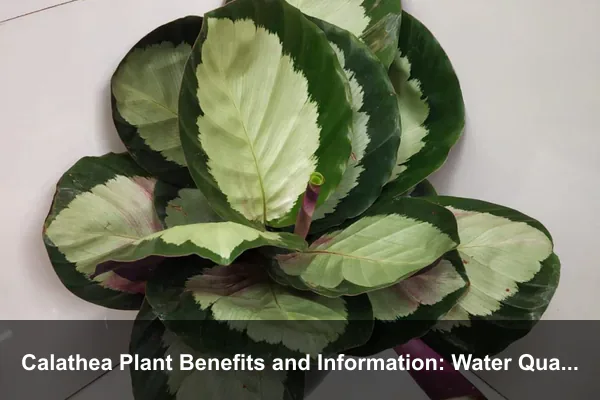
Calathea plant benefits and information often begin with the obvious: this houseplant has dramatic leaves, painterly patterns, and a calm indoor presence. But the most useful way to understand Calathea is to see it as a sensitive tropical foliage plant that rewards stable care. Its beauty is not separate from its care needs; the same conditions that keep the leaves bold, upright, and colorful also make your indoor space feel more intentional, humid, and alive.
This guide takes a different angle from a basic variety list or a quick placement guide. It focuses on the hidden factors that decide whether a Calathea thrives for years: water quality, root health, soil structure, humidity balance, and a simple maintenance routine. If you want a houseplant that teaches careful observation while adding natural pattern and texture to your room, Calathea is one of the best plants to learn from.
What Makes Calathea Valuable in a Home
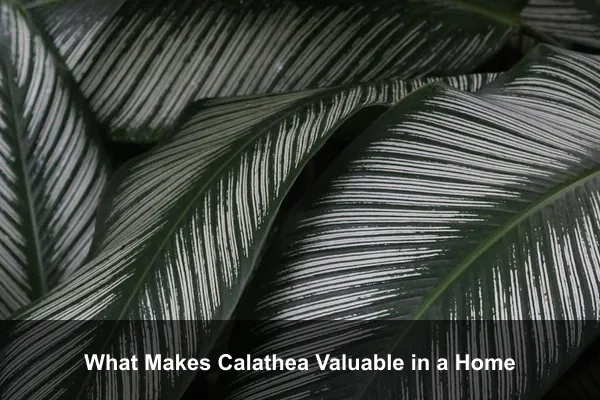
Calathea is popular because it offers strong visual impact without needing flowers. The leaves can show stripes, brush-like markings, silver panels, pink lines, dark green edges, burgundy undersides, or rounded medallion shapes. This makes the plant useful in interior design, especially in rooms that need detail, softness, and a natural focal point.
Beyond appearance, Calathea also brings practical indoor benefits. It encourages a more attentive care rhythm because the plant responds visibly to stress. Leaves may curl, fade, crisp, droop, or yellow when conditions are wrong. For many plant owners, this makes Calathea a helpful plant for building better watering habits, improving room humidity, and noticing dry air before other houseplants show symptoms.
Key benefits of Calathea plants
- Decorative foliage: The patterned leaves create a high-value ornamental look even when the plant is not flowering.
- Pet-conscious indoor choice: Commonly sold Calathea and Goeppertia houseplants are generally regarded as non-toxic to cats and dogs, although pets should still be discouraged from chewing leaves.
- Humidity awareness: Calathea reacts quickly to dry air, making it a natural reminder to improve indoor moisture levels.
- Compact beauty: Many types fit shelves, desks, side tables, and apartment corners without becoming huge.
- Mindful plant care: The plant encourages observation, steady routines, and slower maintenance instead of random watering.
Why Calathea benefits depend on consistency
Some houseplants tolerate irregular care, but Calathea is less forgiving. That sounds like a weakness, but it is also why the plant can be rewarding. A healthy Calathea tells you that the room has reasonably gentle light, stable warmth, suitable moisture, and low mineral stress in the soil. When those needs are met, the plant becomes more than decoration. It becomes a living indicator of a balanced indoor environment.
Calathea Plant Information: Origin, Growth, and Naming
Calathea belongs to the Marantaceae family, a group known for decorative foliage and leaf movement. Many plants still sold as Calathea have been reclassified into the genus Goeppertia, but the name Calathea remains common in garden centers, plant shops, and home care guides. For everyday care, the important point is not the label debate. These plants share similar needs: filtered light, warm temperatures, consistent moisture, airy soil, and protection from harsh tap water.
In nature, Calathea-type plants grow in tropical forest environments. They are adapted to bright shade under tree canopies, not direct sun. Their roots often sit in organic, moist, breathable material rather than heavy compacted soil. This background explains why indoor Calathea plants struggle in dry rooms, direct afternoon sun, cold drafts, and dense potting mixes.
How Calathea grows indoors
Calathea usually grows from underground rhizomes and produces leaves on upright stems. New growth often emerges as tightly rolled leaves that slowly open. Mature plants can become full and layered, but they are not climbing vines and do not need a moss pole. Their growth is usually moderate indoors, with faster progress during warm months and slower growth during cool or darker periods.
Common indoor Calathea traits
- Leaves may lift and lower between day and night as part of natural movement.
- Leaf undersides are often darker, purple, red, or burgundy.
- Roots prefer oxygen as much as moisture, so drainage is essential.
- Growth slows when light, warmth, or humidity drops.
- Leaf edges are sensitive to salts, fluoride, dryness, and inconsistent watering.
Water Quality Is the Biggest Hidden Factor

Many Calathea problems start with water quality. A plant owner may be watering on schedule, using a nice pot, and placing the plant in bright indirect light, yet the leaves still develop brown edges. In many homes, the hidden cause is mineral buildup from tap water, especially when the water is hard or treated with additives that sensitive foliage plants dislike.
Calathea does not need expensive care, but it does benefit from gentle water. If your tap water leaves white crust on faucets, kettles, or soil surfaces, it may also leave salts in the potting mix. Over time, this can irritate roots and damage leaf edges. Switching water sources is often one of the simplest improvements you can make.
Best water options for Calathea
- Filtered water: A practical choice for most homes if the filter reduces chlorine taste and some dissolved minerals.
- Rainwater: Excellent when collected safely from a clean surface and stored properly.
- Distilled water: Useful for highly sensitive plants or homes with very hard tap water.
- Dechlorinated tap water: Letting water sit may help with chlorine, but it does not remove dissolved minerals or all treatment chemicals.
How to water without stressing the roots
- Check the top layer of the potting mix with your finger. Water when the upper section feels slightly dry, not bone dry.
- Use room-temperature water to avoid shocking the roots.
- Water evenly around the soil surface until moisture reaches the root zone.
- Let excess water drain completely from the bottom of the pot.
- Empty saucers so the plant does not sit in stagnant water.
The goal is even moisture, not constant wetness. Calathea roots need air. When soil stays soaked, roots weaken and fungal problems become more likely. When soil dries too far, leaves curl and edges crisp. The best routine sits between those extremes.
Signs your water or watering routine needs adjustment
- Brown, dry leaf margins despite regular watering.
- White crust on the soil surface or around drainage holes.
- Leaves curling soon after the soil dries out.
- Yellow leaves combined with wet, heavy soil.
- Slow decline after months of using hard tap water.
Soil, Potting, and Drainage for Healthy Roots
Soil is the foundation of long-term Calathea health. A beautiful plant can decline quickly if its roots are trapped in dense, airless potting mix. Because Calathea likes moisture, some people assume it should grow in heavy soil. That is a mistake. It needs a mix that holds moisture while still draining well and allowing oxygen around the roots.
A good Calathea mix feels soft, light, and slightly springy. It should not become a hard block after watering. It should stay evenly damp for a reasonable time, then gradually dry at the top. If water runs straight through, the mix may be too coarse or hydrophobic. If water sits on the surface or the pot stays wet for many days, the mix may be too compact.
A practical Calathea potting mix
- Use a high-quality indoor potting mix as the base.
- Add fine orchid bark or coco chips for structure.
- Add perlite or pumice for drainage and oxygen.
- Add a small amount of coco coir if the mix dries too quickly.
- Avoid dense garden soil because it compacts in containers.
A simple home blend can be two parts indoor potting mix, one part perlite or pumice, and one part fine bark. This is not the only formula, but it creates the kind of balance Calathea roots usually appreciate: moisture retention with enough air space.
Choosing the right pot
Calathea needs a pot with drainage holes. Decorative cachepots are fine, but the nursery pot inside must be able to drain. If you use a pot without drainage, water collects at the bottom and creates root stress before symptoms appear above the soil.
Pot size also matters. A pot that is too large holds more wet soil than the roots can use, increasing the risk of rot. Move up only one pot size when repotting. If the plant is root-bound but otherwise healthy, repot during the warm growing season so it can recover faster.
Terracotta, ceramic, or plastic?
Terracotta dries quickly because it is porous. This can help heavy-handed waterers, but it may make Calathea too dry in warm or air-conditioned rooms. Plastic and glazed ceramic hold moisture longer, which often suits Calathea better if the potting mix is airy. The best choice depends on your room, watering style, and climate.
Light and Temperature: Keep the Habitat Steady
Calathea prefers bright indirect light. Think of the light found near an east-facing window, a few feet back from a bright south or west window, or behind a sheer curtain. Direct afternoon sun can bleach, burn, or curl the leaves. Very low light, however, can weaken the plant, reduce pattern contrast, and slow new growth.
Temperature should remain warm and stable. Calathea is not a cold-tolerant plant. It dislikes sudden changes from air conditioners, heaters, open windows, and drafty doors. A room that feels comfortable for people during the day is usually acceptable, but the plant may struggle if nights become chilly or dry air blows directly across the leaves.
Room-by-room light ideas
- Living room: Place the plant near a bright window with filtered light, away from direct sunbeams.
- Bedroom: Use a bright corner with gentle morning light and no cold window draft.
- Bathroom: A good option only if there is natural light and warmth, not a dark windowless space.
- Home office: Keep it near indirect light and away from hot electronics or vents.
- Kitchen: Avoid placing it next to ovens, stoves, or sunny windowsills that heat up quickly.
Signs of poor light balance
- Faded leaf patterns may indicate too much sun or long-term stress.
- Leggy, weak growth can suggest insufficient light.
- Crispy patches on exposed leaves may come from direct sunburn.
- Soil that stays wet too long may mean the plant is in light too low for active growth.
Humidity Without Creating Mold Problems
Calathea appreciates higher humidity, but humidity should be managed intelligently. The goal is not to make the room damp. The goal is to reduce dry-air stress around the leaves while keeping airflow healthy. This distinction matters because constantly wet surfaces, crowded plants, and poor ventilation can invite mold, fungus gnats, and leaf disease.
Many owners mist Calathea leaves because it feels helpful. Misting can briefly wet the leaf surface, but it rarely raises humidity for long. If water sits in folded leaves or on dense foliage, it can even create blemishes. A better approach is to improve the room environment in a steady way.
Better humidity strategies
- Group humidity-loving plants near each other while leaving space for airflow.
- Use a small humidifier in dry rooms, especially during air-conditioning or heating seasons.
- Place the plant in a naturally humid bright bathroom if light is adequate.
- Use a pebble tray only as a minor support, not the main humidity solution.
- Keep leaves clean so they can function well in the available air.
Humidity mistakes to avoid
- Do not keep the pot sitting in water to raise humidity.
- Do not crowd plants so tightly that leaves stay wet after watering.
- Do not mist late at night in cool rooms.
- Do not ignore airflow when using a humidifier.
- Do not assume humidity fixes root problems caused by poor drainage.
A Simple Leaf-Care Routine for Patterned Foliage
Calathea leaves are the main attraction, so leaf care deserves attention. Dust can dull the patterns and reduce the plant’s ability to use light efficiently. Cleaning also gives you time to inspect for pests, dry edges, yellowing, and new growth. This habit is one of the easiest ways to catch problems early.
How to clean Calathea leaves
Use a soft damp cloth and support each leaf from below as you wipe. Avoid harsh leaf-shine products because they can clog or irritate foliage. If the plant is small, you can rinse it gently with lukewarm water, then let it dry in a warm place with indirect light and good airflow.
Pruning and grooming
Remove fully yellow or badly damaged leaves at the base with clean scissors. Do not remove every leaf with a small brown edge; minor imperfections are normal on Calathea, especially in homes with dry air or mineral-heavy water. Pruning should improve plant health and appearance, not create unnecessary stress.
Rotation and visual balance
Rotate the pot every one or two weeks so the plant grows evenly toward the light. This is especially useful for Calathea on shelves or side tables where light comes from one direction. Gentle rotation keeps the plant fuller and prevents one-sided growth.
Common Calathea Problems and What They Mean
Calathea problems are easier to solve when you read them as signals. A single damaged leaf does not always mean failure. The pattern matters: where the damage appears, how quickly it spreads, and what changed in the room recently.
Crispy brown edges
Brown edges usually point to dry air, inconsistent watering, mineral buildup, or a combination of these factors. Start by checking water quality and soil moisture. If the soil is healthy and watering is consistent, improve humidity and keep the plant away from vents.
Curling leaves
Leaf curling often means the plant is conserving moisture. The soil may be too dry, the air may be too dry, or the plant may be exposed to heat or direct sun. Water if the mix is dry, then move the plant to gentler light if needed.
Yellow leaves
Yellowing can come from overwatering, poor drainage, cold stress, low light, or natural aging. If lower leaves yellow slowly while new growth continues, it may be normal. If several leaves yellow at once and the soil smells sour or stays wet, inspect the roots and potting mix.
Pests on Calathea
Spider mites, thrips, fungus gnats, and mealybugs can affect stressed Calathea plants. Regular leaf cleaning helps you notice pests before they spread. If you see webbing, speckling, sticky residue, or tiny moving insects, isolate the plant and treat promptly with a suitable indoor plant pest method, following product directions carefully.
Everyday Benefits in Real Homes
The strongest Calathea plant benefits are experienced through daily living. A Calathea can soften a work desk, add life to a rental apartment, make a bedroom corner feel calmer, or bring detail to a minimalist room without taking over the space. It is especially valuable for people who enjoy close-up foliage rather than large structural plants.
Because many Calathea varieties stay manageable in size, they fit well in small homes. They can sit on plant stands, low cabinets, sideboards, or shelves with enough light. Their patterns also pair well with neutral walls, wood furniture, woven baskets, ceramic pots, and simple modern interiors.
Best uses for Calathea indoors
- As a statement foliage plant on a side table.
- As a calming desk companion in bright indirect light.
- As part of a humidity-loving plant group.
- As a pet-conscious alternative to toxic ornamental houseplants.
- As a visual accent in rooms with simple color palettes.
Calathea is not the best choice for a dark corner or a neglected plant collection. Its value comes from matching it with the right place and giving it consistent attention. When that match is right, the plant offers beauty, routine, and a clear connection to the indoor environment.
Buying and Keeping Calathea Sustainably
A sustainable Calathea routine begins before you bring the plant home. Choose a healthy plant rather than rescuing one beyond your current skill level. A strong plant adapts better, needs fewer interventions, and wastes fewer supplies. Check both the top and underside of leaves before buying.
What to look for when buying
- Clear leaf patterns with no widespread fading.
- New growth or firm rolled leaves.
- No webbing, sticky residue, cottony pests, or black spotting.
- Soil that is moist but not sour-smelling or muddy.
- A pot with drainage and roots that are not severely circling the surface.
Low-waste care choices
Calathea care can be simple and low-waste. Reuse decorative pots as cachepots, refresh potting mix only when needed, and avoid buying multiple products for every small symptom. Most Calathea issues improve with fundamentals: better water, airy soil, stable humidity, suitable light, and careful observation.
Propagation is usually done by division during repotting, not by leaf cuttings. Divide only when the plant is healthy and large enough to separate into sections with roots and growth points. Small stressed divisions can decline quickly, so patience is better than forcing propagation.
Quick Calathea Care Checklist
- Light: Bright indirect light, protected from direct afternoon sun.
- Water: Keep evenly moist, using filtered, rain, or distilled water when possible.
- Soil: Moisture-retentive but airy mix with perlite, pumice, or fine bark.
- Humidity: Moderate to high humidity with healthy airflow.
- Temperature: Warm and stable, away from drafts and vents.
- Fertilizer: Light feeding during active growth, avoiding salt buildup.
- Cleaning: Wipe leaves regularly and inspect for pests.
- Repotting: Move up one pot size only when roots need more room.
Conclusion
Calathea plant benefits and information are best understood through balance. This plant is admired for its patterned foliage, pet-conscious reputation, and elegant indoor style, but its long-term success depends on the quiet details: gentle water, breathable soil, steady warmth, filtered light, and humidity that supports leaves without creating damp problems.
If you treat Calathea as a living indoor habitat rather than just a decorative object, it becomes easier to care for and more rewarding to keep. The plant teaches you to notice water quality, root conditions, air movement, and subtle leaf signals. With that approach, Calathea can remain a beautiful, healthy, and meaningful part of your home for years.
