
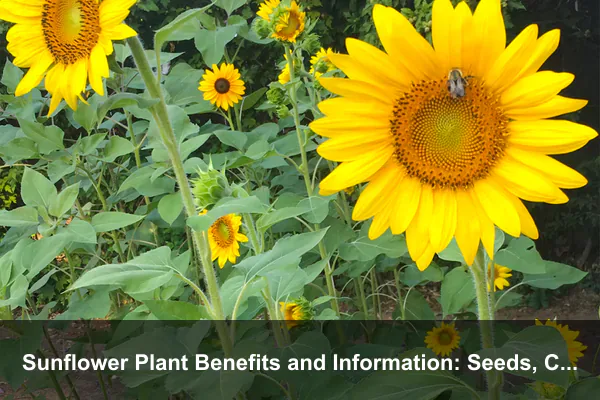
Sunflowers are more than bright summer flowers. They are productive, pollinator-friendly plants that can bring food, beauty, wildlife activity, and practical garden value into one easy-to-recognize package. For gardeners who want a plant that feels cheerful but also useful, sunflower plant benefits and information are worth understanding before the first seed goes into the soil.
Known botanically as Helianthus annuus, the common sunflower is an annual flowering plant native to North America and now grown worldwide for ornamental gardens, edible seeds, cooking oil, animal feed, cut flowers, and ecological support. Unlike many decorative plants that serve only one purpose, sunflowers connect garden design, food production, pollinator care, and beginner-friendly cultivation in a simple seasonal crop.
What Makes Sunflowers Valuable in the Garden?
The sunflower plant stands out because it offers visible results quickly. A small seed can become a tall, sturdy plant with a large flower head in just a few months, depending on the variety and climate. This makes it especially rewarding for new gardeners, families, school gardens, and anyone who wants a plant with clear progress from seed to harvest.
Basic Sunflower Plant Information
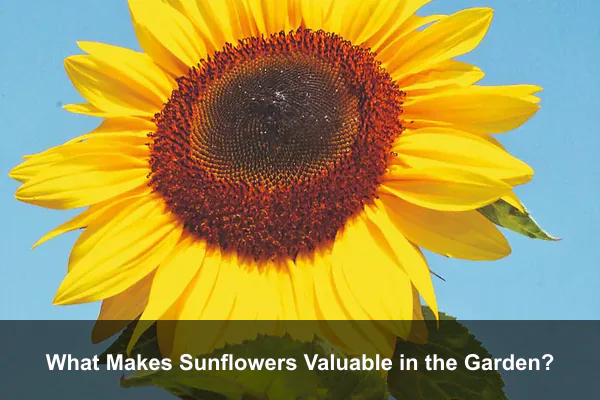
Most garden sunflowers are warm-season annuals. They grow best in full sun, prefer loose and well-drained soil, and usually flower from summer into early fall. Their famous flower heads are actually made of many tiny flowers. The outer yellow petals are ray florets, while the center disk contains hundreds or even thousands of fertile florets that can develop into seeds.
Sunflowers come in many sizes. Some dwarf types grow only 1 to 3 feet tall and fit in containers, while giant types can grow 10 feet or more with proper spacing, deep soil, and consistent moisture. Flower colors also vary beyond classic yellow. Modern varieties may show gold, orange, red, burgundy, cream, or bicolor petals.
A Plant With Practical and Visual Benefits
Sunflowers are useful because they combine ornamental value with harvest potential. They can create a living privacy screen, define the back of a border, attract pollinators, provide seeds for people and birds, and add bold structure to a vegetable garden. Their upright form makes them especially effective in garden layouts where height, color, and seasonal drama are needed.
Key Sunflower Plant Benefits
The main benefits of sunflowers come from their flowers, seeds, growth habit, and role in the garden ecosystem. While they are often grown for beauty, they can also support healthier outdoor spaces when planted thoughtfully.
- Pollinator support: Bees, butterflies, hoverflies, and other beneficial insects visit sunflower blooms for nectar and pollen.
- Edible seeds: Mature sunflower seeds can be roasted, sprouted, ground into seed butter, or used as toppings in everyday meals.
- Bird food: Seed heads left in the garden can feed finches and other seed-eating birds.
- Cut flowers: Many branching varieties produce long-lasting stems for fresh arrangements.
- Garden structure: Tall sunflowers add vertical interest and can soften fences, walls, and vegetable beds.
- Beginner-friendly growing: Large seeds are easy to handle, germinate quickly in warm soil, and help beginners understand plant growth.
- Soil and habitat value: Their roots help hold soil in place during the growing season, and their stems can provide temporary shelter for small garden insects.
Nutrition and Everyday Uses of Sunflower Seeds
One reason sunflower plant benefits and information are so popular is that the plant offers an edible harvest. Sunflower seeds are small but nutrient-dense, making them useful in kitchens as long as they are grown, harvested, stored, and prepared properly.
What Sunflower Seeds Provide
Sunflower seeds are commonly valued for healthy fats, plant-based protein, fiber, vitamin E, magnesium, selenium, and other minerals. They can support a balanced diet when eaten in moderate portions. Unsalted seeds are generally the better everyday choice because heavily salted snack seeds can add too much sodium.
The seeds can be eaten raw, roasted, or added to bread, granola, salads, oatmeal, trail mix, and homemade energy snacks. Hulled kernels are easier to use in recipes, while seeds with shells are often enjoyed as a snack or saved for wildlife feeding.
Sunflower Oil and Kitchen Use
Sunflower oil is pressed from oilseed sunflower varieties. It is widely used for cooking, baking, and salad dressings, depending on the type of oil and its smoke point. High-oleic sunflower oil is often chosen for better heat stability, while less refined oils may have a stronger flavor and are better suited to lower-heat uses.
Home gardeners usually grow sunflowers for seeds rather than pressing oil, but understanding this use helps explain why the plant is important agriculturally. Sunflower crops support food production, cooking oil markets, birdseed mixes, and livestock feed systems in many regions.
Petals, Sprouts, and Decorative Uses
Sunflower petals are sometimes used decoratively, but they should only be consumed when grown without unsafe pesticides and properly identified. Sunflower microgreens and sprouts are also popular in some kitchens because they have a nutty flavor and crisp texture. Like all sprouts, they require careful sanitation because moist sprouting conditions can encourage harmful bacteria if handled poorly.
How to Grow Sunflowers Successfully
Sunflowers are considered easy to grow, but better results come from matching the variety to the space and giving the plants the bright, open conditions they prefer. Most problems begin when sunflowers are crowded, shaded, overwatered, or planted in soil that stays soggy.
Light and Location
Sunflowers need full sun, ideally 6 to 8 hours of direct sunlight per day. A south-facing or west-facing open garden area is often ideal in many climates. Avoid placing tall varieties where they will shade smaller vegetables or block paths. Because mature flower heads can become heavy, planting them in a spot protected from strong wind is helpful.
Soil, Water, and Spacing
Well-drained soil is important. Sunflowers can tolerate average soil, but they grow stronger in soil improved with compost. A slightly acidic to neutral soil range is suitable for most varieties. Water young plants consistently while roots establish, then water deeply when the top soil becomes dry. Deep watering encourages stronger roots than frequent shallow watering.
Spacing depends on the variety. Dwarf sunflowers may need only 6 to 12 inches between plants, while large single-stem or giant types may need 18 to 36 inches. Crowded plants compete for light and nutrients, often producing smaller stems and weaker flower heads.
Simple Planting Steps
- Choose a full-sun site after the danger of frost has passed.
- Loosen the soil and mix in compost if the soil is compacted or poor.
- Plant seeds about 1 inch deep, following the spacing recommended for the variety.
- Water gently and keep the soil lightly moist until germination.
- Thin seedlings if too many sprout close together.
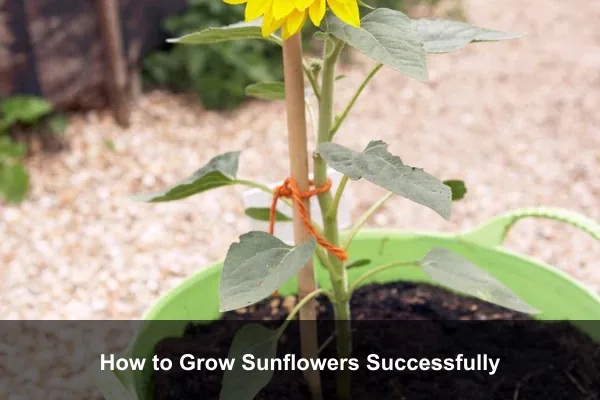
- Add support for giant varieties before stems become too heavy.
Harvesting Sunflower Seeds and Flowers
Harvest timing depends on whether the goal is cut flowers, edible seeds, or wildlife feeding. Cutting too early reduces seed development, while waiting too long can lead to bird feeding, mold, or seed loss in wet weather.
Harvesting Cut Flowers
For fresh arrangements, cut sunflowers when the petals are beginning to open but the flower is not fully mature. Use clean pruners, cut in the morning, and place stems in water immediately. Remove lower leaves that would sit below the waterline. Branching varieties are usually better for repeated cut flowers than giant single-stem types.
Harvesting Seeds
For seeds, wait until the back of the flower head turns yellow to brown, the petals dry, and the seeds look plump. If birds are taking seeds early, cover the head with breathable fabric or a paper bag. Avoid plastic because it can trap moisture and encourage mold.
After cutting the seed head, hang it in a dry, airy place until fully cured. Rub the seeds loose by hand, remove debris, and dry them thoroughly before storage. Store seeds in an airtight container in a cool, dry place. If the seeds smell musty or show mold, discard them.
Sunflowers for Pollinators, Wildlife, and Companion Planting
Sunflowers can become a small wildlife station in the garden. Their blooms attract insects when fresh, and their seed heads feed birds after flowering. This makes them useful in gardens designed for biodiversity, not just appearance.
Pollinator-Friendly Value
Open-pollinated and pollen-producing varieties are best for pollinators. Some florist varieties are bred to be pollenless because they keep arrangements cleaner, but pollenless sunflowers provide less benefit for bees. If pollinator support is a priority, choose varieties known for pollen production and plant several flowers in groups rather than single scattered plants.
Companion Planting Considerations
Sunflowers can work well near corn, squash, cucumbers, zinnias, marigolds, and other sun-loving plants when there is enough space. Their height can create shade, so place them on the north side of vegetable beds in the Northern Hemisphere to reduce unwanted shading. They can also act as a living backdrop for lower flowers.
One important detail is allelopathy. Sunflowers release natural compounds that may reduce germination or growth of some nearby plants. This does not mean they are bad garden neighbors, but it does mean heavy sunflower debris should not be mixed directly into seed-starting beds. Compost stalks and seed heads thoroughly before using them around sensitive seedlings.
Safety Notes and Responsible Use
Sunflowers are generally safe garden plants, but responsible use matters. People with seed allergies should avoid eating sunflower seeds unless cleared by a medical professional. Anyone feeding seeds to children should consider choking risk and choose age-appropriate preparation.
If sunflowers are grown for edible seeds, avoid chemical pesticides that are not labeled for food crops. Do not eat seeds from plants grown in contaminated soil, roadside runoff areas, treated industrial sites, or places with unknown chemical exposure. Sunflowers are sometimes discussed in relation to phytoremediation because they can take up certain substances from soil, but plants grown for cleanup purposes should not enter the food chain.
For pets, sunflower plants are not usually considered highly toxic, but large amounts of seeds, shells, or plant material can upset digestion. Salted seeds are not appropriate for pets. Bird feeding should also be managed carefully so leftover seed piles do not attract rodents or become moldy.
Best Sunflower Types for Different Goals
Choosing the right type is one of the most useful pieces of sunflower plant information. A variety that is perfect for a farm field may be too large for a patio, while a dwarf ornamental type may not produce the seed harvest a gardener expects.
- For small spaces: Choose dwarf varieties that stay compact and grow well in large containers.
- For seed harvest: Select large-headed edible seed types with strong stems and full sun exposure.
- For bouquets: Pick branching varieties that produce multiple medium-sized blooms.
- For pollinators: Use pollen-producing, open-faced varieties rather than pollenless florist types.
- For dramatic garden height: Grow giant varieties with deep soil, wide spacing, and wind protection.
Common Sunflower Problems and Fixes
Most sunflower problems are manageable when caught early. Slugs, snails, birds, and squirrels may damage young seedlings. Netting, collars, or starting seeds in small pots can protect early growth. Aphids sometimes gather on stems and buds, but a firm spray of water or support from beneficial insects often keeps them under control.
Powdery mildew and fungal issues can appear when plants are crowded or leaves stay wet. Improve airflow, water at soil level, and avoid overhead watering late in the day. If tall plants lean, add stakes or plant them in blocks so stems help shelter one another. For giant sunflowers, support should be installed before the plant is fully mature.
Conclusion
Sunflowers are one of the most rewarding plants for gardeners who want beauty with purpose. They brighten outdoor spaces, support pollinators, produce edible seeds, feed birds, and teach basic gardening skills through a clear and satisfying growth cycle. Their benefits are practical, ecological, and visual, which explains why they remain popular in home gardens, farms, and community spaces.
The best way to enjoy sunflower plant benefits and information is to choose the right variety for your goal, plant it in full sun, give it enough room, and harvest responsibly. Whether grown for seeds, bouquets, wildlife, or a cheerful garden display, the sunflower is a simple plant with a surprisingly wide range of uses.
