

The Boston fern is one of those houseplants that can make a room feel softer, fresher, and more lived-in without demanding a dramatic design statement. Its arching green fronds bring movement, texture, and a calm natural presence to shelves, hanging baskets, bathrooms, patios, and shaded corners. For anyone researching Boston Fern plant benefits and information, the most useful angle is not only what the plant looks like, but how its fronds communicate what the plant needs over time.
Known botanically as Nephrolepis exaltata, the Boston fern is a classic foliage plant with a long history in indoor gardening. It is popular because it combines ornamental beauty with practical household value: it is non-flowering, lush, generally pet-friendly, and adaptable when its basic needs are understood. This guide focuses on the Boston fern as a long-term living plant rather than a short-lived decorative purchase, covering benefits, plant signals, buying tips, care routines, propagation, and realistic expectations for modern homes.
What Makes the Boston Fern Different

The Boston fern stands apart from many common houseplants because its beauty comes from many fine leaflets arranged along long, curved fronds. Instead of one bold leaf shape, the plant creates a soft fountain of greenery. This makes it especially useful in rooms that feel hard, plain, or full of straight lines. A healthy Boston fern can soften the edge of furniture, brighten a shaded wall, and make a compact room feel more connected to nature.
Quick Plant Profile
- Botanical name: Nephrolepis exaltata
- Common name: Boston fern, sword fern
- Plant type: Evergreen fern grown indoors or in shaded outdoor spaces
- Main feature: Long, arching fronds with many small leaflets
- Best light: Bright, indirect light or gentle filtered light
- Water preference: Evenly moist soil, not soggy soil
- Pet safety: Commonly regarded as non-toxic to cats and dogs, though chewing any plant may still cause mild stomach upset
- Best use: Hanging baskets, plant stands, bathrooms, shaded porches, and calm indoor corners
Because it is a fern, this plant does not behave like a succulent, cactus, or woody tropical houseplant. It has thin foliage and a root system that prefers consistency. That does not mean it is impossible for beginners, but it does mean the plant rewards observation. The fronds show changes quickly, so the owner can learn from the plant before problems become severe.
Why Frond Structure Matters
Boston fern fronds are more than decoration. Their texture makes the plant visually light, but those same delicate leaflets can dry faster than thick houseplant leaves. This is why the plant often reacts to hot air, underwatering, direct sun, or very dry rooms by developing crisp edges or shedding leaflets. Understanding the fronds helps you care for the whole plant more intelligently.
In the context of plant benefits, or manfaat tanaman, the Boston fern is valuable because it combines beauty with daily feedback. It teaches steady plant care, improves the feel of a room, and can encourage more attentive home routines without requiring flowers, fragrance, or edible harvests.
Boston Fern Plant Benefits for Everyday Homes
The benefits of a Boston fern are most meaningful when they are kept realistic. It is not a medical device, an air purifier replacement, or a solution for poor ventilation. However, as a living indoor plant, it can support a more pleasant home environment in several practical ways.
It Adds Soft Green Texture
The most immediate benefit is visual. Boston fern foliage has a layered, feathery look that differs from broad-leaf plants such as rubber plants, peace lilies, or fiddle leaf figs. This makes it useful when a room already has many solid surfaces. The plant creates a relaxed feeling without making the space look crowded.
A hanging Boston fern can fill vertical space without taking up floor area. A smaller plant on a stand can make an empty corner feel complete. In homes with minimalist furniture, its fine texture keeps the room from feeling too severe. In more traditional interiors, it adds a classic conservatory mood.
It Supports a Calmer Indoor Atmosphere
Many people keep plants because the act of caring for them creates a small pause in the day. A Boston fern is especially suited to this because it benefits from quick, regular observation. Checking soil moisture, turning the pot, removing dry fronds, and looking for new growth can become a simple routine that makes the home feel more intentional.
This is not a substitute for professional stress care or mental health support, but it is a genuine lifestyle benefit. A living plant gives visible feedback. When new fronds unfurl, the owner sees the result of steady care. That sense of continuity is one reason ferns remain popular in homes, offices, and shaded patios.
It Can Improve the Feeling of Freshness
Boston ferns enjoy evenly moist soil and release small amounts of moisture through natural plant processes. Around the plant itself, this can make the immediate area feel a little fresher, especially when several moisture-loving plants are grouped together. The effect is modest, so it should not be exaggerated, but it can contribute to a more comfortable plant corner.
The bigger value is sensory. Green foliage, clean leaves, and a healthy potting setup can make a room feel cared for. A neglected fern with dry leaf litter, pests, or sour soil will not provide that benefit, so the freshness comes from both the plant and the routine behind it.
It Is a Good Choice for Pet-Aware Homes
One reason people choose Boston ferns is that they are widely considered pet-friendly compared with many popular indoor plants. This makes them a useful option for households that avoid toxic ornamentals. Still, placement matters. Curious pets may dig in soil, chew fronds, or knock down hanging baskets. Even non-toxic plant material can irritate the stomach if eaten in quantity.
For pet-aware homes, the best approach is to place the fern where it can trail freely without becoming a toy. Hanging baskets, stable plant stands, and shelves with drip protection all work well. A healthy Boston fern can give pet owners lush foliage without the same safety concerns linked to many other decorative plants.
Practical Benefits at a Glance
- Decor benefit: Adds soft, layered greenery to rooms without bold flowers or heavy leaves.
- Routine benefit: Encourages steady observation and simple plant-care habits.
- Comfort benefit: Helps a room feel fresher and more natural when kept healthy.
- Space benefit: Works well in hanging baskets and vertical displays.
- Pet-aware benefit: A safer foliage choice for many homes with cats or dogs.
- Learning benefit: Teaches plant owners how to read leaf signals quickly.
How to Read Boston Fern Fronds Like a Care Guide
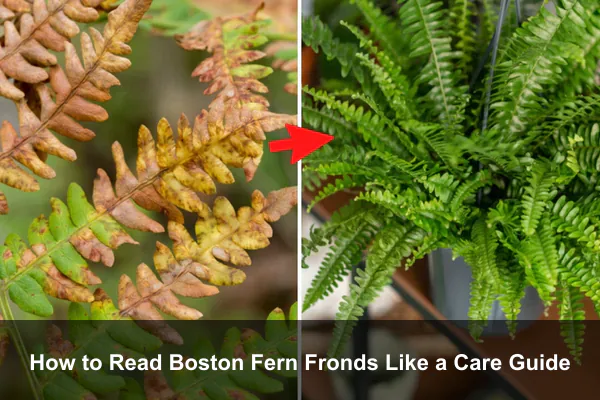
A unique strength of the Boston fern is that it shows stress through its foliage in clear ways. Instead of guessing, you can use the fronds as a practical care guide. This makes the plant less mysterious and helps prevent overcorrection, which is a common reason ferns decline indoors.
Crispy Tips and Dry Leaflets
Crispy tips usually mean the fronds are losing moisture faster than the roots can replace it. This may happen from underwatering, hot air, direct sun, or a pot that dries too quickly. Before watering heavily, check the soil with your finger. If the top layer is dry and the pot feels light, water thoroughly. If the soil is already wet, the problem may be hot airflow or root stress instead.
Avoid cutting every imperfect frond immediately. If only the tips are dry, trim lightly with clean scissors. Remove fully brown fronds at the base so the plant can direct energy toward new growth.
Yellowing Fronds
Yellow fronds can come from several causes, which is why context matters. Older fronds naturally yellow and die back over time. If the oldest outer fronds are affected while the center is producing fresh growth, this may be normal renewal. If many fronds yellow at once, check for overwatering, poor drainage, compacted soil, or sudden environmental change.
A Boston fern sitting in a decorative pot with no drainage may look fine for a short time, then decline as roots remain too wet. In that case, the fix is not more fertilizer. The plant needs better drainage, fresher potting mix, and a watering routine based on soil condition rather than calendar habit.
Leaflet Drop After Moving
Boston ferns often shed some leaflets after being moved from a nursery to a home. The plant may be adjusting to different light, airflow, watering, and temperature. This does not always mean failure. Keep care steady, remove fallen debris, and avoid moving the plant repeatedly while it adjusts.
The first two to four weeks are the acclimation period. During this time, observe more than you interfere. A stable location with bright indirect light is usually better than trying several spots in quick succession.
Weak or Sparse Growth
If new fronds are thin, pale, or sparse, the plant may need more indirect light or a modest feeding schedule during the growing season. Boston ferns do not need intense fertilizer. Too much can burn roots and worsen browning. A diluted balanced houseplant fertilizer used occasionally in active growth is usually enough.
Sparse growth can also mean the crown is crowded or the potting mix has broken down. If the fern has been in the same container for years, division or repotting may restore vigor.
Choosing and Acclimating a Healthy Boston Fern
A strong Boston fern starts with a smart purchase. Many people buy the fullest plant available, but size alone is not the best measure. A huge fern that has been stressed, overwatered, or kept in poor light may decline quickly after coming home. Look for balance: healthy color, flexible fronds, clean soil, and signs of active growth.
What to Check Before Buying
- Choose fronds that are green, flexible, and evenly distributed around the crown.
- Avoid plants with a sour smell, soggy soil, or standing water in the sleeve.
- Check the undersides of fronds for pests such as scale, mites, or small sticky areas.
- Look for new fronds emerging from the center, which indicates active growth.
- Avoid plants with large bare patches unless you are prepared for recovery care.
- Lift the pot if possible. A very light pot may be severely dry, while a heavy pot may be waterlogged.
The First Two Weeks at Home
Once the Boston fern is home, do not repot immediately unless there is a drainage or root problem. Give it time to adjust. Place it in bright indirect light, away from harsh afternoon sun, heating vents, and strong air-conditioning flow. Water when the top of the potting mix begins to feel slightly dry, then let excess water drain fully.
During acclimation, some shedding is normal. Keep the soil surface clean because fallen leaflets can trap moisture and invite fungal problems or pests. A tidy pot is not just aesthetic; it helps the plant stay healthy.
When to Repot
Repot only when the plant needs it. Signs include roots circling tightly, water running straight through a compacted root ball, soil that stays wet too long, or growth that stalls despite good light and watering. Choose a container only slightly larger than the current one. A pot that is too large can hold excess moisture around the roots.
A good potting mix for Boston fern should hold moisture but still drain. A standard quality indoor potting mix amended with perlite or fine bark can work well. The goal is not swampy soil. The goal is steady moisture plus oxygen around the roots.
Long-Term Care Without Making the Plant Fussy
Boston ferns have a reputation for being demanding, but much of that comes from inconsistent care. The plant prefers stability. Once you understand its rhythm, long-term care becomes a series of small, repeatable actions rather than constant rescue work.
Light
Bright indirect light is ideal. Near an east-facing window, a filtered south or west window, or a bright room away from direct rays can work. Too little light leads to weak growth and slow recovery. Too much direct sun can scorch fronds and dry the plant quickly.
If the fern is outdoors on a porch or balcony, give it shade or filtered morning light. Direct midday sun is usually too intense, especially in hot climates.
Watering
Water when the top layer of soil begins to dry, but before the entire root ball becomes bone dry. When watering, water thoroughly until excess drains from the bottom. Empty saucers after drainage so the roots do not sit in stagnant water.
Calendar watering is less reliable than soil checking. A fern may need more water in warm, bright months and less in cooler months. Pot size, soil mix, humidity, airflow, and room temperature all affect drying speed.
Feeding
Feed lightly during active growth, usually spring and summer. Use a diluted balanced houseplant fertilizer and avoid applying it to dry soil. Skip feeding when the plant is stressed, newly repotted, or growing slowly in winter. More fertilizer will not fix poor light or damaged roots.
Grooming
Regular grooming keeps a Boston fern attractive and healthy. Remove fully brown fronds at the base. Trim dry tips if needed. Rotate the pot every week or two so growth stays even. Clean fallen leaflets from the soil surface and surrounding area.
A simple weekly routine can be enough:
- Check soil moisture with your finger.
- Inspect fronds for yellowing, crisping, or pests.
- Remove dead fronds and fallen leaflets.
- Rotate the pot slightly for balanced light.
- Water thoroughly if the soil is ready.
Propagation, Division, and Low-Waste Plant Value
One of the most overlooked parts of Boston Fern plant benefits and information is long-term plant value. A mature fern can often be divided, refreshed, and shared. This makes it a good plant for low-waste indoor gardening because one healthy plant can become several plants over time.
Division Is Better Than Leaf Cuttings
Boston ferns are not propagated from single leaflets the way some plants can be propagated from stem cuttings. The most reliable home method is division. This means separating a crowded plant into smaller sections, each with roots and crown growth attached.
Division is best done when the plant is actively growing and strong, not when it is severely stressed. If a fern is declining from poor roots or pests, solve those problems first before dividing.
How to Divide a Boston Fern
- Water the plant lightly the day before division so the root ball is easier to handle.
- Remove the plant from the pot and gently loosen the outer roots.
- Identify natural clumps with both roots and fronds.
- Separate sections by hand or with a clean knife if the root mass is dense.
- Pot each section into fresh, well-draining mix.
- Water thoroughly and place the divisions in bright indirect light.
- Keep care stable while new growth appears.
Sharing and Refreshing the Plant
Division can prevent overcrowding, renew the original plant, and create gifts for friends or family. This is a practical benefit for people who enjoy sustainable home gardening. Instead of replacing a tired fern every year, you can learn to refresh it, divide it, and keep it productive for a much longer time.
This approach also gives the plant more meaning. A divided fern from a family home, office, or first apartment can carry a personal story. While Boston ferns are not usually grown for symbolic meaning in the same way as lucky bamboo or jade plants, they can still become meaningful through continuity and care.
Common Problems and Practical Fixes
Most Boston fern problems come from a few repeating causes: inconsistent watering, low light, dry air movement, poor drainage, or pests. The key is to diagnose before acting. Adding fertilizer, moving the plant, and watering more all at once can make the situation harder to read.
Brown Fronds
Brown fronds may be caused by dryness, old age, sun scorch, fertilizer burn, or root damage. Start by checking the soil and light exposure. If the plant is in direct sun, move it to filtered light. If the soil is extremely dry, rehydrate it gradually with thorough watering and full drainage. If the soil smells sour or remains wet for many days, inspect the roots and consider repotting.
Yellow Leaves and Limp Growth
Yellowing plus limp growth often points to water stress. Both overwatering and underwatering can cause wilting, so soil condition is the deciding clue. Wet, heavy soil suggests too much water or poor drainage. Dry, shrunken soil suggests underwatering. Adjust based on evidence, not appearance alone.
Pests
Boston ferns can attract pests such as spider mites, scale, and mealybugs, especially when stressed. Inspect the undersides of fronds and the dense crown. If pests are present, isolate the plant, remove heavily affected fronds, and treat with an appropriate houseplant-safe method such as insecticidal soap, following the product label.
Dense foliage makes early detection important. A quick weekly inspection is easier than treating a large infestation later.
Messy Leaf Drop
Leaflet drop is one of the main complaints about Boston ferns. Some mess is normal because the plant has many small leaflets. You can reduce it by keeping the plant evenly watered, away from harsh airflow, and well-groomed. Place hanging baskets where fallen leaflets are easy to clean rather than above fabric furniture or complicated surfaces.
Best Places to Use a Boston Fern Indoors
Boston ferns are flexible, but they are not suitable for every corner. The best placement gives the plant light, stable moisture, and room for fronds to arch naturally. A cramped shelf that crushes the fronds will make the plant look untidy and may reduce airflow.
Bathrooms and Kitchens
Bright bathrooms and kitchens can work well because they often have more moisture in the air than bedrooms or living rooms. The important word is bright. A windowless bathroom is usually not suitable unless a strong grow light is used. The plant still needs enough light to produce healthy fronds.
Living Rooms and Work Areas
In living rooms and workspaces, Boston ferns work best near bright windows with indirect light. A plant stand can lift the fern so fronds can fall naturally. In a workspace, the plant can bring softness to screens, desks, and storage furniture without needing flowers or scent.
Shaded Patios and Balconies
In warm seasons, Boston ferns can thrive outdoors in shade or filtered light. They are especially attractive in hanging baskets on covered porches. However, outdoor plants dry faster and may need more frequent watering. Bring them indoors or protect them when temperatures become too cold for healthy growth.
Realistic Expectations for New Plant Owners
A Boston fern is not the lowest-maintenance houseplant, but it is very manageable for someone willing to observe it. If you travel often, forget watering for long periods, or keep plants in very dark corners, a tougher plant may be easier. If you enjoy checking plants regularly and want lush foliage, the Boston fern can be rewarding.
What Success Looks Like
Success does not mean every frond remains perfect forever. Ferns naturally renew themselves. Some older fronds will yellow and die. Some tips may brown during seasonal changes. A successful Boston fern is one that continues producing fresh fronds, holds a mostly full shape, and recovers from minor stress with steady care.
What to Avoid
- Do not place the plant in harsh direct afternoon sun.
- Do not let the pot sit permanently in water.
- Do not allow the root ball to become repeatedly bone dry.
- Do not fertilize heavily to force growth.
- Do not ignore fallen leaflets and dead fronds around the crown.
- Do not move the plant every few days while it is adjusting.
When a Boston Fern Is Worth Choosing
Choose a Boston fern if you want a plant that feels lush, classic, and responsive. It is especially worth choosing when you have a bright indoor spot, a shaded porch, a pet-aware household, or a desire to build consistent plant-care habits. Its value is not only in decoration, but in the ongoing relationship between the plant and the person caring for it.
Conclusion
The Boston fern remains popular because it offers a rare mix of softness, structure, and everyday usefulness. It can make rooms feel calmer, add rich green texture, fit into hanging displays, and provide a pet-friendlier foliage option for many households. More importantly, it teaches plant owners how to observe. Its fronds reveal when the plant needs better watering, gentler light, cleaner grooming, or a more stable environment.
For anyone looking for reliable Boston Fern plant benefits and information, the best takeaway is simple: treat the plant as a living indicator, not just decoration. Give it bright indirect light, evenly moist but well-drained soil, light feeding, and regular grooming. In return, a healthy Boston fern can become a long-lasting part of the home, offering beauty, routine, and a steady reminder of the benefits plants bring into daily life.
