
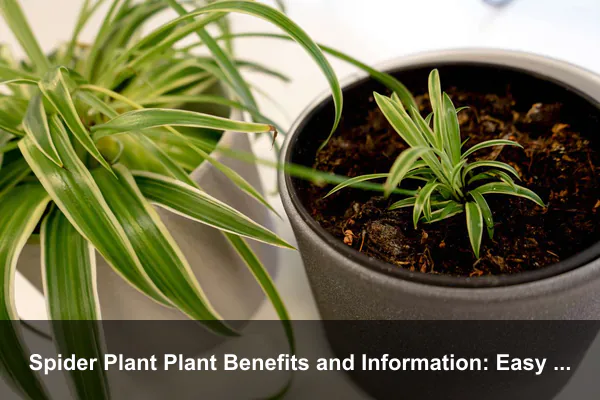
If you are looking for Spider Plant plant benefits and information, you are probably searching for a houseplant that is attractive, forgiving, and genuinely useful in everyday indoor life. The Spider Plant, known botanically as Chlorophytum comosum, is famous for its arching green-and-white leaves and small baby plantlets that hang from long stems like living decorations.
Unlike many dramatic houseplants that demand perfect humidity, filtered light, or careful watering schedules, the Spider Plant is practical. It fits apartments, family homes, work desks, hanging baskets, kitchens, and bright bedrooms. Its main value is not only beauty, but also resilience, simple propagation, pet-friendly reputation, and the calm feeling of caring for a plant that responds quickly to good treatment.
What Is a Spider Plant?
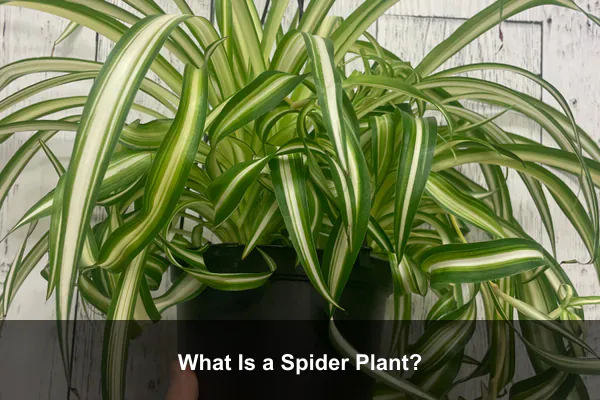
The Spider Plant is a clump-forming perennial native to tropical and southern Africa, now grown worldwide as one of the most popular indoor plants. It produces narrow, ribbon-like leaves that grow in a fountain shape. Mature plants often send out long stems with white flowers followed by small plantlets, often called spiderettes, pups, or baby Spider Plants.
Botanical Identity
The scientific name of the Spider Plant is Chlorophytum comosum. It belongs to the asparagus family, Asparagaceae. Although it is usually grown as an ornamental houseplant, it can also be grown outdoors in warm climates or shaded patios where temperatures remain mild.
Popular Spider Plant Varieties
Several varieties are common in homes and plant shops. Variegatum has green leaves with white edges, while Vittatum has a lighter center stripe. Bonnie is a curly Spider Plant with twisting leaves, making it ideal for shelves and smaller spaces. These varieties have similar care needs, so choosing one is mostly a matter of visual preference.
Key Spider Plant Benefits for Indoor Spaces
The benefits of the Spider Plant are best understood in practical terms. It is not a miracle plant, but it can improve the feel, function, and atmosphere of a room when used well.
Low-Stress Greenery for Beginners
One of the biggest Spider Plant benefits is its tolerance. It can handle occasional missed watering, average indoor temperatures, and different light conditions better than many decorative houseplants. This makes it useful for beginners, busy families, students, and anyone who wants greenery without a complicated care routine.
Natural Indoor Freshness
Spider Plants are often mentioned in discussions about air-cleaning houseplants. While no single plant can replace ventilation or a proper air purifier, healthy indoor plants can support a fresher environment by adding greenery, holding dust on leaf surfaces, and encouraging better room care habits. The visual presence of living plants can also make indoor areas feel softer and more breathable.
Easy Propagation and Sharing
Few houseplants are as generous as the Spider Plant. Once mature, it produces baby plants that can be rooted and grown into new pots. This creates a meaningful benefit: one plant can become many. It is a budget-friendly choice for decorating more rooms, sharing plants with friends, or teaching children how plants grow.
Pet-Friendly Reputation
The Spider Plant is widely considered a safer houseplant choice for homes with cats and dogs compared with many toxic ornamentals. However, pets may still chew leaves and experience mild stomach upset, so it is wise to place the plant out of reach if your pet is curious.
How to Care for a Spider Plant
Good Spider Plant care is simple, but consistency matters. The goal is to provide bright light, moderate watering, and a potting mix that does not stay soggy.
Light Requirements
Spider Plants grow best in bright, indirect light. A spot near an east-facing window or a few feet from a bright window is often ideal. They can tolerate lower light, but growth may slow and variegated leaves may lose some contrast. Avoid harsh afternoon sun, which can scorch the leaf tips.
Watering Tips
Water when the top layer of soil feels dry. In many homes, this means watering about once a week, but the exact timing depends on temperature, pot size, humidity, and season. Spider Plants dislike sitting in water, so always use a pot with drainage holes.
- Too dry: Leaves may look pale, folded, or limp.
- Too wet: Soil smells sour, leaves yellow, or roots begin to rot.
- Best habit: Check the soil before watering instead of following a strict calendar.
Soil and Potting
Use a light, well-draining potting mix. A standard indoor plant mix works well, especially if improved with perlite or coco chips for better airflow. Repot every one to two years, or when roots circle tightly around the pot. Spider Plants like being slightly snug, but overcrowded roots can reduce growth and water absorption.
Temperature and Humidity
Average household temperatures are usually suitable. Keep the plant away from cold drafts, direct air conditioning, and heating vents. Normal indoor humidity is acceptable, though occasional misting or grouping with other plants can help prevent dry leaf tips in very dry rooms.
Propagation: Turning Spiderettes into New Plants
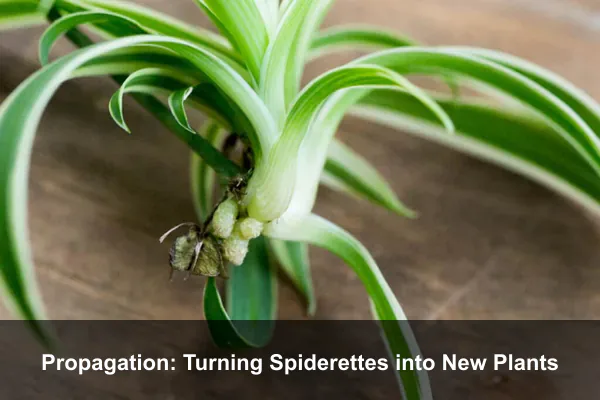
Propagation is one of the most enjoyable parts of growing Spider Plants. The baby plants already look like miniature versions of the parent, so the process feels simple and rewarding.
Simple Propagation Method
- Choose a spiderette with small root bumps or visible roots.
- Place it on top of moist potting mix while still attached to the parent plant, or cut it from the stem first.
- Press the base gently into the soil without burying the leaves.
- Keep the soil lightly moist, not wet.
- After roots develop, move the new plant to its own small pot.
You can also root spiderettes in water, but soil propagation often creates stronger roots for long-term growth. Use small pots at first, because oversized containers hold too much moisture around young roots.
Safety, Placement, and Common Problems
Spider Plants are easy, but a few common issues can appear. Most are simple to fix once you understand the cause.
Brown Leaf Tips
Brown tips are common and may come from dry air, inconsistent watering, excess fertilizer, or mineral buildup from tap water. Trim brown tips with clean scissors if they bother you visually. If the problem continues, try watering with filtered water and flushing the soil occasionally.
Yellow Leaves
Yellow leaves usually point to overwatering, poor drainage, or old lower leaves naturally fading. Check the roots if the soil stays wet for many days. Healthy roots should look firm and pale, not mushy or dark.
No Baby Plants
A Spider Plant may not produce plantlets if it is too young, kept in very low light, overfertilized, or grown in a pot that is too large. Bright indirect light and slight root snugness often encourage flowering and spiderette growth.
Styling Ideas for Small Homes and Workspaces
The Spider Plant is especially useful for compact interiors because its shape adds movement without taking up much floor space. It looks excellent in hanging baskets, wall planters, narrow shelves, and tall plant stands.
- For apartments: Hang it near a bright window to save surface space.
- For desks: Choose a small curly variety like Bonnie.
- For kitchens: Place it where it gets bright light but avoids stove heat.
- For family rooms: Use a higher shelf so plantlets can trail naturally.
- For gifts: Propagate baby plants into small pots for affordable, personal presents.
Its green-and-white leaves pair well with terracotta pots, white ceramic planters, woven baskets, and minimalist containers. Because the plant has a relaxed shape, it can soften modern interiors without looking messy.
Conclusion
The Spider Plant is a smart choice for anyone who wants an attractive indoor plant with real everyday advantages. Its benefits include beginner-friendly care, quick visual growth, easy propagation, flexible placement, and a safer reputation for pet households. It is decorative, but it is also practical.
For the best results, give your Spider Plant bright indirect light, water only when the soil begins to dry, use a draining potting mix, and trim tired leaves as needed. With simple care, one healthy Spider Plant can become a long-lasting part of your home and a source of new baby plants for years.
