
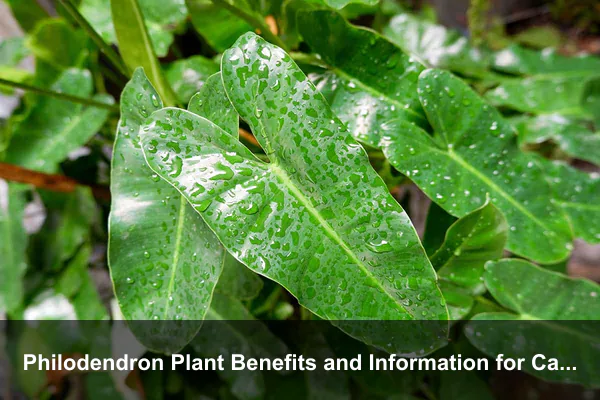
Philodendron plant benefits and information are often discussed in terms of easy care, lush foliage, and indoor beauty. A more specific and useful way to look at this houseplant is through how it changes the visual quality of modern rooms: video call corners, shelves, work desks, apartment walls, and small indoor spaces that need greenery without becoming visually busy.
Unlike flowering plants that depend on seasonal blooms, philodendrons offer steady leaf presence. Their heart-shaped, split, oval, or elongated foliage can create a soft green backdrop for daily life, from remote work to reading, cooking, studying, and hosting guests. This article takes a fresh angle on Philodendron plant benefits and information by focusing on camera-friendly styling, everyday indoor comfort, and practical care choices that help the plant look good for the long term.
Philodendron is not a miracle air purifier, and it should not be treated as a medical solution for indoor air quality. Its real value is more grounded: it can make rooms feel calmer, bring natural texture into compact spaces, support plant-care routines, and help homeowners learn how light, moisture, and leaf health connect. When chosen and placed well, a philodendron becomes more than decoration. It becomes a living part of the room’s daily rhythm.
Why Philodendron Works as a Camera-Friendly Indoor Plant
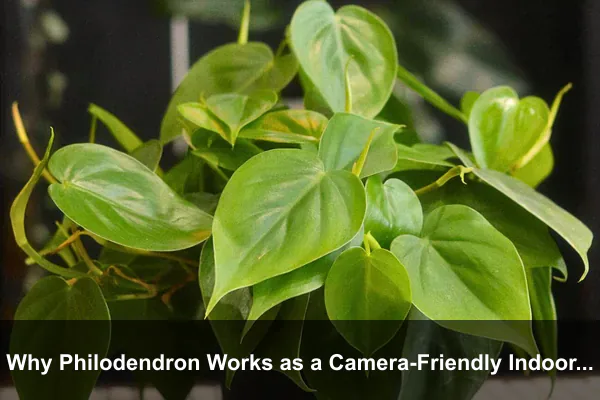
Many homes now need spaces that look presentable on screens. A bare wall can feel flat, while a crowded shelf can look distracting. Philodendron fits between those extremes. Its leaves bring color, depth, and a natural shape that softens the background without demanding constant attention.
Green texture without visual noise
Philodendron foliage is usually simple enough to look clean from a distance but detailed enough to feel alive up close. Heartleaf philodendron, Philodendron Brasil, Philodendron micans, and self-heading varieties can all work in different screen backgrounds. A trailing plant can add movement along a shelf, while an upright variety can frame one side of a desk or reading chair.
This is one of the most practical Philodendron plant benefits and information points for modern indoor living: the plant can improve the room’s visual balance. It adds organic lines to spaces filled with rectangles, such as laptops, monitors, shelves, frames, and cabinets.
Flexible size for different rooms
Philodendrons are available in compact pots, hanging baskets, climbing forms, and larger floor plants. That flexibility makes them useful for renters, homeowners, students, and office workers. A small plant can sit beside a monitor, while a mature climbing philodendron can become a leafy vertical feature. The key is matching growth habit to the room instead of buying only for leaf shape.
For a camera-facing corner, place the plant slightly behind or beside the main seating area rather than directly in front of the face. This keeps the person visible and lets the leaves work as background texture.
Main Philodendron Benefits for Everyday Indoor Living
The benefits of philodendron are best understood as practical, sensory, and behavioral. It is not just about what the plant does to a room, but what it helps people do in that room.
A softer atmosphere in hard-edged interiors
Modern rooms often include smooth flooring, painted walls, glass, electronics, and storage furniture. Philodendron leaves interrupt that hardness with a living surface. Their varied greens, gentle curves, and layered growth can make a room feel less sterile without requiring major design changes.
This benefit is especially useful in apartments and compact homes where repainting walls, changing furniture, or adding large decor pieces may not be practical. A healthy philodendron gives visual warmth without taking over the space.
Support for simple wellness routines
Caring for a philodendron can become a small habit that brings attention back to the room. Checking soil moisture, rotating the pot, wiping leaves, or noticing a new leaf can offer a short pause during a busy day. The plant does not need complicated care, but it rewards observation.
In the context of manfaat tanaman, or plant benefits, this matters because indoor greenery often helps people build gentler daily routines. The benefit is not mystical. It comes from repeated attention, small responsibility, and the satisfaction of watching living growth respond to better care.
Long-lasting foliage value
Some decorative items lose appeal when trends change. Philodendron has lasting value because its beauty is based on growth and adaptation. A plant can be pruned, trained, refreshed, propagated, or moved to a better location as the home changes.
That long-term usefulness makes philodendron a sensible choice for people who want indoor greenery with a strong return on care. It can grow with the room instead of being treated as a short-term decoration.
Key Philodendron Information Before You Buy
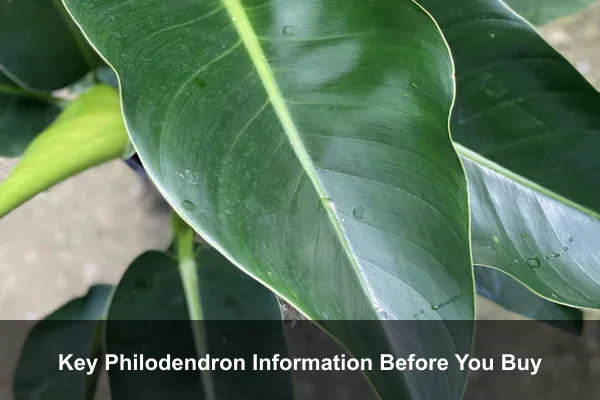
Good buying choices begin with basic philodendron information. The name Philodendron covers many species, hybrids, and cultivars, so care needs can vary. Still, most indoor philodendrons share several important traits: they prefer bright indirect light, breathable potting mix, moderate watering, and protection from harsh direct sun.
Climbing, trailing, and self-heading types
Philodendrons are often grouped by growth habit. Understanding this helps you choose a plant that fits your room and maintenance style.
- Trailing philodendrons such as heartleaf types are useful for shelves, wall brackets, and hanging planters.
- Climbing philodendrons often need a moss pole, plank, trellis, or other support to show their best leaf development.
- Self-heading philodendrons grow more upright and compact, making them suitable for tabletops, corners, and statement pots.
If the goal is a camera-friendly backdrop, trailing and climbing forms are especially useful because they can shape the background over time. If the goal is a neat accent plant, a self-heading type may be easier to manage.
Leaf appearance and realistic expectations
Philodendron leaves may change as the plant matures. Some young plants have small, simple leaves, while older plants develop larger or more dramatic forms. Variegated philodendrons may also change color balance depending on light, genetics, and growth conditions.
Buy based on the whole plant, not only one perfect leaf. Look for firm stems, healthy new growth, evenly moist but not soggy soil, and leaves free from sticky residue or obvious pest damage. A plant with a few older imperfect leaves can still be healthy, but mushy stems, sour-smelling soil, or widespread yellowing are warning signs.
Safety around children and pets
Philodendrons contain calcium oxalate crystals, which can irritate the mouth, throat, and digestive system if chewed or swallowed. For homes with pets or young children, placement is part of responsible care. Use high shelves, hanging planters, plant stands, or rooms where access can be controlled.
This safety point should be included in any complete Philodendron plant benefits and information guide. A plant can be beautiful and useful while still needing thoughtful placement.
How to Style Philodendron for Screens, Shelves, and Small Rooms
Styling philodendron well is not about filling every empty spot with leaves. It is about using the plant where its form solves a visual problem. In a small room, that may mean lifting greenery off the floor. In a work corner, it may mean placing leaves where they soften a screen background. In a living room, it may mean pairing foliage with books, ceramics, or natural wood.
For video calls and work corners
Place a philodendron where it appears slightly off-center in the background. This creates a natural frame without competing with the person on camera. Avoid placing a very busy variegated plant directly behind the head if the background already includes shelves, posters, or patterned fabric.
- Choose a plant with a clear silhouette from a distance.
- Place it near indirect light so leaves stay full and well-colored.
- Keep the pot or support tidy, since containers are often visible on camera.
- Trim overly long vines that cross the face area in the video frame.
A heartleaf philodendron on a side shelf or a climbing philodendron beside a desk can make a work area feel intentional without looking staged.
For shelves and cabinets
Trailing philodendrons work well on shelves because their vines break the rigid line of furniture. Let the plant trail from one side instead of covering the entire shelf. This keeps books, storage boxes, or decor visible and prevents the area from becoming cluttered.
For closed cabinets or media units, check that the plant receives enough light. Leaves that stretch far apart, turn pale, or lean strongly toward the window are signs that the plant wants a brighter position.
For compact rooms and apartments
Small spaces benefit from vertical thinking. Use wall hooks, tall stands, narrow plant shelves, or support poles to bring the foliage upward. This keeps floors clear and helps the room feel greener without reducing usable space.
Avoid oversized pots for small plants. A pot that is too large holds excess moisture and can make root problems more likely. Visually, it can also make the plant look unfinished. Choose a container that supports healthy roots and matches the scale of the foliage.
Simple Philodendron Care for Healthy, Good-Looking Leaves
A camera-friendly philodendron depends on healthy leaves. The care routine does not need to be complicated, but it should be consistent. Most problems come from extremes: too much water, too little light, harsh sun, compacted soil, or neglecting pests until they spread.
Light
Philodendrons usually prefer bright, indirect light. A position near an east-facing window, a filtered south or west window, or a bright room with no harsh midday sun often works well. Low light may keep the plant alive, but growth can become thin and slow. Direct sun can scorch sensitive leaves, especially on thinner-leaved varieties.
Water
Water when the top layer of soil begins to dry, then let extra water drain away. Do not let the pot sit in standing water. Philodendrons like moisture, but they also need oxygen around the roots. Soggy soil is one of the fastest ways to damage the plant.
Soil and potting
A breathable mix is better than dense garden soil. Many indoor growers use a mix that includes potting soil, orchid bark, perlite, coco chips, or similar chunky material. The goal is to hold enough moisture for growth while allowing drainage and airflow.
Repot only when needed. Signs include roots circling heavily, water running straight through without moistening the mix, stalled growth during the growing season, or a plant that dries out too quickly after watering.
Leaf cleaning
Dusty leaves look dull and can reduce the plant’s ability to use available light. Wipe leaves gently with a damp cloth. Support each leaf with one hand while cleaning with the other to avoid tearing. This small habit keeps the plant attractive in screen backgrounds and helps you inspect for pests.
Feeding
During active growth, use a balanced houseplant fertilizer at a gentle rate. More fertilizer does not mean better growth. Overfeeding can damage roots and cause mineral buildup. In cooler or darker months, reduce feeding because the plant is usually growing more slowly.
Common Philodendron Problems and What They Mean
Philodendron leaves often show care problems before the whole plant declines. Learning these signals helps you adjust early.
- Yellow leaves: Often linked to overwatering, old leaves aging naturally, poor drainage, or sudden changes in light.
- Brown crispy edges: May point to underwatering, very dry air, fertilizer buildup, or inconsistent watering.
- Long gaps between leaves: Usually a sign that the plant wants brighter indirect light.
- Soft stems or sour soil smell: Possible root stress from soggy potting mix.
- Sticky leaves or fine webbing: Check for common pests such as scale, aphids, mealybugs, or spider mites.
- Faded variegation: The plant may need brighter indirect light, though genetics also influence color patterns.
Respond with small corrections rather than dramatic changes. Move a plant gradually to brighter light, adjust watering after checking soil moisture, and isolate pest-affected plants while treating them. Sudden overcorrection can create new stress.
Low-Waste Ways to Keep Philodendron Useful for Years
One of the strongest long-term benefits of philodendron is that it can be maintained and renewed instead of replaced. This supports a lower-waste approach to indoor greenery.
Prune for shape, not just size
Pruning helps a trailing philodendron stay full and attractive. Cut just above a node, where new roots or shoots can form. This encourages branching and prevents a plant from becoming a few long, bare vines. Clean tools before cutting to reduce the chance of spreading disease.
Propagate with purpose
Healthy stem cuttings can often be rooted in water or a light potting mix, depending on the type. Propagation is useful for filling out the mother plant, replacing damaged growth, or sharing plants responsibly. Avoid taking cuttings from weak or pest-infested plants.
For beginners, propagation also teaches how nodes, roots, and leaves work together. That learning value is a quiet but meaningful part of Philodendron plant benefits and information, especially for families, students, and anyone new to houseplants.
Reuse supports and containers thoughtfully
Instead of buying new accessories every season, choose supports and pots that can adapt as the plant grows. A simple stake, moss pole, trellis, or wall-friendly support can extend the plant’s usefulness. Reusing containers after cleaning them properly also reduces waste and keeps plant care practical.
Best Places to Put Philodendron at Home
The best location depends on light, access, safety, and the way the room is used. A philodendron should look good, but it also needs to be easy to water, inspect, and rotate.
Living room
Use larger or trailing philodendrons to soften shelving, media walls, or empty corners. Keep them away from heating vents, air conditioner blasts, and direct afternoon sun through glass.
Home office
A compact philodendron near the desk can add greenery without taking up much space. For a video call background, place the plant behind the desk but to one side. Keep the foliage tidy so it looks intentional on screen.
Bedroom
Philodendron can work in bedrooms with suitable light, but avoid overwatering in cooler, low-airflow rooms. If pets sleep in the room, use a secure location out of reach.
Kitchen or dining area
A bright kitchen shelf can support a smaller philodendron, but keep leaves away from heat, grease, and food preparation surfaces. Wipe leaves more often if the plant is near cooking areas.
Choosing the Right Philodendron for Your Goal
Choose the plant based on your room goal, not only social media appeal. A plant that matches the space will be easier to keep healthy and attractive.
- For easy trailing greenery: Heartleaf philodendron is a classic choice with forgiving care needs.
- For warm, velvety texture: Philodendron micans offers soft-looking leaves and rich color in good light.
- For brighter shelf color: Philodendron Brasil can add green and yellow variegation without needing flowers.
- For a bolder corner: Larger upright or climbing types can create stronger visual structure.
- For beginners: Start with a common, affordable variety before investing in rare or highly variegated plants.
Rare philodendrons can be beautiful, but they are not automatically better for everyday homes. For most people, the best plant is healthy, fairly priced, legally and responsibly sourced, and suited to the available light.
Conclusion
Philodendron plant benefits and information are most useful when they connect beauty with real home life. Philodendron can make a room feel greener, soften screen-heavy spaces, improve the look of video call backgrounds, and support simple plant-care routines. Its foliage offers long-lasting value because it can be trained, pruned, refreshed, and adapted as the home changes.
The best results come from realistic expectations. Philodendron is not a substitute for ventilation, cleaning, or safe indoor air practices, but it is a valuable houseplant for visual comfort, everyday observation, and flexible indoor styling. Choose the right growth habit, place it in bright indirect light, water with restraint, keep it away from pets and children who may chew it, and use its leaves as a living design element. With thoughtful care, philodendron becomes a practical, beautiful, and enduring part of indoor greenery.
