
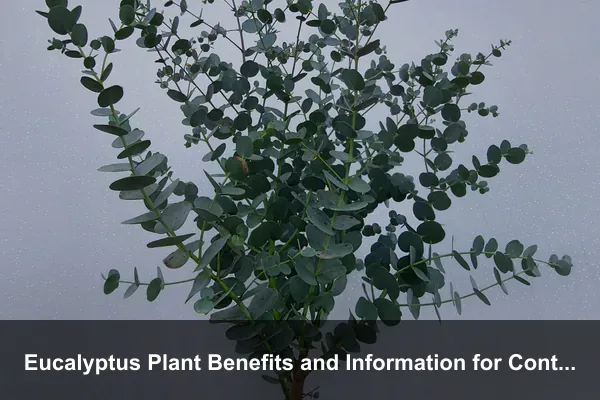
Eucalyptus plant benefits and information are often discussed as if every eucalyptus must become a huge landscape tree. That is only part of the story. For many home gardeners, the more useful angle is learning how eucalyptus can work as a managed container plant, clipped patio accent, seasonal foliage source, or small-yard screen without creating a long-term space problem.
This guide focuses on practical manfaat tanaman: what the plant can realistically do for a home, how to keep its growth under control, when a container is smarter than planting in the ground, and how to enjoy its aromatic leaves safely. Eucalyptus is beautiful and useful, but it rewards gardeners who plan for size, sun, wind, roots, and responsible harvesting from the beginning.
Why Eucalyptus Belongs In A Space-Smart Plant Plan
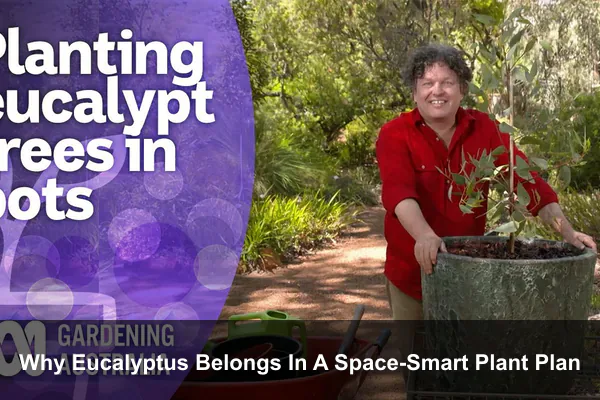
Eucalyptus is a broad group of trees and shrubs best known for blue-green juvenile leaves, aromatic foliage, peeling bark, and fast growth. In the right climate, some species can become towering trees. In a small garden, that strength can become a problem unless the plant is chosen and managed carefully. A container or raised planter changes the conversation by giving the grower more control over root space, height, soil drainage, and placement.
For small yards, patios, and sunny balconies, eucalyptus is most useful when treated as a structured foliage plant rather than a permanent giant tree. It can provide vertical rhythm, soft silver color, and a clean herbal scent near seating areas. It can also be pruned for juvenile stems that look attractive in fresh arrangements. The key is to match the plant to the space instead of hoping pruning will solve every future issue.
What Makes Eucalyptus Different From Common Patio Plants
Unlike many herbs and ornamental shrubs, eucalyptus often grows with strong apical dominance. That means it naturally wants to push upward and outward. It also prefers bright sun, excellent drainage, and good air movement. These traits make it different from shade-loving houseplants and tender indoor foliage. Most eucalyptus plants are better outdoors for most of the year, even when they are grown in pots.
When Eucalyptus Is Not A Good Fit
Eucalyptus is not ideal for every home. Avoid planting a large-growing species in the ground close to walls, drains, septic systems, tiny courtyards, or narrow property lines. It is also not the best choice for people who are highly sensitive to fragrance, homes with pets that chew plants, or gardeners who want a plant that can sit in dim indoor corners. Choosing another aromatic plant may be wiser if the space cannot provide sun, airflow, and safe placement.
Realistic Benefits Of A Managed Eucalyptus Plant
The most reliable eucalyptus benefits are visual, sensory, structural, and practical. It is tempting to frame eucalyptus as a cure-all plant, but a more accurate view is better for readers and safer for home use. The plant can improve a garden experience without needing exaggerated health claims.
Evergreen Texture And Silver Foliage
Many young eucalyptus plants have rounded or oval juvenile leaves with a powdery blue, gray, or silver tone. This color is valuable in garden design because it breaks up heavy green planting and pairs well with herbs, grasses, white flowers, terracotta pots, and dark modern containers. A clipped eucalyptus can act as a calm vertical accent on a patio without needing bright flowers to feel ornamental.
Aromatic Leaves For Sensory Gardening
When leaves are brushed, pruned, or gently crushed, they release a sharp, fresh aroma. This makes eucalyptus useful in sensory gardens, outdoor sitting areas, and cut foliage projects. The scent can feel refreshing, but it should be treated with respect. Strong aroma is not automatically better. Good placement allows people to enjoy the plant without forcing fragrance into every corner of the home.
Privacy, Wind Softening, And Outdoor Comfort
In containers, eucalyptus can help soften a hard patio edge or screen a view without becoming a permanent hedge. A row of large pots can create seasonal privacy near a sunny seating area. Because containers remain movable, gardeners can shift plants away from storms, intense reflected heat, or areas where branches block paths.
Low-Waste Foliage Harvests
A well-pruned plant can provide small amounts of foliage for vases, wreaths, drawer sachets, or simple dried bundles. This is one of the most practical benefits for home gardeners because it turns routine pruning into useful material. Harvesting should be moderate: take clean stems, avoid stripping the plant, and never use leaves or oil as food or medicine unless guided by a qualified professional.
Choosing The Right Eucalyptus For Containers
The biggest mistake is buying eucalyptus only because the leaves look pretty at the nursery. For container growing, mature size, growth habit, cold tolerance, and pruning response matter more than a perfect young plant shape. Read the plant label carefully and look for species or cultivars commonly grown for foliage production, patio culture, or cooler climates.
Container-Friendly Types To Research
Availability depends on region, but gardeners often encounter species such as Eucalyptus gunnii, Eucalyptus cinerea, and Eucalyptus pulverulenta in ornamental trade. These are valued for decorative juvenile leaves, though they still need management. A plant sold as a small seedling may have the genetics of a much larger tree, so container culture and pruning are control methods, not magic size guarantees.
Questions To Ask Before Buying
- How tall can this species become in the ground? If the answer is very tall, keep it in a container or choose a different plant.
- Is it hardy in my winter climate? Cold injury can cause dieback, especially in pots where roots are more exposed.
- Will local rules allow it? Some regions monitor eucalyptus because of water use, fire behavior, or invasive potential.
- Was the plant grown for foliage or forestry? Foliage types are usually easier to manage for ornamental use.
- Can I give it full sun? Weak light leads to stretched stems and poor leaf quality.
Seedlings Versus Established Plants
A small plant adapts more easily to container life than a tall, root-bound specimen. Look for flexible stems, evenly colored leaves, firm roots, and no sour smell from the potting mix. Avoid plants with circling woody roots already pressing hard against the pot wall. A cheap but stressed plant often becomes more expensive in time, soil, and recovery effort.
How To Care For Eucalyptus In Pots
Container care should imitate what eucalyptus likes in nature: sunlight, drainage, and room for air around the leaves. At the same time, the pot must limit excess growth without stressing the plant so severely that it drops leaves or dries out every afternoon.
Light And Placement
Give eucalyptus at least six hours of direct sun when possible. Morning sun with some afternoon protection can work in very hot climates, especially on balconies with reflected heat. Avoid dark indoor rooms. If you overwinter a potted plant indoors in a cold climate, place it in the brightest cool spot available and move it back outside gradually when weather warms.
Pot Size And Drainage
Choose a heavy container with drainage holes. Lightweight pots can tip over because eucalyptus stems catch wind. A deep pot is usually better than a shallow bowl because it supports a stronger root system. Use a free-draining potting mix, not dense garden soil. Adding coarse material can help structure, but the whole mix still needs to hold enough moisture that roots do not dry out completely.
Watering Rhythm
Newly potted eucalyptus needs consistent moisture while roots establish. After that, water deeply when the upper layer of mix begins to dry. Do not keep the pot constantly soggy. Wet roots in a poorly drained container can decline quickly. In summer, a sunny pot may need frequent watering; in cooler months, it may need much less. Let the plant, pot weight, and soil surface guide the schedule.
Feeding Without Forcing Weak Growth
Eucalyptus is not a heavy feeder in the same way as many flowering annuals. A modest slow-release fertilizer in the growing season is usually enough for container plants. Too much nitrogen can push soft, lanky growth that is harder to manage and more likely to bend. The goal is steady foliage, not explosive size.
Pruning For Shape And Juvenile Leaves
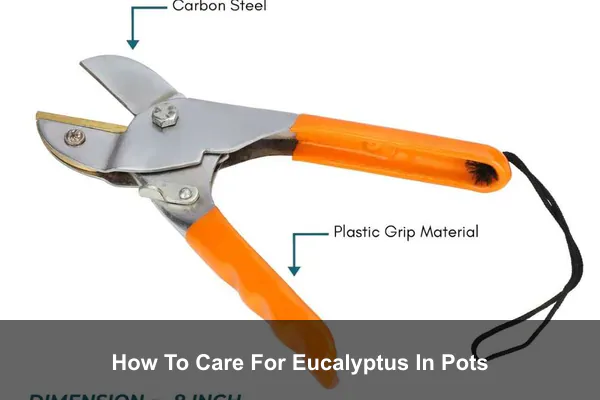
Pruning is what keeps a container eucalyptus useful in a small space. Pinch or cut back long leaders to encourage branching. Remove crossing, weak, or damaged stems. If your goal is decorative juvenile foliage, regular light pruning may help maintain younger growth, depending on species. Use clean secateurs and avoid removing more than the plant can recover from during active growth.
- Start shaping early, while stems are still flexible.
- Cut just above a healthy leaf node or side shoot.
- Step back often so the plant stays balanced from all sides.
- Harvest small bundles rather than stripping one side bare.
- Pause heavy pruning before stressful heat, drought, or winter cold.
Safe Ways To Enjoy Eucalyptus Aroma At Home
Eucalyptus leaves and essential oil are not the same thing. Fresh or dried leaves release aroma slowly, while concentrated essential oil is much stronger. This difference matters for safety. A plant on a patio can be pleasant; a bottle of oil used carelessly can be risky, especially around children, pets, pregnant people, and anyone with asthma or fragrance sensitivity.
Fresh Leaves And Dried Bundles
For simple home use, cut stems can be placed in a vase without water for drying or used fresh in arrangements. Keep bundles out of reach of pets and small children. Do not place leaves where they can drop into food, drinks, baths, or pet bowls. If the scent feels overwhelming, move the stems outdoors or compost them.
Shower Steam Caution
Many people hang eucalyptus in the shower because warm steam releases scent. If you do this, keep the bundle away from direct water and avoid skin contact with concentrated leaf residue. Stop using it if the aroma causes coughing, headache, eye irritation, or breathing discomfort. A bathroom with poor ventilation is not the best place for strong aromatic plant material.
Essential Oil Boundaries
Do not ingest eucalyptus essential oil. Do not apply it undiluted to skin. Do not diffuse it in closed rooms with pets, babies, or people who react to strong scents. If your goal is simply to enjoy the plant, fresh foliage is usually a gentler and more garden-centered choice than concentrated oil.
Common Problems And Practical Fixes
Eucalyptus problems usually come from a mismatch between the plant and its conditions. Because the plant can grow fast, small issues also become visible quickly. Regular observation helps you correct problems before the plant becomes stressed or oversized.
Leggy Growth
Long, weak stems usually mean too little light or too much soft growth. Move the plant to brighter sun and prune lightly to encourage branching. Avoid heavy feeding until growth becomes sturdier.
Crispy Leaf Edges
Crispy edges can come from underwatering, hot wind, root crowding, or sudden environmental change. Check pot moisture before assuming the plant needs more water every day. If the root ball dries too fast, move to a slightly larger container or improve the watering routine.
Leaf Drop After Moving
Eucalyptus may shed leaves after a sharp change in light, temperature, or humidity. Acclimate gradually when moving it between indoor and outdoor conditions. Remove dropped leaves from the soil surface so they do not trap moisture against the stem.
Root Crowding
A container plant that dries out too quickly, slows growth, or pushes roots through drainage holes may be root-bound. Repot one size larger in the growing season, or root-prune carefully if you need to keep the plant in the same container. Severe root pruning is stressful, so combine it with top pruning and aftercare.
Seasonal Checklist For Small-Space Eucalyptus
A simple seasonal rhythm keeps eucalyptus attractive and prevents the plant from becoming a surprise maintenance burden. Adjust the timing for your climate, but keep the same basic logic: encourage healthy growth in the active season, reduce stress in extreme weather, and inspect structure before problems build.
Spring
- Refresh the top layer of potting mix.
- Check roots and repot if the container is crowded.
- Begin light pruning once new growth is active.
- Move overwintered plants outside gradually.
Summer
- Water deeply during hot, dry spells.
- Rotate pots so growth stays even.
- Harvest small foliage bundles in the morning.
- Watch for wind scorch on exposed balconies.
Autumn And Winter
- Reduce feeding as growth slows.
- Protect pots from freezing root conditions in cold regions.
- Remove weak or damaged stems before storms.
- Keep indoor overwintering cool, bright, and well ventilated.
Conclusion
Eucalyptus can offer beauty, fragrance, structure, and useful foliage, but the best results come from realistic planning. For small yards and patios, the smartest approach is often container growing, early pruning, and moderate harvesting rather than planting a fast-growing tree where space is limited.
When understood this way, eucalyptus plant benefits and information become more practical and safer for everyday gardeners. Choose the right type, give it sun and drainage, respect its aroma, and manage its size from the start. A well-kept eucalyptus can be more than a pretty scented plant; it can be a space-conscious feature that supports a more thoughtful, useful, and enjoyable garden.
