
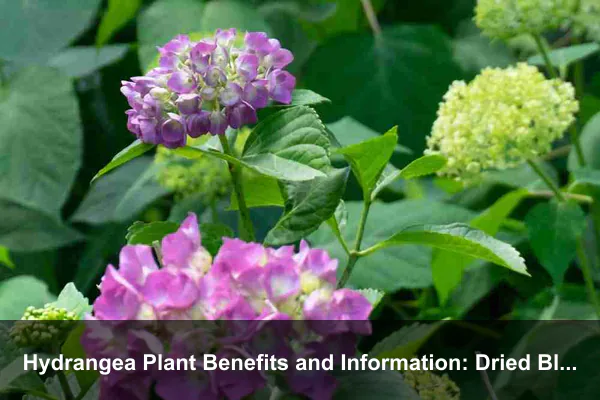
Hydrangeas are often admired for their generous flower heads, soft garden presence, and memorable seasonal color, but their value does not end when the fresh bloom season fades. A well-grown hydrangea can support a beautiful outdoor space, provide long-lasting stems for natural home decor, and help gardeners practice a more thoughtful approach to ornamental planting. This guide to Hydrangea plant benefits and information focuses on a unique angle: how hydrangeas can become a low-waste flowering shrub for both the garden and the home.
Instead of treating hydrangea flowers as temporary color, gardeners can view them as a reusable ornamental resource. Many types dry beautifully, hold their shape for months, and bring texture to wreaths, arrangements, mantel displays, table styling, and seasonal crafts. With the right care, harvesting time, and safety awareness, hydrangeas offer benefits that are practical, decorative, and sustainable without relying on exaggerated wellness claims.
What Makes Hydrangea Useful Beyond Summer Color
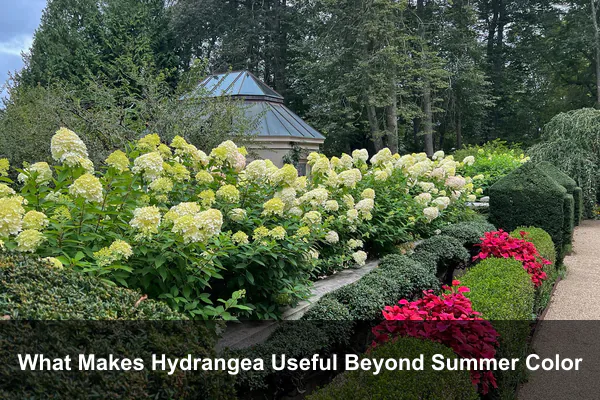
The hydrangea is a woody flowering shrub known for large clusters of flowers, broad leaves, and a growth habit that ranges from compact mounds to tall landscape shrubs. Depending on the species and cultivar, hydrangeas can bloom in rounded mophead clusters, flatter lacecap forms, cone-shaped panicles, or soft globe-like heads. This diversity makes them useful in many garden styles, from cottage borders to structured foundation planting.
In a plant benefits context, the hydrangea stands out because it gives value in layers. It can beautify a garden during the growing season, create visual structure after many spring flowers have finished, and supply dried flower material after the blooms mature. This extended usefulness makes it different from plants that offer only a short burst of color.
Botanical Snapshot
Hydrangeas belong to the genus Hydrangea. Popular garden types include bigleaf hydrangea, panicle hydrangea, smooth hydrangea, oakleaf hydrangea, and mountain hydrangea. Each has its own growth pattern, pruning needs, and climate preference. Some bloom on old wood, some on new wood, and some modern varieties bloom on both. Understanding this basic information is important because the wrong pruning time can remove next season’s flowers.
A More Practical Definition of Benefits
When discussing Hydrangea plant benefits and information, it is helpful to focus on realistic benefits. Hydrangeas do not need to be presented as miracle plants. Their strongest value is ornamental, educational, seasonal, and practical. They help gardeners learn about soil moisture, pruning timing, plant maturity, bloom development, and sustainable flower use. They also give homeowners a way to decorate with real plant material instead of single-use plastic decor.
Key Benefits of Hydrangeas for Gardens and Homes
Hydrangeas are popular because they combine softness with substance. A mature shrub can fill a border, frame a walkway, or soften the edge of a building. The flowers are showy without needing complicated styling, and the plant can become a reliable seasonal feature when placed in the right conditions.
- Long ornamental season: Many hydrangeas bloom for weeks, and the flower heads often remain attractive as they age.
- Useful dried flowers: Mature blooms can be harvested and dried for arrangements, wreaths, and natural displays.
- Garden structure: Shrubby growth adds fullness to beds, corners, and foundation plantings.
- Learning value: Hydrangeas teach gardeners about pruning, watering, soil response, and plant timing.
- Low-waste decor potential: Dried stems can replace disposable seasonal decorations.
Long Display Value
One of the strongest hydrangea benefits is the way the flowers change gradually instead of disappearing quickly. Fresh blooms may begin in white, blue, pink, green, or cream tones, then shift into antique shades as they mature. This slow transformation gives the garden a layered look. Even when the peak color softens, the flower heads can remain attractive and useful.
Home Decor Without Artificial Materials
Dried hydrangea flowers are useful for people who enjoy natural interiors. A single dried stem can add shape to a vase, while several stems can fill a basket or large ceramic pot. They work well in simple, calm spaces because the flowers provide texture without requiring bright color. This makes hydrangeas especially valuable for seasonal decorating that feels organic and less wasteful.
Emotional and Sensory Value
Hydrangeas can support a more pleasant outdoor routine. Their large blooms invite observation, and their changing color encourages gardeners to slow down and notice details. This is not a medical claim; it is a practical gardening benefit. Caring for a flowering shrub can create a gentle rhythm of watering, checking leaves, watching buds, and harvesting stems at the right time.
Choosing Hydrangeas for Dried Blooms and Lasting Displays
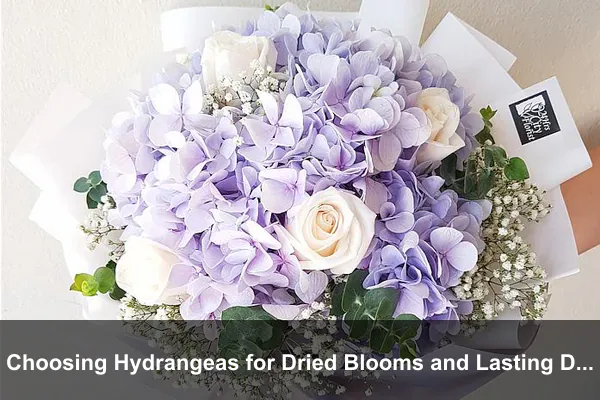
If your goal is to enjoy both fresh garden beauty and dried flowers, variety selection matters. Not every hydrangea dries equally well, and not every type performs in the same climate. Choosing the right plant at the beginning saves frustration later.
Bigleaf Hydrangeas
Bigleaf hydrangeas, often called mophead or lacecap hydrangeas, are famous for large rounded blooms and color changes linked to soil chemistry in some varieties. They can dry beautifully when harvested at the mature stage. The key is patience. Fresh, soft blooms usually wilt when cut too early. Wait until the petals feel slightly papery and the color has begun to age.
Panicle Hydrangeas
Panicle hydrangeas are excellent choices for gardeners who want strong stems and reliable drying. Their cone-shaped flower clusters often begin white or lime-toned, then mature into blush, rose, tan, or greenish shades. Many panicle types bloom on new wood, which can make pruning more straightforward for beginners. They also tolerate more sun than many bigleaf hydrangeas when moisture is adequate.
Smooth Hydrangeas
Smooth hydrangeas are valued for rounded flower heads and adaptable growth. Some classic white forms dry into soft green, cream, or beige tones. They can be useful for relaxed arrangements, especially when harvested after the blooms firm up. Because many smooth hydrangeas bloom on new wood, they are often easier to manage in colder climates.
Oakleaf Hydrangeas
Oakleaf hydrangeas bring another layer of value through their foliage. Their lobed leaves can turn attractive shades in autumn, and their panicle flowers age with character. They are especially useful for gardeners who want a shrub with multiple seasons of interest. Dried oakleaf hydrangea flowers tend to have a natural woodland look rather than a polished florist style.
Care Information That Supports Better Blooms
Good hydrangea care begins with matching the plant to the place. Hydrangeas are not difficult when their basic needs are respected, but they can struggle when planted in harsh sun, dry soil, compacted ground, or poor drainage. Healthy shrubs produce stronger stems, better flower heads, and more useful material for drying.
Light Requirements
Most hydrangeas appreciate morning sun and afternoon shade, especially in hot climates. Too much intense afternoon sun can scorch leaves and cause flowers to fade quickly. Too little light can reduce blooming. Panicle hydrangeas often handle more sun than bigleaf types, while oakleaf hydrangeas can perform well in bright woodland edges.
A practical way to choose a site is to observe the garden for one full day. Notice where the morning light falls, where heat builds in the afternoon, and where soil stays moist without becoming soggy. Hydrangeas usually look best where they receive enough light to bloom but enough protection to avoid stress.
Water and Moisture
The name hydrangea hints at the plant’s relationship with water. These shrubs prefer consistent moisture, especially during establishment and bloom development. This does not mean they should sit in waterlogged soil. The goal is even moisture with good drainage. Mulch helps protect roots, reduce evaporation, and keep the soil temperature more stable.
- Water deeply rather than sprinkling lightly every day.
- Check the soil before watering; the surface can look dry while deeper soil remains moist.
- Mulch with composted bark, leaf mold, or another organic material.
- Avoid frequent overhead watering, which can encourage leaf disease in humid conditions.
Soil and Feeding
Hydrangeas grow best in soil that holds moisture while still draining well. Organic matter improves both conditions. Compost can help sandy soil retain moisture and help heavy soil become more workable. A balanced, slow-release fertilizer may be useful in spring, but overfeeding can push leafy growth at the expense of flowers.
For bigleaf hydrangeas, soil pH can influence bloom color in certain cultivars. Acidic soil with available aluminum may support blue tones, while less acidic soil may support pink tones. However, not every hydrangea changes color, and white hydrangeas usually stay white. Color adjustment should be handled gradually and carefully, not as a quick chemical trick.
Pruning Basics
Pruning is one of the most important pieces of Hydrangea plant benefits and information because it directly affects flowering. Some hydrangeas bloom on old wood, meaning their flower buds form on stems from the previous season. Others bloom on new wood, meaning flowers form on current season growth. Pruning at the wrong time can remove buds.
- Identify the hydrangea type before pruning.
- Remove dead, damaged, or crossing stems first.
- Prune old-wood bloomers after flowering if shaping is needed.
- Prune new-wood bloomers in late winter or early spring, depending on local climate.
- Avoid heavy pruning when the plant is young unless it is necessary for health.
How to Harvest and Dry Hydrangea Flowers
The best dried hydrangeas come from flowers that are mature but not falling apart. Many beginners cut them too early because the fresh blooms look perfect. Unfortunately, fresh hydrangea flowers contain too much moisture and often collapse during drying. The better approach is to wait until the flower head begins to feel papery, the color softens, and the stem becomes firmer.
Signs a Bloom Is Ready
A ready-to-dry hydrangea bloom usually feels thicker and less delicate than a newly opened flower. The color may have shifted from bright to antique, green, dusty pink, cream, or muted blue. The small flower parts should not feel wet or tender. If a bloom still looks extremely fresh, leave it on the shrub longer.
- The petals or sepals feel slightly dry to the touch.
- The stem is strong enough to stand upright in a vase.
- The bloom color has aged rather than appearing newly opened.
- The flower head holds its shape when gently handled.
Simple Air-Drying Method
Air drying is the easiest method. Cut stems in the morning after dew has dried. Remove most leaves, then place the stems in a vase with a small amount of water. As the water evaporates, the blooms dry gradually. This slow transition helps them keep a natural shape. Keep the vase away from direct sun, which can bleach color too quickly.
Hanging Method
For a more traditional drying approach, tie small bundles of stems and hang them upside down in a dry, shaded, well-ventilated place. Avoid large bundles because trapped moisture can cause mildew. Hanging works best when the blooms are already mature and papery.
Using Dried Hydrangeas Indoors
Dried hydrangeas are versatile. They can be arranged alone or combined with dried grasses, seed heads, eucalyptus foliage, lavender stems, or bare branches. Their rounded volume makes them useful for filling space without needing many stems. Keep dried hydrangeas away from damp bathrooms, strong direct sun, and high-traffic areas where the brittle heads may break.
Safety, Sustainability, and Responsible Use
Hydrangeas are ornamental plants, not edible herbs. Parts of the plant can be toxic if eaten by people or pets. This is especially important for households with curious children, dogs, cats, or grazing animals. Enjoy hydrangeas visually, handle them sensibly, and avoid using flowers or leaves in food, tea, or homemade remedies.
Safe Handling
Most gardeners can handle hydrangeas normally, but gloves are useful when pruning, removing old stems, or working with sensitive skin. Keep cut stems and dried arrangements out of reach of pets that chew plants. If accidental ingestion happens, contact a veterinarian, poison control center, or qualified medical professional.
Low-Waste Garden Practice
Hydrangeas fit well into a low-waste gardening routine when maintained thoughtfully. Instead of buying seasonal plastic decorations, you can harvest a few mature stems and reuse them for months. Faded dried blooms can eventually be composted if they have not been sprayed, painted, or treated with glitter. Pruned woody stems can be chipped or added to municipal green waste where appropriate.
Avoiding Overharvest
Harvesting should not weaken the plant. Take a limited number of mature stems, and avoid stripping a young shrub. Leave enough flowers and foliage for the plant to continue growing strongly. A mature hydrangea can usually spare more stems than a newly planted one.
Common Hydrangea Problems and Practical Fixes
Hydrangeas often show stress clearly through their leaves and blooms. Wilting, leaf spots, poor flowering, and brown edges all point to conditions that can usually be improved. Reading these signs helps gardeners respond before the plant declines.
Wilting in Afternoon Heat
Hydrangeas may wilt during hot afternoons even when the soil is not completely dry. If the plant recovers by evening, it may simply be reacting to heat. If it remains wilted overnight, check soil moisture deeply. Add mulch, water thoroughly, or provide afternoon shade if the plant is in an exposed location.
Few or No Flowers
Missing blooms can result from pruning at the wrong time, winter bud damage, too much shade, or excessive nitrogen fertilizer. First identify whether the plant blooms on old wood or new wood. Then review when it was pruned and how much light it receives. This careful diagnosis is better than applying more fertilizer without understanding the cause.
Brown Flower Edges
Brown edges can appear when flowers face intense sun, dry wind, or inconsistent watering. They can also occur naturally as blooms age. If the goal is dried flowers, slightly aged blooms are useful, but severely scorched blooms may not dry attractively. Improve moisture consistency and consider light afternoon protection.
Design Ideas for Hydrangeas With Dried Flower Value
Hydrangeas can be planted with the end use in mind. If you want dried flowers, place the shrub where harvesting is easy and where the blooms can mature without being damaged by constant brushing, pets, or foot traffic. A border near a path can be beautiful, but leave enough space so flower heads are not crushed.
Pairing With Supporting Plants
Companion plants can improve the overall design and help hydrangeas look intentional even before or after bloom. Ferns, hostas, ornamental grasses, hellebores, and shade-tolerant groundcovers can soften the base of the shrub. In sunnier sites, panicle hydrangeas can pair with coneflowers, sedges, asters, and other resilient perennials.
Creating a Harvest Corner
A harvest corner is a small garden area designed for plants that can be cut, dried, or used decoratively. Hydrangeas can serve as the main shrub in this area, supported by annual flowers, dried grasses, and seed-producing plants. This approach gives the garden a clear purpose and makes seasonal decorating feel connected to the landscape.
Using Containers Carefully
Hydrangeas can grow in containers, but the pot must be large enough to hold moisture and protect roots. Container plants dry out faster than in-ground shrubs, so they need closer attention. For dried flower production, a stressed container hydrangea may produce smaller or weaker blooms. Use high-quality potting mix, drainage holes, and a stable container that will not overheat quickly.
Buying Tips for Better Long-Term Results
When buying hydrangeas, avoid choosing only by flower color in the nursery. A plant in peak bloom may look impressive, but long-term success depends on mature size, climate suitability, bloom type, and pruning category. Read the plant tag carefully and check whether the variety matches your garden conditions.
- Choose compact cultivars for small gardens and containers.
- Choose panicle types for sunnier sites where moisture is still reliable.
- Choose oakleaf types for woodland texture and autumn foliage interest.
- Choose reblooming bigleaf types if old-wood bud damage is a concern in your climate.
- Inspect leaves for pests, spotting, and severe wilting before purchase.
A healthy hydrangea should have firm stems, fresh leaves, and a root system that is developed but not severely circling. If possible, buy from nurseries that provide clear information about mature size and care rather than vague color descriptions only.
Conclusion
Hydrangea plant benefits and information become more meaningful when the plant is understood as more than a summer flower. Hydrangeas can bring long seasonal beauty, support garden structure, teach practical plant care, and provide dried blooms for natural home decor. Their value is strongest when gardeners choose the right variety, place it well, water consistently, prune according to type, and harvest flowers only when they are mature enough to dry.
For anyone interested in useful ornamental plants, hydrangeas offer a balanced combination of beauty and practicality. They are not edible wellness plants and should be handled with safety awareness, but as flowering shrubs for low-waste decorating and long-term garden enjoyment, they are among the most rewarding choices. With patient care, one hydrangea can contribute color, texture, learning, and reusable floral material for many seasons.
