

Roses are usually valued for their flowers, fragrance, and classic garden beauty, but one of their most practical benefits is less obvious: a rose plant can act like a living garden dashboard. Its leaves, stems, buds, roots, and bloom rhythm often reveal whether a space has enough light, balanced moisture, good airflow, and healthy soil. This makes roses useful not only as ornamental flowering plants, but also as everyday teachers for gardeners who want to understand their growing conditions more clearly.
This guide takes a fresh angle on Rose plant benefits and information by focusing on what roses can tell you. Instead of treating roses only as decorative plants, we will look at them as signal plants that help you make smarter care decisions. With a few simple observations, you can use roses to improve watering habits, spot early stress, plan better planting areas, and build a more responsive garden routine.
Why Roses Make Excellent Garden Health Indicators
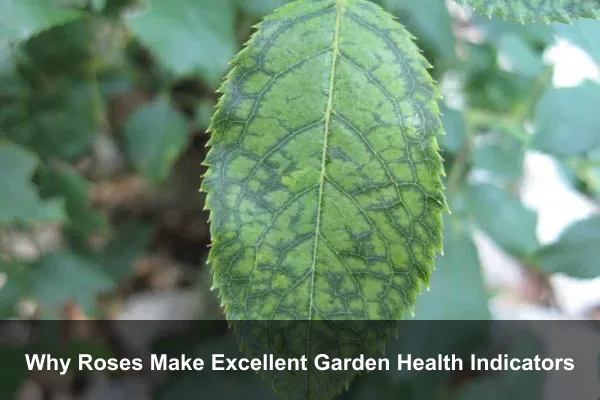
Roses respond quickly to changes in their environment. A dry spell, crowded planting bed, compacted soil, poor airflow, or sudden heat can show up in the plant before the entire garden appears stressed. This responsiveness is one reason roses are valuable in home landscapes: they make invisible garden conditions easier to notice.
A healthy rose plant usually has firm stems, evenly colored leaves, steady new growth, and buds that develop without drying, dropping, or deforming. When something changes, the plant often gives visible clues. Yellow leaves may point to watering or nutrient issues. Pale growth can suggest insufficient sunlight. Weak stems may indicate poor pruning, shade, or overly rich soft growth. Spotted leaves can tell you that humidity, airflow, and sanitation need attention.
Roses Offer Fast Feedback
Some shrubs take a long time to show problems, but roses grow in active cycles. New leaves, buds, flowers, and pruned stems all provide regular feedback. This makes them useful for gardeners who are still learning how their yard behaves through different weather patterns.
They Connect Beauty With Practical Observation
The appeal of roses encourages people to look closely. That attention is a benefit in itself. When you inspect a rose for flowers, you may also notice soil dryness, insect activity, mulch depth, or damaged foliage. Over time, this habit improves general plant care skills across the whole garden.
Key Rose Plant Benefits Beyond Decoration
Rose plant benefits are not limited to colorful blooms. A well-placed rose can support a more thoughtful, organized, and satisfying garden system. Its value comes from the combination of beauty, structure, seasonal change, and readable plant signals.
- Garden awareness: Roses help you notice shifts in light, water, wind, humidity, and soil quality.
- Seasonal structure: Shrub, climbing, and landscape roses can add form to beds, paths, fences, and entrances.
- Routine building: Regular checks for leaves, buds, spent flowers, and soil moisture create a steady care rhythm.
- Learning value: Roses teach pruning, mulching, watering, pest observation, and bloom cycle awareness.
- Emotional benefit: Their flowers can make garden tasks feel rewarding and encourage consistent outdoor time.
- Pollinator support: Single and semi-double rose flowers can offer access to pollen for visiting insects when grown without unnecessary chemical pressure.
In the context of plant benefits, roses are especially useful because they combine visible results with practical lessons. They reward good care, but they also show when care habits need adjustment.
Reading Rose Leaves: What the Plant Is Telling You
Leaves are often the clearest source of rose plant information. A quick weekly scan can reveal whether the plant is coping well or beginning to struggle. The goal is not to panic over every imperfect leaf. Instead, learn to read patterns. One yellow leaf near the base may be normal aging. Many yellow leaves across the plant may signal a larger issue.
Yellow Leaves
Yellowing can come from several causes, so context matters. If the soil is soggy and leaves are yellowing from the lower part of the plant, the roots may be sitting in too much moisture. If the soil is dry and leaves curl before yellowing, drought stress may be involved. If new growth is pale while older leaves remain green, nutrient availability or soil pH may be worth checking.
Before adding fertilizer, inspect the basics: moisture, drainage, mulch, root competition, and recent weather. Many rose problems begin with water imbalance rather than a lack of plant food.
Spots, Mildew, and Damaged Edges
Dark spots, powdery white coating, or browned leaf edges often point to environmental stress. Dense planting, overhead watering late in the day, poor airflow, and humid weather can all increase leaf problems. Removing badly affected leaves, spacing plants properly, and watering at soil level can reduce pressure without turning the garden into a high-maintenance project.
Red or Bronze New Growth
New rose growth is often red, copper, or bronze before it matures. This can be completely normal and should not be confused with disease. Look at the shape and firmness of the growth. If the leaves expand normally and turn green over time, the plant is likely healthy.
Few Leaves and Weak Stems
A rose that looks thin, stretched, or weak may not be receiving enough direct sunlight. Most roses perform best with generous sun exposure. Shade does not always kill a rose quickly, but it can reduce flowering, weaken stems, and make leaves more vulnerable to disease pressure.
Soil, Water, and Root Information Rose Owners Should Track
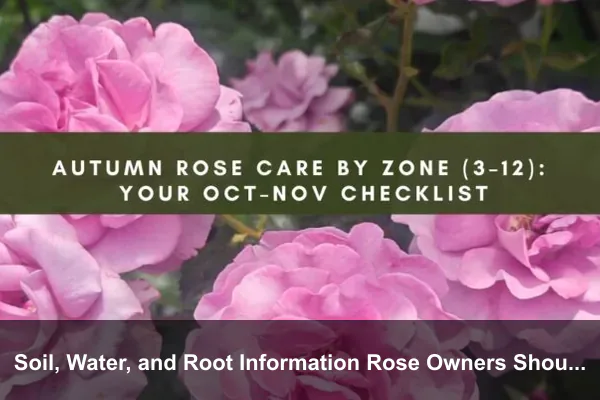
Strong roses begin below the surface. Soil and water habits affect nearly every visible part of the plant, from leaf color to bloom size. Because roses are sensitive to both drought and poor drainage, they are helpful indicators of whether your garden soil holds moisture in a balanced way.
Drainage Matters More Than Frequent Feeding
Roses prefer soil that holds enough moisture for steady growth but drains well enough to protect roots from prolonged saturation. If water pools after rain or the soil stays heavy and airless, roots may struggle. Raised beds, organic matter, and careful planting depth can improve conditions, but the first step is observation.
After watering, check how long the soil remains wet. If it dries immediately, mulch and compost may help. If it stays wet for days, drainage and spacing should be improved before adding more plants.
Mulch Helps Stabilize the Root Zone
A modest layer of organic mulch can reduce evaporation, soften temperature swings, and limit soil splash on lower leaves. Keep mulch slightly away from the crown and stems so moisture does not sit against the plant. This simple habit supports healthier roots and cleaner foliage.
Water Deeply, Then Watch the Response
Instead of watering a little every day, roses usually benefit from deeper watering that reaches the root zone. After watering, watch the plant over the next two days. Leaves that remain firm during warm afternoons suggest the plant is accessing moisture. Leaves that wilt quickly may indicate shallow roots, compacted soil, or insufficient water penetration.
- If leaves wilt in hot afternoon sun but recover by evening, the plant may be experiencing temporary heat stress.
- If leaves stay limp in the morning, the soil and root zone need closer inspection.
- If leaves yellow while the soil remains wet, reduce watering and improve drainage.
- If buds dry before opening, check for heat stress, inconsistent moisture, or root competition.
How Roses Improve Low-Stress Garden Routines
One of the most overlooked rose plant benefits is the way roses encourage consistent, manageable care. Many gardeners fail because they wait until problems are severe. Roses invite smaller, more regular actions: checking leaves, removing spent blooms, feeling the soil, tying a cane, or pruning a damaged stem.
The Ten-Minute Rose Check
A simple weekly rose check can prevent many larger problems. It does not need to become complicated. Walk around the plant, look at new growth, inspect the underside of a few leaves, check soil moisture with a finger, and remove fallen diseased leaves from the ground.
- Look at the newest leaves first because they show current growing conditions.
- Check the lower leaves because they often reveal splash, crowding, and airflow issues.
- Feel the soil two to three inches below the surface before watering.
- Remove dead, damaged, or crossing stems when appropriate.
- Note whether buds are forming, opening, dropping, or drying.
This routine turns rose care into a practical observation habit rather than a guessing game. The same method can be applied to herbs, shrubs, vegetables, and other flowering plants.
Simple Notes Make Better Garden Decisions
You do not need a formal garden journal, but brief notes can be valuable. Record bloom timing, heavy rain, heat waves, pruning dates, fertilizer use, and visible leaf issues. Patterns become clearer after a few months. You may discover that one bed dries faster, one corner has poor airflow, or one rose variety performs better with less intervention.
Safe and Responsible Rose Use at Home
Roses are familiar plants, but responsible use still matters. Their thorns, care products, and possible edible uses should be handled thoughtfully. A rose near a narrow walkway may scratch skin or catch clothing. A rose sprayed with non-food-safe products should never be used for tea, desserts, skincare experiments, or home remedies.
Plan Around Thorns
Thorns can be useful in boundary planting, but they are not ideal beside tight paths, children’s play routes, or places where pets run. Place thornier roses where they can be appreciated without constant contact. For high-traffic areas, choose smoother-stemmed types or keep plants pruned away from movement zones.
Avoid Overstated Health Claims
Rose petals and rose hips have traditional uses, but garden articles should not treat roses as a cure for medical conditions. If using any part of a rose plant for food or skin contact, confirm that the plant was grown safely, correctly identified, and not treated with unsuitable chemicals. People with allergies or sensitivities should be cautious.
Choosing Roses for a Garden That Teaches You
The best rose for a diagnostic garden is not always the rarest or most dramatic. Choose a plant that fits your space, climate, sunlight, and maintenance style. A rose that constantly struggles in the wrong location will provide information, but it may also create frustration. The goal is to choose roses that can thrive while still teaching you about the garden.
Landscape Roses for Practical Feedback
Landscape roses are often selected for steady flowering and dependable growth. They can be useful for beginners because they show changes clearly without demanding constant specialized care. Use them near patios, front beds, or mixed borders where you can observe them often.
Shrub Roses for Structure and Seasonal Signals
Shrub roses can anchor a planting area and provide strong visual cues throughout the season. Their size makes it easier to observe changes in airflow, pruning response, and soil moisture. They are also helpful for learning how plant shape affects bloom production.
Climbing Roses for Vertical Conditions
Climbing roses can reveal how heat, reflected light, and air movement behave near fences, walls, arches, or trellises. They need support, training, and space, so they are best for gardeners ready to pay attention to structure as well as flowers.
When buying a rose, look for healthy leaves, strong stems, clear labeling, and a growth habit that matches the planting site. Avoid choosing a plant only because the flower color looks attractive in the store. Long-term success depends on fit.
Care Calendar for Better Rose Feedback
A rose plant becomes more useful as an indicator when care is consistent through the year. Seasonal timing will vary by climate, but the basic rhythm remains similar: prepare, observe, support, and reset.
Early Growing Season
Remove dead or damaged stems, refresh mulch, check soil moisture, and watch the first flush of leaves. Early growth tells you how well the plant came through dormancy or a cooler season. This is also a good time to improve spacing and remove debris around the base.
Main Blooming Season
During active flowering, focus on deep watering, airflow, spent bloom removal, and leaf checks. Avoid forcing growth with excessive fertilizer. Strong, balanced growth is more useful than soft, fast growth that collapses under heat or disease pressure.
Late Season
As growth slows, reduce stressful pruning and allow the plant to prepare for rest where seasonal dormancy occurs. Clean up fallen leaves if disease has been present. Review your notes and decide whether the plant needs a better support, more mulch, improved spacing, or a different watering approach next season.
Common Rose Signals and Practical Responses
Roses are easier to care for when you connect each visible signal with a measured response. The aim is not to treat every symptom immediately with a product. Start with the growing conditions, because roses often improve when light, water, soil, and airflow are corrected.
- Small flowers: Check sunlight, pruning timing, plant maturity, and watering consistency.
- Bud drop: Look for heat stress, irregular watering, pest damage, or sudden environmental change.
- Long weak stems: Review light exposure and avoid excessive nitrogen-rich feeding.
- Lower leaf disease: Improve airflow, remove fallen leaves, and water at soil level.
- Slow recovery after pruning: Check root health, soil compaction, and whether pruning was too severe for the season.
This practical approach keeps rose care calm and evidence-based. The plant shows a signal, you inspect the conditions, then you make the smallest useful adjustment.
Conclusion
Rose plant benefits and information become more meaningful when roses are seen as more than beautiful flowers. A rose can help you understand your garden’s light, water, soil, airflow, and seasonal rhythm. Its leaves and stems provide clues, its blooms reward steady care, and its growth pattern teaches useful lessons that apply far beyond one plant.
By using roses as garden health indicators, you can make better decisions with less guesswork. Start with observation, keep care simple, and respond to what the plant is actually showing. Over time, a rose becomes both an ornamental feature and a practical guide to a healthier, more responsive garden.
