
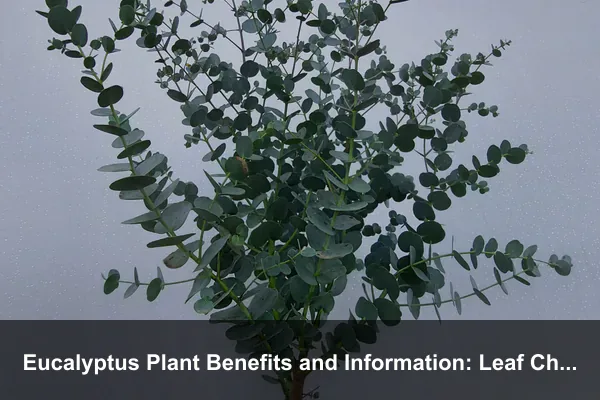
Eucalyptus is one of the most recognizable aromatic plants in the world, but its real value is more nuanced than a strong scent and a bundle of silvery leaves. A useful guide to Eucalyptus plant benefits and information should explain what the plant is, why its leaves smell the way they do, how people can enjoy it responsibly, and where its limits begin. That balance matters because eucalyptus can be beautiful, practical, and culturally familiar while still requiring careful handling around children, pets, and sensitive people.
This article takes a distinct, evidence-aware angle: eucalyptus as a leaf-chemistry plant. Instead of treating it as a cure-all or simply as decorative foliage, we will look at the compounds behind its aroma, the realistic benefits it can offer in homes and gardens, safe ways to use whole leaves or labeled products, and smart growing choices for different spaces. The goal is to help readers enjoy eucalyptus as a beneficial plant without exaggerating its wellness value or ignoring safety.
What Makes Eucalyptus Useful?
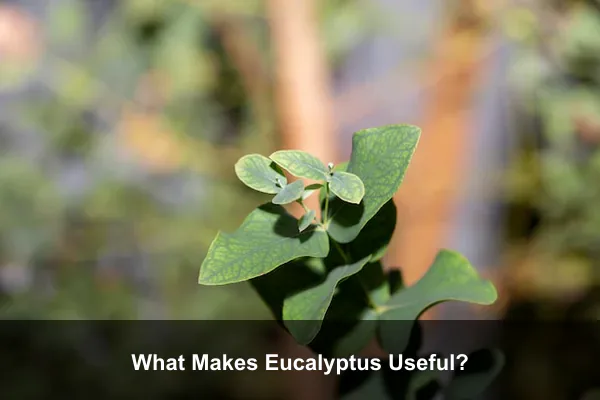
Eucalyptus belongs to the myrtle family, Myrtaceae, and includes hundreds of evergreen trees and shrubs, many native to Australia and nearby regions. The genus is famous for peeling bark, fast growth, blue-green or silver juvenile foliage, and leaves dotted with oil glands. When a leaf is crushed, warmed, or brushed, those glands release volatile aromatic compounds that create the familiar clean, sharp scent.
The Plant at a Glance
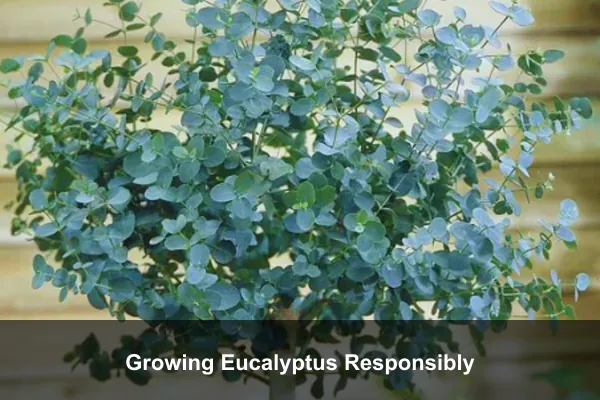
Most eucalyptus plants are woody evergreens. Some become large landscape trees, while others can be grown as smaller shrubs through pruning, coppicing, or container culture. Popular ornamental types include Eucalyptus cinerea, often called silver dollar eucalyptus, and Eucalyptus gunnii, known for rounded juvenile leaves. In mild climates, eucalyptus may grow quickly outdoors. In colder regions, it is often treated as a seasonal container plant or protected specimen.
Leaf Oils and the Role of 1,8-Cineole
The best-known compound in many eucalyptus oils is 1,8-cineole, also called eucalyptol. It contributes to the plant’s cooling aroma and is widely used in commercial vapor rubs, inhalation products, cleaning fragrances, and topical formulas. However, concentrated essential oil is not the same as a living plant or a few fresh leaves. The oil is much stronger, can be irritating, and can be dangerous if swallowed. Understanding that difference is the foundation of responsible eucalyptus use.
Whole Leaves vs. Essential Oil
A living eucalyptus plant releases scent slowly. Fresh or dried leaves provide a milder aromatic experience. Essential oil is a concentrated extract and should be treated like a potent product, not a casual herbal ingredient. For home users, this distinction helps prevent the common mistake of assuming that natural always means harmless.
Realistic Eucalyptus Plant Benefits
The benefits of eucalyptus are strongest when they are framed honestly. It is useful as an aromatic plant, ornamental feature, garden design element, and source of sensory comfort. It is not a substitute for medical care, and homemade eucalyptus oil preparations should be avoided unless guided by qualified professionals and product labeling.
Aromatic Comfort and Fresh Indoor Atmosphere
Eucalyptus leaves can make a room feel fresher because the scent is crisp and noticeable. Many people associate the aroma with clear breathing, cleanliness, and calm routines. A small vase of stems, a potted plant near a bright window, or dried leaves in a well-ventilated space can provide a gentle sensory benefit without relying on heavy synthetic fragrance.
Ornamental Value
Eucalyptus foliage has strong visual appeal. Rounded juvenile leaves, powdery blue-green color, upright stems, and peeling bark create texture in gardens, patios, and floral arrangements. The plant pairs well with grasses, rosemary, lavender, salvia, and other drought-tolerant plants in climates where those combinations are appropriate. Its color also softens bright flower borders and adds structure to minimalist garden designs.
Low-Waste Plant Use
When grown at home, eucalyptus can support a low-waste routine. Pruned stems can be dried, used in arrangements, added to seasonal wreaths, or composted if no oil products or chemicals have been applied. This is a practical plant-benefit angle: one healthy shrub can offer repeated foliage harvests for non-edible household use.
Outdoor Function in the Right Setting
In suitable climates and safe locations, eucalyptus can provide screening, wind softening, habitat structure, and shade. It is important to choose species carefully and understand mature size. Some eucalyptus trees become very large and should not be planted close to foundations, drains, power lines, dry brush, or structures.
A Simple Benefit Matrix
| Benefit Area | Best Use | Important Limit |
|---|---|---|
| Aroma | Fresh stems, potted plants, mild scent displays | Strong fragrance may bother sensitive people |
| Wellness routine | Non-medical sensory comfort and relaxation habits | Not a cure for asthma, infection, or chronic illness |
| Garden value | Structure, foliage color, screening, seasonal interest | Needs space, sun, and responsible placement |
| Home decor | Dried bundles, wreaths, minimalist arrangements | Keep away from pets and young children |
| Learning value | Teaching plant chemistry, leaf glands, and aroma | Do not let children handle oils or chew leaves |
Choosing the Right Eucalyptus for Your Space
The best eucalyptus is not always the most fragrant one. The right choice depends on climate, available space, safety needs, and how you plan to use the plant. A large garden in a mild coastal area has different requirements from a small patio, rental balcony, or bright indoor room.
For Containers and Small Spaces
Silver dollar eucalyptus is often sold for containers because its juvenile foliage is attractive and marketable. It still needs strong light, free drainage, and regular pruning. A container should be large enough to support roots and heavy enough to prevent toppling in wind. Terracotta, fiberglass, and sturdy nursery pots can work if drainage holes are open and the soil does not stay soggy.
For Outdoor Landscapes
Outdoor eucalyptus planting should begin with mature size research. Some species can grow into tall trees faster than homeowners expect. In fire-prone or drought-stressed regions, placement matters even more. Avoid planting large eucalyptus close to buildings, narrow side yards, dry grass, or overhead utilities. In some regions, certain eucalyptus species may also raise local ecological concerns, so check local extension guidance before planting.
For Indoor Growing
Eucalyptus is often harder indoors than typical houseplants because it wants intense light and good air movement. A bright south- or west-facing window may work for a while, but weak light usually causes stretching, leaf drop, or dull color. If the goal is long-term indoor greenery, choose eucalyptus only if you can provide very bright light, careful watering, and seasonal outdoor time when weather allows.
Growing Eucalyptus Responsibly
Responsible growing means giving the plant what it needs while reducing problems for the home, garden, and surrounding environment. Eucalyptus is not a plant to tuck anywhere and forget. It rewards planning.
Light and Soil
Eucalyptus generally prefers full sun and well-drained soil. Heavy clay, constantly wet pots, and dim indoor corners are common reasons for decline. For containers, use a free-draining potting mix and avoid letting the plant sit in a saucer of water. Outdoors, improve drainage before planting rather than trying to correct waterlogged soil later.
Watering
Young eucalyptus plants need consistent moisture while roots establish. Once established outdoors, many species tolerate drier conditions, but container plants dry faster and need closer attention. Water deeply, then allow the top layer of soil to begin drying before watering again. Limp shoots can signal thirst, while yellowing leaves and sour soil can indicate overwatering.
Pruning for Manageable Growth
Pruning is one of the most useful skills for eucalyptus owners. Light, regular pruning can encourage bushier growth and more juvenile foliage. Coppicing, which means cutting a plant back low to stimulate fresh shoots, is sometimes used for species that respond well to it. However, not every plant or climate is suitable, and severe pruning on a stressed plant can cause failure. Prune with clean tools and avoid removing too much growth during heat, drought, or cold stress.
Placement Rules
- Plant large species far from buildings, septic systems, and underground pipes.
- Keep containers stable so wind cannot knock them over.
- Avoid placing eucalyptus where dropped leaves collect against dry structures.
- Use mulch outdoors, but keep it away from the trunk base.
- Do not place fragrant bundles directly over cribs, pet beds, or food preparation areas.
Safe Use Around People and Pets
Safety is the most important part of any honest eucalyptus plant benefits and information guide. Eucalyptus oil can be hazardous when misused. According to Poison Control and MedlinePlus, swallowing eucalyptus oil can cause serious symptoms and requires urgent poison-control guidance. Health Canada also warns that products containing eucalyptus or camphor oils should be stored away from children.
Children and Concentrated Products
Keep eucalyptus essential oil, vapor rubs, and concentrated aromatic products in their original containers, locked away from children. Do not let children taste leaves, handle essential oils, or use homemade oil blends. If accidental swallowing occurs, contact poison control immediately rather than trying home remedies.
Pets
The ASPCA lists eucalyptus as toxic to dogs, cats, and horses. Pet-safe use means keeping plants, dried leaves, oils, and diffuser liquids out of reach. If a pet chews eucalyptus or shows drooling, vomiting, weakness, breathing trouble, or unusual behavior, call a veterinarian or pet poison hotline promptly.
Skin and Breathing Sensitivity
Some people find eucalyptus scent refreshing; others experience headaches, coughing, skin irritation, or asthma symptoms. Use fragrance lightly and ventilate rooms. Avoid applying homemade eucalyptus preparations to skin. If using a commercial product, follow the label exactly and stop if irritation occurs.
Safe Home Rules
- Use whole leaves for gentle scent, not homemade internal remedies.
- Never swallow eucalyptus essential oil.
- Keep oils and leaves away from children and pets.
- Ventilate rooms when using scented products.
- Ask a clinician before using eucalyptus products during pregnancy, with chronic respiratory disease, or with medications.
Practical Ways to Enjoy Eucalyptus at Home
The safest home uses are simple, visible, and controlled. A potted plant on a sunny patio, a few stems in a vase, or dried foliage in a wreath can provide beauty and scent without turning eucalyptus into a risky medicine cabinet.
Fresh Stem Display
Cut a few stems, remove leaves below the waterline, and place them in a clean vase. Change the water regularly. This gives a subtle aroma and attractive foliage. Keep the vase where pets and children cannot reach it.
Dried Foliage
Eucalyptus dries well because many leaves hold their shape and color. Hang small bundles upside down in a dry, ventilated place away from direct sun. Once dry, use them in wreaths, arrangements, or seasonal decor. Avoid placing dried eucalyptus near candles, heaters, or stoves.
Plant Observation for Families
Eucalyptus can be a good teaching plant for older children under supervision. They can observe leaf shape, color changes, bark texture, and scent from a safe distance. This makes the plant useful for learning about plant compounds, adaptation, and responsible handling.
Common Eucalyptus Myths
Because eucalyptus is famous in herbal and aromatherapy culture, it attracts exaggerated claims. Clearing up myths helps readers use it more intelligently.
Myth: Stronger Scent Means Stronger Benefit
A stronger scent often means more exposure to volatile compounds, not necessarily more benefit. Heavy fragrance can irritate sensitive noses, lungs, or skin. Gentle, short exposure is usually more practical for home comfort.
Myth: Natural Oils Are Always Safe
Natural products can be powerful. Eucalyptus essential oil is concentrated and must be treated carefully. Natural origin does not remove the need for labels, dosage limits, storage precautions, and medical advice.
Myth: Eucalyptus Is an Easy Indoor Houseplant
Eucalyptus can be grown in containers, but it is not as forgiving indoors as pothos or snake plant. It needs bright light, airflow, drainage, and pruning. Many indoor failures happen because the plant is placed in a decorative low-light corner.
Myth: Every Garden Should Have One
Eucalyptus is valuable in the right place, but it is not universal. Mature size, local climate, fire risk, invasiveness concerns, and pet safety can make other aromatic plants a better choice for some homes.
Trusted References for Safer Decisions
For plant identification and growing guidance, compare local advice with resources such as NC State Extension and the Royal Horticultural Society. For safety, rely on poison-control and veterinary sources rather than social media recipes. These references support the key message of this article: eucalyptus is beneficial when used with knowledge, boundaries, and respect for its potency.
Conclusion
Eucalyptus offers a distinctive mix of benefits: aromatic leaves, elegant foliage, garden structure, low-waste decorative uses, and an opportunity to learn about plant chemistry. Its value is highest when people enjoy the whole plant thoughtfully instead of treating concentrated oil as a casual remedy. Choose the right species, give it sun and drainage, prune it responsibly, and keep leaves and oils away from children and pets.
In the wider world of plant benefits, eucalyptus is a reminder that useful plants are not always harmless plants. The best approach is balanced: appreciate the scent, beauty, and practical value, while respecting safety limits and local growing conditions. That is the most reliable way to make eucalyptus a meaningful, responsible part of the home or garden.
