
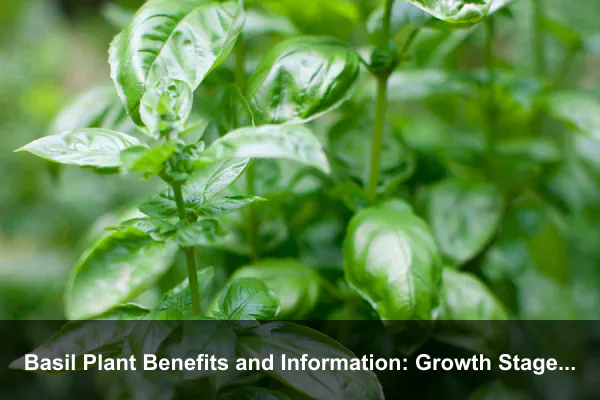
Basil is often introduced as a simple kitchen herb, but the most useful basil plant benefits and information come from understanding how the plant changes over time. A young basil seedling, a leafy summer plant, and a plant preparing to flower all need slightly different decisions from the grower. When you learn those stages, basil becomes easier to keep productive, more flavorful, and less wasteful.
This guide takes a distinct growth-stage approach. Instead of only listing uses or repeating basic care advice, it shows how to observe basil like a living herb journal: what the leaves are telling you, when to harvest, when to pinch, when to let flowers form, and how to keep the plant useful in a home, balcony, or garden bed.
Why Basil Deserves a Growth-Stage Approach
Basil grows fast, and that speed is both its advantage and its challenge. The plant can move from a small seedling to a harvestable herb in weeks, then quickly shift toward flowering if the weather is hot or the plant becomes stressed. A growth-stage approach helps you respond before leaves become tough, stems become woody, or the plant loses momentum.
For home gardeners, this is one of the most practical basil plant benefits: the plant gives visible feedback. Soft green leaves, compact branching, flexible stems, and fresh new shoots usually show that the plant is actively growing. Pale leaves, limp tips, black spots, stretched stems, or early flower buds are signals that the routine needs adjustment.
Thinking in stages also prevents overharvesting. Many beginners pick the biggest lower leaves first, but basil usually responds better when you pinch above a pair of leaf nodes. That small habit encourages branching and creates a fuller plant over time.
Key Basil Benefits for Everyday Homes
Basil supports daily life in several realistic ways. It is not a miracle cure, and it should not replace medical advice, but it is a valuable edible plant with culinary, sensory, garden, and learning benefits.
- Fresh flavor at low cost: A healthy basil plant can supply small, frequent harvests for pasta, soups, salads, rice dishes, eggs, sauces, and drinks.
- Better herb awareness: Growing basil teaches timing, leaf quality, pruning, watering, and sunlight observation in a simple, visible way.
- Pollinator value when allowed to bloom: Basil flowers can attract small bees and other beneficial insects, especially in mixed herb beds.
- Compact growing habit: Basil works well in containers, raised beds, sunny windows, balcony boxes, and doorstep planters.
- Sensory comfort: The scent of basil leaves can make a kitchen or patio feel fresher without relying on artificial fragrance.
From a manfaat tanaman perspective, basil is useful because it connects plant benefits with everyday habits. You can cook with it, observe it, share cuttings, add biodiversity to a small garden, and use it as a beginner-friendly plant for learning how herbs respond to care.
How Basil Changes From Seedling to Flowering Plant
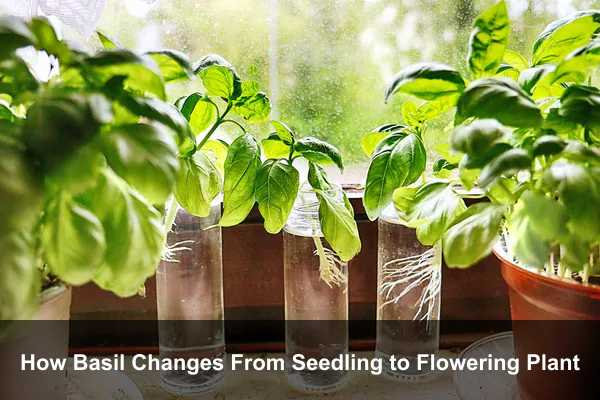
The best basil information starts with the plant’s life rhythm. Basil is usually grown as a warm-season annual, although some types can live longer in frost-free climates. Its needs shift as it develops.
Seedling Stage
At the seedling stage, basil needs gentle light, even moisture, and protection from stress. The stems are soft, roots are shallow, and the first true leaves are small. Overwatering is a common risk because tiny roots cannot use soggy soil quickly. The goal is not fast harvesting yet; the goal is steady root establishment.
Seedlings that stretch toward light need brighter conditions. Seedlings that collapse at soil level may be suffering from overly wet media or poor airflow. A small fan nearby, without directly blasting the plant, can help indoor seedlings grow stronger stems.
Leafy Growth Stage
This is the main harvest stage. Basil begins producing pairs of leaves along the stem, and new side shoots appear after pinching. During this stage, the plant benefits from regular light, consistent watering, and small harvests. Picking little and often is better than stripping the plant heavily once.
The leafy stage is also the best time to keep a simple herb journal. Record the date of pruning, watering frequency, light exposure, and leaf condition. After a few weeks, patterns become obvious. You may notice that basil near a hot wall wilts faster, or that a plant in morning sun produces more tender leaves than one in harsh afternoon heat.
Pre-Flowering and Flowering Stage
When basil starts forming flower buds, leaf production often slows and flavor may become stronger or slightly sharper. If your main goal is tender leaves, pinch off the flower tips early. If your goal is pollinator support or seed collection, allow part of the plant to bloom while continuing to harvest from younger side shoots.
This choice is important because it turns basil from a single-use kitchen herb into a managed plant. One plant can provide fresh leaves for weeks, flowers for insects, and seeds for the next season if you guide it intentionally.
Reading Basil Leaves Like a Care Journal
Basil leaves are practical indicators. They do not diagnose every problem perfectly, but they can guide better decisions before the plant declines.
Leaf Color
Rich green leaves usually suggest active growth, assuming the variety is naturally green. Pale leaves may point to low nutrients, insufficient light, cool temperatures, or tired potting mix. Yellow lower leaves can also appear when the plant is overwatered or when old leaves are being shaded by dense top growth.
Leaf Texture
Soft, flexible leaves are usually ideal for fresh kitchen use. Tougher leaves may come from age, intense heat, drought stress, or flowering. If leaves feel thin and limp even when soil is moist, roots may be struggling in compacted or waterlogged soil.
Leaf Shape and Edges
Curling leaves can be linked to heat, irregular watering, pest pressure, or transplant stress. Brown edges often suggest drying stress, salt buildup from heavy fertilizing, or strong sun combined with dry soil. Look at the whole plant before acting. One damaged leaf is not a crisis, but repeated symptoms are worth tracking.
Best Growing Conditions for Reliable Basil
Basil is forgiving, but it is not careless. Strong growth comes from matching light, water, soil, and airflow to the plant’s warm-season nature.
Light
Basil generally performs best with bright light and several hours of direct sun. Outdoors, morning sun with some protection from severe afternoon heat can produce tender leaves in hot climates. Indoors, a very bright window or grow light may be needed, especially if the plant becomes leggy.
Water
Water basil when the top layer of soil begins to dry, then water thoroughly so moisture reaches the roots. Avoid keeping the pot constantly wet. Containers must have drainage holes because basil roots dislike stagnant water.
Soil
Use a loose, fertile, well-draining mix. A good basil potting mix should hold enough moisture to prevent frequent wilting but still allow oxygen around the roots. In garden beds, compost can improve structure and support steady growth.
Airflow and Spacing
Crowded basil traps humidity around the leaves and can invite fungal problems. Give plants enough space for air movement, and harvest or prune dense growth before the center becomes shaded and damp.
Harvest Timing: How to Pick Leaves Without Weakening the Plant
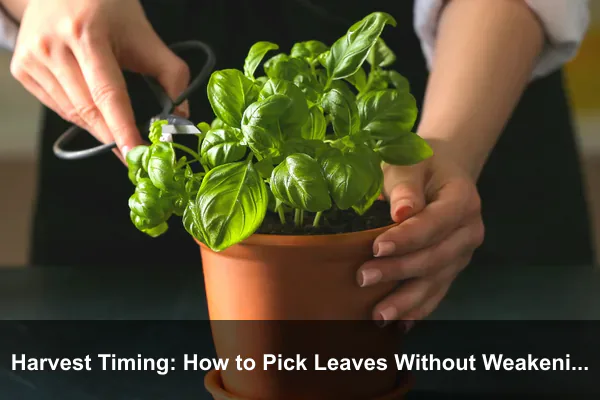
Harvesting is where many basil plants are either strengthened or weakened. The best method is usually to pinch or cut the stem just above a pair of leaves. This leaves behind growth points that produce two new side branches.
- Wait until the plant has several sets of true leaves before the first serious harvest.
- Use clean fingers or small scissors to cut above a leaf node.
- Take no more than about one third of the plant at a time.
- Harvest in the morning after dew has dried for fresh, firm leaves.
- Remove flower buds early if the goal is longer leaf production.
For the best flavor, use leaves soon after picking. If you need to hold them briefly, keep stems in a small glass of water at room temperature for short-term use. Basil can darken in cold refrigerators, so avoid chilling delicate leaves unless you are using a method that protects them.
Practical Uses Beyond One Meal
Basil is famous for pesto, but its everyday value is broader. Small harvests can be used in cooked and uncooked foods, but the timing matters. Add basil near the end of cooking when you want brighter aroma, or use it fresh when leaf texture matters.
- Fresh finishing herb: Tear leaves over soups, noodles, roasted vegetables, grain bowls, and tomato dishes.
- Herb oil or vinegar: Use clean, fresh leaves for short-term infused preparations and store them safely.
- Freezer portions: Chop basil with a little oil and freeze in small portions for later cooking.
- Herbal garden marker: Plant basil where you pass often, so watering and harvesting become part of a visible routine.
- Observation plant: Use basil to teach pruning, growth nodes, flowering, seed formation, and plant stress signs.
These uses keep the plant from becoming an occasional garnish. Basil works best when it is part of a repeated routine: observe, pinch, harvest, cook, and adjust.
Common Problems and Quick Corrections
Even healthy basil can run into problems. The key is to make small corrections early instead of waiting until the plant is exhausted.
Leggy Stems
Leggy basil usually needs more light or earlier pinching. Move the plant to brighter conditions and prune above nodes to encourage side shoots. Do not bury weak stems too deeply in wet soil, because that can invite rot.
Wilting
Wilting can mean dry soil, heat stress, root damage, or waterlogged roots. Check the soil before watering. If soil is dry, water deeply. If soil is wet and the plant is wilting, improve drainage and airflow, and avoid adding more water until the mix begins to dry.
Spotted Leaves
Leaf spots can come from fungal issues, water sitting on leaves, crowding, or pest damage. Remove badly affected leaves, water at soil level, increase spacing, and avoid overhead watering late in the day.
Early Flowering
Early flowering often happens during heat, drought, root restriction, or plant maturity. Pinch flower buds promptly for leaf production, or allow a few blooms if you want pollinator value. If a plant is old and woody, starting a new basil plant may be more productive than forcing the old one to continue.
Simple Basil Journal Template
A basil journal does not need to be complicated. A few notes can help you understand your specific plant, climate, and container setup.
- Date: Record when you watered, pruned, fertilized, transplanted, or harvested.
- Light: Note whether the plant received morning sun, afternoon sun, filtered light, or grow light exposure.
- Leaf condition: Write down color, texture, spots, curling, or strong new growth.
- Harvest amount: Track whether the plant regrows quickly after small or larger harvests.
- Weather: Note heat waves, cool nights, heavy rain, or dry indoor air.
After a month, the journal becomes personalized basil information. It tells you which window works, how often your pot dries, when the plant begins to flower, and how much harvesting it can handle.
Conclusion: Turning Basil Information Into Better Plant Benefits
The real value of basil comes from combining information with observation. When you understand growth stages, read leaf signals, prune above nodes, and harvest at the right time, the plant becomes more than a small pot of herbs. It becomes a productive, fragrant, useful part of the home garden.
Basil plant benefits and information are most powerful when they help you make better daily choices. Give basil warmth, bright light, breathable soil, careful watering, and regular pinching, and it can reward you with fresh leaves, garden learning, pollinator moments, and a more connected kitchen routine.
