
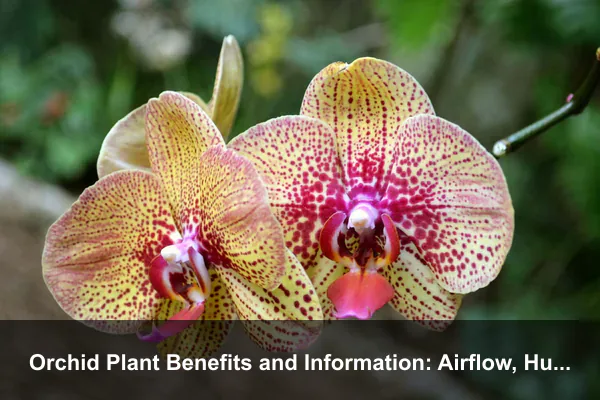
Orchids are often treated as delicate luxury plants, but many common indoor orchids are more practical than their reputation suggests. With the right balance of light, airflow, humidity, and patience, an orchid can become a long-lasting flowering plant that supports a calmer, greener home without demanding daily attention.
This guide explores Orchid plant benefits and information through a fresh household-care angle: how orchids improve indoor atmosphere, how to read their growth signals, where to place them, and how to enjoy their blooms responsibly. The focus is on useful, realistic benefits rather than exaggerated claims, so beginners can appreciate orchids with confidence.
Why Orchids Deserve a Place in Indoor Plant Collections
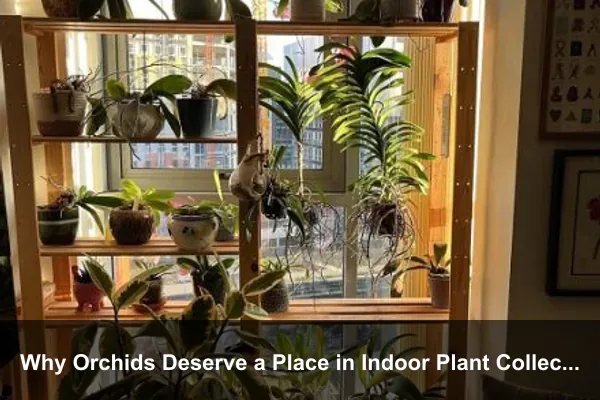
Orchids bring a rare combination of elegance and efficiency. Unlike many foliage plants that rely only on leaves for visual impact, orchids offer sculptural roots, glossy leaves, arching stems, and flowers that can last for weeks or even months. This makes them valuable for people who want beauty without constantly replacing cut flowers.
The most common houseplant orchid is the Phalaenopsis, often called the moth orchid. It is popular because it adapts well to typical indoor conditions, tolerates moderate household temperatures, and can rebloom when cared for consistently. Other orchids, such as Dendrobium, Oncidium, and Cattleya, may need more specific light or seasonal care, but they also reward growers with distinctive flowers.
From a Manfaat Tanaman perspective, orchids are useful because they combine ornamental value, emotional comfort, learning opportunities, and space-friendly design. They do not need a large garden bed, they can fit on shelves or bright tables, and they help people build gentle routines around observation rather than constant intervention.
Main Orchid Plant Benefits and Information for Everyday Homes
Orchids are not magic air purifiers or instant wellness tools, but they do offer real everyday benefits when used wisely in the home. Their value comes from their long bloom period, compact size, low soil mess, and ability to make indoor spaces feel cared for.
Long-Lasting Flowers Without Frequent Replacement
A healthy moth orchid can hold flowers for many weeks. Compared with cut flowers that fade quickly, a potted orchid reduces waste and gives the owner a living plant to nurture after the display period ends. This makes orchids especially useful for apartments, offices, reception areas, and small rooms where one attractive plant can create a strong visual effect.
Calming Visual Structure
Orchid flowers often have balanced shapes, clean colors, and graceful stems. Their quiet appearance suits bedrooms, reading corners, work desks, and prayer or meditation spaces. The benefit is not that orchids medically treat stress, but that their presence can make a room feel softer, more intentional, and more connected to nature.
Low-Pollen Indoor Flower Option
Many orchids are appreciated as tidy indoor flowering plants because they do not usually shed pollen heavily around the room. This makes them easier to manage than some strongly scented or pollen-heavy flowers. People with sensitivities should still observe personal reactions, but orchids are often a cleaner choice for decorative indoor blooms.
Compact Beauty for Small Spaces
Orchids work well in small homes because they grow upward rather than outward. One plant can sit in a narrow ceramic pot, on a plant stand, or near a bright window without taking over the room. This makes orchids useful for renters, students, and anyone who wants flowering plants without a balcony or garden.
Understanding Orchid Growth: Roots, Leaves, Stems, and Blooms
Good orchid care starts with understanding what the plant is showing you. Orchids communicate through their roots, leaves, flower spikes, and potting medium. When you learn these signals, care becomes less confusing.
Roots Are Part of the Display
Many orchids are epiphytes, meaning they naturally grow attached to trees rather than buried in dense soil. Their roots are designed to receive air and moisture. Healthy roots may look green when wet and silvery when dry. Some roots may grow outside the pot, and this is not automatically a problem.
Avoid cutting aerial roots simply because they look untidy. They help the plant absorb moisture and stabilize itself. Roots that are firm are usually healthy; roots that are mushy, hollow, or foul-smelling may indicate overwatering or poor airflow.
Leaves Reveal Light and Water Balance
Orchid leaves should generally be firm, smooth, and medium green. Very dark leaves may suggest low light, while yellowing or scorched patches can indicate too much direct sun. Wrinkled leaves may point to dehydration, but the cause can be either too little water or damaged roots that can no longer absorb water properly.
Flower Spikes Need Patience
After flowering, an orchid may rest before growing another spike. This resting phase is normal. During this time, the plant often focuses on roots and leaves. A strong future bloom depends on healthy vegetative growth, not constant flowering.
Light, Airflow, and Humidity: The Three-Part Orchid Balance
Many orchid problems come from treating one care factor in isolation. Light, airflow, and humidity work together. A humid room with poor airflow can invite rot, while a bright dry room may stress flowers and roots. The goal is balance.
Bright Indirect Light
Most common indoor orchids prefer bright, indirect light. An east-facing window is often ideal because it offers gentle morning sun. A south or west window may work if filtered by a sheer curtain. Direct hot afternoon sun can burn leaves, especially behind glass.
If the plant produces healthy leaves but never blooms, it may need slightly brighter light. Move it gradually rather than suddenly exposing it to harsh sun.
Gentle Air Movement
Airflow is one of the most overlooked parts of orchid care. In nature, many orchids live where air moves around their roots. Indoors, stale air around wet potting media can create problems. Good airflow helps moisture dry at a reasonable pace and supports healthier roots.
You do not need strong wind. A room with normal ventilation, occasional open windows, or a small fan set away from the plant can be enough. Avoid placing orchids directly under air-conditioner blasts or heating vents.
Moderate Humidity
Orchids often appreciate moderate humidity, especially in dry indoor environments. A humidity tray with pebbles and water can help slightly, as long as the pot does not sit directly in water. Grouping plants can also create a gentler microclimate.
Misting is not always necessary and can cause trouble if water stays in the crown or between leaves. If you mist, do it early in the day and ensure the plant dries before night.
Watering Orchids Without Overcomplicating the Routine
Watering is where many beginners lose confidence, but the principle is simple: orchids like moisture followed by air. They do not want to sit in soggy, compacted material.
Check Before Watering
Instead of watering on a strict calendar, check the potting medium and roots. If the bark is still wet, wait. If the medium is mostly dry and the roots look silvery, watering may be appropriate. Clear pots can be helpful because they allow you to see root color and moisture levels.
Use a Thorough Drain-and-Dry Method
When watering, soak the medium thoroughly and let water drain completely. Never leave the orchid standing in a saucer of water. Standing water reduces oxygen around the roots and can lead to rot.
Avoid Ice Cube Watering When Possible
Some orchids are sold with advice to water using ice cubes. While it may seem convenient, orchids are tropical plants and cold water can stress roots. Room-temperature water is a better long-term habit.
Choosing the Right Orchid for Your Lifestyle
Not every orchid suits every home. The best orchid is not always the rarest or most expensive one; it is the one that matches your light, schedule, and patience.
Best Beginner Choice
Phalaenopsis orchids are usually the best starting point. They tolerate normal indoor temperatures, bloom for a long time, and are widely available. Choose a plant with firm leaves, healthy roots, and a few unopened buds if you want a longer bloom display.
For Brighter Rooms
If you have brighter filtered light, consider Cattleya or some Dendrobium types. These may reward you with showier blooms but often need stronger light than moth orchids.
For Fragrance Lovers
Some orchids have fragrance, but scent varies widely by type and time of day. If fragrance matters, buy the plant in bloom and smell it before purchasing. Avoid assuming every orchid is scented.
Practical Orchid Display Ideas for Healthy Growth
Orchid styling should support plant health first. A beautiful display is only successful if the roots can breathe, the leaves receive light, and water drains properly.
- Use an outer cachepot carefully: Decorative pots are fine, but remove the inner orchid pot for watering and draining.
- Keep flowers visible but leaves lit: Do not place the plant in a dark corner just because the flowers look good there.
- Rotate gently: Turn the pot occasionally so growth stays balanced, but avoid moving it constantly during bud development.
- Give roots space: Do not force aerial roots into tight decorations or cover them with dense moss for long periods.
- Keep away from fruit bowls: Ripening fruit releases ethylene gas, which can shorten flower life.
Orchid Safety, Pets, and Responsible Use
Many commonly sold orchids, including moth orchids, are generally considered non-toxic to cats and dogs. However, this does not mean pets should chew them. Potting bark, fertilizer, pesticides, decorative moss, or plant tags may still cause stomach upset or choking risks.
Place orchids where pets and children are less likely to disturb them. If a pet eats part of the plant and shows symptoms, contact a veterinarian. For households with sensitive members, avoid strongly scented orchid varieties until you know how people react.
Common Orchid Problems and Simple Fixes
Most orchid problems are easier to solve when caught early. The key is to inspect the plant regularly without overreacting to every normal change.
Bud Drop
Bud drop can happen when an orchid experiences sudden temperature changes, dry air, low light, or stress from transport. Keep the plant away from drafts, fruit bowls, and heating vents. Give it stable conditions rather than moving it repeatedly.
Yellow Leaves
One older yellow leaf can be normal. Several yellow leaves at once may indicate overwatering, poor drainage, root damage, or excessive sun. Check the roots before adding more water.
No Reblooming
If an orchid grows leaves but does not bloom, it may need brighter indirect light, a slight nighttime temperature drop, or more time. Reblooming is a result of overall plant health, not a trick that works instantly.
Wrinkled Leaves
Wrinkled leaves usually mean the plant is not getting enough usable water. Check whether the medium is bone dry or whether roots are damaged from staying wet too long. The treatment depends on the cause.
Low-Waste Orchid Care Habits
Orchids fit well into sustainable home gardening when cared for thoughtfully. Instead of treating them as disposable decorations, keep them after flowering and support the next growth cycle.
- Keep the plant after blooms fade and focus on root and leaf health.
- Reuse decorative pots while replacing only the inner growing pot or medium when needed.
- Choose nursery-grown orchids from reputable sellers instead of wild-collected plants.
- Repot only when necessary, usually when the medium breaks down or roots outgrow the pot.
- Use fertilizer lightly and follow label directions to avoid salt buildup.
These habits help orchids become long-term indoor companions rather than short-term decorations. They also reduce waste from repeated cut flower purchases.
Conclusion: Orchids Offer More Than Beautiful Flowers
Orchid plant benefits and information go beyond elegant blooms. Orchids can bring lasting color, gentle indoor beauty, cleaner-looking flower displays, and useful plant-care lessons into everyday life. Their roots teach airflow, their leaves reveal light balance, and their bloom cycles encourage patience.
For beginners, the best approach is simple: choose a healthy moth orchid, place it in bright indirect light, water only after checking the roots and medium, and protect it from stagnant moisture. With steady care, an orchid becomes more than a decoration. It becomes a living reminder that beauty often lasts longest when the environment is balanced.
