
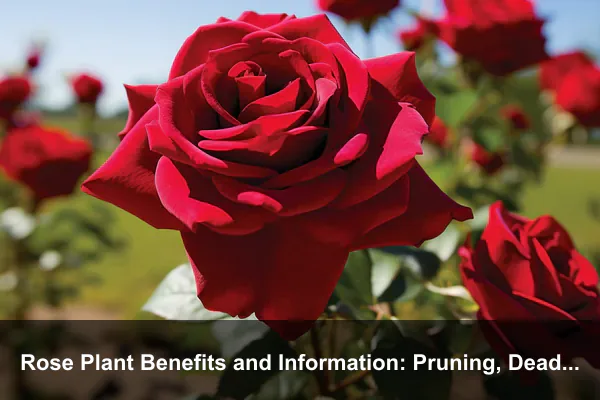
Rose plant benefits and information often begin with beauty, fragrance, and symbolism, but one of the most valuable things a rose can offer is skill. A healthy rose teaches gardeners how to observe new growth, judge timing, improve airflow, prune with purpose, and turn seasonal care into a simple routine. Instead of treating roses as difficult plants reserved for experts, this guide looks at them as practical, rewarding teachers in the home garden.
This article focuses on a unique angle: how roses build everyday gardening confidence through pruning, deadheading, feeding, watering, and plant-reading skills. You will learn what roses need, why they respond so clearly to good care, and how their benefits go beyond flowers. Whether you grow one shrub rose near a walkway or several roses in a mixed garden bed, the right approach can make rose care calmer, cleaner, and more productive.
Why Roses Are Valuable Skill-Building Plants
Roses are famous for their flowers, but they are also excellent plants for learning how gardens work. Their growth is visible, their seasonal changes are clear, and their response to care is often easy to measure. A rose can show you when it needs water, when it has too much shade, when airflow is poor, or when spent blooms should be removed.
For beginners, this visibility is helpful. Many plants decline quietly, but roses often communicate through leaf color, stem strength, bud production, and bloom quality. That makes them useful for building observation habits. Over time, you stop guessing and begin noticing patterns.
The main benefits of growing roses from a skill-building perspective include:
- Practical pruning experience: Roses help gardeners learn how to shape plants without fear.
- Seasonal awareness: Buds, flowers, hips, and dormancy all mark different stages of the year.
- Better plant observation: Leaves, stems, and blooms provide useful care clues.
- Improved garden planning: Roses teach spacing, sun exposure, airflow, and access for maintenance.
- Emotional satisfaction: Regular care is rewarded with visible growth and repeat flowering.
These benefits make roses more than ornamental plants. They become living guides for gardeners who want to understand the relationship between care, timing, and results.
Basic Rose Plant Information Every Gardener Should Know
Before pruning or feeding a rose, it helps to understand what kind of plant you are working with. Roses belong to the genus Rosa, a large group that includes species roses, old garden roses, hybrid teas, floribundas, grandifloras, shrub roses, miniature roses, and climbing roses. Each type has its own growth pattern, but most share similar needs: sun, drainage, airflow, and regular attention during active growth.
Growth Habit and Structure
A rose plant is made of canes, laterals, leaves, buds, flowers, and roots. The main canes form the structure of the plant. Smaller side shoots, often called laterals, carry leaves and blooms. New basal shoots may emerge from the base and can become strong future canes if protected and trained properly.
Understanding this structure helps you prune intelligently. You are not simply cutting branches; you are choosing which stems will form the plant’s future shape. Strong, outward-facing growth helps create an open plant with better light penetration and airflow.
Sunlight and Blooming
Most roses bloom best with at least six hours of direct sun each day. Morning sun is especially useful because it dries dew from leaves, reducing the damp conditions that encourage fungal problems. In hot climates, some afternoon shade can protect petals from scorching, but too much shade often leads to weak stems and fewer flowers.
Soil and Roots
Roses prefer soil that drains well but still holds enough moisture for steady growth. A loose, fertile loam enriched with compost is ideal. Heavy clay can be improved with organic matter, while very sandy soil may need compost and mulch to retain moisture. Healthy roots support stronger canes, better flowering, and greater resilience during weather swings.
Pruning Benefits: How Cutting Roses Improves Growth
Pruning is one of the most important rose care skills, and it is also one of the most misunderstood. Many gardeners worry that cutting a rose will harm it. In reality, correct pruning often makes roses healthier, more attractive, and easier to manage.
The purpose of pruning is not to force the plant into an artificial shape. It is to remove weak, dead, crowded, or poorly placed growth so the rose can direct energy into stronger stems and better blooms.
What Pruning Does for a Rose
Good pruning supports several practical benefits:
- Encourages stronger canes: Removing weak stems allows the plant to invest in healthier growth.
- Improves airflow: An open center helps leaves dry faster after rain or watering.
- Reduces disease pressure: Clearing old or damaged material removes places where problems can linger.
- Shapes the plant: Pruning keeps roses from becoming tangled, lopsided, or difficult to access.
- Improves flowering: Many repeat-blooming roses produce better flowers on fresh, vigorous growth.
When to Prune Roses
The best pruning time depends on climate and rose type, but many gardeners prune in late winter or early spring when buds begin to swell and the plant is preparing for active growth. This timing makes it easier to see winter damage and choose healthy stems.
Once-blooming old garden roses usually flower on older wood, so they are often pruned after flowering rather than heavily cut in early spring. Repeat-blooming shrub roses, hybrid teas, and floribundas can usually be shaped before the main growth season begins.
Simple Pruning Rules
If you are new to roses, start with a simple method:
- Remove dead, damaged, or diseased stems first.
- Cut out thin, weak growth that cannot support healthy blooms.
- Remove crossing stems that rub against each other.
- Open the center of the plant to improve airflow.
- Shorten remaining stems to outward-facing buds where possible.
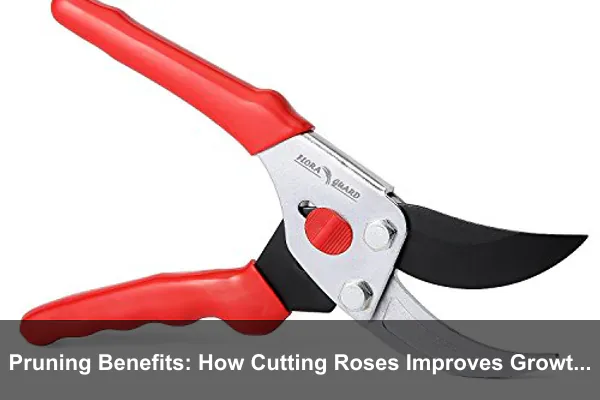
Use clean, sharp pruners and make cuts at a slight angle above a bud. Avoid leaving long stubs, which can die back and invite problems. For thick canes, use loppers or a pruning saw rather than forcing small pruners through woody stems.
Deadheading Benefits for Repeat-Blooming Roses
Deadheading means removing spent flowers after they fade. This simple task keeps rose plants tidy and, in many repeat-blooming types, encourages new flower production. It also teaches gardeners how to notice the difference between a bloom that is still useful to pollinators, a flower that is fading, and a stem ready for trimming.
Why Deadheading Matters
When a flower finishes blooming, the plant may begin directing energy toward seed formation. On roses, that often means producing rose hips. Rose hips can be attractive and useful in certain gardens, but if your goal is repeat bloom, deadheading can help redirect energy into new shoots and buds.
Deadheading also improves garden appearance. Removing brown petals and drooping flower heads helps the plant look fresh between bloom cycles. In humid climates, it can also reduce decaying plant material that holds moisture around stems.
How to Deadhead Properly
For many repeat-blooming roses, cut the spent flower stem back to a healthy leaf set with five leaflets, choosing a bud that faces outward. This encourages new growth away from the plant’s center. On smaller shrub roses or landscape roses, light trimming may be enough. Some modern varieties are self-cleaning and drop petals naturally, so they may need less deadheading.
A practical deadheading routine can be simple:
- Walk through the garden once or twice a week during bloom season.
- Remove flowers that are fully faded or collapsing.
- Check for damaged leaves or broken stems at the same time.
- Clean up fallen petals if they collect densely around the base.
- Pause deadheading late in the season if you want decorative rose hips.
Watering, Mulching, and Feeding for Stronger Roses
Roses grow best when care is consistent. They do not need constant fussing, but they do benefit from steady watering, soil protection, and balanced nutrition. These habits support roots first, and strong roots lead to better top growth.
Watering Roses Well
Deep watering is usually better than frequent shallow watering. A deep soak encourages roots to grow downward, where soil moisture is more stable. Shallow watering keeps roots near the surface, making plants more vulnerable to heat and drought.
Water at the base of the plant when possible. Wet leaves are not automatically a problem, but consistently damp foliage can increase disease risk, especially when airflow is poor. Morning watering is generally better than evening watering because leaves and soil surfaces dry faster during the day.
Mulch as a Root Protector
Mulch is one of the easiest ways to improve rose plant health. A layer of organic mulch helps conserve soil moisture, moderate soil temperature, and reduce weed competition. It also slowly contributes organic matter as it breaks down.
Apply mulch around the root zone, but avoid piling it tightly against the stems. A small gap around the crown reduces excess moisture directly at the base of the plant. Shredded bark, composted leaves, pine straw, and mature compost can all work well, depending on local availability.
Feeding Without Overdoing It
Roses are often described as heavy feeders, but more fertilizer is not always better. Excess nitrogen can produce soft leafy growth at the expense of flowers and may make plants more attractive to pests. Balanced feeding should support steady growth, strong stems, and healthy blooms.
A soil test is the best guide for long-term fertilizing. Without one, gardeners can use compost and a balanced rose fertilizer according to label directions. Feed during active growth and avoid pushing tender new growth too late in the season where cold weather is a concern.
Rose Plant Benefits for Garden Design and Daily Enjoyment

Roses offer benefits that are both practical and emotional. They can soften hard edges, mark garden paths, create seasonal focal points, and make outdoor spaces feel more cared for. Because roses are available in many sizes and forms, they can fit into a wide range of garden styles.
Color and Seasonal Rhythm
Roses bring color in a way that feels dynamic. Buds swell, petals open, blooms age, and new shoots appear. This changing display creates rhythm in the garden. Even when a rose is not in full bloom, fresh red-tinted growth, glossy foliage, and developing hips can add interest.
Choosing roses with different bloom habits can extend the season. Some roses bloom in strong flushes, while others flower more continuously. Combining roses with perennials, herbs, grasses, or evergreen shrubs can keep the garden attractive between bloom cycles.
Fragrance and Memory
Many roses are valued for fragrance, although scent varies widely by variety. Some smell fruity, spicy, musky, tea-like, or classic and sweet. Fragrant roses near seating areas, gates, or garden paths can create memorable experiences, especially when blooms are placed where people naturally pass by.
For fragrance, choose varieties known for scent rather than assuming every rose will be strongly aromatic. Modern roses are sometimes bred heavily for disease resistance, color, or long vase life, and fragrance may vary.
Habitat and Garden Life
Open-centered single and semi-double roses can be useful to bees and other beneficial insects because their pollen is easier to access. Dense, heavily doubled roses may be beautiful but less accessible to pollinators. A balanced garden can include both ornamental roses and nearby plants that provide nectar, pollen, seeds, and shelter across the season.
Common Rose Care Mistakes and Better Habits
Roses become easier when care is based on observation rather than routine alone. Many common problems come from planting roses in the wrong place, watering inconsistently, pruning too timidly, or ignoring airflow.
Mistake 1: Planting in Too Much Shade
A rose in deep shade may survive but rarely performs well. Weak stems, fewer blooms, and more leaf problems are common when sunlight is insufficient. If a rose struggles year after year, check the light before changing fertilizer or pruning methods.
Mistake 2: Crowding Plants
Roses need space for airflow and maintenance. Crowding them between dense shrubs or against walls can trap humidity and make pruning difficult. When planting, consider the mature size of the variety, not just the size of the young plant at purchase.
Mistake 3: Watering Only the Surface
Light sprinkling may wet the top layer of soil without reaching the deeper roots. Check soil moisture a few inches below the surface. If it is dry, water slowly and deeply. Mulch can help keep that moisture available longer.
Mistake 4: Avoiding Pruning Completely
Unpruned roses often become congested, woody, and less productive. Pruning does not need to be perfect to be helpful. Removing dead wood, crossing stems, and weak growth is already a major improvement.
Mistake 5: Expecting Every Rose to Behave the Same
A climbing rose, miniature rose, hybrid tea, and shrub rose do not grow in identical ways. Before pruning or placing a rose, learn its type and mature habit. Matching care to growth style prevents frustration.
Choosing the Right Rose for Your Skill Level
The best rose is not always the most dramatic one in the catalog. For many gardeners, the best choice is a rose that fits the available space, climate, maintenance level, and desired use. A realistic match makes rose care enjoyable instead of stressful.
Beginner-Friendly Rose Traits
If you are new to roses, look for varieties described as disease-resistant, repeat-blooming, and suitable for your climate. Shrub roses and landscape roses are often easier than high-maintenance exhibition types. They usually have a more natural shape and can tolerate less formal pruning.
Helpful traits include:
- Strong disease resistance in your region.
- A mature size that fits the planting area.
- Good repeat bloom without excessive fuss.
- Sturdy stems that do not flop after rain.
- Growth habit suited to beds, borders, containers, or supports.
Matching Rose Type to Garden Purpose
Use compact roses near patios or in small beds, shrub roses for mixed borders, climbers for supports, and fragrant varieties near places where people pause. If you want cut flowers, choose roses with strong stems and good vase performance. If you want a natural garden feel, choose shrub or species-style roses with simpler flowers and attractive hips.
Safe and Comfortable Rose Maintenance
Rose care is more enjoyable when the work area is comfortable and tools are appropriate. Thorns, awkward reaching, and crowded planting can make maintenance harder than it needs to be. Good planning protects both the gardener and the plant.
Tools That Make Rose Care Easier
A small set of quality tools is enough for most home rose care. Sharp bypass pruners are useful for regular pruning and deadheading. Loppers help with thicker canes. Thorn-resistant gloves protect hands and wrists. A small rake or hand fork helps clear debris without damaging roots.
Clean tools matter. Wipe pruner blades regularly, especially after cutting diseased material. Sharp blades make cleaner cuts, which heal better and reduce tearing.
Access and Spacing
When planting roses, leave enough room to reach all sides of the plant. This makes pruning, inspecting, and watering easier. A rose planted too close to a wall, fence, or dense shrub may be beautiful for one season but frustrating for years.
Comfortable access also improves consistency. If a rose is easy to reach, you are more likely to deadhead, check leaves, and notice early problems before they become serious.
Using Roses to Build a Year-Round Garden Routine
Roses fit naturally into a seasonal maintenance rhythm. Instead of viewing rose care as a long list of chores, think of it as a repeating cycle of observation, action, and adjustment.
Late Winter to Early Spring
This is often the main pruning period for repeat-blooming roses. Remove dead wood, shape the plant, refresh mulch, and prepare for new growth. Watch for swelling buds and strong emerging shoots.
Spring to Early Summer
Growth accelerates, buds form, and the first major bloom flush appears. Water consistently, feed if needed, and monitor leaves. Begin deadheading once flowers fade.
Mid to Late Summer
Heat, drought, and pests may become more noticeable. Maintain mulch, water deeply, and avoid heavy pruning during extreme heat. Light deadheading can continue for repeat bloomers.
Autumn
Let some roses slow down naturally. In colder regions, avoid late heavy feeding that encourages tender growth before winter. Some gardeners stop deadheading late in the season to allow hips to form.
Winter
In cold climates, protect vulnerable roses as needed. In mild climates, roses may rest only briefly. Use the quieter season to clean tools, review plant performance, and plan changes for the next year.
Conclusion: Roses Reward Gardeners Who Observe and Adjust
Rose plant benefits and information should include more than flower color and fragrance. Roses are valuable because they teach practical garden skills that carry over to many other plants. Through pruning, deadheading, watering, feeding, spacing, and seasonal observation, a rose helps gardeners understand how thoughtful care creates visible results.
When you choose the right rose for your space and maintain it with steady habits, it becomes more than a decorative shrub. It becomes a source of blooms, fragrance, structure, confidence, and garden knowledge. The best rose garden is not necessarily the most perfect one; it is the one that helps you notice more, care better, and enjoy the living process of growth throughout the year.
