
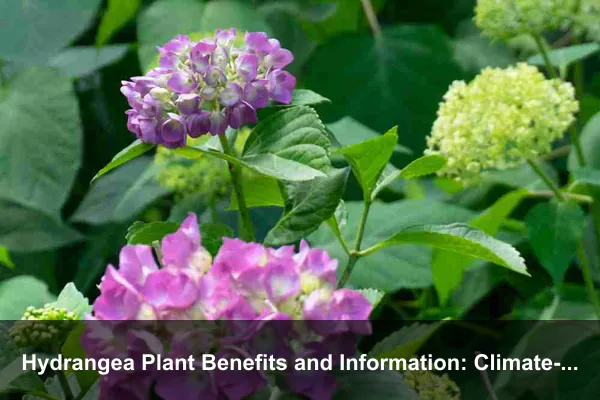
Hydrangeas are often admired for their generous flower clusters, but their real value begins before the first bud opens. Choosing the right hydrangea for your climate, garden size, and maintenance style can turn a beautiful shrub into a dependable long-term feature. This guide takes a practical angle on Hydrangea plant benefits and information by focusing on variety selection, bloom reliability, and the everyday decisions that help gardeners avoid disappointment.
Many hydrangea problems are not caused by poor care. They happen because the wrong type was planted in the wrong place. A bigleaf hydrangea that loses flower buds to winter cold, a panicle hydrangea placed where it overwhelms a narrow path, or a climbing hydrangea planted without strong support can all feel frustrating even when the plant is healthy. Understanding hydrangea groups, hardiness, mature size, and bloom habits helps you enjoy the benefits of this ornamental shrub with fewer surprises.
This article explains how hydrangeas support garden beauty, seasonal structure, pollinator interest, and home landscape value while giving you a clear framework for choosing the right plant. Instead of treating hydrangea care as a one-size-fits-all routine, you will learn how different hydrangea types behave and how to match them to real garden conditions.
Why Hydrangeas Are Valuable in a Home Garden
Hydrangeas bring a rare combination of softness, volume, and structure to outdoor spaces. Their large leaves help fill visual gaps, while their flower heads create a strong seasonal focal point. In a mixed border, a single hydrangea can connect smaller perennials, groundcovers, and taller shrubs into a more balanced planting design.
One of the main benefits of hydrangeas is that they offer a high visual return from a relatively simple shrub. Once established in the right spot, many hydrangeas can live for years with moderate attention. They do not require constant replanting like annual flowers, and they can make a garden feel more mature as they gain size and branching.
Hydrangeas also help gardeners work with changing seasons. Fresh spring growth, summer blooms, late-season flower color, autumn leaf tones on some species, and persistent dried flower heads can all add interest. This makes hydrangeas useful for people who want a garden that does not look empty after one short bloom period.
Key Benefits at a Glance
- Long-lasting ornamental value: Many hydrangeas provide attractive foliage, blooms, and winter silhouettes.
- Flexible design use: They can suit borders, foundation beds, woodland edges, containers, and larger landscape beds.
- Beginner-friendly potential: The right variety in the right place can be easier than many gardeners expect.
- Seasonal learning: Hydrangeas teach useful gardening skills such as pruning timing, soil observation, and climate matching.
- Landscape maturity: Established shrubs create a fuller, more settled look than short-lived seasonal plantings.
Understanding the Main Hydrangea Types
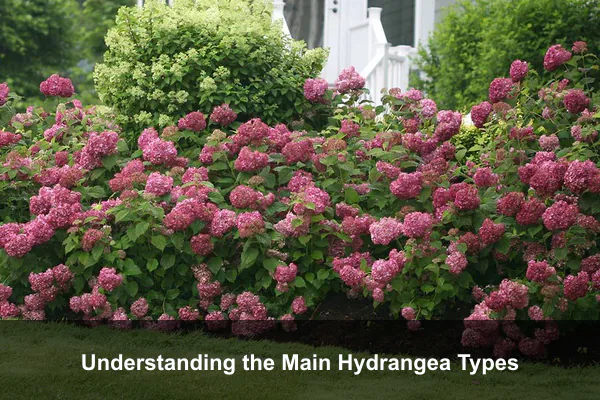
The word hydrangea covers several garden-worthy groups, and each behaves differently. Knowing these groups is one of the most important pieces of Hydrangea plant benefits and information because it affects bloom timing, pruning, hardiness, size, and placement.
Bigleaf Hydrangea
Bigleaf hydrangeas, often known botanically as Hydrangea macrophylla, are famous for mophead and lacecap flowers. They are the classic hydrangeas many people picture first. Their blooms may appear in blue, pink, purple, or mixed tones depending on cultivar and soil chemistry. However, they can be less reliable in colder climates because many older varieties bloom on old wood, meaning their flower buds form the previous season.
Bigleaf hydrangeas are valuable for sheltered gardens, mild climates, and locations where gardeners enjoy detailed plant observation. Newer reblooming cultivars can flower on both old and new wood, improving reliability, but they still benefit from protection from harsh winter exposure and drying winds.
Panicle Hydrangea
Panicle hydrangeas, or Hydrangea paniculata, are among the most dependable choices for colder regions. They bloom on new wood, so winter bud damage is usually less of a problem. Their cone-shaped flowers often begin creamy white, then age to blush, rose, tan, or parchment tones depending on the cultivar and weather.
This group is excellent for gardeners who want reliable summer blooms, stronger sun tolerance, and a more upright shrub form. Some panicle hydrangeas become quite large, so mature size matters. Compact cultivars are better for small gardens, while larger selections work well as anchors in spacious beds.
Smooth Hydrangea
Smooth hydrangeas, commonly represented by Hydrangea arborescens, are known for adaptable growth and dependable flowering on new wood. They are often used in partly shaded borders, native-inspired plantings, and informal garden designs. The well-known white-flowering types are popular, but newer cultivars also offer pink tones and stronger stems.
Smooth hydrangeas can be a practical choice for gardeners who want a forgiving shrub with a softer, natural habit. They may need support or careful placement if heavy blooms flop after rain, but improved cultivars have helped reduce that issue.
Oakleaf Hydrangea
Oakleaf hydrangeas, or Hydrangea quercifolia, offer more than flowers. Their bold, lobed leaves bring texture, and many cultivars develop rich fall color. Peeling bark on mature stems adds winter character. This makes oakleaf hydrangea especially useful for gardeners who want four-season landscape value rather than only summer bloom.
Oakleaf hydrangeas usually prefer well-drained soil and partial shade, especially in hot climates. They can become broad and architectural, so they deserve enough space to show their natural shape.
Mountain Hydrangea
Mountain hydrangeas, or Hydrangea serrata, are generally smaller and more delicate than bigleaf hydrangeas. Their lacecap flowers can look refined in woodland-style gardens, shaded patios, and intimate borders. Some gardeners find them slightly more bud-hardy than traditional bigleaf types, though performance still depends on cultivar and climate.
This group is useful when you want hydrangea beauty without the heavier look of large mophead varieties. It suits gardens where subtle detail matters as much as dramatic display.
Climbing Hydrangea
Climbing hydrangea, often Hydrangea anomala subsp. petiolaris, is a woody vine rather than a typical shrub. It can climb walls, fences, pergolas, and mature tree trunks with the right conditions. It grows slowly at first but can become substantial over time.
The benefit of climbing hydrangea is vertical coverage with a natural, elegant look. The tradeoff is patience and planning. It needs strong support and enough space, making it better for long-term landscape projects than quick seasonal decoration.
How to Match Hydrangeas to Your Climate
Climate matching is the difference between a hydrangea that merely survives and one that performs well. Before buying, consider winter cold, summer heat, humidity, rainfall patterns, and sun intensity. These factors determine which hydrangea type will provide the most reliable benefits in your garden.
Cold-Winter Regions
In areas with freezing winters, panicle and smooth hydrangeas are often the safest choices because they bloom on new wood. Even if stems experience winter injury, new spring growth can still produce flowers. This reliability is one reason these hydrangeas are widely recommended for northern gardens.
Bigleaf hydrangeas can still be grown in cold regions, but they require careful cultivar selection and more realistic expectations. Reblooming varieties improve your chances, but late spring freezes can still damage early growth. Planting near a sheltered wall, avoiding exposed windy sites, and using winter protection may help.
Hot-Summer Regions
In hot climates, afternoon shade becomes more important. Many hydrangeas appreciate morning sun with protection from intense afternoon heat. Heat stress can cause wilting, scorched leaf edges, or reduced bloom quality, especially when combined with dry soil.
Oakleaf hydrangeas can be valuable in warm regions if the soil drains well and the plant receives some shade. Bigleaf hydrangeas may also perform beautifully in mild coastal or humid warm climates when moisture remains consistent.
Humid Gardens
Hydrangeas generally enjoy moisture, but humidity can increase the risk of leaf spot and fungal issues if air circulation is poor. Avoid crowding plants tightly against walls or dense shrubs. Choose spacing that allows leaves to dry after rain, and water near the base instead of soaking foliage.
In humid regions, strong plant spacing is a health benefit, not just a design choice. It keeps the shrub looking cleaner and reduces the need for reactive treatments.
Dry or Irrigation-Limited Areas
Hydrangeas are not ideal for extremely dry gardens unless supplemental water is available. Their broad leaves lose moisture quickly, and their flower quality depends on steady hydration. If you live in a dry climate, choose the coolest practical planting site, mulch well, and avoid placing hydrangeas where reflected heat from pavement or walls increases stress.
For gardeners trying to conserve water, hydrangeas should be used selectively rather than across large areas. One well-placed shrub in a protected bed may be more sustainable than several struggling plants in exposed sun.
Choosing Hydrangeas by Garden Goal
Hydrangea selection becomes easier when you begin with your goal. Are you looking for a focal point, a soft border, a compact patio shrub, a wildlife-friendly planting, or a low-stress flowering shrub? Different hydrangeas answer those goals in different ways.
For Reliable Blooms
If dependable flowering is your top priority, focus on hydrangeas that bloom on new wood. Panicle and smooth hydrangeas are strong candidates. They are especially useful for gardeners who have been disappointed by bigleaf hydrangeas that produced leaves but no flowers.
Reliable bloomers reduce the guesswork around pruning and winter damage. This makes them a better fit for beginners, busy homeowners, and gardens where the shrub needs to perform consistently.
For Compact Spaces
Small gardens need careful size control. Look for compact panicle, bigleaf, or mountain hydrangea cultivars that stay within the available space without frequent hard pruning. Always check mature height and spread rather than relying only on the plant’s size at the nursery.
A compact hydrangea should still have room for air circulation and natural shape. Squeezing a medium or large cultivar into a narrow bed usually creates more maintenance than beauty.
For Naturalistic Borders
Smooth and oakleaf hydrangeas can blend beautifully into naturalistic plantings. Their softer shapes pair well with ferns, sedges, woodland perennials, native shrubs, and leaf-textured groundcovers. In these settings, the hydrangea acts less like a formal showpiece and more like part of a living plant community.
This approach works especially well where you want seasonal interest without a rigid, manicured look. It can also reduce the pressure to deadhead or shape every stem perfectly.
For Architectural Impact
Oakleaf and large panicle hydrangeas provide strong structure. Their branching, leaf mass, and flower heads can anchor the corner of a house, define a garden room, or create visual weight near an entry. For vertical drama, climbing hydrangea offers a completely different type of architecture.
The key is scale. Architectural hydrangeas need enough room to mature, and their placement should respect windows, walkways, doors, and neighboring plants.
Practical Buying Tips for Better Hydrangea Results
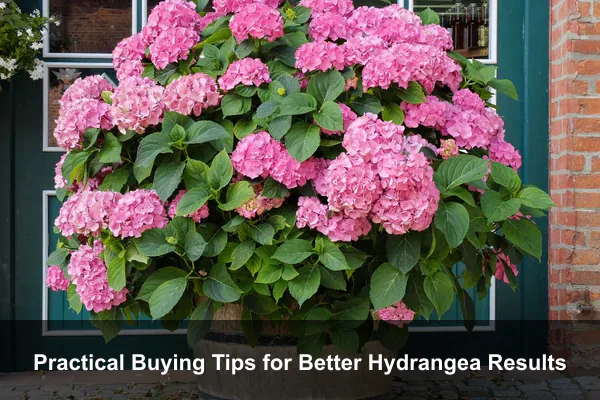
Buying a hydrangea is not just about choosing the prettiest flower on the nursery bench. A plant in peak bloom may look irresistible, but the label and root condition tell you more about long-term performance.
Read the Plant Label Carefully
A useful hydrangea label should tell you the type, mature size, light preference, hardiness zone, and bloom habit. If the label only shows a marketing name and flower color, look for more information before buying. The best choice is a plant whose mature behavior fits your garden, not simply the one with the largest bloom in the pot.
Pay special attention to phrases such as blooms on new wood, reblooming, compact habit, or full sun in cooler climates. These details can help you avoid placing a plant where it will struggle.
Inspect Leaves and Stems
Healthy hydrangea leaves should look firm, evenly colored, and free from widespread spotting or distortion. A few imperfect leaves are normal, especially in outdoor nursery conditions, but avoid plants with severe wilting, broken stems, or signs of chronic stress.
Stems should be sturdy enough to support the plant’s growth. For large-flowered cultivars, strong stems matter because heavy blooms can bend after rain.
Check the Root Ball
If possible, gently inspect the root ball or ask nursery staff for help. Healthy roots are usually pale to tan and firm, not mushy or sour-smelling. A slightly root-bound plant can recover after proper planting, but severely circling roots may need careful loosening.
Good roots matter because hydrangeas rely on steady moisture uptake. A plant with compromised roots may wilt repeatedly even when the soil seems damp.
Avoid Buying Only for Temporary Color
Hydrangea flower color can shift, fade, or age differently after planting. Greenhouse-grown plants may look different once exposed to outdoor light and local soil. Instead of buying only for a specific shade, choose for plant type, mature size, hardiness, and bloom reliability first.
Planting Hydrangeas for Long-Term Benefits
Correct planting gives hydrangeas the foundation they need to provide years of beauty. A well-chosen plant can still struggle if installed too deeply, placed in compacted soil, or exposed to harsh heat before roots establish.
Choose the Right Light
Most hydrangeas prefer a balance of light and protection. Morning sun with afternoon shade is often ideal, especially for bigleaf, mountain, smooth, and oakleaf types. Panicle hydrangeas tolerate more sun in many regions, but even they appreciate moisture and relief from extreme heat.
Observe your garden before planting. A spot that seems shady in spring may become much sunnier in summer, and a site near concrete can be hotter than the surrounding bed.
Prepare the Soil Without Overdoing It
Hydrangeas generally prefer fertile, moisture-retentive, well-drained soil. The goal is not to create an overly rich pocket that traps water, but to improve the whole planting area so roots can spread. Compost can help soil texture, while mulch protects moisture and moderates temperature.
Avoid burying the crown too deeply. Planting at the same depth as the nursery pot is usually best. Water thoroughly after planting to settle soil around the roots.
Mulch for Moisture Stability
A layer of organic mulch helps hydrangeas handle warm days and irregular rainfall. Keep mulch a few inches away from the stems to reduce rot risk. Replenish it as it breaks down, especially before summer heat.
Mulch is one of the simplest ways to support hydrangea health because it reduces the sharp wet-dry swings that often cause stress.
Care Habits That Protect Bloom Reliability
Hydrangea care should support the natural growth pattern of the specific type you planted. The most common mistakes are pruning at the wrong time, watering inconsistently, and fertilizing too aggressively.
Water Deeply and Consistently
Hydrangeas prefer steady moisture, especially during establishment and bloom formation. Deep watering encourages roots to grow downward, while shallow sprinkling often leaves the plant dependent on frequent surface moisture.
Wilting in hot afternoon sun does not always mean the plant is dying. Hydrangeas may temporarily droop during heat and recover in the evening. However, repeated severe wilting signals that the site may be too hot, too dry, or too exposed.
Prune According to Hydrangea Type
Pruning rules depend on whether the hydrangea blooms on old wood, new wood, or both. Bigleaf and oakleaf hydrangeas often bloom on old wood, so heavy late-winter pruning can remove flower buds. Panicle and smooth hydrangeas bloom on new wood, making late winter or early spring pruning more appropriate.
When unsure, prune lightly. Remove dead, damaged, or crossing stems first, then learn the plant’s bloom pattern over a season. Careful observation prevents accidental loss of flowers.
Use Fertilizer Modestly
Too much fertilizer can encourage leafy growth at the expense of flowers. A balanced slow-release fertilizer or compost-based soil improvement is often enough. Follow label directions and avoid heavy feeding late in the season, which can encourage tender growth before cold weather.
Hydrangeas benefit more from consistent soil conditions than from frequent high-dose feeding.
Hydrangea Benefits Beyond Flowers
While flowers are the obvious attraction, hydrangeas offer several quieter benefits that make them valuable in plant-focused landscapes. These benefits are especially meaningful for gardeners who want a resilient, thoughtful, and visually rich outdoor space.
They Encourage Better Garden Observation
Hydrangeas respond visibly to light, moisture, pruning, and weather. This makes them excellent teaching plants. A gardener can learn to read leaf posture, bud development, stem strength, and seasonal growth patterns simply by watching one shrub through the year.
This observation builds practical gardening skill. Over time, you become better at recognizing when a plant needs water, when it is heat-stressed, and when it is simply moving through a normal seasonal stage.
They Create Soft Boundaries
Hydrangeas can define areas without feeling harsh. Along a path, beside a patio, or at the back of a perennial border, they create a sense of enclosure while keeping the garden welcoming. Their rounded forms help soften hard materials such as brick, stone, concrete, and fencing.
This makes them useful in home landscapes where comfort and visual balance matter as much as formal design.
They Support Seasonal Decorating Without Excess Waste
Many hydrangea blooms age beautifully on the plant. Some can be clipped for arrangements or allowed to dry naturally. When used thoughtfully, established shrubs can provide decorative material without repeated purchases of imported or heavily packaged flowers.
The key is moderation. Cutting some blooms while leaving others for garden structure keeps the plant attractive and productive.
Common Hydrangea Problems and What They Usually Mean
Hydrangea issues often have clear causes. Instead of reacting quickly with chemicals or drastic pruning, look at the plant’s location, weather, and recent care.
Leaves but No Flowers
This is one of the most common complaints. Possible causes include winter bud damage, pruning at the wrong time, too much shade, excess nitrogen, or choosing a hydrangea type poorly suited to the climate. If this happens repeatedly with a bigleaf hydrangea in a cold area, consider switching to a panicle or smooth hydrangea for better bloom reliability.
Wilting in Afternoon Heat
Temporary wilting can be normal during hot afternoons, especially for broad-leaved hydrangeas. If the plant recovers by evening and the soil is moist, avoid overwatering. If wilting is severe or constant, improve mulch, check soil moisture deeper down, and consider whether the site receives too much afternoon sun.
Brown Leaf Edges
Brown edges may indicate heat stress, inconsistent watering, wind exposure, fertilizer burn, or root stress. Review recent weather and care before making changes. In many cases, improving moisture stability and reducing heat exposure helps future growth look better.
Floppy Blooms
Large flower heads can bend after rain, especially on young plants or cultivars with weaker stems. Choose stronger-stemmed varieties, avoid excessive fertilizer, and prune in a way that encourages a sturdy framework. Planting near supportive companion plants can also help the display look more natural.
Designing with Hydrangeas Without Overcrowding
Hydrangeas look best when they have enough space to grow into their natural form. Overcrowding creates maintenance problems, reduces airflow, and can make a garden feel messy rather than lush.
Use Mature Size as the Starting Point
Always plan around mature height and spread. A hydrangea that is two feet tall at purchase may eventually become five, six, or even eight feet across depending on the type. Leave space for the plant you are growing, not the plant you are buying.
Pair with Complementary Plants
Good companions should enjoy similar light and moisture conditions. Ferns, hostas, sedges, coral bells, woodland perennials, ornamental grasses, and shade-tolerant groundcovers can all work depending on your climate. The goal is to create contrast in leaf shape, height, and texture without competing too heavily for water.
Repeat Carefully
A row of hydrangeas can be beautiful, but repetition should match the space. In a small garden, one or three shrubs may look more graceful than a crowded line. In a larger landscape, repeating the same cultivar can create rhythm and unity.
Safety and Responsible Use
Hydrangeas are ornamental plants and should not be treated as edible herbs. Parts of the plant contain compounds that can be harmful if ingested by people or pets. For households with curious children or animals, plant hydrangeas where they can be enjoyed visually without inviting chewing or handling of plant parts.
When pruning, wear gloves if you have sensitive skin. Dispose of clippings responsibly, and avoid placing hydrangea material where pets may investigate it. Responsible use helps preserve the plant’s beauty while keeping the garden safer.
Simple Year-Round Hydrangea Checklist
A seasonal checklist can help you care for hydrangeas without overcomplicating the process.
- Spring: Check for winter damage, refresh mulch, and watch for new buds before pruning heavily.
- Early summer: Water consistently as growth accelerates and flower buds develop.
- Mid to late summer: Enjoy blooms, monitor heat stress, and avoid unnecessary fertilizer.
- Autumn: Let some flowers age on the plant for texture, and reduce pruning on old-wood bloomers.
- Winter: Protect vulnerable plants in cold climates and avoid disturbing dormant stems too early.
Conclusion: Choose the Right Hydrangea Before You Perfect the Care
The most important lesson in Hydrangea plant benefits and information is that success starts with selection. A hydrangea matched to your climate, space, and garden goal will reward you with far less effort than a beautiful but unsuitable plant. By understanding the differences between bigleaf, panicle, smooth, oakleaf, mountain, and climbing hydrangeas, you can choose with confidence instead of guessing.
Hydrangeas offer more than impressive flowers. They bring structure, softness, seasonal change, learning opportunities, and long-term landscape value. When planted thoughtfully and cared for according to type, they can become one of the most satisfying shrubs in a home garden. Start with the right variety, give it appropriate light, moisture, and room to mature, and your hydrangea can provide reliable beauty for many seasons.
